How Much Do Piano Movers Cost: 2026 Pricing Guide
Professional piano movers typically charge between $200 and $800, depending on the piano type, distance, and logistical complexity.
Moving a piano is not like moving a sofa or a dining table. I still remember the first time I tried to move an upright piano with a group of friends. We quickly learned the hard way that a piano is a delicate instrument with thousands of moving parts. It can fall out of tune. It can suffer structural damage. After that stressful day, I decided to hire professionals. That choice protected the piano and kept us safe.
Understanding how much do piano movers cost means looking at several variables. Weight, piano type, and the obstacles inside your home all matter. This guide explains those factors. It will help you budget for a safe move.

Factors That Influence Piano Moving Costs
Several key elements determine how much do piano movers cost in your case. Because every piano is different, movers rarely give a flat rate without seeing it first. Here are the main factors I check when estimating a move.
- Piano type and weight: A spinet or small upright is lighter. A baby grand or concert grand is much heavier. Concert grands can weigh 600–1,200+ pounds. Weight affects the crew size and the gear needed.
- Distance: Local moves usually use a flat fee or hourly rate. Long-distance moves add fuel, travel time, and often higher insurance. Interstate moves may require licensed moving carriers.
- Accessibility: Stairs, narrow halls, and tight turns add time and risk. Movers often charge a surcharge per flight of stairs. An elevator or ground-level loading reduces cost.
- Equipment and technique: Some moves need a piano dolly, skid board, padded blankets, straps, or even a crane for balcony or window lifts. Specialized gear increases the price.
- Packing and crating: Professional crating protects antiques and high-value pianos. Crating is more expensive but worth it for rare or fragile instruments.
- Insurance and valuation: Movers should carry insurance. If you need full-value protection for a Steinway, Yamaha, Kawai, or another premium brand, expect extra fees for higher coverage limits.

Average Pricing Tiers for Piano Transport
When you request quotes, you will see movers use pricing tiers. These tiers reflect job type and risk. Below are common ranges. Use them as a starting point when you compare quotes.
- Basic local moves: For a standard upright moved within the same city, expect $200–$400. This covers two movers and standard equipment.
- Large or grand pianos: Baby grands and larger require more crew and protection. Expect $500–$800 or more. Concert grand moves can exceed this depending on distance and logistics.
- Difficult terrain: If your home has multiple flights of stairs, tight hallways, or complex exterior landscaping, expect an extra $50–$100 per flight. Crane service or hoisting adds several hundred to thousands of dollars.
Be honest with the moving company about both pickup and delivery. Hiding a third-floor walk-up without an elevator will lead to arguments and surprise fees on moving day. Clear details get you an accurate estimate.
How to Get Accurate Piano Moving Quotes
Getting a solid quote saves money and stress. Here’s my step-by-step approach when I call movers or request estimates online.
- Describe the piano: Give make, model, and dimensions if you know them. Mention if it’s a spinet, upright, baby grand, grand, or concert grand.
- Show photos: Send clear photos of the piano and the route (doors, hallways, stairs). Photos reduce guesswork.
- List obstacles: Note stairs, tight turns, an elevator, or outdoor lifts. Tell them if there are permits or HOA rules for trucks or cranes.
- Ask about coverage: Ask what insurance they carry and what it covers. Request a written statement of liability limits.
- Request a binding estimate: If possible, get a written binding estimate. This locks the price unless you change the job scope.
- Compare at least three quotes: I always recommend getting three reputable bids. This shows the market rate in your area.
Choosing the Right Piano Moving Company
Not all movers have piano experience. Here’s how I vet a company before I hire them.
- Check specialization: Look for companies that list “piano moving” on their site. Specialists own the right gear and follow safe methods.
- Verify licensing and insurance: Ask for their DOT number (for interstate) and proof of insurance. Confirm coverage limits for your piano’s value.
- Read reviews: Look at recent reviews on Google, Yelp, and industry sites. Pay attention to photos and repeat customers.
- Ask about tools: A good mover uses padded blankets, piano boards, straps, dollies, and skid boards. For exterior lifts they will coordinate a crane team and permits.
- Get a timeline: Ask how long the move will take and when they can schedule it. Peak moving season changes availability.
Tips for Reducing Your Piano Moving Expenses
Quality matters with delicate instruments. But you can still control costs with smart planning. Below are practical tips that have saved me money without risking the piano.
- Clear the path: Remove rugs, lamps, and furniture from access routes. A clear path speeds the crew and can lower the time-based cost.
- Bundle services: If you are moving household items, ask for a package price. Bundling often lowers the marginal cost for the piano.
- Get multiple quotes: Compare at least three reputable companies. Look for transparent line items so you can compare apples to apples.
- Avoid peak times: Movers are busiest at month-end and in summer. Mid-week or off-season bookings are often cheaper.
- Prepare the piano: Close and lock the keyboard lid. Remove loose music stands and benches. Label removable parts and pack accessories yourself.

What to Expect on Moving Day
Knowing what will happen reduces anxiety. Here is what usually takes place on a professional piano move.
- The crew arrives with gear: padded blankets, straps, a piano board, and a dolly.
- They inspect the piano and the route again.
- They protect floors and walls with pads or runners.
- If needed, they disassemble parts like legs and music racks. They label and pack them safely.
- They move the piano carefully into the truck, secure it, and transport it to the new location.
- They unload and place the piano in the agreed spot. Then they reassemble any removed parts.
Piano moving checklist for the day
- Clear the path and measure doorways.
- Keep pets and kids out of the way.
- Confirm parking and truck access.
- Have contact information ready for both locations.
- Verify the final placement and sign any paperwork only after inspection.

Frequently Asked Questions of how much do piano movers cost
Does the age of the piano affect the moving cost?
Usually, age alone does not change the price. Weight and fragility matter more. An antique piano may need crate packing and special handling. That adds cost. If your piano is a rare Steinway or an heirloom, tell the mover. They can quote crating and special insurance.
Should I tune the piano immediately after it is moved?
Wait two to four weeks before tuning. The piano needs time to adjust to the new room’s temperature and humidity. Moving can shift the tuning pins and strings. A tuned piano too soon may go out of tune again after it settles.
Do piano movers provide insurance for the instrument?
Reputable piano movers carry specific insurance for transit. Always verify their policy. Ask if they offer full-value protection or only limited liability. For high-value pianos, you may want to buy additional transit insurance or list the value on the mover’s contract.
Is it cheaper to move a digital piano?
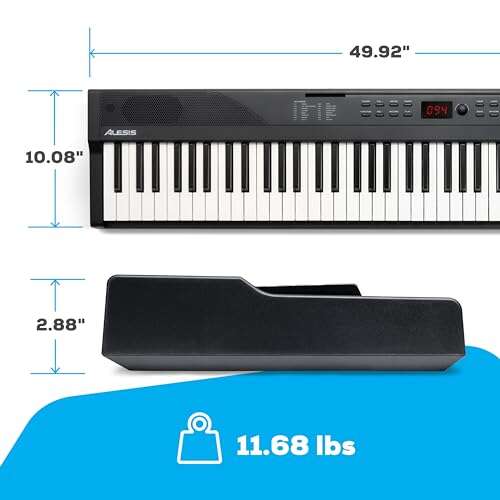
Yes. Digital pianos are lighter and sturdier. Many standard movers handle them like regular furniture. You usually don’t need specialized piano movers for a digital instrument. Still, protect finishes with blankets and secure loose parts.
What is the most expensive part of moving a piano?
Labor and logistics drive the price. Stairs, long carries, and hoists require more personnel and time. Large grands need more people and special gear. Those factors push you into the highest pricing tiers.
Additional Practical Notes: Climate, Tuning, and Long-Term Care
Pianos react to humidity and temperature changes. Moving between climates or from an old house to a modern one can stress wood and glue joints. Consider a humidity control system or room humidifier for long-term care. If your piano is a high-end brand like Steinway, Yamaha, or Kawai, schedule a professional inspection after the move.
Conclusion
Determining how much do piano movers cost comes down to the piano type and the layout of your home. Be honest with movers. Provide photos and measurements. Get at least three written quotes. Verify insurance on paper. Plan for tuning two to four weeks after the move. Protecting your piano with professionals is worth the price. Damage and improper handling can cost far more than the move itself. Start contacting local piano moving experts today to get a firm price and give your instrument the care it deserves.

Senior Music Reviewer
Alex Carter is a seasoned music reviewer with over a decade of experience in the world of sound and instruments. Passionate about helping musicians and enthusiasts make informed choices, he brings sharp insights and in-depth knowledge to every review. From classical instruments to modern gear, Alex combines technical expertise with a love for music to deliver content that resonates with readers.
As a Senior Music Reviewer and expert author on Tuneluma.com, Alex is dedicated to sharing honest evaluations, practical advice, and thoughtful commentary to guide readers in their musical journey.