How Much Does A Decent Drum Set Cost: Price Guide
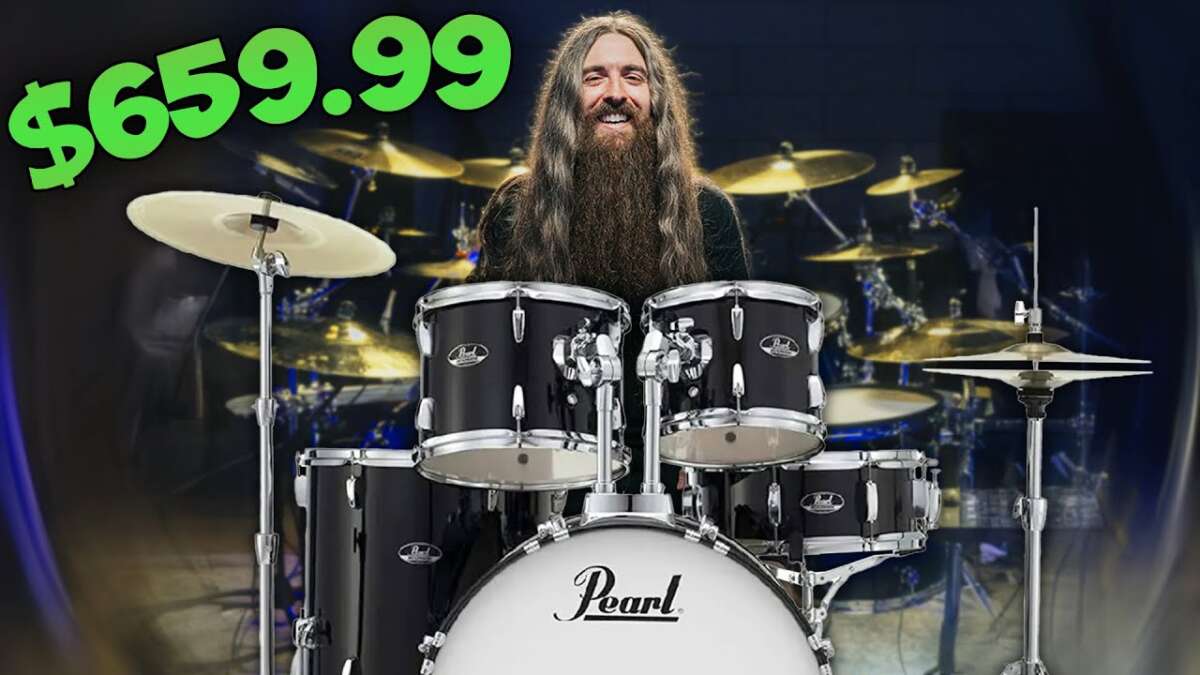
A decent drum set usually costs $600 to $1,500, including shells, hardware, cymbals, pedals, and a throne.
The answer to “how much does a decent drum set cost” depends on your skill level, the brand, and what comes in the box. A beginner kit may be affordable, while a reliable intermediate set can cost much more once you add cymbals, stands, and a good drum throne. This guide breaks down real-world prices, what to expect at each level, and how to avoid wasting money.
How Much Does a Decent Drum Set Cost?
For most players, a decent drum set costs between $600 and $1,500 in the United States. This range usually covers a complete acoustic kit with drums, basic hardware, cymbals, a bass drum pedal, and a throne.
A very cheap kit may cost $300 to $500. It can work for a young beginner, but it may use thin shells, weak stands, poor drum heads, and low-quality cymbals. These parts can make the kit hard to tune and less enjoyable to play.
A better budget looks like this:
• $300 to $500: Basic beginner kit with limited quality
• $600 to $900: Solid entry-level kit for lessons and home practice
• $1,000 to $1,500: Good intermediate kit with better sound and hardware
• $1,500 to $3,000 or more: Advanced kit with stronger shells, better fittings, and premium cymbals
In my experience, the best value often sits near $800 to $1,200. At this price, you can usually find a kit that feels stable, sounds musical, and will not need immediate replacement.
What Does a Complete Drum Set Include?
When asking how much does a decent drum set cost, check what the package actually includes. Many listings show a low price for the drum shells only. You may still need to buy cymbals, stands, pedals, and a throne.
A complete acoustic drum set often includes:
• Bass drum
• Rack toms
• Floor tom
• Snare drum
• Hi-hat stand
• Cymbal stands
• Bass drum pedal
• Hi-hat cymbals
• Crash or ride cymbal
• Drum throne
• Drum keys and small accessories
Some manufacturers sell a “shell pack.” This usually includes the bass drum, toms, and sometimes the snare. It often does not include cymbals or hardware.
That difference can add $300 to $800 to your final cost. A $700 shell pack may become a $1,200 setup after you add a pedal, throne, cymbals, and stands.
A drum set is like a car. The shell pack is the body, but you still need the wheels, seats, and engine before you can drive it.

Drum Set Price Ranges Explained
The cost of a decent drum set changes with the player’s needs. A child taking first lessons does not need the same equipment as a working musician.
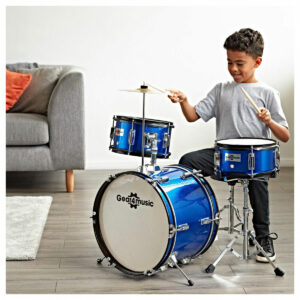
Beginner drum sets: $300 to $700
Beginner kits are made for first-time players. They normally include five drums, basic hardware, cymbals, and a pedal.
Look for features such as:
• Strong metal hardware
• Standard drum sizes
• Adjustable throne height
• A bass drum pedal with a smooth motion
• Replaceable drum heads
Very cheap kits may look attractive online, but poor cymbals and loose stands can quickly become frustrating. If possible, choose a known brand with available replacement parts.
Intermediate drum sets: $700 to $1,500
This is the sweet spot for many home players, students, and serious hobbyists. Intermediate kits often use better maple, birch, or poplar shells. They also tend to have stronger mounts and more reliable tuning hardware.
At this level, the drums should produce a fuller tone and stay in tune longer. You may also get better snare wires, thicker hoops, and improved bass drum spurs.
Professional drum sets: $1,500 to $5,000 or more
Professional kits use carefully selected woods, premium finishes, advanced bearing edges, and high-quality hardware. They are built for studio work, touring, and regular performances.
The shells alone may cost several thousand dollars. Cymbals, stands, pedals, and cases can push the total well above $5,000.
For most beginners, a professional kit is not necessary. Skill, tuning, room treatment, and cymbal choice often affect the sound more than the logo on the drum shell.

How Much Do Cymbals and Hardware Add?
The main reason a drum set can cost more than expected is the extra equipment. Cymbals are especially important because they have a direct effect on the sound and feel of the kit.
A basic cymbal pack may cost $200 to $500. Better bronze cymbals can cost $700 to $1,500 or more for a small set.
Typical extra costs include:
• Bass drum pedal: $80 to $400
• Drum throne: $60 to $250
• Cymbal pack: $200 to $1,500
• Extra cymbal stand: $50 to $150
• Drum heads: $100 to $250 for a full replacement set
• Hardware bag: $50 to $150
• Drum rug: $30 to $100
• Cymbal cases: $70 to $250
A common mistake is buying an expensive drum shell pack and using the cheapest cymbals available. In many cases, a modest drum kit with good cymbals sounds better than a premium kit with harsh, thin cymbals.
When calculating how much does a decent drum set cost, set aside money for cymbals first. They are harder to hide in a mix and can last for many years when treated well.
Acoustic Versus Electronic Drum Set Cost
Electronic drums offer a different answer to how much does a decent drum set cost. They are useful for quiet practice, apartment living, recording, and late-night playing with headphones.
Electronic drum sets
A basic electronic kit costs about $400 to $800. These kits often have rubber pads, a small sound module, and simple pedals.
A better electronic drum set costs $900 to $2,500. It may include mesh heads, larger pads, stronger racks, better trigger response, and more realistic sounds.
High-end electronic kits can cost $3,000 to $8,000 or more. They may include full-size shells, advanced modules, detailed editing, and professional connectivity.
Acoustic drum sets
Acoustic kits offer a more natural response and do not need power. However, they are loud. Even a soft practice session can disturb people in nearby rooms.
Choose acoustic drums if you:
• Want the traditional playing feel
• Plan to perform with a band
• Have a suitable practice space
• Enjoy tuning and changing drum heads
Choose electronic drums if you:
• Need quiet practice
• Live in an apartment
• Want built-in recording tools
• Prefer easy volume control
Electronic drums also require maintenance. Pads, cables, rubber parts, and modules can fail over time. Acoustic drums are simpler, but cymbals and heads wear out.

New Versus Used Drum Sets
Buying used is one of the best ways to lower the answer to how much does a decent drum set cost. A used intermediate kit may cost $500 to $1,000, even when a similar new kit costs $1,200 to $2,000.
Drums can last for decades if they were stored properly. A scratched finish is usually cosmetic. Cracked shells, warped hoops, and damaged bearing edges are more serious.
Check these parts before buying:
• Look for cracks around the shell and bearing edge
• Make sure every tension rod turns smoothly
• Test each stand for loose joints
• Inspect cymbals for cracks near the edges and bell
• Check the bass drum pedal for smooth movement
• Confirm that the snare throw-off works
• Ask whether the kit includes all hardware
• Play every drum and listen for buzzing or unwanted rattles
I once saw a used kit that looked rough but sounded excellent after new heads and careful tuning. I have also seen shiny kits with bent hardware and cracked cymbals. Appearance can mislead you, so always inspect the parts that affect sound and safety.
A used kit is often a smart choice, but budget for replacement heads and small repairs. Saving $300 on the purchase price is not helpful if the kit needs $500 in parts.

What Makes a Drum Set “Decent”?
A decent drum set does not need a famous badge. It needs dependable parts, useful sizes, and a sound that encourages you to practice.
Focus on these qualities:
Good shell construction
Look for shells that are round and free from major cracks. Maple often gives a warm, balanced sound. Birch usually offers a brighter attack. Poplar and mahogany can also work well in entry-level and intermediate kits.
The wood type matters, but it is not everything. Shell thickness, bearing edges, hoops, and construction also shape the tone.
Stable hardware
Stands should stay in place while you play. Bass drum spurs should grip the floor. Tom mounts should hold their position without constant adjustment.
Weak hardware can make even good drums feel cheap. Stable hardware also helps protect the drums during transport.
A useful drum size
A common setup includes a 22-inch bass drum, 10-inch and 12-inch rack toms, a 16-inch floor tom, and a 14-inch snare. Smaller players may prefer a 20-inch bass drum and compact toms.
A smaller kit is not a lesser kit. It can be easier to control, transport, and fit into a small room.
Replaceable parts
Choose a brand that sells replacement heads, hoops, lugs, and mounting parts. This protects your investment and makes repairs easier.

How to Build a Drum Set on a Budget
If your budget is limited, spend money on the parts you touch and hear most. You do not need to buy every upgrade at once.
A smart budget plan may look like this:
-
Buy a reliable shell pack for $500 to $800.
-
Add a comfortable throne for $80 to $150.
-
Choose one good bass drum pedal for $100 to $200.
-
Buy a used cymbal pack from a trusted seller.
-
Replace worn drum heads before buying extra toms.
-
Add cymbals and stands as your playing develops.
Prioritize the snare drum, bass drum pedal, and cymbals. These parts strongly influence your playing experience.
You can also save money by buying a complete package from a respected manufacturer. Package kits often cost less than purchasing each item separately. Still, read the specifications carefully because some packages include very basic cymbals.
For a first setup, I would rather see a player buy a $700 kit with a comfortable throne and usable cymbals than spend $1,200 on shells and sit on a hard, unstable seat.
Common Mistakes When Buying a Drum Set
Many new drummers focus only on the number of drums. More drums do not always mean more value.
Avoid these common mistakes:
• Buying a kit without checking whether cymbals are included
• Choosing the cheapest cymbals just to complete the package
• Ignoring the quality of the bass drum pedal
• Buying drums that are too large for the room
• Forgetting the cost of drum heads
• Assuming a high price always means better sound
• Buying a used kit without inspecting the bearing edges
• Selecting an electronic kit without checking headphone compatibility
Room size also matters. Large acoustic drums can overwhelm a small bedroom. A compact kit may be easier to tune and more enjoyable to play.
Another mistake is overlooking noise control. Rugs, low-volume cymbals, mesh heads, and practice pads can reduce problems, but they will not make acoustic drums silent.
Before buying, write down your full budget. Include the kit, delivery, tax, accessories, maintenance, and any needed noise control. This gives you a more honest answer to how much does a decent drum set cost for your situation.

Is an Expensive Drum Set Worth It?
An expensive drum set is worth the money when you need better tone, stronger hardware, or professional reliability. It is less valuable when you are still learning basic technique or unsure whether you will continue playing.
A beginner may not hear the full difference between a $700 kit and a $2,500 kit. A working drummer who records or performs each week may notice differences in tuning stability, projection, and hardware strength.
Your playing skill also matters. Good tuning can make an affordable drum set sound impressive. Poor tuning can make a premium kit sound dull and harsh.
Think of the kit as a tool. A skilled photographer can take great photos with a basic camera, but a professional may need advanced features. The right choice depends on your goals, not just the price tag.
How to Choose the Right Drum Set for Your Needs
Use your playing goals to guide the purchase.
For a child or first-time player
Spend about $400 to $800. Choose a compact kit with adjustable hardware and durable parts. Make sure the throne fits the player safely.
For a serious beginner
Spend about $700 to $1,200. Select a complete kit from a reliable brand, and avoid very thin cymbals.
For a home hobbyist
Spend about $800 to $1,500. Consider better heads, a comfortable throne, and a cymbal upgrade.
For a performing drummer
Spend $1,500 or more if you need strong hardware, road cases, dependable tuning, and professional cymbals.
For an apartment drummer
Spend $500 to $2,500 on an electronic kit, depending on the pad type and sound module. Mesh heads usually offer a more natural feel than basic rubber pads.
The best drum set is the one that fits your space, budget, body, and musical goals. A kit that makes you want to practice has real value.
Frequently Asked Questions About How Much Does a Decent Drum Set Cost
How much does a decent drum set cost for a beginner?
A decent beginner drum set usually costs $600 to $900 when it includes drums, hardware, cymbals, a pedal, and a throne. You can spend less, but very low-cost kits often need upgrades sooner.
Is $500 enough for a good drum set?
Yes, $500 can buy a usable beginner kit, especially when shopping used. A new kit at this price may have basic cymbals and hardware, so inspect the package contents carefully.
How much should I spend on my first drum set?
Most first-time players should budget $600 to $1,000 for a complete acoustic kit. If you need quiet practice, an electronic kit in the $500 to $900 range may be a better fit.
Are used drum sets worth buying?
Used drum sets can be excellent value because quality shells often last for many years. Check the bearing edges, hardware, cymbals, pedals, and drum heads before paying.
Do drum sets come with cymbals?
Some complete drum packages include cymbals, but shell packs usually do not. Always check the product list because cymbals and stands can add several hundred dollars to the final price.
Is an electronic drum set cheaper than an acoustic drum set?
A basic electronic set may cost less than a full acoustic setup, but advanced electronic kits can be more expensive. Electronic drums are often worth the cost when quiet practice is important.
What is the most important part of a drum set?
The snare drum, bass drum pedal, cymbals, and throne have a major effect on your playing experience. Stable hardware and good drum heads also matter more than having extra toms.
Conclusion
A decent drum set costs about $600 to $1,500 for most players, while a basic beginner kit may cost less and a professional setup may cost much more. Remember to include cymbals, stands, a pedal, a throne, drum heads, and possible shipping in your budget.
Start with a reliable kit that fits your room and goals. A well-chosen used set or mid-range package can give you years of practice and performance without overspending. Compare complete package prices, inspect used equipment carefully, and choose the kit that makes you excited to play.

Senior Music Reviewer
Alex Carter is a seasoned music reviewer with over a decade of experience in the world of sound and instruments. Passionate about helping musicians and enthusiasts make informed choices, he brings sharp insights and in-depth knowledge to every review. From classical instruments to modern gear, Alex combines technical expertise with a love for music to deliver content that resonates with readers.
As a Senior Music Reviewer and expert author on Tuneluma.com, Alex is dedicated to sharing honest evaluations, practical advice, and thoughtful commentary to guide readers in their musical journey.