What Can I Use As A Guitar Pick: Easy Alternatives
You can use a trimmed plastic card, folded paper, a coin, or your fingers as a guitar pick.
If you have ever reached for your guitar and found an empty pick holder, you are not alone. Knowing what can i use as a guitar pick can help you keep playing while also teaching you how pick material, thickness, shape, and flexibility affect your tone and comfort. This guide explains the safest household options, which substitutes to avoid, and how to make a temporary pick that feels surprisingly good.
What Can I Use as a Guitar Pick?
The best emergency guitar pick is usually made from thin, smooth plastic. An old gift card, hotel key card, loyalty card, or clean plastic package can work well when cut into a rounded triangle.
Other options include folded paper, a business card, a coin, or your thumb and fingers. Each choice changes the sound and feel, so the right answer depends on your guitar, playing style, and how long you need the substitute to last.
A real guitar pick is made for repeated contact with strings. Household items are only temporary solutions. Some can crack, scratch the strings, or hurt your fingers if you use too much force.

Best Household Materials for a Temporary Guitar Pick
1. Old plastic cards
Old plastic cards are one of the most popular answers to what can i use as a guitar pick. A gift card, expired membership card, or hotel key card has a useful mix of strength and flexibility.
Plastic cards are often close to the thickness of a thin or medium guitar pick. They also glide over the strings better than paper. Before cutting one, make sure it does not contain personal information or a magnetic strip that you still need.
To make a plastic card pick:
- Draw a triangle with rounded corners on the card.
- Cut it out with strong scissors.
- Trim each corner until the edges feel smooth.
- Rub the edge with fine sandpaper or an emery board.
- Test it gently on one string before playing hard.
Avoid sharp points. A rough edge can catch the string and make your picking feel uneven.
2. Plastic packaging
Clean plastic from food packaging, product packaging, or sturdy takeout containers can also answer what can i use as a guitar pick. Look for plastic that bends slightly without folding at once.
Thin packaging creates a bright, flexible pick. Thicker plastic gives more control and a stronger attack. Do not use brittle plastic, since it may split and leave a sharp edge.
Wash the plastic first if it came from food packaging. Dirt and grease can make the pick slippery. A slippery pick may fall into the sound hole or cause you to hit the strings with too much force.
3. Business cards
A business card can work in a pinch, especially for light acoustic strumming. Fold the card several times to make it thicker, then shape the folded end into a rounded point.
Paper picks feel soft and quiet. They are useful for a short practice session, but they wear down fast. Heavy strumming can tear the paper or leave small fibers between the strings.
A laminated business card works better than a plain paper card. The plastic coating helps it last longer and gives it a smoother edge.
4. Folded paper
Folded paper is the simplest answer to what can i use as a guitar pick. Use a small piece of printer paper, notebook paper, or index card.
Fold the paper into a small triangle or rectangle. Keep the picking edge compact and firm. If the paper feels too soft, add more folds rather than using a larger piece.
This method is best for gentle strumming. It does not provide the firm attack needed for fast alternate picking, metal rhythm guitar, or strong acoustic playing.
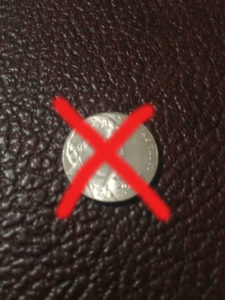
5. A coin
A coin can produce a sharp, bright sound and may work as an emergency guitar pick. Its smooth edge can glide across the strings, but its weight and hardness create important risks.
Coins are much harder than common plastic picks. They can wear the strings and may damage the finish if they slip from your fingers and strike the guitar body. A coin can also feel awkward because it has no pointed tip.
If you use one briefly, choose a small coin with a smooth edge. Hold it lightly and avoid forceful strumming. Never use a coin on a valuable or delicate instrument unless you accept the risk.
6. Your thumb and fingers
You do not always need an object. Your thumb can strum down, while your index finger can brush upward. This is a safe and musical answer to what can i use as a guitar pick.
Fingerstyle playing gives you more control over individual strings. It can also create a warmer, softer tone than a plastic pick. Many guitarists switch between a pick and their fingers as part of their normal technique.
Your fingernails can add a brighter sound, but long nails may split or catch on the strings. Start gently and keep your hand relaxed.

How to Make a Guitar Pick From a Plastic Card
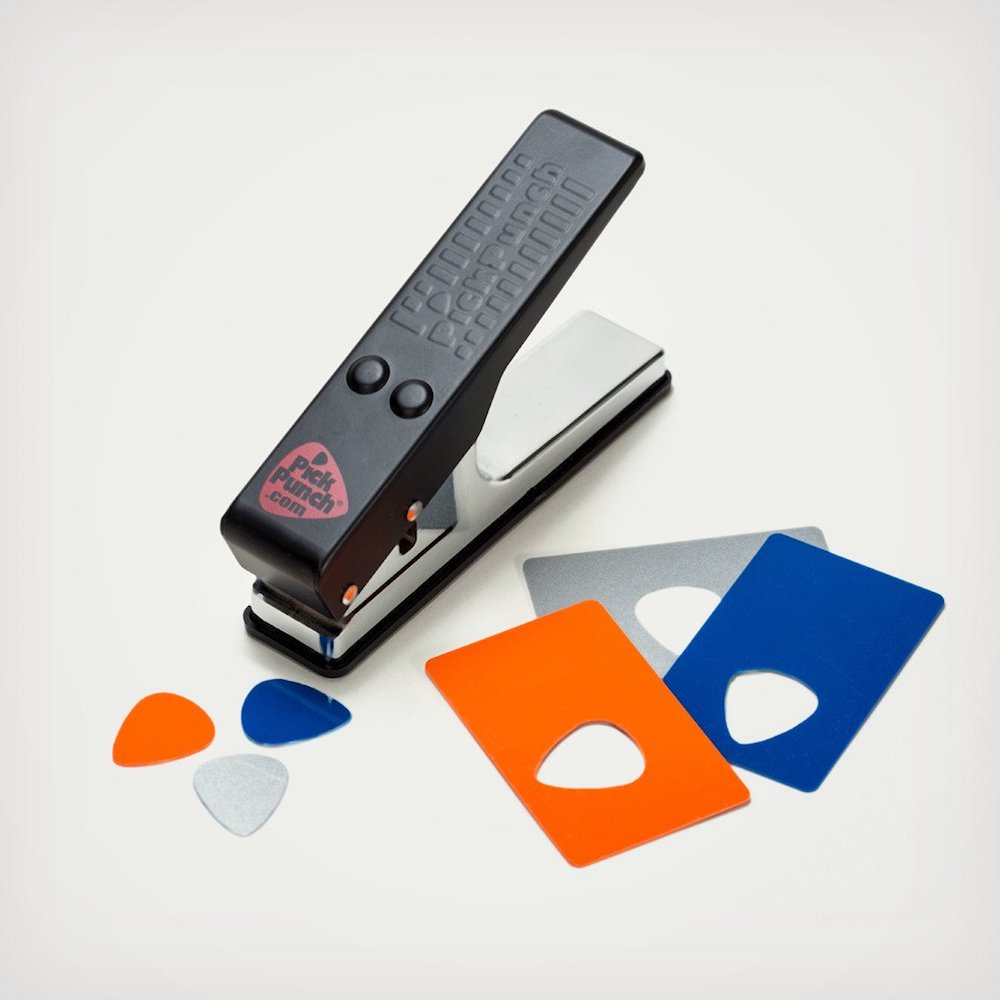
Making a pick from a plastic card takes only a few minutes. The main goal is to create a smooth edge that moves across the strings without catching.
Use scissors, a pencil, and fine sandpaper. A hole punch can help you make a grip hole, but it is not required.
Step-by-step method
- Choose a clean card that you no longer need.
- Draw a pick shape about 1 to 1.25 inches long.
- Make all three corners rounded.
- Cut around the outline slowly.
- Sand the edges until they feel smooth.
- Hold the pick between your thumb and index finger.
- Test downstrokes and upstrokes at low volume.
- Reduce the size if the pick feels hard to control.
A rounded triangle is easier for beginners than a sharp triangle. It gives you more than one usable point as the edge wears down.
The pick should extend only a small amount beyond your fingers. If too much of it sticks out, it may twist or catch the strings. If too little extends out, your fingers may hit the strings.
How thick should a homemade pick be?
A thin homemade pick is better for soft acoustic strumming. A medium pick offers a good balance for chords and single-note lines. A thick pick gives more control for lead guitar and fast picking.
You can estimate thickness by comparing the plastic with a standard pick. Do not worry about exact measurements for a temporary pick. Comfort and smoothness matter more than precision.
In my own testing of emergency picks, the smooth edge made a bigger difference than the exact thickness. A slightly thick pick felt fine after sanding, while a thin pick with a rough edge felt difficult to use.

Choosing the Right Substitute for Your Guitar
The best answer to what can i use as a guitar pick changes with the instrument.
An acoustic guitar often works well with paper, a thin plastic card, or fingers. These choices create a softer sound and suit light strumming.
An electric guitar usually benefits from a firmer material. A medium plastic card can work for rhythm guitar, while a thicker piece may feel better for lead lines.
A classical guitar is normally played with the fingers. Nylon strings respond well to fingerstyle technique, and many classical players avoid standard pick use for tone and control.
Match the substitute to your playing style
Use this basic guide:
• Gentle acoustic strumming: folded paper, a thin card, or your thumb.
• Folk and pop chords: a thin or medium plastic card.
• Rock rhythm guitar: a medium plastic card or small coin used carefully.
• Fast alternate picking: a firm, smooth plastic substitute.
• Blues lead guitar: a medium or thick plastic pick shape.
• Classical or fingerstyle guitar: your thumb, index finger, and other fingers.
• Bass guitar: a firm plastic substitute, though a proper bass pick is safer for regular use.
The string material matters too. Steel strings are bright and firm. Nylon strings are softer and more flexible. A hard substitute can feel harsh on nylon strings, while a soft paper pick may disappear against steel strings.

How Different Materials Change Guitar Tone
A guitar pick is more than a small piece of plastic. Its material, flexibility, shape, and edge all affect your sound.
Soft materials bend before they strike the string. This creates a smoother attack and can reduce pick noise. Hard materials release the string quickly, which often creates a louder and brighter sound.
The shape also matters. A pointed pick can improve accuracy for single notes. A rounded pick can feel smoother during chord strumming. A large pick may be easier to hold, while a small pick can move faster.
Plastic
Plastic is the closest household match to a standard guitar pick. It offers a balanced tone and predictable movement.
Different plastics can feel very different. A flexible card may sound soft, while a rigid piece may produce more volume and attack.
Paper
Paper creates a quiet and soft tone. It works for light practice but breaks down quickly.
Paper can also absorb moisture from your fingers. When it becomes damp, it may bend or tear. Keep your strokes light if you use paper.
Metal
Metal produces a strong, bright attack. It can also increase wear on strings and create unwanted noise.
Metal edges must be perfectly smooth. Even a tiny burr can scratch the string or damage the guitar finish.
Fingernails and fingertips
Fingers create a warm and natural sound. They also let you control several strings at once.
The downside is that long practice sessions may cause fingertip soreness. Your nails may also chip if you use them with heavy force.
What You Should Avoid Using as a Guitar Pick
Not every small object is safe for guitar strings. Some substitutes can damage the instrument, hurt your hand, or create an uneven sound.
Avoid these items:
• Glass, because it can break and create sharp pieces.
• Sharp metal, because it can scratch the finish and damage strings.
• Keys, because their edges are rough and uneven.
• Thick wood, because it can splinter or catch the strings.
• Hard plastic with a sharp edge, because it can cut your fingers.
• Credit cards with important data, because cutting them may expose personal information.
• Paper clips, because they have no safe picking shape.
• Food wrappers, because they are often too soft and slippery.
• Rocks or stones, because they are rough and much too hard.
I once tried a rough plastic edge during a quick practice session and noticed a scratchy sound right away. The problem was not the material alone. It was the unfinished edge. A few seconds of sanding would have made the pick much safer and more comfortable.
Do not keep using a substitute just because it works. Stop if you feel string noise, finger pain, slipping, or resistance during upstrokes.
How to Hold a Homemade Guitar Pick
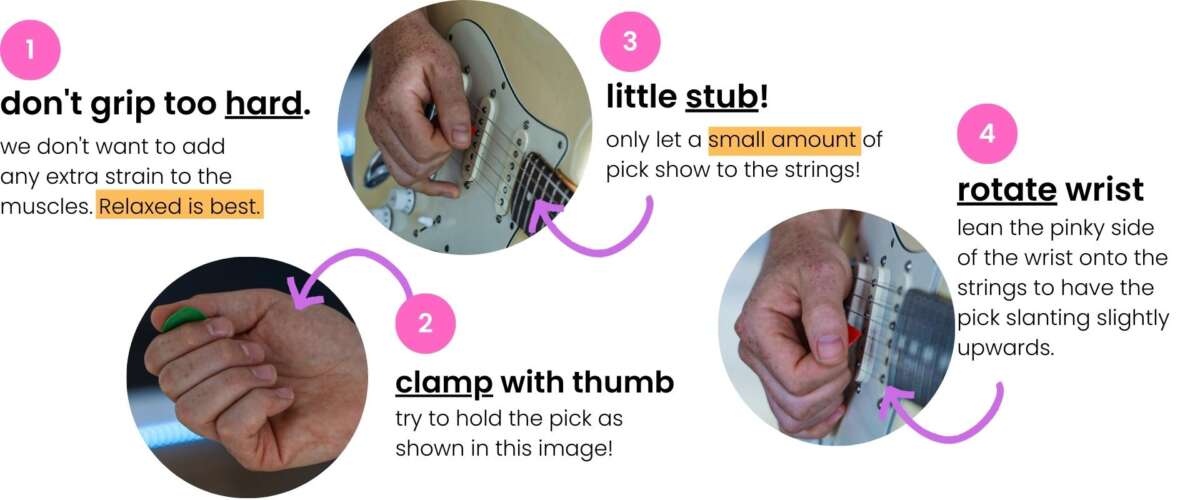
A good grip helps almost any temporary pick perform better. Hold the pick between the side of your thumb and the side of your index finger.
Let about one-quarter inch extend beyond your fingers. Keep your thumb relaxed. A tight grip can make your wrist stiff and can cause the pick to strike the strings too deeply.
Angle the pick slightly instead of holding it flat against the string. This lets the edge glide across the string and reduces resistance.
Practice with slow downstrokes first. Then try gentle upstrokes. If the pick rotates, make it smaller or add a small grip hole.
A homemade pick may not have the textured surface found on a commercial pick. You can add a small piece of removable tape to the center, but check that the tape does not touch the strings.
Temporary Picks Versus Real Guitar Picks
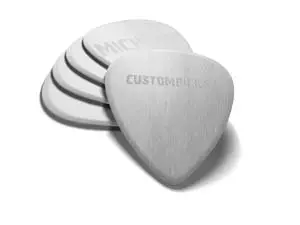
A homemade pick can save a practice session, but a commercial pick is usually better for regular playing. Store-bought picks have consistent thickness, smooth edges, and materials designed for guitar use.
They also come in many shapes and gauges. Common options include thin, medium, heavy, and extra-heavy picks. Trying several gauges can help you find the balance between comfort, tone, and control.
Temporary picks are still useful. They let beginners explore different pick sizes without buying many products. They can also help you understand what feels comfortable before you choose a long-term pick.
Keep a few real picks in your guitar case, gig bag, wallet, and practice area. This simple habit prevents most “lost pick” problems.
Common Mistakes to Avoid
The biggest mistake is using a substitute with a rough edge. Rough plastic may seem harmless, but it can catch the string during an upstroke.
Another mistake is choosing an object that is too large. A large pick can hit nearby strings and make chord playing less accurate.
Many new players also grip the pick too tightly. The pick should move slightly when it contacts the string. A relaxed grip helps your wrist move freely.
Avoid playing hard before testing the substitute. Start with one string, then play a quiet chord. Check the pick after a few minutes for cracks, bends, or sharp spots.
Remember that the goal is to keep playing, not to create a perfect replacement. If the substitute feels unsafe, use your fingers until you can get a proper pick.
Benefits and Limitations of Homemade Guitar Picks
Using a household item as a pick has several benefits:
• It lets you play right away.
• It costs little or nothing.
• It helps you compare materials and thicknesses.
• It can be shaped to fit your hand.
• It reduces frustration during practice.
There are also clear limits:
• The shape may not stay consistent.
• The edge may wear down quickly.
• The material may crack without warning.
• The tone may change as the edge wears.
• Some substitutes may damage the strings or finish.
A homemade pick is best viewed as a short-term tool. It is similar to using a spare tire: useful when needed, but not the best choice for every journey.
A Simple Test for Any Guitar Pick Substitute
Before using a new substitute for a full song, test it in a controlled way.
- Inspect the edges with your fingers.
- Make sure the material has no cracks.
- Play one open string softly.
- Try both downstrokes and upstrokes.
- Play a quiet chord.
- Check for scratching or unusual noise.
- Practice for two minutes.
- Stop if your hand or fingers hurt.
Listen for a clean release from the string. A rough scraping sound often means the edge needs more sanding or the material is not suitable.
Also inspect the guitar after testing. Look near the strings, pickguard, and finish for marks. Most safe plastic substitutes will not cause problems, but caution is wise with any homemade tool.
Frequently Asked Questions About What Can I Use as a Guitar Pick
Can I use a credit card as a guitar pick?
Yes, you can use an old or expired plastic card after cutting it into a rounded shape and smoothing the edges. Do not cut a card that contains personal, financial, or access information.
Can I use a coin as a guitar pick?
You can use a smooth coin for a short emergency session, but it is harder than a normal pick. It may wear the strings, create a bright tone, or damage the guitar finish if it slips.
Can I use paper instead of a guitar pick?
Yes, folded paper works for light strumming and quiet practice. It wears out quickly and is not ideal for heavy strumming or fast lead playing.
Is it safe to use my fingers instead of a guitar pick?
Yes, fingerstyle playing is completely safe and is a standard guitar technique. Your thumb and fingers can create a warm tone and give you more control over individual strings.
What is the best homemade guitar pick?
A trimmed plastic card is usually the best homemade option because it is smooth, durable, and easy to shape. Sand the edges carefully before playing.
Can I use a piece of wood as a guitar pick?
A thin, smooth piece of wood may work briefly, but wood can splinter and catch the strings. Plastic is usually safer and more consistent.
Can I use a guitar pick substitute on an acoustic guitar?
Yes, many substitutes work on acoustic guitar, especially thin plastic and folded paper. Test the edge first and use gentle strokes to avoid string noise or finish damage.
Conclusion
The best answer to what can i use as a guitar pick is usually a smooth piece of trimmed plastic, such as an old gift card or hotel key card. Folded paper, a business card, a coin, and your fingers can also work, but each option has limits.
Choose a flexible material for soft strumming and a firmer material for lead playing. Smooth every edge, hold the pick lightly, and stop using any substitute that cracks, scratches, or hurts your hand.
Try making one plastic card pick today, then compare it with a few standard picks from a music store. Share your favorite emergency pick method or explore more guitar technique guides to keep improving.

Senior Music Reviewer
Alex Carter is a seasoned music reviewer with over a decade of experience in the world of sound and instruments. Passionate about helping musicians and enthusiasts make informed choices, he brings sharp insights and in-depth knowledge to every review. From classical instruments to modern gear, Alex combines technical expertise with a love for music to deliver content that resonates with readers.
As a Senior Music Reviewer and expert author on Tuneluma.com, Alex is dedicated to sharing honest evaluations, practical advice, and thoughtful commentary to guide readers in their musical journey.