How To Improve Finger Strength For Piano Beginners: At Home
Build finger strength with targeted exercises, correct technique, and short daily practice.
I teach and coach beginner pianists and I know what works. This guide on how to improve finger strength for piano beginners breaks down safe, effective steps you can use today. You’ll get clear principles, practical exercises, common mistakes, and a simple routine that fits busy lives. Read on and you’ll leave with a plan you can start immediately.

How to improve finger strength for piano beginners: why it matters
Stronger fingers help you play with control, even tone, and better speed. For beginners, finger strength is not about pushing hard. It is about precise control, endurance, and independence of each finger. Learning how to improve finger strength for piano beginners makes scales clearer, chords firmer, and practice less tiring.
Understanding the hand: simple anatomy and common limits
Your hand has bones, tendons, and small muscles. The large forearm muscles control many finger movements. For beginners, two issues are common. One is weak independent motion of the fourth and fifth fingers. The other is tension in the wrist and forearm. Knowing this helps you choose the right exercises. Targeting small muscles and coordination improves function without strain.

Foundational principles for how to improve finger strength for piano beginners
Start slow and be consistent. Short daily practice is better than occasional long sessions. Focus on these core ideas:
- Play relaxed. Tension blocks progress and causes pain.
- Use correct posture. Sit at the right height and distance so wrists float naturally.
- Aim for control, not force. Strength grows from precise, repeated movement.
- Practice finger independence and endurance separately.
- Rest when you feel fatigue or discomfort.
These principles guide safe progress as you learn how to improve finger strength for piano beginners. A steady, mindful approach prevents injury and speeds improvement.

Practical exercises to build finger strength
Below are reliable exercises I use with students. Do them slowly. Stop if you feel pain.
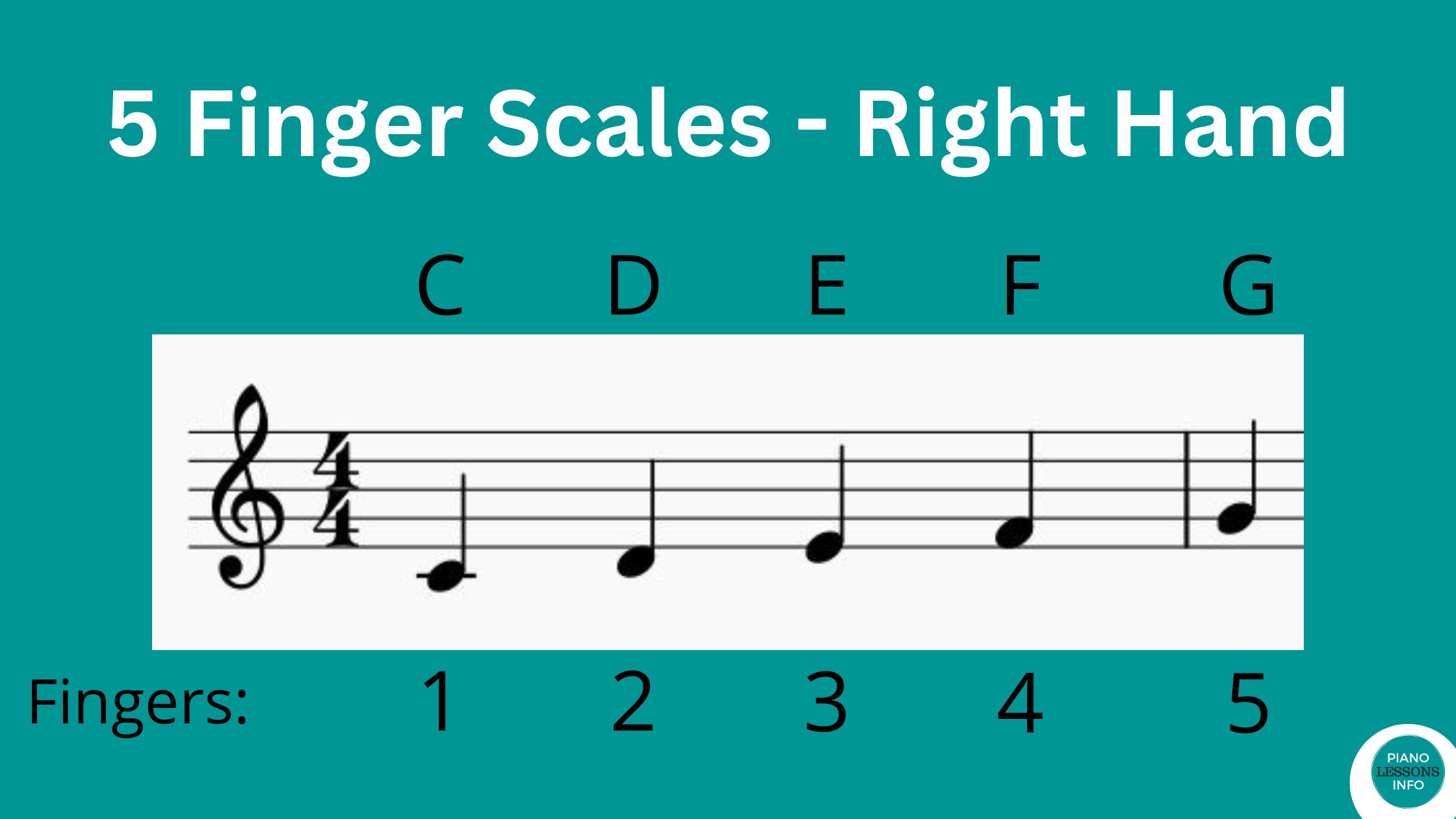
1. Five-finger pattern work (one hand)
Place five fingers on five adjacent keys. Play down and up slowly. Keep other fingers quiet. Focus on even tone and steady wrist. Repeat for 3–5 minutes per hand.
2. Finger lifts
Rest fingers on white keys. Lift one finger at a time an inch or two, then lower it softly. Do 8–12 lifts per finger. Keep wrist still. This trains independent motion.
3. Hanon-style slow repetitions
Choose a short Hanon or similar pattern. Play at a slow tempo with even dynamics. Build to 2–3 minutes per hand. Increase speed only after tone and control improve.
4. Trill and alternation practice
Alternate two fingers (for example 3–4 and 2–3). Start slow and use a metronome. Trills increase endurance and coordination.
5. Weight transfer drills
Practice letting the arm weight fall into the finger, then lift gently. This teaches support from the arm, not finger-only tension.
6. Squeezing a soft ball (off the piano)
Use a soft therapy ball for 30–60 seconds to warm hands. This supports circulation but do not overwork. This off-piano work supplements piano practice.
These exercises form a balanced routine for how to improve finger strength for piano beginners. Rotate them through short sessions and track progress.

Warm-up and daily practice routine
A 15-minute daily routine can deliver big gains. Example plan:
- 2 minutes gentle hand shakes and wrist circles.
- 3 minutes five-finger pattern work on each hand.
- 4 minutes Hanon-style slow repetitions, alternating hands.
- 3 minutes finger lifts and trills.
- 3 minutes play a short piece focusing on even tone.
Keep sessions short and focused. Practice the concept of “less is more.” Gradually increase time as stamina improves. This routine helps you steadily learn how to improve finger strength for piano beginners.

Technique tips to maximize gains
Small technique tweaks matter a lot. Use these simple ideas:
- Sit with a straight back and relaxed shoulders.
- Keep wrists level or slightly rounded; avoid collapsing.
- Keep fingers curved; aim to use fingertip pads.
- Use arm weight for power; avoid pressing only with finger joints.
- Breathe evenly; holding breath adds tension.
Good technique makes your exercises efficient and safe while you work on how to improve finger strength for piano beginners.

Tools, aids, and what to avoid
Helpful aids:
- A metronome for steady tempo.
- A soft therapy ball for warm-up.
- Simple finger exercise devices if they feel comfortable.
Avoid these common errors:
- Overworking with heavy grip tools for long periods.
- Practicing through pain or sharp discomfort.
- Relying solely on off-piano gadgets without piano work.
Balanced use of tools helps your learning of how to improve finger strength for piano beginners while keeping you safe.
Tracking progress and measuring gains
Track small wins. Use these markers:
- More even tone across fingers.
- Longer comfortable practice time.
- Better clarity in fourth and fifth fingers.
- Increased metronome speeds with consistent tone.
Record short videos monthly. Listen or watch for improvements in independence and relaxation. Small, measurable changes show that how to improve finger strength for piano beginners is working.
Mistakes to avoid and safety notes
Protect your hands. Common mistakes:
- Pushing through sharp pain.
- Practicing long sessions without breaks.
- Using poor posture or collapsed wrists.
If pain persists, consult a teacher or medical professional. Prevention beats treatment. Remember: slow, consistent work is the safest path to learn how to improve finger strength for piano beginners.
My personal experience and lessons learned
When I first taught beginners, I pushed speed too early. Students then developed tension. I learned to slow everything down and emphasize relaxation. One student improved her fourth-finger control in six weeks by doing 5 minutes of focused lifts daily. My tip: celebrate tiny wins. They add up. These experiences show practical ways to implement how to improve finger strength for piano beginners.
Frequently Asked Questions of how to improve finger strength for piano beginners
How often should beginners practice finger-strength exercises?
Short daily sessions are best. Aim for 10–20 minutes focused on strength and independence, spread across the day if needed.
Can I use hand grippers to build piano finger strength?
Light grippers can help warm-up and circulation but they do not replace piano-specific practice. Avoid heavy squeezing that builds tension inconsistent with piano technique.
How long until I see improvement?
Most beginners feel small gains in 2–4 weeks with consistent daily practice. Noticeable control and endurance typically develop over 2–3 months.
Is it normal for fingers to feel tired after exercises?
Yes, mild fatigue is normal. Sharp pain or numbness is not. Rest and reduce intensity if uncomfortable.
Should children do the same exercises as adults?
Yes, with modifications. Shorter sessions and lighter resistance work best. A teacher can adapt exercises to a child’s size and attention span.
Conclusion
You can build reliable, pain-free finger strength by practicing short, focused exercises with good technique. Start with relaxation, posture, and slow repetitions. Track small wins and increase intensity gradually. Commit to daily, mindful practice and you’ll see steady improvement in how to improve finger strength for piano beginners. Try the 15-minute routine for two weeks and note changes. Share your progress or questions below, and consider subscribing for more practice plans and tips.

Senior Music Reviewer
Alex Carter is a seasoned music reviewer with over a decade of experience in the world of sound and instruments. Passionate about helping musicians and enthusiasts make informed choices, he brings sharp insights and in-depth knowledge to every review. From classical instruments to modern gear, Alex combines technical expertise with a love for music to deliver content that resonates with readers.
As a Senior Music Reviewer and expert author on Tuneluma.com, Alex is dedicated to sharing honest evaluations, practical advice, and thoughtful commentary to guide readers in their musical journey.