How Hard Is All Apologies Drums: Easy Drum Lesson
Mostly approachable for intermediate players; simple groove, a few tasteful fills, and strong dynamics required.
I’ve played and taught this drum part many times, so I’ll walk you through exactly what makes the All Apologies drums easy or tricky. You’ll get a clear skill-level answer, a step-by-step practice plan, common pitfalls, sound tips, and real-world advice from my own experience. If you want to learn how hard is All Apologies drums and actually play it with feel, this guide will get you there.
Understanding the drum part
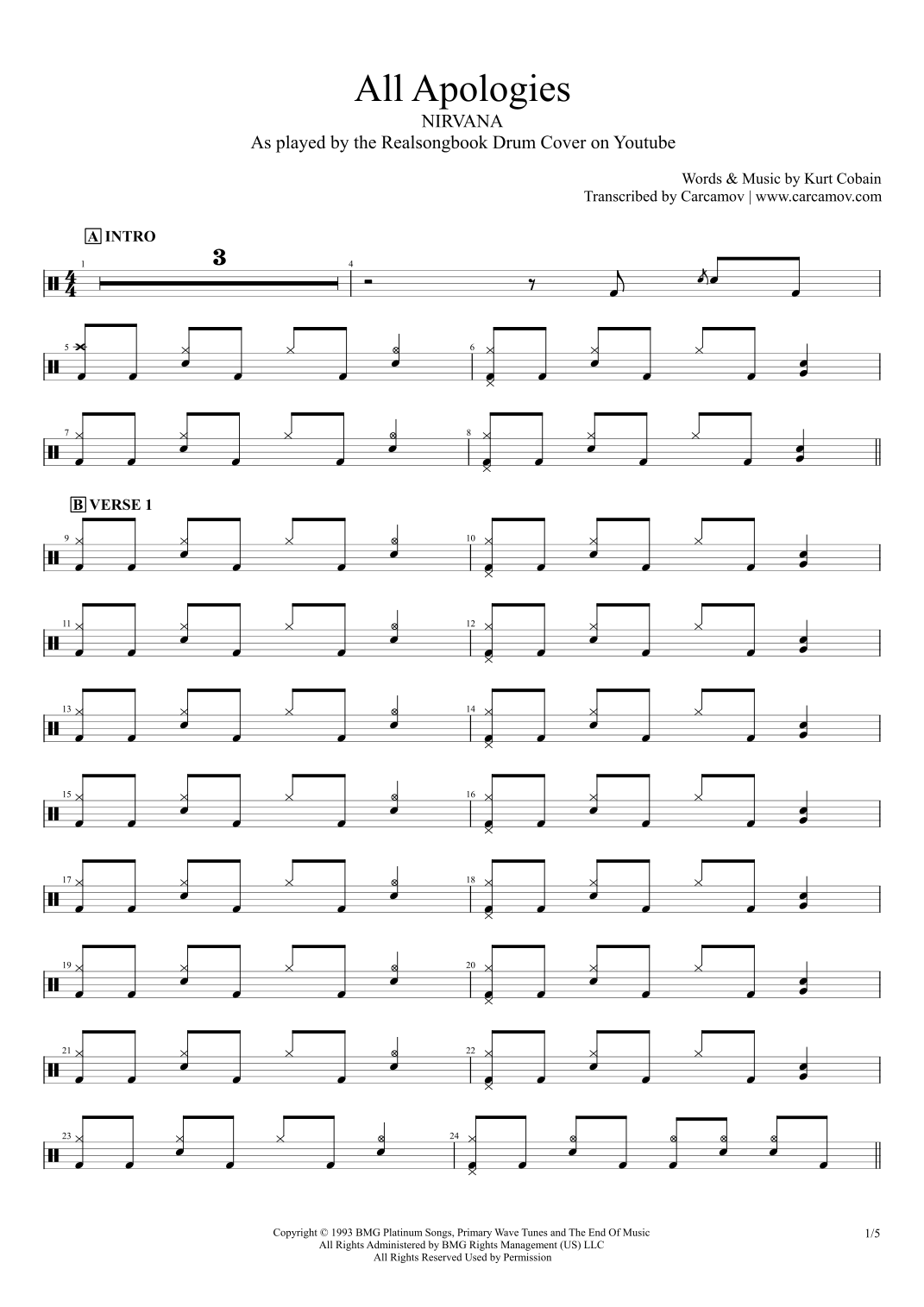
All Apologies is a mid-tempo, spacious rock ballad. The drum part focuses on feel over flash. It uses a steady pulse, simple kick-snare placements, and tasteful fills. The job of the drummer is to support the song and breathe with the music.

How hard is All Apologies drums — difficulty overview
How hard is All Apologies drums depends on your base skills. For beginners it is a fair challenge because of dynamics and control. For intermediate players it is quite approachable and great for learning song feel. Advanced players will find it easy to play but useful for refining nuance and taste.
- Beginner level: timing and steady feel are the main hurdles.
- Intermediate level: groove, dynamic control, and simple fills are well within reach.
- Advanced level: focus shifts to subtlety, recording feel, and matching the original vibe.
Breaking down the drum pattern
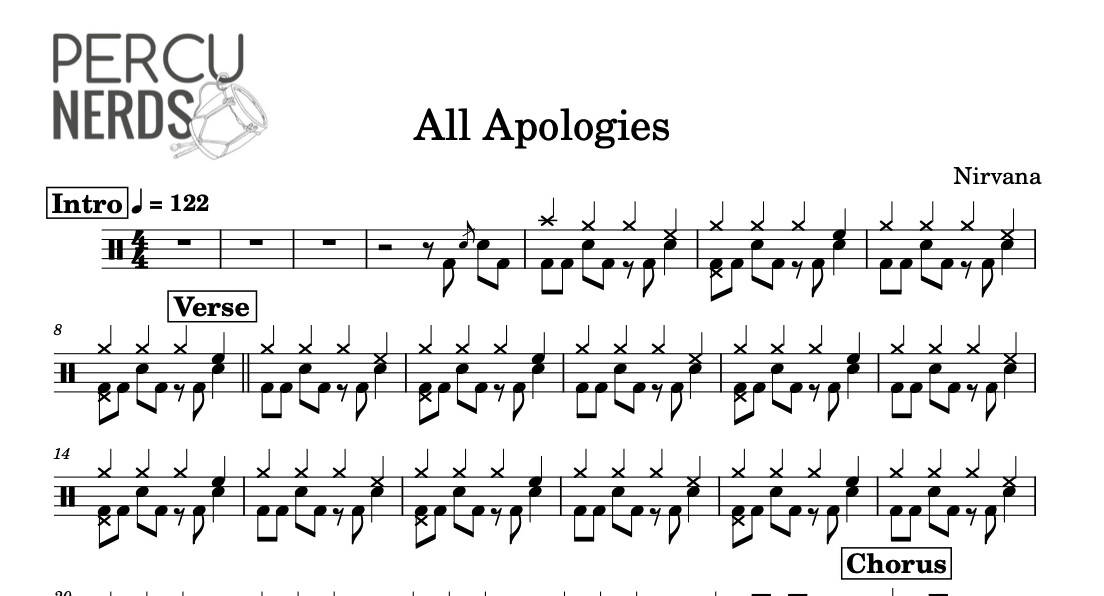
The basic groove is straightforward. Think steady eighth-note pulse on hi-hat or ride. Snare sits on beats 2 and 4. Kick plays a supportive, minimal role. Fills are short and tasteful, not flashy.
Key parts to notice
- Intro: light cymbal or hi-hat, very spare hits.
- Verse: steady groove, low energy, space between notes.
- Chorus: slight lift in dynamics, fuller sound.
- Fills: short tom or snare rolls leading into sections.
Tempo and feel
- The song sits around 72–76 BPM. Play with a relaxed pocket.
- The feel is slightly behind the beat at times. That laid-back placement is essential.

Technical skills and techniques required
You don’t need fast chops to play All Apologies, but you need control. Main techniques to master:
- Consistent timing with a metronome.
- Dynamic control across drums and cymbals.
- Clean transitions for simple fills.
- Comfortable hi-hat control or light ride playing.
Practice these skills
- Play the groove at slow tempos and build to original tempo.
- Work on soft-to-loud dynamic shifts.
- Practice short fills of 2–4 beats, then place them in the song structure.

Practice plan: step-by-step to learn All Apologies drums
This is a compact, 6-week plan you can follow.
Week 1: Learn the basic groove
- Count the bar aloud.
- Play 8th notes on hi-hat at 60–70 BPM.
- Keep snare on 2 and 4. Do 10 minutes daily.
Week 2: Add kick patterns
- Insert simple kick notes to match the recording.
- Keep everything steady and quiet.
Week 3: Work dynamics
- Play verses softly and chorus a bit louder.
- Use ride or open hi-hat lightly for color.
Week 4: Learn fills and transitions
- Practice short fills for phrase endings.
- Keep fills simple: 8th-note rolls, tom hits, or snare taps.
Week 5: Play with recording
– Play along with the track at full tempo.
- Focus on placement and feel.
Week 6: Polish and record yourself
- Record one take and listen critically.
- Fix timing issues and refine tone.
Common mistakes and how to fix them
Many players trip up on the same things. Here are the usual pitfalls and fixes.
Rushing the tempo
- Problem: Energy increases and beats speed up.
- Fix: Use a metronome and play with a backing track.
Playing too loudly
- Problem: Overplaying kills the song’s mood.
- Fix: Practice soft strokes and control stick height.
Overcomplicating fills
- Problem: Unnecessary fills draw attention away.
- Fix: Keep fills short and musical.
Hi-hat timing
- Problem: Hi-hat feels ahead of other limbs.
- Fix: Practice limb independence and play slow.
Equipment and sound tips
You don’t need an expensive kit to nail the part. But sound choices help.
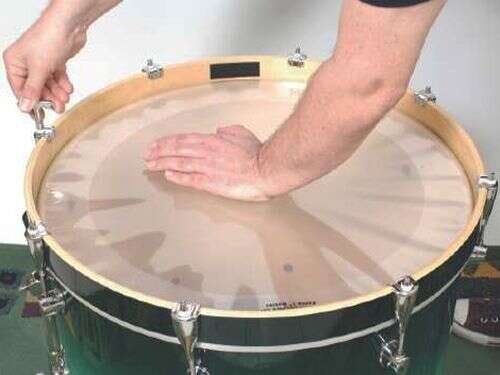
Drum tuning and heads
- Tune snare medium-low for a warm crack.
- Tune toms to sit under the vocals.
- Use a coated snare head for softer stick sound.
Cymbals and sticks
- Use a medium ride or crash-ride for gentle shimmer.
- Choose sticks that balance power and control, such as 5A.
Recording and mic tips
- Keep overheads natural and slightly distant.
- Snare mic should capture warmth, not only crack.
Personal experience and lessons learned
When I first learned how hard is All Apologies drums I thought it was easy. I hit all beats but sounded flat. Realizing the part is about touch changed everything. I slowed down, focused on dynamics, and the song came alive.
Lessons I learned
- Less is often more in this song.
- Listening to vocal phrasing helps place drum parts.
- Recording and listening back reveals subtle timing shifts.
How to use this song to level up as a drummer
All Apologies is a great training piece. It builds musical sensitivity, control, and patience. Use it to improve:
- Dynamic control: soft vs loud hits.
- Song sense: when to play less.
- Recording techniques: capturing a natural feel.
Next songs to try after this one
- Choose other mid-tempo, dynamic tracks to expand nuance.
- Work on songs with similar grooves but slightly more complex fills.
Frequently Asked Questions of how hard is all apologies drums
How long will it take to learn All Apologies drums?
If you practice consistently, expect 2–6 weeks to play the basic groove with confidence. Refining dynamics and feel can take longer.
Do I need to know advanced rudiments to play this song?
No. You do not need advanced rudiments. Good basics, timing, and dynamic control matter more.
Is the original drum part complicated?
The original part is simple in structure but subtle in feel. The complexity is mostly in the dynamics and pocket.
Should I practice with a metronome or the original track?
Start with a metronome to lock timing, then move to the original track to capture feel and phrasing. Both are helpful.
Can a beginner play this song in a band setting?
Yes, a committed beginner can play it in a band if they focus on steady time and low-volume playing. The band will support the drum part.
Is it better to study the recorded drum track or learn by ear?
Both methods help. Studying the recording shows exact choices, while learning by ear builds your listening skills and phrasing.
Conclusion
All Apologies drums are more about taste than speed. The part is approachable for intermediate drummers and a useful challenge for beginners who want to grow. Focus on steady time, soft-to-loud dynamics, and simple, musical fills. Try the six-week plan, record yourself, and aim to play the song with feeling rather than showing off tech. If you found this helpful, try playing along tonight, subscribe for more song breakdowns, or leave a comment about your practice progress.

Senior Music Reviewer
Alex Carter is a seasoned music reviewer with over a decade of experience in the world of sound and instruments. Passionate about helping musicians and enthusiasts make informed choices, he brings sharp insights and in-depth knowledge to every review. From classical instruments to modern gear, Alex combines technical expertise with a love for music to deliver content that resonates with readers.
As a Senior Music Reviewer and expert author on Tuneluma.com, Alex is dedicated to sharing honest evaluations, practical advice, and thoughtful commentary to guide readers in their musical journey.