Do You Want To Build A Snowman Piano: Easy Guide
“Do You Want to Build a Snowman?” piano music is a fun, gentle way to learn melody, rhythm, and basic chords.
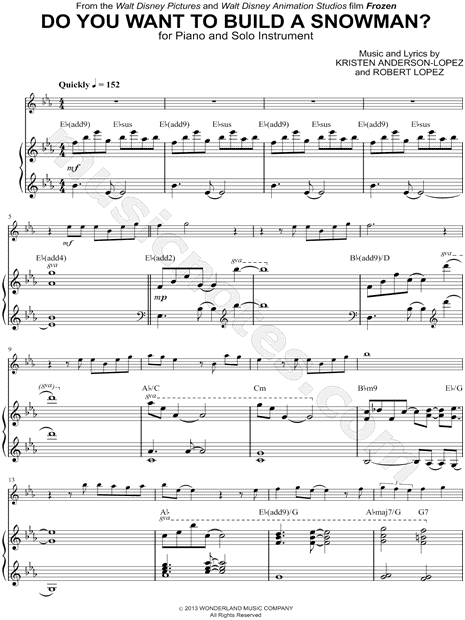
“Do You Want to Build a Snowman?” piano arrangements bring the charm of Disney’s Frozen into a lesson, practice room, or family sing-along. This guide explains how to choose sheet music, play the melody, use simple chords, avoid common mistakes, and build a confident performance, whether you are a beginner or an experienced pianist.
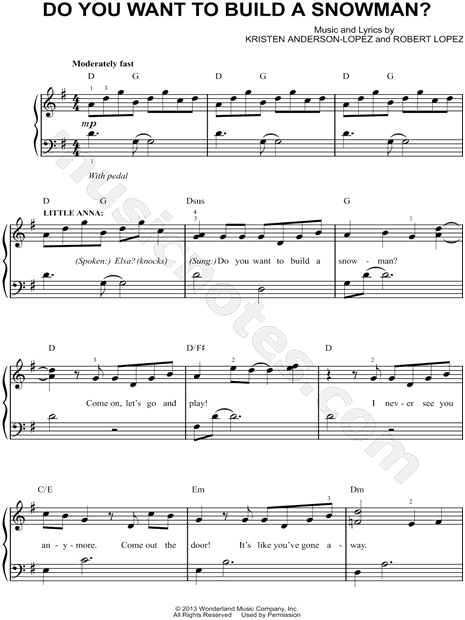
What Is “Do You Want to Build a Snowman?” on Piano?
“Do You Want to Build a Snowman?” is a popular song from Disney’s 2013 animated film Frozen. The song was written by Kristen Anderson-Lopez and Robert Lopez, who also created much of the film’s musical score.
The song tells the story of Anna trying to connect with her sister Elsa over several years. Its music changes as the story grows more serious. This gives the piano arrangement a special shape. It starts with a childlike feeling, then becomes warmer, sadder, and more dramatic.
A “Do You Want to Build a Snowman?” piano arrangement may include:
• A simple right-hand melody
• Left-hand bass notes
• Basic triad chords
• Chord symbols for singers
• A full intermediate piano part
• Lyrics placed above or below the staff
The best version depends on your goal. A beginner may need large notes and a slow arrangement. A singer may prefer melody with chord symbols. An advanced player may want the full concert-style arrangement.
The song is usually written in a moderate, flowing style. Still, the exact key, tempo, and difficulty can change between published arrangements. Always check the edition before practicing.
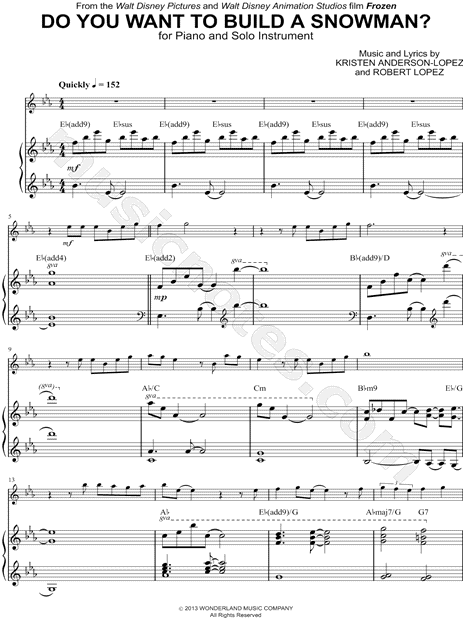
Why This Song Works Well for Piano Beginners
Many new players search for “Do You Want to Build a Snowman?” piano music because the song feels familiar. Familiar songs can make practice less stressful. You already know how the melody should sound, so your ear can guide your fingers.
The song also teaches several useful piano skills:
• Playing a clear melody
• Moving between simple chords
• Keeping a steady pulse
• Following changing sections
• Using soft and loud dynamics
• Playing with emotional expression
A beginner arrangement often keeps the left hand simple. You may play one bass note at a time or use broken chords. This lets you focus on the right hand first.
In my experience with beginner song practice, students often make faster progress when they learn music they already love. A familiar Disney song can feel less like a drill and more like telling a story. That emotional link helps learners return to the piano each day.
However, the song is not always as easy as it first sounds. The melody has changes in rhythm and mood. Some versions also move quickly between chords. Start with a simple arrangement instead of choosing a version that looks impressive but feels too hard.

How to Choose the Right Piano Arrangement
The phrase “Do You Want to Build a Snowman?” piano can describe many different types of sheet music. Choosing the right one saves time and prevents frustration.
Look for these details before you buy or download an arrangement:
Beginner arrangements
A beginner version usually has:
• A single-note melody
• Easy rhythms
• Few accidentals
• Simple left-hand notes
• A limited hand span
This type of arrangement is ideal for a first-year piano student. It may not sound as full as the movie version, but it gives you a clear path to success.
Easy or early intermediate arrangements
An easy intermediate version may add:
• Chords in the left hand
• Simple harmony
• Passing notes
• More movement between sections
This choice works well if you can read both treble and bass clefs and play basic major and minor chords.
Intermediate arrangements
An intermediate “Do You Want to Build a Snowman?” piano score may include richer chords, octave melodies, moving bass lines, and larger hand positions. It can sound closer to a polished solo performance.
Choose this level only if you can play scales, chord changes, and syncopated rhythms with control. A hard arrangement played poorly is less enjoyable than an easy arrangement played with feeling.
Lead sheets
A lead sheet shows the melody and chord symbols. It is useful for:
• Singing while playing
• Playing with another musician
• Creating your own arrangement
• Learning chord patterns
Lead sheets require more freedom than standard sheet music. You need to know how to turn chord symbols into playable piano parts.
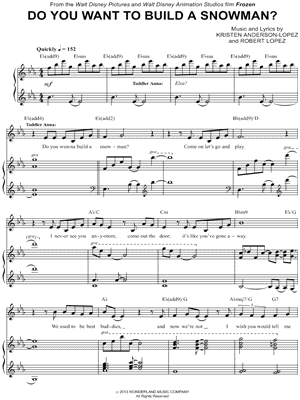
Basic Chords Used in the Song
The exact chords depend on the key and arrangement. Many simplified versions use common chords that appear in beginner piano songs.
You may see chords such as:
• C major
• G major
• F major
• A minor
• E minor
• D minor
These chords are built from three notes. For example:

• C major uses C, E, and G
• F major uses F, A, and C
• G major uses G, B, and D
• A minor uses A, C, and E
Practice each chord as a block first. Press all three notes together. Then try playing the chord as a broken pattern, such as low note, middle note, high note, and back again.
Do not rush chord changes. Place your fingers close to the keys and lift them only as much as needed. Small movements make the music smoother and reduce hand tension.
One common mistake is to play every chord with the same force. That can make “Do You Want to Build a Snowman?” piano sound flat. Use a softer touch in the quiet sections and add weight only when the story grows.
How to Practice “Do You Want to Build a Snowman?” Piano
A smart practice plan is more useful than simply playing the song from the first page to the last. Break the music into short sections.
Step 1: Listen before you play
Listen to the original song or a trusted piano performance. Notice the tempo, pauses, changes in mood, and repeated ideas.
Your goal is not to copy every detail at once. Instead, create a sound map in your mind.
Step 2: Mark the sections
Use small labels in your music. You might mark:
• Opening
• First melody
• Middle section
• Emotional rise
• Final section
These labels help you remember the song’s structure. They also make it easier to restart after a mistake.
Step 3: Learn the right hand alone
Play the melody slowly. Count out loud if the rhythm feels unclear. Keep your fingers relaxed and watch for repeated notes.
The melody should sound clear, almost like a singer standing in front of the piano. Do not let the left hand cover it later.
Step 4: Learn the left hand alone
Practice the bass notes or chords without the melody. This builds muscle memory and helps you notice difficult transitions.
If a chord change feels awkward, practice only those two chords. Repeat them five to ten times, then move on.
Step 5: Combine small phrases
Join one or two measures at a time. Avoid playing the full song until each small phrase feels comfortable.
This method may seem slow, but it saves time. Many players lose confidence by repeating the same full-song mistake from beginning to end.
Step 6: Add expression
Once the notes are secure, shape the music. Use changes in volume, gentle pauses, and careful timing.
A strong “Do You Want to Build a Snowman?” piano performance should sound like a conversation. Some lines feel playful. Others feel lonely or hopeful.
Common Mistakes to Avoid
Even a simple piano arrangement can sound uneven when basic habits get in the way. These mistakes are common, but they are easy to fix.
Playing too fast
People often speed up because they know the melody. Use a metronome at a slow setting. Increase the speed only when you can play without stopping.
Ignoring the rhythm
The words can make the rhythm feel natural, but piano players still need to count. Tap the beat or speak the lyrics while clapping the rhythm.
Playing both hands too loudly
The melody should usually lead. If the left hand is louder than the right hand, the song can lose its shape.
Skipping difficult measures
Avoiding a hard bar does not make it easier. Isolate it and practice the movement slowly. You can also simplify the left hand for a first performance.
Using the pedal too much
Too much sustain blends every chord together. Change the pedal with the harmony, and release it when the sound becomes muddy.
Choosing music above your level
A beautiful cover may not be suitable for a new player. Select a version that lets you finish the song with control. You can return to a harder arrangement later.
How to Make a Beginner Arrangement Sound Better
A simple “Do You Want to Build a Snowman?” piano version can still sound rich. Musical choices matter more than a large number of notes.
Try these ideas:
• Keep the melody slightly louder than the accompaniment
• Use the sustain pedal with care
• Shape each phrase toward its main note
• Add a small pause at natural sentence endings
• Keep the opening soft
• Build volume during the emotional sections
• Slow down only where the music supports it
Do not add dramatic effects to every measure. Expression works best when it has contrast. A quiet passage feels meaningful because a stronger passage follows it.
You can also use chord inversions. Instead of moving each chord in root position, choose nearby notes. This keeps the hand close to the keyboard and creates smoother harmony.
For example, when moving from C major to F major, choose the closest F major position rather than jumping across the keyboard. This small change can make a beginner arrangement sound more polished.
Playing and Singing at the Same Time
Many people search for “Do You Want to Build a Snowman?” piano because they want to sing along. Playing and singing together is rewarding, but it requires separate practice.
First, learn the piano part until it feels automatic. Then practice the lyrics alone with the recording. Finally, combine the voice with a very simple piano pattern.
A useful approach is to reduce the left hand. Play only one bass note at the start of each chord. This leaves more attention for singing.
Keep the vocal melody in mind while you play. If the piano arrangement has a different rhythm from the vocal line, follow the printed music and listen carefully to how the parts fit.
In real practice, the hardest part is often not the notes. It is breathing, watching the music, and keeping the tempo at the same time. Start slowly and accept that coordination may take several sessions.
Digital Piano, Acoustic Piano, or Keyboard?
You can learn “Do You Want to Build a Snowman?” piano on almost any suitable keyboard. Each instrument has benefits.
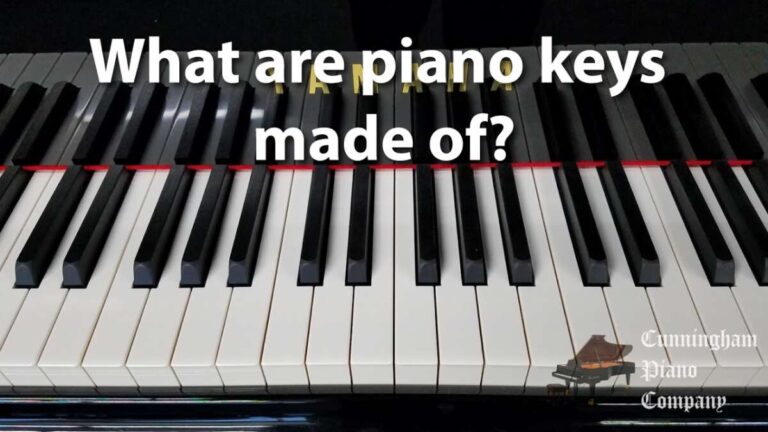
Acoustic piano
An acoustic piano offers:
• Natural key response
• A wide dynamic range
• Strong tone color
• A rich sound for performance
It may require regular tuning and more space.
Digital piano
A digital piano is practical for home use. Many models offer weighted keys, volume control, headphone output, and recording features.
A model with weighted or touch-sensitive keys is helpful because it responds to how firmly you play. This supports better control of soft and loud dynamics.
Portable keyboard
A portable keyboard can work for early practice. Choose one with full-size keys if possible. Very light keys may not prepare you for an acoustic piano.
The most important factor is consistent practice. A modest instrument used often can help more than an expensive piano that stays untouched.
Finding Legal and Reliable Sheet Music
Use authorized sheet music whenever possible. Licensed music supports the writers, publishers, and musicians who created the work.
Before using a digital score, check:
• The arrangement level
• The key
• Whether lyrics are included
• The page preview
• The publisher or seller
• The permitted printing or use terms
Free arrangements may vary in quality. Some contain wrong notes, unclear rhythms, or missing sections. Compare unfamiliar music with a trusted recording, but remember that different arrangements may use different keys.
Do not assume that a video tutorial is automatically free to copy or redistribute. Copyright rules can vary by country and by use. For personal learning, use music from a legitimate source and follow its license terms.
A Simple Four-Week Practice Plan
A short plan can turn “Do You Want to Build a Snowman?” piano practice into a clear goal.
Week one: Learn the map
Listen to the song, mark its sections, and learn the right-hand melody. Practice for 10 to 15 minutes at a time.
Week two: Add the left hand
Learn the bass notes or basic chords. Work on two or four measures per session.
Week three: Join the sections
Combine both hands. Use a slow metronome and stop when tension appears in your wrists or shoulders.
Week four: Polish the performance
Add dynamics, pedal, and phrasing. Record yourself once or twice. Listen for unclear melody notes, uneven rhythm, and rushed transitions.
Short practice sessions are often more effective than one long session. If your attention fades, take a break. The goal is steady progress, not exhaustion.
Who Should Learn This Song?
“Do You Want to Build a Snowman?” piano music suits many players.
It can work well for:
• Children learning a first movie song
• Adults returning to piano
• Singers who want accompaniment
• Teachers planning a themed lesson
• Families preparing a holiday performance
• Intermediate players seeking a lyrical arrangement
The song may need adaptation for very young beginners. A teacher can simplify the rhythm, remove difficult chords, or teach the melody by ear.
It also works well in group learning. One student can play the melody, another can play bass notes, and a singer can perform the lyrics. This turns practice into a shared activity rather than a solo task.
Frequently Asked Questions About “Do You Want to Build a Snowman?” Piano
Is “Do You Want to Build a Snowman?” easy to play on piano?
A beginner arrangement can be easy, especially when it uses a single-note melody and simple chords. Full arrangements may be more difficult because they include richer harmony, wider hand movements, and changing rhythms.
What piano level is needed for this song?
A simplified version may suit an early beginner. An intermediate player can usually handle arrangements with moving bass lines, chord inversions, and more detailed accompaniment.
Can I play “Do You Want to Build a Snowman?” piano without reading music?
Yes. You can learn the melody from a tutorial, chord chart, or by ear. Reading sheet music is still useful because it shows rhythm, pitch, dynamics, and structure in a clear form.
What key is “Do You Want to Build a Snowman?” in?
The key can differ between the original recording, vocal editions, and piano arrangements. Check the key signature on your specific sheet music rather than assuming every version is the same.
Should beginners use the sustain pedal for this song?
Beginners can use the sustain pedal, but lightly. Change it with the chords and release it when the sound becomes unclear or muddy.
Can I sing while playing the piano arrangement?
Yes, but learn the piano part first. Start by using simple left-hand bass notes, then add fuller chords as your singing and playing become more comfortable.
Where can I find “Do You Want to Build a Snowman?” piano sheet music?
Look for authorized editions from reputable music publishers, licensed digital sheet music stores, or official educational collections. Check the difficulty, key, arrangement type, and usage terms before choosing one.
Conclusion
“Do You Want to Build a Snowman?” piano music is a strong choice for learning melody, chords, rhythm, dynamics, and musical storytelling. The song can be simple enough for a beginner or rich enough for an advanced performance, depending on the arrangement.
Choose music that matches your current level. Learn each hand slowly, practice in short sections, protect the melody, and add expression only after the notes feel secure. Start with a legal, clear arrangement today, and share your favorite version or progress in the comments.

Senior Music Reviewer
Alex Carter is a seasoned music reviewer with over a decade of experience in the world of sound and instruments. Passionate about helping musicians and enthusiasts make informed choices, he brings sharp insights and in-depth knowledge to every review. From classical instruments to modern gear, Alex combines technical expertise with a love for music to deliver content that resonates with readers.
As a Senior Music Reviewer and expert author on Tuneluma.com, Alex is dedicated to sharing honest evaluations, practical advice, and thoughtful commentary to guide readers in their musical journey.