Best Drum Kit For Jazz: Top Picks For Smooth, Rich Sound
The Yamaha Stage Custom Birch Bop is my top pick for warm tone, compact size, and authentic jazz feel.
You know the struggle: a full-size rock kit can feel too loud, too large, and too slow for a small jazz room. Jazz needs touch, space, and clear cymbal color. I looked at shell size, tone, setup, playability, and value to find the best drum kit for jazz in different settings. These picks suit new players, working drummers, quiet practice, and budget buyers. I also included brushes and 7A sticks, because the right tools can change a good jazz kit into a much more expressive one.
Yamaha Stage Custom Birch Bop Shell Pack

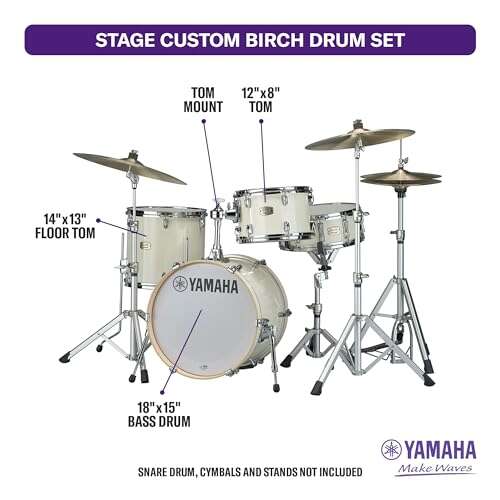
The Yamaha Stage Custom Birch Bop is the strongest choice here for players who want a true acoustic jazz setup. Its compact three-piece format leaves room for the ride cymbal, snare, and player to breathe. Birch shells often give a focused attack with a clear top end, which helps soft jazz notes speak without sounding dull. The Classic White finish also gives the kit a clean look that fits lessons, clubs, and home studios.
This is a shell pack, so you must add cymbals, hardware, a snare, and pedals if you do not already own them. That extra cost matters, but it also lets you choose each part for your own sound. I like the bop layout for swing, bebop, brush work, and small-combo playing. If your goal is the best drum kit for jazz rather than a general starter set, this focused design has the most musical sense.
Pros:
- Compact bop layout suits small jazz rooms
- Birch shells offer clear attack and useful projection
- Three-piece design keeps setup simple
- Leaves more room for cymbal and snare expression
- Strong long-term platform for upgrades
- Classic finish looks polished on stage
Cons:
- Shell pack does not include a full hardware package
- Extra cymbal and snare costs can raise the final price
- Small bop sizes may feel limited for loud rock music
My Recommendation
I recommend this kit to an intermediate drummer, a serious student, or a gigging player who already owns some hardware. It is also a smart choice for anyone who wants to build a jazz kit one piece at a time. The compact shell layout makes soft dynamics easier to control, while the birch tone keeps the kit lively under brushes and light sticks. For me, it is the best drum kit for jazz in this group when sound and musical response matter most.
| Best for | Why |
|---|---|
| Small jazz combos | The bop layout saves space and supports close, controlled playing. |
| Experienced players | The shell pack lets you select professional-style cymbals and hardware. |
| Long-term use | The focused design can grow with your skill and setup needs. |
Pearl Roadshow 4-Piece Drum Set, Jet Black

The Pearl Roadshow is a practical complete kit for a beginner who wants to start playing jazz without hunting for every part. This four-piece set gives you a bass drum, mounted tom, floor tom, and snare in one package. It also includes cymbals and stands, so the first setup is much less stressful. The jet black finish is simple, neutral, and easy to match with almost any room or stage.
Jazz players often prefer smaller drums, but a full beginner kit can still work well with careful tuning and soft sticks. I would tune the toms slightly higher, use a controlled bass-drum tone, and choose a thin ride cymbal when possible. The kit gives a new drummer a solid base for learning swing, comping, and basic brush patterns. It may not be the best drum kit for jazz for a seasoned player, but it offers excellent entry value.
Pros:
- Complete package helps beginners start quickly
- Four-piece layout supports basic jazz arrangements
- Includes cymbals and stands for easier setup
- Simple black finish works in many spaces
- Useful platform for learning tuning and technique
- Usually costs less than buying parts separately
Cons:
- Stock cymbals may sound basic to advanced players
- Larger shell sizes need more room than a bop kit
- Experienced drummers may want upgraded heads and hardware
My Recommendation
This Pearl kit is best for a new drummer, a family buying a first acoustic set, or a student who needs a complete package. It removes much of the guesswork that can make a first purchase confusing. I would not call it the best drum kit for jazz at a professional level, but it becomes more capable with good tuning, light sticks, and a warmer ride. Its complete design gives beginners a clear path from the first lesson to the first small performance.
| Best for | Why |
|---|---|
| First-time drummers | The kit includes the main pieces needed to begin playing. |
| Home practice | The four-piece layout offers useful range without excessive complexity. |
| Budget buyers | A complete package can reduce the cost of buying separate parts. |
Pearl Roadshow 4-Piece Drum Set, Aqua Blue

The aqua blue glitter Pearl Roadshow has the same useful beginner focus as the jet black version, but it brings more personality to the room. A bright finish can make a first kit feel exciting instead of temporary. The four-piece setup gives you the core drums for lessons, simple jazz charts, pop songs, and light ensemble work. Because it comes as a complete kit, you can spend more time practicing and less time searching for missing hardware.
For jazz, I would treat this as a learning kit rather than a final professional setup. Its larger format can produce a strong voice, but you will need a gentle touch to keep the sound open and balanced. Tuning the snare for a crisp response and using 7A sticks can make a big difference. If you want the best drum kit for jazz for a young player who needs a complete acoustic set, this colorful Roadshow version deserves a close look.
Pros:
- Complete beginner package with drums and hardware
- Distinctive aqua blue glitter finish feels lively
- Four-piece layout is easy to understand
- Good choice for lessons and basic ensemble play
- Supports both jazz study and general music practice
- Parts can be upgraded as the player improves
Cons:
- Stock cymbals may not satisfy serious jazz players
- Full-size design takes more floor space
- Beginners may need help with first tuning and setup
My Recommendation
I recommend this model for a beginner who wants a drum kit that looks fun and feels complete. It can work especially well for students who may lose interest if their instrument looks plain or difficult to use. While it is not the best drum kit for jazz club work, it offers a friendly starting point for learning time, touch, and coordination. Its value is strongest when you want one box with the essential equipment included.
| Best for | Why |
|---|---|
| Young beginners | The bright finish can make regular practice feel more inviting. |
| General music study | The four-piece format works for jazz basics and many other styles. |
| Complete setup needs | Included hardware helps reduce extra shopping before the first lesson. |
Donner DED-70 Electronic Drum Kit

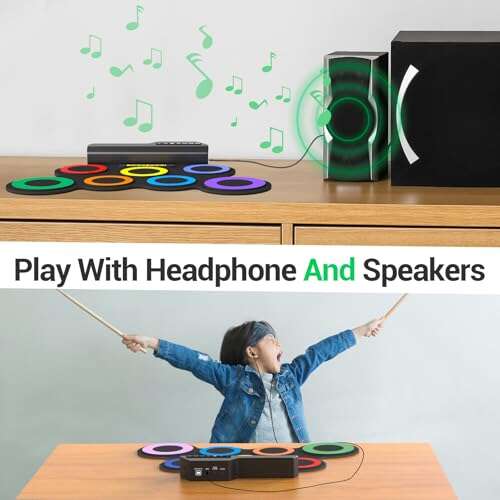
The Donner DED-70 is a strong answer for drummers who need to practice jazz without disturbing the house. It uses quiet mesh pads and offers 150 sounds, USB MIDI, Type-C charging, headphones, sticks, a throne, and two pedals. That bundle gives a beginner a lot of useful gear in one purchase. You can practice ride patterns, snare comping, and foot coordination at a much lower volume than an acoustic set.
An electronic kit cannot fully copy the air, cymbal wash, and small changes of an acoustic jazz drum. Still, it can make daily practice far easier, especially in an apartment or shared home. The MIDI connection also gives you a simple way to record ideas or work with music software. I would choose this as the best drum kit for jazz practice when quiet operation and modern features rank above traditional acoustic tone.
Pros:
- Quiet mesh pads suit apartments and shared homes
- 150 sounds offer broad practice options
- USB MIDI supports recording and music software
- Includes headphones, throne, sticks, and pedals
- Type-C charging adds everyday convenience
- Guided lesson support can help new players stay active
Cons:
- Electronic cymbals do not feel like full acoustic cymbals
- Power and module features add setup complexity
- Not ideal for players seeking natural jazz room sound
My Recommendation
This Donner kit is best for beginners, late-night practice, apartment living, and players who want MIDI tools. It helps solve the biggest practice problem: noise. I would pair it with a focused practice plan that includes swing time, feathered bass-drum work, and quiet brush exercises on a pad. For those needs, it may be the best drum kit for jazz at home because it makes regular practice realistic and convenient.
| Best for | Why |
|---|---|
| Quiet practice | Mesh pads and headphones help lower household noise. |
| Recording ideas | USB MIDI makes it easier to connect with compatible software. |
| New players | The large sound set and included accessories create an easy start. |
VEVOR 5-Piece Full-Size Adult Drum Set

The VEVOR adult drum set gives a beginner a familiar five-piece layout with a 22-inch bass drum, toms, snare, floor drum, cymbal, hi-hat, pedals, throne, and sticks. Its full-size format suits adults who want a standard-looking kit rather than a compact child model. The included adjustable throne helps with basic playing position, which is important for comfort and control. It is a broad starter package for someone who wants to explore several styles.
For jazz, the large bass drum can sound bigger than needed in a small room. You can soften that voice with careful tuning, a lighter beater, and a smaller ride cymbal. The extra tom also gives you more options for fills, though jazz playing usually rewards restraint more than a busy setup. This is not my first choice for the best drum kit for jazz, but it is useful for adult beginners who want one affordable kit for jazz, rock, blues, and practice.
Pros:
- Full-size design fits many adult players
- Five-piece layout offers broad musical range
- Includes cymbal, hi-hat, pedals, throne, and sticks
- Adjustable throne supports a better playing position
- Useful for more than one music style
- Good starting point for learning complete kit coordination
Cons:
- 22-inch bass drum may overpower a small jazz room
- Entry-level cymbals may need future replacement
- Full-size hardware requires more storage space
My Recommendation
I suggest this VEVOR set for an adult beginner who wants a full acoustic kit at a modest cost. It makes sense when jazz is only one of several styles you plan to play. I would use smaller sticks, higher tuning, and a controlled touch to move its sound toward jazz. If you need the best drum kit for jazz and rock in one package, this model gives you more range than a small bop set.
| Best for | Why |
|---|---|
| Adult beginners | The full-size format and adjustable throne suit many adult players. |
| Multi-style practice | The five-piece layout works for jazz, rock, blues, and pop. |
| Complete starter needs | The package includes the main drums, hardware, pedals, and sticks. |
CAPTAIN CHAOWING Kids Jazz Drum Toy

The CAPTAIN CHAOWING set is a toy drum option for young children, not a full musical drum kit. Its light-up jazz theme can make rhythm play feel like a game. For toddlers and children around the listed age range, that first contact with beat and movement can be valuable. A child does not need professional hardware to learn that a steady pulse can be fun.
Parents should set realistic expectations before buying it. This toy will not provide the tuning range, pedal feel, or dynamic response needed for serious jazz study. It can, however, help a child practice hand movement, loud and soft contrast, and simple call-and-response games. I would view it as an early rhythm toy that may lead to a real beginner kit later, not as the best drum kit for jazz performance.
Pros:
- Designed for early rhythm play
- Light-up features can hold a child’s attention
- Jazz theme introduces music in a playful way
- Smaller format suits young users better than adult kits
- Can support simple beat and coordination games
- May encourage interest in a future instrument
Cons:
- Not suitable for serious jazz lessons or performances
- Toy construction cannot match acoustic drum response
- Parents should check fit, sound level, and supervision needs
My Recommendation
I recommend this product only for toddlers and young children who need a playful first step into rhythm. It is best for sensory play, family music time, and basic beat games. If your child is ready for formal instruction, I would move to a small acoustic or electronic practice kit instead. It is not the best drum kit for jazz, but it can be a gentle introduction that makes a later instrument feel familiar.
| Best for | Why |
|---|---|
| Toddlers | The smaller toy format is easier for young children to approach. |
| Early rhythm play | Lights and simple drum actions can make beat practice enjoyable. |
| Music-focused families | It offers a low-pressure way to explore interest before a larger purchase. |
Xkorce Electronic Drum Kit with Mesh Pads

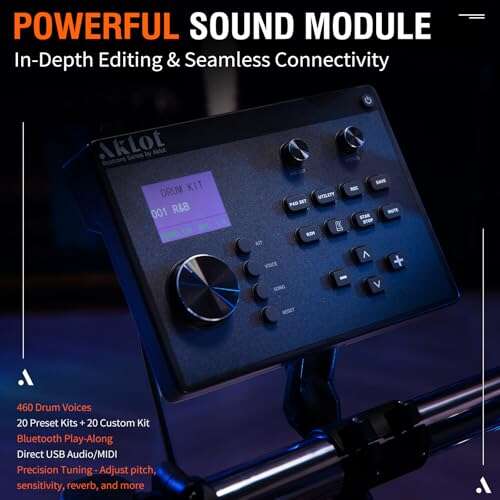
The Xkorce electronic kit targets beginners who want quiet pads, headphones, and a wide selection of sounds. It includes four quiet mesh pads, a 6-inch kick drum, 360 sounds, sticks, and dual Bluetooth support. Bluetooth can make practice more engaging because you can play along with songs or lessons. The compact electronic format also works well when space is limited.
For jazz study, its greatest strength is consistency. You can repeat a ride pattern, metronome exercise, or snare comping drill without setting up a loud acoustic kit. The smaller kick pad may not feel like an acoustic bass drum, so advanced players should treat it as a practice tool rather than a stage replacement. In a quiet home, this can be the best drum kit for jazz fundamentals when convenience keeps you practicing.
Pros:
- Quiet mesh pads are helpful in shared living spaces
- 360 sounds provide many practice voices
- Dual Bluetooth supports play-along practice
- Compact design fits smaller rooms
- Includes sticks and headphones for a quick start
- Useful for rhythm drills and basic recording ideas
Cons:
- Small kick pad may feel less natural than an acoustic bass drum
- Electronic response differs from real cymbal movement
- Sound choices may distract players who need focused practice
My Recommendation
This Xkorce kit is best for a beginner who lives in an apartment, shares walls, or wants music playback during practice. It can help build steady time, four-limb coordination, and basic jazz independence. I would not use it as the only tool for a professional drummer, but it works well beside an acoustic kit. For quiet learning, it may be the best drum kit for jazz in a small home.
| Best for | Why |
|---|---|
| Apartment practice | Quiet mesh pads help reduce the normal impact of acoustic drums. |
| Play-along study | Bluetooth makes it simple to practice with songs and lessons. |
| Small rooms | The electronic layout takes less space than a full acoustic kit. |
Cheerock Retractable Drum Brushes, Two Pairs

Brushes are not a drum kit, but they are one of the most important jazz tools a drummer can own. This Cheerock set includes retractable wire and nylon brushes, giving you two different ways to shape a groove. Wire brushes offer the familiar sweep and soft rasp on a coated snare. Nylon brushes can provide a gentler feel for quiet rooms, practice, and players who want less surface noise.
The retractable design helps protect the bristles during storage and travel. I like having two pairs because a lost brush can stop a rehearsal, and different handles can suit different hands. These brushes will sound best on a coated drumhead with a smooth surface. If you already own the best drum kit for jazz, this small upgrade can unlock more texture, space, and control.
Pros:
- Includes wire and nylon options for varied tone
- Retractable design helps protect the brush ends
- Useful for swing, ballads, and soft accompaniment
- Two pairs provide a practical backup
- Lightweight for gig bags and travel
- Can lower playing volume in small venues
Cons:
- Brush tone depends heavily on the drumhead surface
- Retractable brushes may feel different from fixed models
- They cannot replace sticks for full kit practice
My Recommendation
I recommend these Cheerock brushes for jazz students, lounge players, and anyone learning to sweep rather than simply strike. The wire and nylon choices let you compare two useful textures at a low entry cost. They are especially helpful when your room or band needs a softer voice. While not the best drum kit for jazz by themselves, they can make an affordable kit sound far more suited to the style.
| Best for | Why |
|---|---|
| Brush technique | Different bristle types help you explore sweep and tap sounds. |
| Quiet gigs | Brushes create less attack than standard wooden sticks. |
| Travel backups | Retractable bodies pack neatly in a stick bag. |
White Oak 7A Drumsticks, Four Pairs

Many jazz players begin with 7A sticks because they feel light, quick, and easy to control. This four-pair white oak pack gives you useful backups for rehearsals, lessons, and gigs. A lighter stick can help you play soft ride patterns without forcing the snare or cymbals. White oak also gives the stick a firm feel that some players enjoy when they want a clear bead sound.
Stick choice remains personal, so I would check balance, grip, and tip shape when the pack arrives. Lighter sticks can improve finesse, but they may not suit a very loud drummer or heavy rimshot style. Keep one pair in your case and inspect the others for straightness before an important show. These are a practical match for the best drum kit for jazz, especially when you are building touch and trying to keep volume under control.
Pros:
- 7A size supports light and detailed jazz playing
- Four pairs provide useful value and backups
- White oak offers a firm, responsive feel
- Light weight can help reduce overplaying
- Good for ride patterns, comping, and practice
- Easy to carry in a standard drum bag
Cons:
- Light sticks may not suit loud rock or metal playing
- Natural wood pairs can vary slightly in balance
- Players with a heavy attack may wear them faster
My Recommendation
This pack is best for students, jazz beginners, and working players who want spare 7A sticks on hand. I especially like it for players who tend to hit too hard, since a lighter stick can encourage a softer touch. It is not a drum kit, but it is an inexpensive way to refine the sound of your current setup. Pairing these with the best drum kit for jazz can improve control without requiring a major gear change.
| Best for | Why |
|---|---|
| Jazz beginners | The 7A size supports light, quick strokes and clear control. |
| Backup supplies | Four pairs reduce the risk of arriving at a gig without spare sticks. |
| Quiet playing | The lighter design can help lower impact when used with care. |
White Oak 7A Drumsticks, One Pair

This single-pair 7A pack suits players who want to test a lighter white oak stick before buying several pairs. It gives you a simple way to compare size, balance, and grip with your current drum setup. The 7A profile is often comfortable for jazz ride work, soft snare notes, and quick accents. For a student, one pair can also serve as an affordable first upgrade from thick beginner sticks.
A single pair is less convenient than a bulk pack for regular gigging. Still, it may be the smarter buy if you are unsure about your preferred stick. I suggest playing it on both snare and ride, then checking how your hand feels after a full practice session. With the right touch, this stick can help bring out the detail that makes the best drum kit for jazz sound alive.
Pros:
- Low-commitment way to try a 7A stick
- Light profile suits controlled jazz technique
- White oak provides a solid hand feel
- Useful for snare, ride, and soft cymbal work
- Simple choice for a first stick upgrade
- Easy to add to a small accessory order
Cons:
- Only one pair offers no backup for a performance
- May feel too light for powerful players
- Individual sticks can differ slightly in balance
My Recommendation
I recommend this pair for a new drummer who wants to test 7A sticks without buying a large supply. It is also useful as a spare pair for lessons or home practice. Choose the four-pair option if you already know that this size works for you. For anyone shaping a jazz setup on a budget, this small purchase can support the touch needed from the best drum kit for jazz.
| Best for | Why |
|---|---|
| First stick upgrade | One pair lets you test the size before making a larger purchase. |
| Light jazz technique | The 7A profile supports soft notes and fast, controlled strokes. |
| Lesson bags | The pair gives students a simple backup for regular practice. |
How to Choose the Best Drum Kit for Jazz
Jazz does not demand one fixed drum size, but it rewards a clear and responsive setup. Before buying, think about where you will play, how loud the band is, and whether you need a complete kit. A small bop kit can sound warm and focused in a club. A full-size kit gives more power and range, but it may need more control in a quiet room.
Choose the Right Shell Size
Compact shells often work well for jazz because they speak quickly and do not fill the room with excess low end. A bass drum in the smaller range can leave room for the walking bass and piano. Larger drums can still play jazz, but tuning and touch become more important. I prefer a focused bass drum sound with enough note to support the band, not a long boom that covers it.
Think About the Snare
The snare carries much of a jazz drummer’s conversation. It handles comping, accents, rim clicks, ghost notes, and brush sweeps. Look for a drum that responds well at low volume and does not need a hard hit to speak. A coated head and careful tuning often help more than a flashy shell finish.
Do Not Ignore the Ride Cymbal
Many players spend too much time comparing shells and too little time choosing a ride. In jazz, the ride often acts like the singer. It needs a clear ping, a useful wash, and enough crash color for accents. If a kit includes a basic cymbal, plan for a future ride upgrade. A strong ride can improve the whole sound faster than adding another tom.
Acoustic or Electronic?
Acoustic drums give the most natural cymbal movement, room sound, and dynamic detail. Electronic drums win when noise, space, and recording access matter most. A mesh electronic kit can support timing and coordination, but it cannot fully replace acoustic brush work. If you can afford both, use the electronic kit for daily drills and the acoustic kit for touch, tone, and ensemble practice.
Check What the Box Includes
A shell pack may not include hardware, pedals, cymbals, or a snare. A complete kit usually includes more parts, but the included cymbals may be basic. Read the product details before ordering and make a list of what you already own. This simple step prevents the common mistake of buying a drum set that cannot be played on arrival.
Use the Right Sticks and Brushes
7A sticks can help new jazz players stay relaxed and avoid overpowering the group. Brushes teach a different motion and add a soft texture that sticks cannot copy. I suggest keeping both in your bag. Your best drum kit for jazz should respond to your hands, and the right accessories help you discover that response.
Jazz Drum Kit Setup Tips From Experience
Start with the throne. Your hips should sit slightly above your knees, and your feet should reach both pedals without strain. Set the snare so your hands can move freely without lifting your shoulders. A relaxed body gives you more control than a costly drum does.
Place the ride close enough that you can play it with a small arm motion. Jazz often uses many ride notes, so a far cymbal can create tension over a long set. Keep the hi-hat near your natural left-foot position. Then play a slow swing pattern and listen for even spacing, not speed.
Tune the drums to each other. The exact pitch depends on the shell and head, but the kit should sound like one voice. Remove unwanted ringing only when it distracts from the note. Too much muffling can make a jazz kit feel flat and lifeless.
Practice at three levels: whisper, conversation, and full band volume. Jazz depends on movement between these levels. A good drummer can make a small note feel important and a loud note feel controlled. That range is the real test of the best drum kit for jazz.
Common Buying Mistakes to Avoid
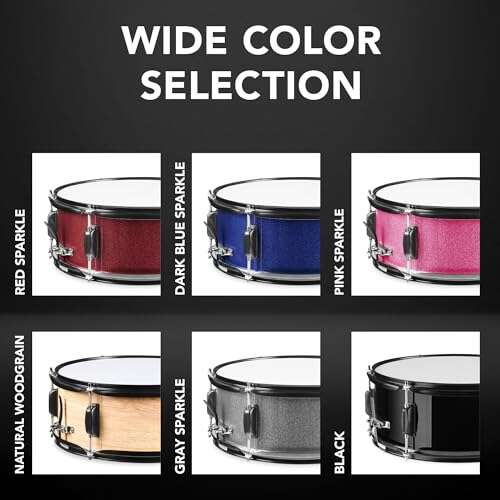
The first mistake is buying only by appearance. A glitter finish may look great, but it does not tell you how the snare responds or how the ride sounds. The second mistake is choosing a huge kit because it appears more complete. More drums do not automatically create better jazz.
Another mistake is ignoring noise. If your kit is too loud for your home, you may practice less. An electronic model may offer more value than an acoustic kit that stays packed away. I always rank regular use above impressive specifications.
Some buyers also forget the stool, pedals, and cymbal stands. These parts affect comfort and timing. Before checkout, confirm the package contents and make a realistic upgrade plan. A clear plan protects your budget and keeps the purchase useful.
FAQs Of best drum kit for jazz
What size drum kit is best for jazz?
A compact bop kit is often the easiest fit for jazz. Smaller bass drums and toms can sound focused and leave more space for the band. A full-size kit can work too, especially for beginners who play several styles.
Can a beginner use a jazz drum kit?
Yes. A beginner can learn on a compact jazz kit or a complete starter set. Choose the kit that fits your room, budget, and lesson plan. Good tuning and relaxed technique matter more than a large number of drums.
Are electronic drums good for jazz practice?
Electronic drums are useful for quiet timing work, play-along practice, and MIDI recording. They do not fully reproduce acoustic cymbal response or brush sound. Use them as a practical practice tool, especially when noise is a concern.