Best Digital Piano For Church: Top Worship Picks
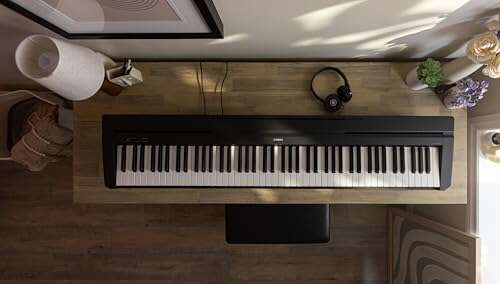
The Yamaha P71 is the best digital piano for church players who need weighted keys, clear tone, and simple control.
A church pianist may face a hard mix of needs: the instrument must sound warm during worship, respond well during soft prayer, and stay strong when the full band joins. It should also be easy to move, simple to set up, and reliable for weekly use. I reviewed these keyboards with those needs in mind. The Yamaha P71 stands out, but the other options may fit a small church, a new player, a youth group, or a tight budget better.
Yamaha P71 Digital Piano

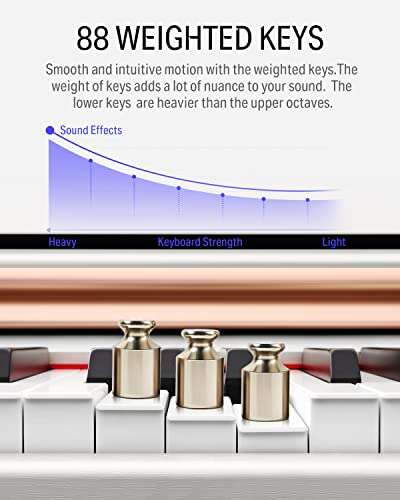
The Yamaha P71 is a focused, no-fuss digital piano with 88 full-size weighted keys. Its Graded Hammer Standard action gives the lower keys a heavier feel and the higher keys a lighter touch, much like an acoustic piano. That makes it a strong match for pianists who lead hymns, modern worship songs, and quiet prayer music. The built-in speakers also make it useful for practice without extra gear.
Yamaha keeps the control panel simple, which matters during a busy service. The Dual mode can layer two sounds, such as piano and strings, for a wider worship pad. The supplied sustain pedal and power adapter help you get started with fewer extra purchases. For most churches, the P71 offers the best balance of touch, tone, size, and long-term trust.
Pros:
- 88 weighted keys support proper piano technique
- Graded action feels natural from bass to treble
- Clear Yamaha piano sound works well in worship music
- Dual mode adds piano and string layers
- Simple controls reduce setup time
- Includes a sustain pedal and power supply
- Compact body is easier to transport than an upright piano
Cons:
- It has fewer voices and features than a full arranger keyboard
- Built-in speakers may need help in a large sanctuary
- The basic sustain pedal is functional but not premium
My Recommendation
I recommend the Yamaha P71 for the main church pianist, worship leader, or music director who wants a real piano feel without a complex menu. It suits churches that already use a mixer, PA system, or stage monitors. The weighted action helps students build good habits, while the simple layout lets volunteers begin playing with little training. If you want the best digital piano for church and do not need dozens of sounds, this is the safest overall choice.
Alesis Recital Play 88-Key Bundle

The Alesis Recital Play gives new church musicians a broad starting point. It has 88 full-size keys, a piano-style playing range, and a bundle aimed at beginners. This is helpful when a church needs one keyboard for lessons, rehearsal, and Sunday service. The full range also lets a player follow standard sheet music without running out of notes.
The Recital Play is more feature-rich than a basic practice piano. Its lesson-friendly design can help children, adult beginners, and volunteer players gain confidence. The included accessories add value because a new player may not yet own a stand, bench, headphones, or music tools. I would place it high on a church shortlist when training matters as much as live performance.
Pros:
- Full 88-key range supports worship and piano lessons
- Beginner bundle reduces the need for separate purchases
- Useful choice for church music education programs
- Portable design works for classrooms and services
- Full-size keys feel familiar to traditional pianists
- Suitable for children, teens, and adult learners
Cons:
- Bundle parts may take extra space in a small room
- It may not feel as refined as Yamaha’s weighted action
- Advanced players may want more stage controls
My Recommendation
The Alesis Recital Play is best for a church that wants a starter package for lessons, youth ministry, or a new worship volunteer. It gives a growing player the full keyboard range and useful accessories in one purchase. I would choose it over a small 61-key model when the church expects the player to study classical pieces or develop long-term skill. It offers good value when a complete beginner setup matters most.
Donner DEP-20 Weighted Digital Piano

The Donner DEP-20 is a practical 88-key digital piano with a furniture-style stand and three-pedal unit. That setup gives it the look and feel of a permanent instrument rather than a keyboard placed on a folding stand. It includes many voices, recording functions, and effects, so a worship player can explore piano, organ, strings, and other sounds. The extra sound choices can help during rehearsals and special church events.
Its weighted keyboard supports a more piano-like response than an unweighted keyboard. The three pedals are useful for players who practice classical music, hymns, or expressive worship arrangements. Because the stand and pedal unit add bulk, this model fits best in a fixed rehearsal room, chapel, or sanctuary corner. It is a good value for a church that wants a home-piano look at a lower cost.
Pros:
- 88 weighted keys offer a full piano playing range
- Furniture stand gives the setup a clean church appearance
- Three-pedal unit supports advanced pedal technique
- Many built-in voices add flexibility for worship teams
- Recording helps players review practice sessions
- Effects can add space to piano and other sounds
Cons:
- The furniture-style design is less portable
- Controls may take time for new users to learn
- Its sound system may not fill a large sanctuary alone
My Recommendation
I recommend the Donner DEP-20 for a church that wants a dedicated piano in one location. It works well in a chapel, music classroom, or worship room where the instrument can stay assembled. The three-pedal setup is a clear advantage for serious learners. If your church needs a stylish home-style instrument with useful sounds and does not move it each week, the DEP-20 provides strong overall value.
61-Key Portable Keyboard Piano
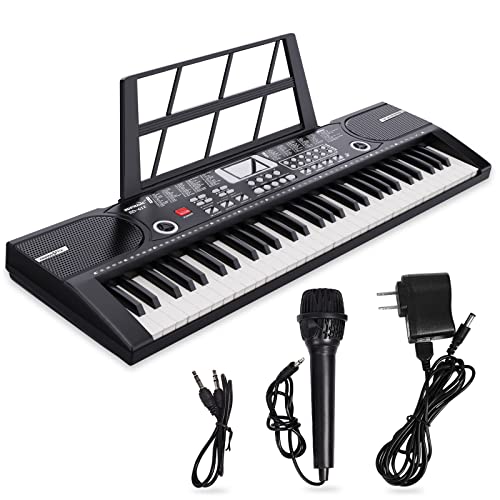
This 61-key keyboard piano focuses on simple learning and easy transport. It includes built-in speakers, a microphone, a sheet stand, and a power supply. That makes it useful for a child, a beginner, or a small ministry that needs an affordable way to add keyboard music. The smaller key count also makes it easier to place on a narrow table or compact stand.
A 61-key keyboard does not provide the full range of an acoustic piano, but it can handle many basic worship chords and melodies. The microphone may appeal to children’s ministry leaders or small group activities. I would not select it as the main keyboard for a skilled Sunday pianist, yet it can serve well as a first instrument or backup. It is a friendly entry point for churches with limited funds.
Pros:
- Portable size suits small rooms and mobile ministry
- Built-in speakers allow quick practice
- Microphone adds value for lessons and group activities
- Sheet stand keeps music visible while playing
- Simple layout is less intimidating for beginners
- Power supply is included for easy setup
Cons:
- 61 keys limit the range for advanced piano music
- Keys are not the same as a full weighted piano action
- It may feel too basic for a main worship platform
My Recommendation
This keyboard is best for children’s church, a beginner class, or a backup instrument. It can also help a new volunteer learn chords before moving to an 88-key piano. I would choose it when price, size, and ease of use matter more than realistic key action. It is not my top pick for the best digital piano for church, but it fills a useful low-cost role.
UISCOM 88-Key Wooden Desk Piano

The UISCOM 88-key wooden desk piano is designed to look at home in a room. Its desk-style body can give a church office, chapel, or teaching space a tidy appearance. The full keyboard and triple-pedal design support players who want a more complete piano setup. It is also a reasonable option for a church that wants to leave an instrument ready for practice.
The wooden desk format is more stable than a light portable keyboard on a basic stand. That stability helps when several students use the piano each week. The triple pedals add control for sustained notes, soft playing, and selected piano techniques. Before buying, I would measure the room and confirm that the fixed-style body fits the church’s layout.
Pros:
- 88 keys provide the full range needed for worship music
- Wooden desk body looks neat and professional
- Triple-pedal system supports expressive piano work
- Stable design suits a permanent practice area
- Good fit for lessons and home-style church rooms
- Full-size layout feels familiar to trained pianists
Cons:
- Desk design is not ideal for frequent transport
- It needs more floor space than a portable keyboard
- Buyers should check room size before ordering
My Recommendation
I suggest the UISCOM wooden desk piano for a church that values appearance and a permanent setup. It fits a chapel, classroom, or fellowship room better than a mobile worship rig. The 88 keys and three pedals make it more useful for serious practice than a compact beginner keyboard. Its value is strongest when the church can keep it assembled and protected between services.
UISCOM 88-Key Semi-Weighted Keyboard

This UISCOM keyboard offers 88 keys in a more portable semi-weighted design. It gives beginners the full note range without the weight and cost of a heavy console piano. That can help a small church move the instrument between a worship platform, classroom, and storage area. Semi-weighted keys also provide more resistance than many basic keyboards.
The model is suited to players who need space to grow but do not yet require advanced hammer action. It can cover chords, melodies, hymns, and simple arrangements across the full keyboard. I see it as a middle ground between a lightweight 61-key keyboard and a more realistic weighted piano. A sturdy stand and proper pedal can make this setup more useful for regular church service.
Pros:
- Full 88-key range supports a wide range of music
- Semi-weighted keys feel more controlled than basic keys
- Portable body works for multi-room church use
- Beginner-friendly option for learning piano patterns
- Offers more room than a 61-key keyboard
- Useful middle choice for budget-conscious churches
Cons:
- Semi-weighted action is not the same as hammer action
- It may need a separate stand or seating setup
- Advanced pianists may want stronger key response
My Recommendation
This UISCOM model is best for a beginner worship player who wants all 88 keys at a modest cost. It also suits churches that move their equipment often but still need a full range. I would select it for basic services, practice, and youth lessons. If realistic piano touch is your first concern, the Yamaha P71 remains a better long-term pick, but this keyboard offers useful flexibility.
Worship Super Easy Songbook

This worship songbook is not a digital piano, but it can make a new church keyboard player much more useful. It presents 60 worship songs with simple right-hand melodies and chords. That format can reduce the fear many beginners feel when they first face a full song sheet. It works well beside an 88-key piano or a small beginner keyboard.
The book can support private practice, youth lessons, and volunteer training. Simple chord patterns also help players learn how worship music is built. I would pair it with the Yamaha P71, Alesis Recital Play, or another full-size keyboard. It cannot replace an instrument, but it can turn practice time into songs the church can use.
Pros:
- Includes 60 worship songs for focused practice
- Simple melodies help beginners start quickly
- Chord format supports modern worship playing
- Useful for adults, children, and church volunteers
- Easy companion for a digital piano purchase
- Can help build confidence before full arrangements
Cons:
- It is a songbook, not a keyboard or piano
- Simple arrangements may not satisfy advanced players
- Song selection may not match every church tradition
My Recommendation
I recommend this book for a beginner who needs a clear path into worship music. It is especially useful for church lessons, home practice, and volunteers who know basic chords but cannot yet read complex scores. Buy it as a learning partner, not as a replacement for the best digital piano for church. Its low cost can add real value to almost any church keyboard program.
61-Key Electronic Portable Piano

This 61-key electronic piano is aimed at beginners who want a compact and simple instrument. Its smaller body is easy to carry to a classroom, small group, or children’s ministry room. It can provide a low-cost way to learn notes, chords, and basic worship patterns. For a church that needs several practice keyboards, the manageable size is a clear benefit.
The main trade-off is range. A 61-key keyboard can handle many beginner songs, but advanced arrangements may require octave changes or compromise. It also does not provide the same piano feel as a fully weighted 88-key model. I would use it as a teaching or backup instrument rather than the central keyboard on a large worship stage.
Pros:
- Compact design is easy to store and transport
- Beginner layout supports basic lessons
- Useful for children’s and small-group ministry
- Lower cost can suit a limited church budget
- Works well as a backup keyboard
- Needs less room than a full-size digital piano
Cons:
- 61 keys limit bass and treble range
- It is not a weighted-action piano
- Experienced worship pianists may outgrow it quickly
My Recommendation
Choose this keyboard for a beginner class, children’s program, or portable backup role. It makes sense when the church needs a small instrument at a low price. I would not use it as the only piano for a trained worship pianist. Still, it can serve as a practical first step before upgrading to the best digital piano for church with 88 weighted keys.
KUMENG 88-Key Weighted Desk Piano

The KUMENG 88-key weighted desk piano gives a church a full-size instrument in a neat console-style form. Weighted keys help the player shape soft verses and strong choruses with better control. The desk body can also make the piano feel like a permanent part of a chapel or music room. This design is appealing when looks and stability matter.
A full keyboard helps players use standard piano books and worship charts without losing low or high notes. The desk format may also keep cables and accessories more organized than a bare keyboard. It is not the best choice for a mobile band, since moving a furniture-style piano takes more effort. For a fixed location, however, it can offer a polished and practical solution.
Pros:
- 88 weighted keys support expressive playing
- Desk design gives a stable, finished appearance
- Full range works for hymns and modern worship
- Good fit for a chapel or teaching room
- Helps students build traditional piano technique
- Console shape can keep a room looking tidy
Cons:
- Less convenient to move than a portable keyboard
- Requires more floor space than a slim stage piano
- Buyers should confirm delivery and assembly needs
My Recommendation
The KUMENG is best for a church that wants a fixed piano with a clean furniture look. It can work in a chapel, office, classroom, or worship room where the instrument will stay in place. The weighted action gives it more appeal for committed learners than a light 61-key keyboard. I would compare its current price and support terms with Yamaha before making the final purchase.
Donner OURA DDP-60 Digital Piano

The Donner OURA DDP-60 combines 88 keys with a full three-pedal setup, 128 voices, eight reverb choices, and recording features. That range gives a church player room to experiment with piano, electric piano, organ, strings, and other textures. The sensitive-touch design can respond to changes in playing force. It is a versatile choice for a worship team that uses more than one basic piano sound.
The included pedals make the OURA DDP-60 feel closer to a complete home piano than a bare keyboard. Reverb can help a player create a larger sense of space during personal practice, though the church’s sound system should control the final room sound. Recording can help worship leaders review chord changes and arrangements. This model offers a strong feature list for its class, but users should spend time learning its controls.
Pros:
- 88 keys provide a complete piano range
- 128 voices offer broad sound choices
- Eight reverb settings support different practice styles
- Three pedals improve expressive control
- Recording helps review songs and ideas
- Sensitive-touch keys respond to playing force
- Useful for worship, lessons, and home practice
Cons:
- Many features may feel busy for a new player
- It is not the lightest option for weekly transport
- Extra voices cannot replace a good church PA system
My Recommendation
I recommend the OURA DDP-60 for a church pianist who wants more sounds and tools than the Yamaha P71 provides. It is a good match for worship teams that layer parts, record rehearsals, or use varied tones for special services. The three pedals also support serious practice. If you enjoy exploring features and can keep the piano in one place, this is one of the strongest value options in the group.
How to Choose the Best Digital Piano for Church
Choosing a church piano starts with the player, room, and sound system. A skilled pianist usually needs 88 weighted keys, while a child’s class may need only 61 light keys. A mobile worship team needs a lighter body, but a chapel may benefit from a stable console design. I always match the instrument to the job before comparing extra features.
Key Action
Key action describes how the keys feel under your fingers. Weighted or hammer-style action feels closer to an acoustic piano and supports better control. It helps a pianist play a soft verse without losing detail, then add strength in a chorus. Semi-weighted keys can work for beginners, but they feel lighter and may not satisfy an experienced pianist.
For most main church use, I prefer 88 weighted keys. They give the player the full range needed for hymns, worship charts, classical study, and rich left-hand bass parts. A 61-key keyboard works better for basic lessons, portable use, or children’s activities. It should not be mistaken for a full digital piano.
Tone and Polyphony
The piano tone should stay clear when the player uses both hands. It should also respond well at low volume. A harsh sound can distract from worship, while a dull sound may disappear under guitars and drums. A good church setup often sends the piano to the PA, so the keyboard’s output and the mixer’s gain settings matter as much as its speakers.
Polyphony is the number of notes a piano can sound at once. Sustain pedals, layered sounds, and long chords use more notes. A higher polyphony number can reduce cut-off notes during rich arrangements. Still, tone quality and key response should come first for a pianist who mainly plays piano.
Speakers and Connections
Built-in speakers help during practice, lessons, and small meetings. They may not be enough for a large sanctuary. Check whether the piano offers useful audio outputs, headphone support, or simple connections for the church sound system. Keep cables away from walkways, and use a stable stand when the keyboard does not include a console body.
Headphone support is useful for late practice. It lets a volunteer rehearse without disturbing an office, classroom, or nearby service. A sustain pedal is also important. Some keyboards include one basic pedal, while others include a three-pedal unit. Confirm what comes in the box before adding the total cost.
Portability and Storage
Church instruments often move more than buyers expect. A keyboard may travel from storage to the stage, then to a classroom. A light 61-key model is easy to carry, but an 88-key piano gives better range and technique. If the instrument moves every week, use a padded bag and a strong stand.
Console pianos look polished and stay stable, but they need a permanent location. Protect any digital piano from spills, dust, direct heat, and damp areas. A simple cover can help keep the keys clean between services. Careful storage often matters more than one extra built-in voice.
Ease of Use
Volunteers need controls they can understand at a glance. A simple piano button, volume control, and sound selector may be better than a deep menu. If several people share the instrument, label the power switch, output cable, and sustain pedal. A short setup guide can prevent rushed mistakes before a service.
Sound for Worship
A church pianist may use more than one tone. Acoustic piano is the main sound, but electric piano, organ, strings, and pads can add color. Layering a piano with strings can make a quiet chorus feel wider. Use these sounds with care. The piano should support the congregation, not compete with the lead singer.
Reverb can add space, but too much reverb makes chords muddy. The worship leader and sound operator should listen from the seats, not only from the keyboard bench. A sound that feels warm to the player may sound too large through the sanctuary speakers. Small changes in volume and tone can make the whole service feel calmer.
Reliability and Support
A church may use its piano every week for years. That makes brand history, warranty terms, seller support, and return rules worth checking. I also recommend reading recent customer feedback for assembly, delivery, pedals, and power supplies. Product details can change, so check the current Amazon listing before ordering.
No online review can replace checking the room and service plan. Measure the available space. Confirm the keyboard’s weight. Ask who will move it, who will connect it, and whether the church PA has the right input. These small steps help prevent an expensive mismatch.
Best Features at a Glance
| Best for | Why |
|---|---|
| Main worship piano | Yamaha P71 offers trusted weighted action and simple controls. |
| Beginner lessons | Alesis Recital Play provides 88 keys and a useful starter bundle. |
| Feature-rich fixed setup | Donner OURA DDP-60 adds voices, reverb, recording, and three pedals. |
FAQs Of best digital piano for church
What makes the best digital piano for church?
Look for 88 weighted keys, a clear piano tone, a sustain pedal, reliable audio output, and simple controls. The right choice also depends on room size, portability, and the player’s skill.
Is an 88-key piano better than a 61-key keyboard for worship?
Usually, yes. An 88-key piano gives the full range and supports proper piano technique. A 61-key keyboard is better for beginners, children’s ministry, tight spaces, or backup use.
Do I need weighted keys for church music?
You do not need them for basic chords, but weighted keys offer better control and a more natural piano feel. They are especially helpful for trained players and students who plan to continue learning.
Can a digital piano connect to a church sound system?
Many digital pianos can connect to a mixer or PA through their audio outputs. Check the exact ports and cables before buying. A sound operator should set the gain and volume to prevent noise or distortion.
Should I buy a piano with many sounds?
Extra sounds help worship teams that use strings, organs, or electric piano tones. If you mainly need an acoustic piano sound, good key action and tone matter more than a large voice list.
Final Verdict: Which Should You Buy?
The Yamaha P71 is my top choice and the best digital piano for church for most players. It offers 88 weighted keys, a clear piano voice, simple controls, and useful portability.
Choose Alesis for beginner training or Donner OURA for more features. Compare current Amazon prices, accessories, and space before ordering the best digital piano for church in 2026.

Senior Music Reviewer
Alex Carter is a seasoned music reviewer with over a decade of experience in the world of sound and instruments. Passionate about helping musicians and enthusiasts make informed choices, he brings sharp insights and in-depth knowledge to every review. From classical instruments to modern gear, Alex combines technical expertise with a love for music to deliver content that resonates with readers.
As a Senior Music Reviewer and expert author on Tuneluma.com, Alex is dedicated to sharing honest evaluations, practical advice, and thoughtful commentary to guide readers in their musical journey.