Is A Guitar A Percussion Instrument: The Real Answer
A guitar is mainly a string instrument, not a percussion instrument, though players can strike its body for percussive sounds.
The question “is a guitar a percussion instrument” has a clear answer, but the details are more interesting. A guitar makes sound through vibrating strings, yet its body, bridge, and strings can also create drum-like effects. Understanding this difference helps you classify instruments correctly, improve guitar technique, and appreciate how modern players blend melody, harmony, rhythm, and percussion.
Is a Guitar a Percussion Instrument?
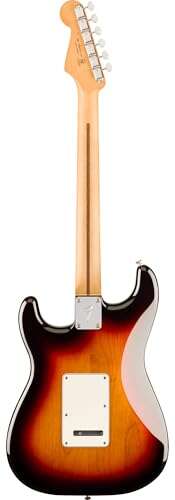
No, a standard guitar is not classified as a percussion instrument. It is a string instrument because its main sound comes from strings that vibrate when a player plucks, strums, or picks them.
The guitar’s hollow body then strengthens and colors those vibrations. In an electric guitar, pickups convert string movement into an electrical signal, which an amplifier turns into sound. In both cases, the strings remain the main sound source.
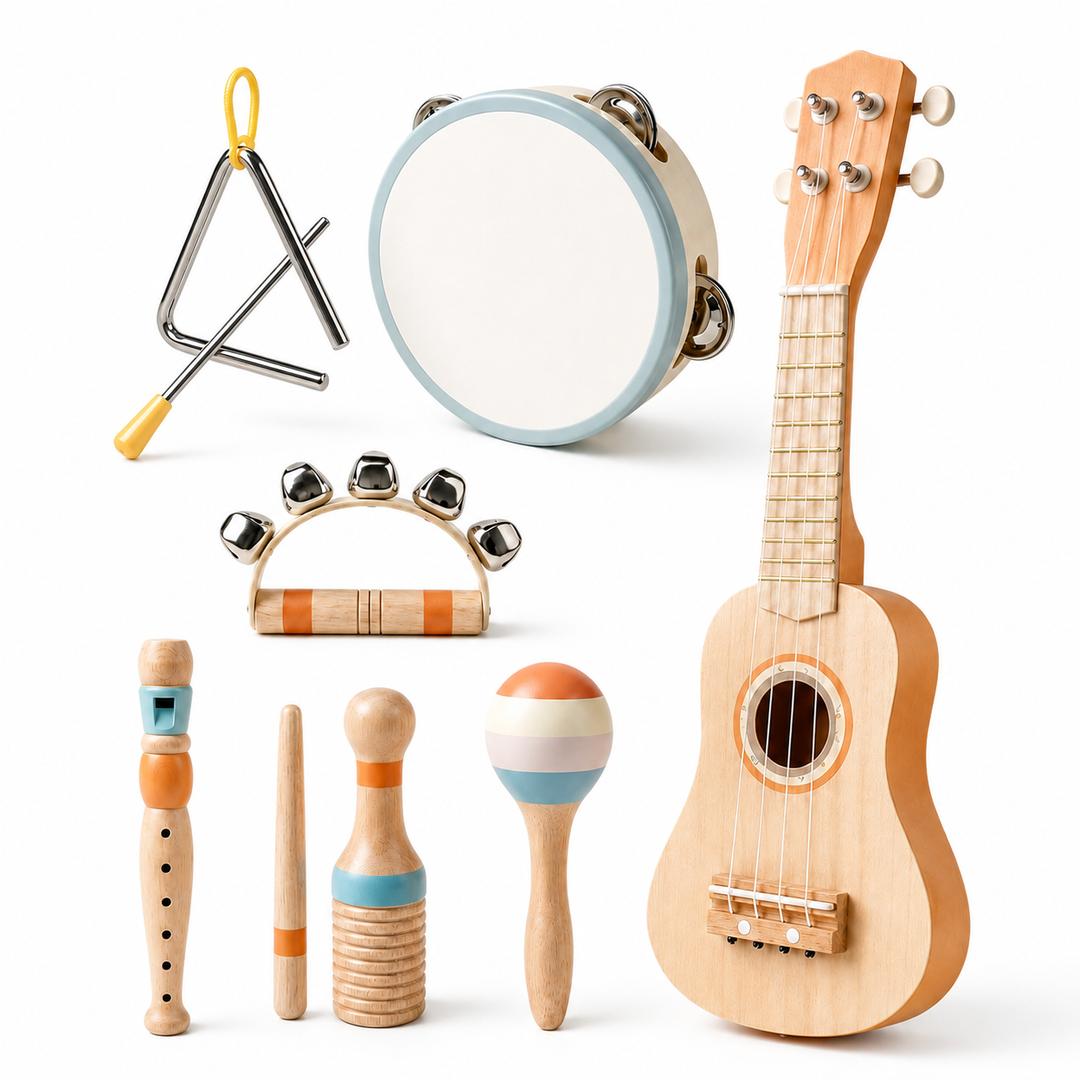
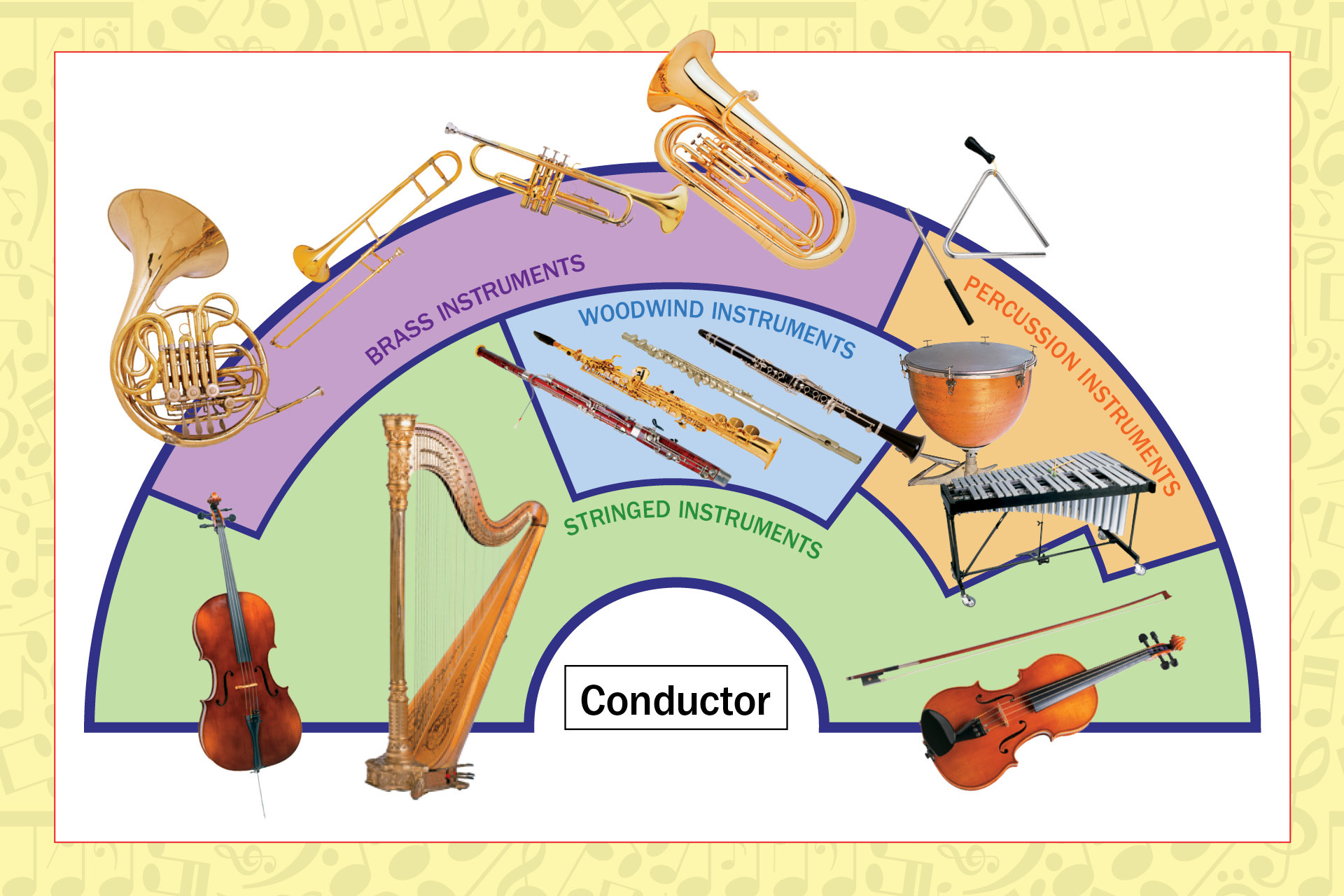
A percussion instrument works in a different way. It creates sound when someone strikes, shakes, scrapes, or otherwise hits an object. Drums, cymbals, tambourines, and xylophones fit this group.
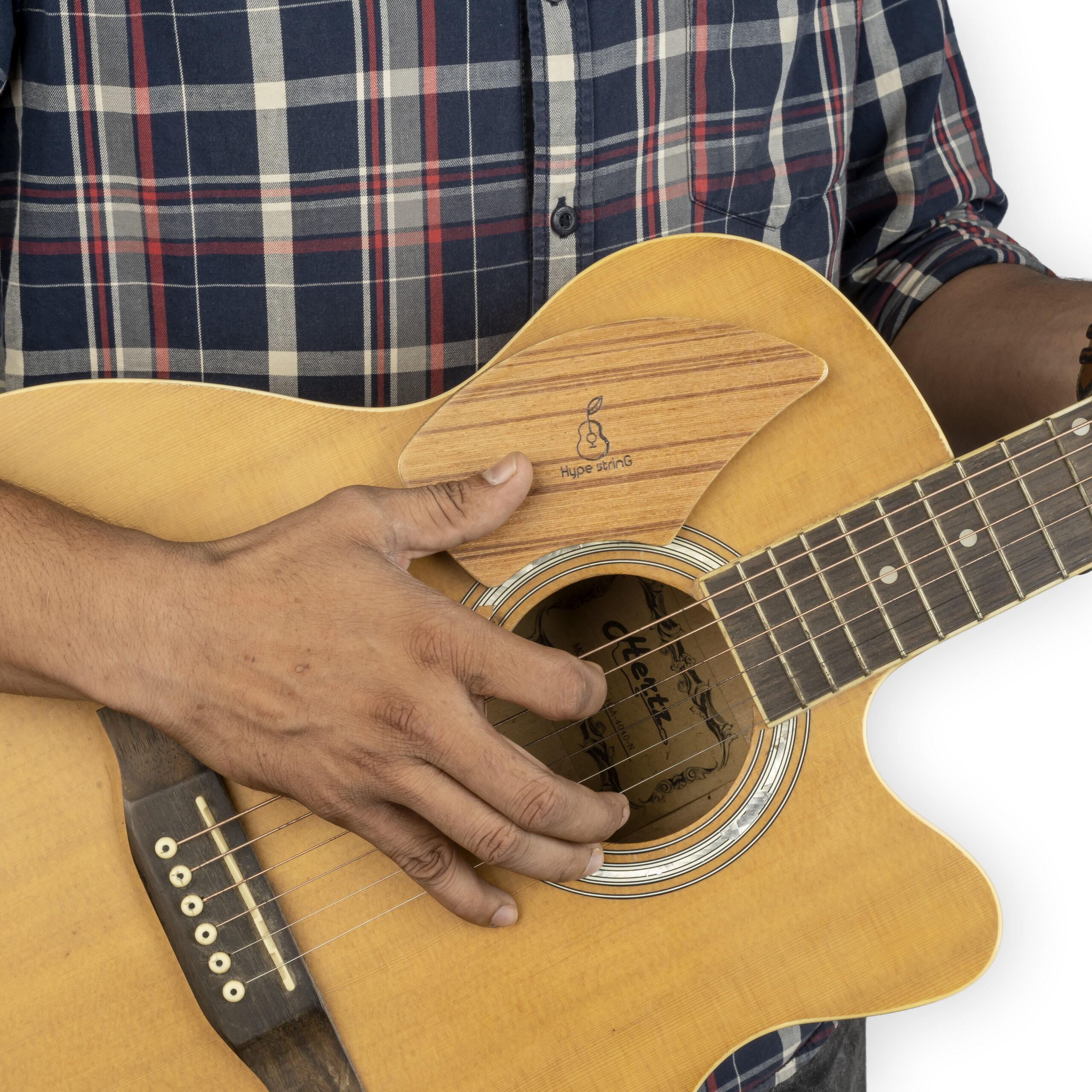
Still, a guitar can produce percussion-like sounds. A player may tap the soundboard, slap the strings, or hit the sides of the body. These actions add rhythm, but they do not change the guitar’s main instrument family.

Why the Guitar Is Classified as a String Instrument
The usual scientific classification system for instruments is the Hornbostel-Sachs system. Under this system, guitars belong to the chordophone family. A chordophone produces sound through one or more stretched strings.
The word “chordophone” comes from the idea of a cord or string making sound. Guitars, violins, harps, banjos, and cellos all belong to this broad group.
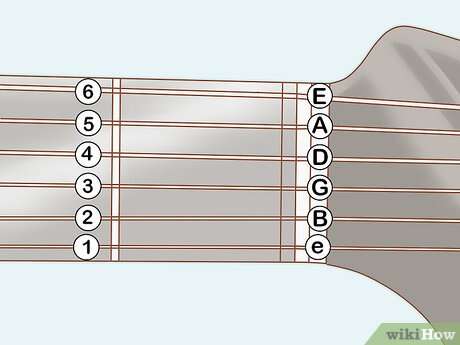
A guitar has several parts that work together:
• Strings vibrate when plucked or struck.
• The bridge transfers string movement to the guitar body.
• The soundboard moves air and increases volume.
• The sound hole helps project sound on an acoustic guitar.
• The pickups sense string movement on an electric guitar.
The player may use a pick, fingers, fingernails, or a thumb. These tools change how the strings vibrate, but the sound still begins with string motion. That is the key reason a guitar is a string instrument.
How a Guitar Makes Sound
When you pluck a guitar string, it moves back and forth. This movement creates waves in the air, which your ears detect as sound.
The string alone is quiet. The guitar body acts like an acoustic amplifier. It receives energy from the bridge and soundboard, then pushes more air outward.
This process is similar to a person speaking through a wooden box that makes the voice louder. The box does not create the original voice. It helps project it.
Acoustic and Electric Guitars
An acoustic guitar uses its wooden body to amplify string vibrations. The shape, wood, bracing, and sound hole all affect its tone.
An electric guitar usually has a solid body and magnetic pickups. The pickups detect changes in the magnetic field caused by vibrating metal strings. An amplifier then increases the signal.
Even though an electric guitar needs electronics, it remains a chordophone. Its primary sound still comes from vibrating strings.
Why Some People Think a Guitar Is Percussion
The confusion often comes from the way guitarists play. A guitar can create rhythm through strumming, palm muting, tapping, and body hits.
For example, a player may strike the guitar’s top near the bridge while playing bass notes with the thumb. This technique can sound like a kick drum and snare pattern at the same time.
The guitar can also act as a rhythmic instrument in a band. A rhythm guitarist may play repeated chord patterns that support the drummer and bassist. However, playing a rhythmic part does not make an instrument a percussion instrument.
This distinction is important:
• Rhythm describes a musical function.
• Percussion describes a method of producing sound or an instrument family.
A piano shows the same idea. Pianists press keys, but the keys activate hammers that strike strings. The piano has a percussive action, yet it is commonly grouped with string instruments because strings create the sound.
Percussive Guitar Techniques
Percussive guitar is a real and popular playing style. It combines traditional guitar work with techniques that imitate drums and other rhythm instruments.
These techniques are common in solo acoustic performances, folk music, flamenco, pop, and modern fingerstyle.
Body Tapping
Body tapping means striking parts of the guitar with the fingers or palm. Players may tap the top, sides, or back of the instrument.
Different areas create different tones:
• The lower bout can make a deep, bass-like sound.
• The upper bout often creates a lighter knock.
• The sides can produce a sharp click.
• The bridge area can add a crisp, snare-like tone.
Use care with this technique. Hard strikes can damage the finish, loosen braces, or crack the soundboard. A guitar is built to handle string tension, not constant heavy blows.
String Slaps
A string slap happens when the player pulls a string slightly away from the fretboard and releases it. The string hits the frets and creates a sharp, rhythmic snap.
This sound works well between bass notes and chords. It can add energy without needing a separate drum.
String slaps are especially useful in funk, pop, blues, and solo acoustic arrangements.
Palm Muting
Palm muting uses the side of the picking hand to soften the strings near the bridge. The result is a short, controlled sound.
On an electric guitar, palm muting can create the tight “chug” heard in rock and metal. On an acoustic guitar, it can produce a soft, drum-like pulse.
Palm muting does not turn the guitar into percussion. It changes the length and tone of a string sound.
Tapping
Tapping uses the fingers of both hands to hit notes directly on the fretboard. The impact starts the string vibrating without a traditional pick or pluck.
Some tapping styles sound smooth and melodic. Others use repeated hits to create fast rhythmic patterns.
Although tapping involves striking the strings, it still produces pitched notes from string vibration. That keeps it within the main sound-making process of a string instrument.
Flamenco Techniques
Flamenco guitar uses rhythmic methods such as golpes. A golpe is a controlled tap on the guitar’s soundboard, often played with a finger.
Flamenco players also use rasgueado, a rapid finger strum that creates a bright rhythmic burst. These techniques show how one instrument can provide melody, harmony, and percussion-like rhythm.
Is the Guitar a Percussion Instrument When You Slap It?
No. Slapping a guitar creates a percussive effect, but the guitar itself remains a string instrument.
Think of it like tapping a violin’s wooden body. The tap makes a knock, but no one would normally reclassify the violin as a drum. Classification depends on the instrument’s primary design and sound source.
The same rule applies to a guitar:
• Plucking creates string vibration.
• Strumming creates several string vibrations at once.
• Tapping the body creates a temporary percussion sound.
• Slapping the strings creates a short rhythmic effect.
A performance can use percussion techniques without changing the guitar’s formal classification.
Guitar, Bass, Piano, and Drums Compared
Comparing related instruments makes the answer easier to understand.
| Instrument | Main sound source | Common family |
|---|---|---|
| Acoustic guitar | Vibrating strings and resonant body | String instrument |
| Electric guitar | Vibrating strings and pickups | String instrument |
| Bass guitar | Vibrating strings and pickups | String instrument |
| Piano | Strings struck by hammers | String instrument with percussive action |
| Drum | Vibrating drumhead | Percussion instrument |
| Xylophone | Vibrating wooden bars | Percussion instrument |
| Violin | Vibrating strings and resonant body | String instrument |
The piano is a useful example because hammers hit its strings. Even so, its sound comes from strings, not from the wooden keys themselves.
A drum has no pitched string system at its center. Its stretched head vibrates after being struck. That difference separates a drum from a guitar.
Can a Guitar Replace a Drum?
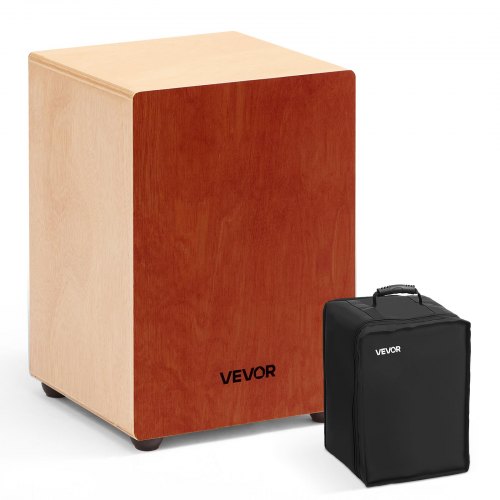
A guitar can imitate some drum sounds, but it usually cannot replace a full drum kit.
A skilled player can create:
• A bass pulse with a low string or body tap.
• A snare effect with a sharp slap.
• A hi-hat-like click by muting and striking the strings.
• A shaker-like texture through rapid muted strums.
This approach works well for solo performances and small acoustic settings. It can make one player sound like a small rhythm section.
However, a guitar has limits. It cannot easily produce the same low-end power, sustained cymbal sound, or wide range of drum dynamics as a full percussion setup.
When I help beginners explore percussive guitar, I suggest starting softly. Many players hit too hard because they expect volume to come from force. Good timing, hand control, and contact point matter more than strength.
Benefits of Using Percussive Guitar
Percussive playing offers several musical benefits.
It Builds Better Rhythm
Body taps and muted strums force you to feel the beat physically. This can improve timing and groove.
A player who struggles to keep steady time may benefit from practicing a simple pattern with one bass note and one tap.
It Supports Solo Performance
Percussive guitar can fill space when no drummer or backing band is present. A single player can provide chords, bass, melody, and rhythm.
This approach is common in street performance, acoustic showcases, and online guitar arrangements.
It Adds Texture
A normal chord can sound plain when repeated many times. Adding a tap, slap, or muted hit creates contrast.
Even a small rhythmic change can make a repeated pattern feel more alive.
It Encourages Creative Arranging
Percussive techniques help players think beyond basic chord shapes. They can arrange a song as a complete piece instead of simply strumming along.
That skill is useful for songwriters, accompanists, and fingerstyle guitarists.
Limitations and Safety Tips
Percussive guitar is useful, but it requires control. A guitar is not a drum, and its body can suffer damage from heavy or careless strikes.
Keep these points in mind:
• Tap near strong areas of the body rather than thin edges.
• Use the fingers instead of a closed fist.
• Avoid hard hits near the bridge and sound hole.
• Check for loose braces, cracks, and buzzing after intense practice.
• Stop if your wrist, thumb, or fingers begin to hurt.
• Practice on a less valuable instrument if you are learning aggressive techniques.
A common beginner mistake is copying a fast performance without learning the hand motion first. Slow practice is safer and often sounds cleaner.
You should also consider your guitar’s construction. A steel-string acoustic guitar, nylon-string guitar, electric guitar, and travel guitar may respond very differently to tapping.

How to Practice Percussive Guitar
Start with a simple four-beat pattern. Use a muted bass note on beat one and a light tap on beat three.
Try this sequence:
-
Rest your picking-hand palm lightly near the bridge.
-
Play a muted low-string hit on beat one.
-
Tap the guitar top softly on beat three.
-
Keep counting evenly from one to four.
-
Add a basic chord only after the rhythm feels steady.
Next, practice alternating a thumb bass note with a finger tap. Keep the movement small and relaxed.
Record yourself with a phone. Listening back can reveal uneven timing that you may not notice while playing.
In my experience working through guitar exercises, the best results come from separating the parts first. Practice the bass, tap, and chord alone. Then combine them slowly. This method prevents the common mistake of trying to learn the entire pattern at full speed.

Frequently Asked Questions About Is a Guitar a Percussion Instrument
Is a guitar officially classified as a percussion instrument?
No, a guitar is officially classified as a chordophone, or string instrument. Its main sound comes from vibrating strings, even when the player adds tapping or slapping.
Why does a guitar sound percussive when tapped?
Tapping the guitar body creates a short vibration in the wood and air. This produces a knock or click that resembles a percussion sound, but it is an added technique rather than the guitar’s primary sound source.
Is an electric guitar a percussion instrument?
No, an electric guitar is still a string instrument. Its pickups detect vibrating strings and send the signal to an amplifier.
Can guitarists play percussion on the instrument?
Yes, guitarists can use body taps, string slaps, muted strums, and other methods to create percussion-like effects. This style is often called percussive guitar.
Is a piano a percussion instrument or a string instrument?
A piano is generally classified as a string instrument because hammers strike strings to create its sound. It also has a percussive playing action, which explains why its classification can seem confusing.
Does strumming make a guitar percussion?
No, strumming does not make a guitar percussion. Strumming activates several strings at once, so the instrument remains a string instrument.
Can a guitar replace drums in a song?
A guitar can imitate some drum sounds and provide strong rhythm, especially in a solo performance. It usually cannot replace the full volume, range, and sustained effects of a drum kit.
Conclusion
So, is a guitar a percussion instrument? No. A guitar is primarily a string instrument because vibrating strings create its main sound. Tapping, slapping, muting, and other techniques can give it a strong percussive voice, but they do not change its formal family.
This blend is what makes the guitar so flexible. It can carry chords, melody, bass, rhythm, and drum-like effects in one instrument. Start with gentle taps, practice with a steady beat, and explore percussive guitar without forcing the instrument.
Try adding one simple body tap to a chord pattern today, then listen to how it changes the groove. For more practical guitar guidance, explore related lessons, practice regularly, and share your favorite percussive technique in the comments.

Senior Music Reviewer
Alex Carter is a seasoned music reviewer with over a decade of experience in the world of sound and instruments. Passionate about helping musicians and enthusiasts make informed choices, he brings sharp insights and in-depth knowledge to every review. From classical instruments to modern gear, Alex combines technical expertise with a love for music to deliver content that resonates with readers.
As a Senior Music Reviewer and expert author on Tuneluma.com, Alex is dedicated to sharing honest evaluations, practical advice, and thoughtful commentary to guide readers in their musical journey.