Best Lap Steel Guitar For Beginners: Top Beginner Picks
The best lap steel guitar for beginners is the Gretsch G5700, with Batking and SX models offering strong budget value.
You may want that smooth Hawaiian slide sound, but a standard guitar can make the first step feel awkward. Your fingers must press strings in a new way, and the tone bar must move with care. A lap steel guitar solves that problem by giving you a flat, stable playing surface and a clear path into slide music. I reviewed beginner-friendly instruments, learning books, and useful accessories to help you find the best lap steel guitar for beginners in 2026.
How to Play Lap Steel Guitar for Beginners

This beginner guide focuses on the skills that matter most at the start. It explains how to hold the bar, pick clean notes, and keep your hand relaxed. The step-by-step format can help a new player avoid the common habit of pressing too hard. It also gives you a clear practice path instead of asking you to guess what to learn next.
I like the focus on musical confidence. Lap steel can sound rich after only a few simple notes, so early progress feels rewarding. The guide also helps connect basic drills with real expression, which is important for blues, country, gospel, and Hawaiian styles. It works well beside a physical instrument when you want a plain-language starting point.
Pros:
- Uses a step-by-step format for new players
- Explains bar control in simple terms
- Supports better picking and finger control
- Helps beginners build practice confidence
- Useful for several lap steel music styles
Cons:
- It is a learning book, not a guitar
- Some players may prefer audio or video lessons
- Advanced players may outgrow the early material
Hal Leonard Lap Steel Guitar Method

The Hal Leonard Lap Steel Guitar Method is a strong choice for learners who like a lesson-book structure. It covers chords, scales, and core techniques in a logical order. The included online audio with 95 tracks gives you examples to hear and play along with. That audio support can make timing and pitch easier to understand.
In my view, this method feels more like a full course than a short tip book. You can study one lesson, listen to the track, and repeat the exercise until it feels natural. The method is especially useful for someone who wants to understand why a tuning or scale works. It may take more patience than a casual song book, but the foundation is better.
Pros:
- Includes online audio with 95 tracks
- Covers chords, scales, and techniques
- Gives practice a clear lesson order
- Helps students hear correct timing
- Good fit for structured self-study
Cons:
- Requires access to online audio
- May feel formal for casual learners
- Does not replace regular instrument practice
How to Play Lap Steel Guitar Step by Step

This step-by-step book takes a practical route through lap steel technique. It covers slide movement, tunings, finger control, and tone development. Those are the areas that often cause frustration when a beginner starts without a plan. The short, direct approach makes it easier to focus on one skill at a time.
I would suggest this guide to a player who wants to create soulful sounds rather than only memorize notes. It can help you understand how pressure, speed, and picking change the voice of each note. The material suits short daily sessions because you can repeat a small exercise many times. A learner may still want recorded examples, but the written roadmap is useful.
Pros:
- Explains tuning in beginner-friendly language
- Builds bar and finger control step by step
- Focuses on tone as well as technique
- Encourages short, repeatable practice sessions
- Helps connect drills with musical expression
Cons:
- Written lessons may not suit visual learners
- Does not include a physical tone bar
- Beginners must supply their own instrument
Batking Sunburst 6-String Lap Steel

The Batking sunburst lap steel gives beginners a dedicated electric instrument at an approachable price. Its six-string layout feels familiar to guitar players, even though you play it across your lap. The slotted headstock adds a classic look, while the sunburst finish gives it a warm, traditional style. The included gig bag makes it easier to store and carry.
This model makes sense for a first-time buyer who wants to start playing without building a large setup. As with many affordable instruments, I would inspect the tuning machines, bridge, and electronics when it arrives. A fresh string setup may improve the playing feel, especially if the strings sit higher or lower than you expect. Used with a clean amplifier and a suitable tone bar, it can provide a pleasant entry into slide playing.
Pros:
- Six-string layout feels familiar to guitarists
- Dedicated lap steel design keeps the instrument stable
- Sunburst finish has classic visual appeal
- Gig bag supports storage and transport
- Offers an affordable path into electric slide
Cons:
- May need setup checks after delivery
- Gig bag protection may be basic
- Usually requires an amplifier and tone bar
Batking Blue 6-String Lap Steel

The blue Batking model offers the same basic appeal as a simple beginner lap steel, but with a brighter finish. Its six-string format gives you enough range for common open tunings and basic melody work. The electric design lets you shape the sound with an amplifier, which can make sustained notes feel more exciting. Its compact form also fits well in a small practice room.
I see this guitar as a good match for a beginner who wants an instrument that looks distinct. Color does not change the sound, but an attractive guitar can make you more likely to practice. Before playing, check the tuning stability and make sure the output connection feels secure. With careful bar movement and light picking, this model can help a new player learn the basics without a large investment.
Pros:
- Distinct blue finish stands out
- Six strings support common beginner tunings
- Compact body works well for home practice
- Electric output allows amp-based tone shaping
- Simple layout is easy to understand
Cons:
- May require initial setup or adjustment
- Accessories may not include every needed item
- Budget hardware may not feel premium
Mr. Power Metal Tone Bar
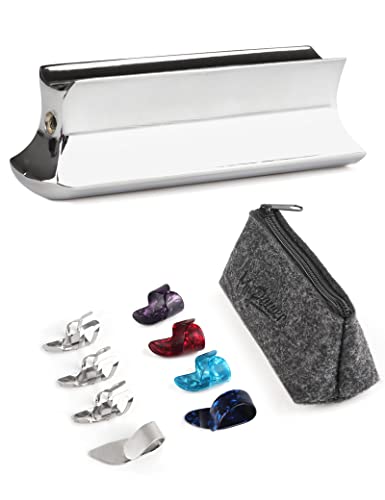
A tone bar is not an optional extra for most lap steel styles. The Mr. Power metal tone bar is made for instruments such as lap steel, Dobro, and Hawaiian guitar. Its solid metal form gives the strings a firm contact point for smooth glides and sustained notes. For a beginner, that simple tool can make the playing position feel much more natural.
I recommend learning with a bar that sits comfortably in your hand. A bar that feels too heavy can tire your wrist, while one that feels too light may not give the tone you want. This accessory can also serve as a low-cost upgrade when a starter package includes a basic or poorly shaped bar. Keep it clean and avoid dropping it on the instrument’s finish.
Pros:
- Made for lap steel and related slide instruments
- Solid metal construction supports clear contact
- Useful for glides and sustained notes
- Affordable way to improve a starter setup
- Compact size makes it easy to store
Cons:
- Does not include a lap steel guitar
- Metal can mark a finish if handled carelessly
- Players must choose the right bar shape for comfort
SX LAP 3 Black Lap Steel Guitar
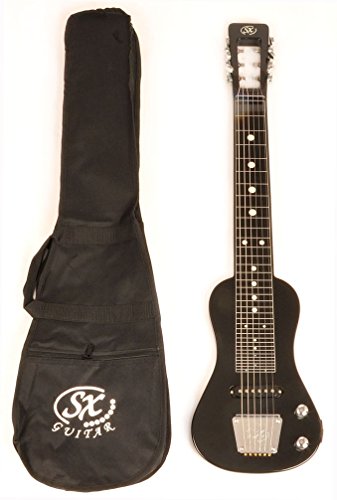
The SX LAP 3 is a clean, simple black lap steel made for players who want a direct start. Its flat body supports the classic lap position, and the included carry bag adds useful convenience. A beginner can place it on a table or across the legs and begin exploring open tunings. The restrained design may appeal to players who care more about function than decoration.
SX instruments often attract first-time buyers because they offer a practical way to try a new style. I would still test each fret marker, string, control, and output jack as part of the first setup. The included bag is helpful for light transport, though I would use extra care during travel. For home lessons, recording experiments, and early slide practice, the LAP 3 can be a sensible value.
Pros:
- Simple black finish suits many players
- Flat body supports a stable lap position
- Carry bag adds immediate convenience
- Good choice for home practice
- Accessible option for first-time buyers
Cons:
- Included bag may offer limited protection
- May need a setup after shipping
- Amplifier and bar may be separate purchases
Gretsch G5700 Electromatic Lap Steel

The Gretsch G5700 Electromatic is the most polished instrument in this group. Its white plastic fretboard and tobacco finish give it a recognizable vintage look. Gretsch designed this type of lap steel for electric slide playing, where a clear pickup signal and controlled sustain matter. It can feel like a more serious long-term purchase than a basic starter model.
This is my leading guitar pick for many beginners because it balances ease of use, style, and room to grow. A new player can use it for simple melodies, then explore blues phrases, country bends with the bar, and richer chord voicings. The instrument still needs an amplifier, cable, and tone bar, so budget for the complete setup. If you want the best lap steel guitar for beginners with a classic identity, the G5700 deserves close attention.
Pros:
- Strong vintage-inspired tobacco appearance
- Clear, focused electric lap steel voice
- Suitable for beginners and developing players
- Offers room to explore many music styles
- Recognizable brand and lasting appeal
Cons:
- Usually costs more than basic starter models
- May not include a gig bag or tone bar
- Needs an amplifier for full electric use
First 50 Songs for Lap Steel Guitar

“First 50 Songs You Should Play on Lap Steel Guitar” gives beginners a practical reason to keep practicing. Songs feel more rewarding than isolated scale drills, especially during the first few weeks. A collection like this can help you learn short phrases, recognize progress, and build confidence with the tone bar. It is a useful companion for a new lap steel guitar.
I like song books because they turn practice into a small musical event. You can begin with one melody and add slides, vibrato, and cleaner picking as your control improves. The difficulty may vary from one song to another, so I suggest starting with the simplest pieces first. This book is not a replacement for a method guide, but it can make daily practice more enjoyable.
Pros:
- Uses songs to keep practice engaging
- Encourages real musical progress
- Helps build melody and bar skills
- Works well with a separate lesson method
- Gives beginners clear practice goals
Cons:
- Some songs may require more skill
- Does not include a physical instrument
- Written notation may need extra explanation
My Recommendation
For most new players, I would choose the Gretsch G5700 Electromatic. It has the strongest blend of build confidence, classic style, and useful long-term potential. If your budget is tight, the Batking sunburst and blue models give you a less costly entry point. The SX LAP 3 is another practical pick for simple home practice.
Your learning tools matter just as much as the guitar. The Hal Leonard method is my top choice for structured study because its audio tracks show how exercises should sound. The other beginner guides suit players who prefer short steps and plain explanations. Add the Mr. Power tone bar, then use the song book to keep your practice fresh.
| Best for | Why |
|---|---|
| Best overall beginner guitar | Gretsch G5700 offers a polished feel, classic design, and room to grow. |
| Best budget starting point | Batking models provide six strings and a simple electric layout at a lower cost. |
| Best structured learning plan | Hal Leonard combines lessons, technique, scales, chords, and 95 audio tracks. |
What Makes the Best Lap Steel Guitar for Beginners?
A lap steel guitar differs from a normal guitar in one key way: you do not fret the strings against the neck. You lay the instrument flat and use a steel bar to change pitch. Your picking hand plucks the strings, while your other hand moves the bar. This design creates the long, singing notes that define lap steel sound.
The best lap steel guitar for beginners should feel stable before it sounds impressive. Look for a flat body that rests well on your legs or a table. The strings should have enough height for bar use, and the fret markers should be easy to see. Clear markers act like road signs while you learn accurate pitch.
A six-string model is often the easiest place to start. It gives you a familiar string count and supports common open tunings. Open D, open G, and C6 are common choices, but each tuning serves a different purpose. I suggest starting with one tuning rather than changing every day.
Important Features to Check Before Buying
Body stability
A lap steel must not slide around while you play. Rubber feet, a broad body, or a comfortable lower edge can help. If the guitar moves, your bar hand must fight the instrument instead of focusing on pitch. Stability may seem small, but it has a major effect on early progress.
Pickup and controls
Electric lap steels use pickups to send the string signal to an amplifier. A clear pickup helps you hear mistakes and small changes in bar pressure. Basic volume and tone controls are enough for most beginners. You can add pedals later, but you do not need a complex rig on day one.
Fret markers
Lap steel fret markers do not work like frets on a standard guitar. They show pitch locations beneath the strings. You still need to place the bar slightly behind the marker for accurate intonation. A bright, easy-to-read fretboard can make this visual skill much easier.
String spacing
Good spacing gives your picking fingers room to work. Strings placed too close together can make clean picking hard for a beginner. Very wide spacing may feel strange if you come from standard guitar. Try to choose a layout that lets your thumb and fingers move without tension.
Tuning stability
Stable tuning saves time and builds trust. If the pitch changes every few minutes, you may blame your bar technique for a hardware problem. Check the tuners, bridge, and nut when the instrument arrives. A fresh set of strings can also need time to settle.
Lap Steel Guitar Accessories Beginners Need
The guitar itself is only part of the setup. You normally need a tone bar, an amplifier, and a cable for an electric lap steel. A tuner helps you set the strings correctly, and a soft cloth keeps the bar and finish clean. Headphones can help if you practice in a shared home, but they require an amplifier or small interface with a headphone output.
Choose a tone bar that feels smooth in your hand. Many beginners grip too tightly because they fear dropping it. Relaxed fingers give you better vibrato and smoother slides. A basic bar is enough at first, so spend money on comfort rather than rare materials.
Your amplifier does not need huge power. A small practice amp can make a lap steel guitar sound full at home. Start with a clean setting and low volume. Too much distortion can hide poor bar control, while a clean tone shows you where to improve.
How I Judge Beginner Lap Steel Guitars
I look at more than a product photo when I compare instruments. I consider how easily a new player can hold the guitar, see the markers, tune the strings, and hear each note. I also check whether the price leaves room for a bar, cable, and amplifier. A cheap guitar is not a bargain if the complete setup becomes hard to use.
I also separate product facts from personal judgment. A listing can confirm the string count, finish, included bag, and stated accessories. It cannot promise that every buyer will receive perfect action or tuning stability. That is why I advise a quick inspection after delivery and a professional setup if the instrument feels difficult.
Brand history matters, but it is not the only factor. Gretsch brings a long musical legacy and a more established name to this list. Batking and SX focus on accessible entry points. For a beginner, comfort and a clear learning plan may matter more than a famous logo.
How to Start Playing Lap Steel Guitar
Place the guitar across your lap with the headstock on your non-picking side. Sit upright and let your shoulders drop. Rest your picking hand near the pickup, then hold the bar lightly above the strings. Do not press the bar down like a normal fretting hand.
Start with one open chord. Pick each string slowly and listen for a clear sound. Move the bar to the next marker, keeping it straight across the strings. If the note sounds sharp or flat, make a small movement rather than a large one.
Next, practice a slow slide between two markers. Pick once, move the bar, and listen to the pitch change. Add gentle vibrato only after you can stop on the correct note. This order keeps the sound clean and prevents nervous hand movement.
Practice for ten to fifteen minutes each day. Short sessions work well because bar control uses small muscles. Stop when your wrist feels tired. A relaxed hand learns faster than a tense hand, much like a loose paintbrush makes a smoother line.
Common Beginner Mistakes
Pressing too hard
The bar only needs enough pressure to contact the strings. Heavy pressure can pull notes sharp and create hand fatigue. Let the bar’s weight do most of the work. If you hear buzzing, first check the bar angle before squeezing harder.
Holding the bar at an angle
The bar should stay close to parallel with the fret markers. A diagonal bar can make some strings sound out of tune. Watch the bar from above while you practice. Slow movement helps your eyes and hand learn the correct path.
Ignoring intonation
Lap steel has no raised frets to stop an incorrect note. You must place the bar where the pitch sounds right. Use a tuner, backing track, or your ear to check each note. Accurate intonation is one of the main skills that separates a clean performance from a rough one.
Changing tunings too soon
New tunings can be fun, but too much change causes confusion. Learn a few chords and melodies in one tuning first. Then move to another tuning with a clear reason. A method book can help you understand what each tuning offers.
Using too many effects
Reverb can make lap steel sound wide and beautiful. Heavy distortion, delay, and compression can also cover mistakes. Begin with a clean amp sound and a small amount of reverb. Build your tone around good bar control, not around effects.
Open Tunings for New Players
Open tuning means the unfretted strings create a chord. Open D is useful for a strong major sound and simple chord movement. Open G works well for blues and roots music. C6 is closely linked with Hawaiian and western swing sounds, though it may take more study.
There is no single correct tuning for every beginner. If you want blues, open D or open G may feel direct. If you like Hawaiian music, C6 may be the better long-term goal. Write down your tuning before practice so you do not forget which notes you are using.
Use a reliable electronic tuner. Tune slowly and check each string twice. When you change pitch by a large amount, the strings may need a short settling period. Never force a tuner past its normal range if the string feels unusually tight.
Electric Lap Steel Versus Acoustic Slide Guitar
An electric lap steel is usually easier to control in a quiet practice setup. It sends a direct signal to an amp and can produce sustain at a modest picking force. An acoustic resonator guitar can sound loud and earthy, but it may demand more control from the right hand. The choice depends on the sound you want.
Electric models also give you more simple tone options. You can use a clean amp for bright notes or add gentle reverb for space. Acoustic instruments offer a natural response and do not need an amp. For most beginners searching for the best lap steel guitar for beginners, an electric model is the more flexible first purchase.
Care and Setup Tips
Wipe the strings after practice. Sweat can speed up corrosion and make the bar feel rough. Store the guitar in its bag or case away from direct heat and damp rooms. Temperature changes can affect tuning and may stress the neck or finish.
Check the output jack and controls from time to time. Crackling may come from a cable, jack, or control, so test one part at a time. If the strings sit too high, a qualified repair shop can inspect the setup. Do not file the nut or bridge unless you understand the correct measurements.
Keep the tone bar separate from the guitar during storage. A loose metal bar can scratch the finish or damage the pickup area. A small pouch is enough for most players. This simple habit protects your investment.
Who Should Buy a Lap Steel Guitar?
A lap steel suits a player who enjoys long notes, smooth slides, and expressive pitch movement. It can be a fun second instrument for a guitarist, keyboard player, singer, or songwriter. It also works for people who find standard fretting uncomfortable. The flat position offers a different physical approach.
It is not the best choice if you want to strum normal open chords in the usual way. You cannot use ordinary guitar chord shapes in the same manner. Still, a learner can understand the instrument quickly with one open tuning and a steady practice plan. The first clear slide can feel like opening a new musical door.
FAQs Of best lap steel guitar for beginners
Is lap steel guitar easy for beginners?
The first notes can come quickly, but accurate pitch takes practice. A stable instrument, one simple tuning, and a good tone bar make the start easier. Practice slowly and listen closely.
What is the best lap steel guitar for beginners?
The Gretsch G5700 is my top overall pick because it offers a polished design and room to grow. The Batking and SX models are useful lower-cost alternatives. Your budget and desired style should guide the final choice.
Do I need an amplifier for an electric lap steel?
Yes, an amplifier lets you hear the electric pickup properly. A small clean practice amp is enough for a beginner. You also need a suitable instrument cable.
What tuning should a beginner use?
Open D and open G are clear starting points for many players. C6 is a good choice for Hawaiian and western swing goals. Pick one tuning and stay with it until the basic notes feel familiar.
Do I need a special slide?
Yes. Lap steel players normally use a solid tone bar instead of a glass or metal slide worn on one finger. The Mr. Power tone bar is one practical accessory to consider.
Final Verdict: Which Should You Buy?
The Gretsch G5700 is my top pick for the best lap steel guitar for beginners. Choose Batking or SX if you need a lower-cost start, and add the Hal Leonard method for guided practice.
Start with one tuning, a clean amp, and short daily sessions. The right lap steel setup can turn simple slides into confident music.

Senior Music Reviewer
Alex Carter is a seasoned music reviewer with over a decade of experience in the world of sound and instruments. Passionate about helping musicians and enthusiasts make informed choices, he brings sharp insights and in-depth knowledge to every review. From classical instruments to modern gear, Alex combines technical expertise with a love for music to deliver content that resonates with readers.
As a Senior Music Reviewer and expert author on Tuneluma.com, Alex is dedicated to sharing honest evaluations, practical advice, and thoughtful commentary to guide readers in their musical journey.