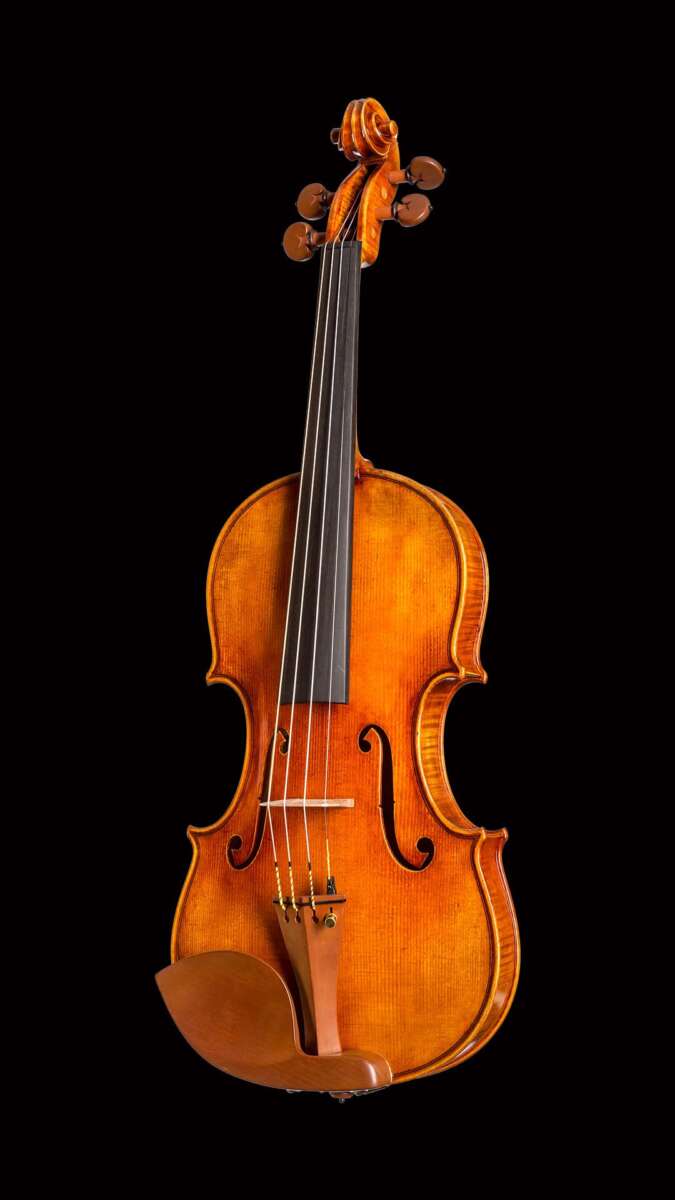
A handmade violin in the United States usually costs about $2,000 to $20,000. A student or emerging-maker instrument may cost less, while a violin by a well-known maker can cost $20,000 to $100,000 or more.
Rare antique Italian violins sit in a different market. Some sell for hundreds of thousands or even millions of dollars. That price reflects age, history, condition, maker reputation, and collector demand—not simply the fact that the violin was made by hand.
For most players, the right budget depends on four things:
- The maker’s skill and reputation
- The violin’s materials and workmanship
- Its sound and setup
- Whether it is new, used, or antique
This guide explains what a handmade violin costs in the US, what you receive at each price level, and how to avoid paying for a label instead of a good instrument.

Handmade violin prices at a glance
The table below gives practical US price ranges. These are market estimates, not fixed industry prices. A violin’s actual value can fall above or below its range.
| Handmade violin type | Typical US price | Best fit |
|---|---|---|
| Student workshop violin | $800–$2,500 | Beginners and early students |
| Better workshop or small-maker violin | $2,000–$6,000 | Serious students |
| New violin by an emerging professional maker | $4,000–$12,000 | Advanced students and performing players |
| Established contemporary maker | $10,000–$30,000 | Professional and advanced players |
| Highly recognized living maker | $25,000–$100,000+ | Professionals and collectors |
| Fine antique European violin | $10,000–$100,000+ | Players and collectors |
| Rare Italian master instrument | $100,000 to several million dollars | Major collectors and elite professionals |
These ranges overlap because price does not always predict sound. A $6,000 violin can suit a player better than a $20,000 violin. The best choice is the instrument that responds well, projects in the needed space, and fits the player’s technique.
What “handmade violin” really means
“Handmade” does not have one strict legal meaning in the US violin market. The term can describe a violin carved mostly by hand in a small shop, or a factory instrument that received some hand finishing.
A true bench-made violin usually involves:
- Hand-carved top and back plates
- Hand-shaped ribs and scroll
- A hand-cut soundpost and bridge
- Individual varnish work
- Final setup by a trained luthier
A luthier is a craftsperson who makes or repairs string instruments. In violin making, the maker often shapes the wood over many weeks or months.
Some lower-cost violins use machine-cut parts. This is not automatically bad. Modern tools can produce consistent results. The key question is how much of the instrument received skilled handwork and how carefully the final setup was done.
Ask the seller:
- Who made the violin?
- Where was it made?
- Which parts were machine cut?
- Who completed the setup?
- Is the violin sold as a maker instrument, workshop instrument, or factory instrument?
A clear answer is a good sign. Vague claims such as “fully handmade” without details should make you cautious.

What changes the cost of a handmade violin?
The largest price differences come from labor, reputation, materials, sound, and resale demand. These factors overlap, so no single feature sets the price.
Maker reputation
A violin by a new maker often costs less than one by a maker with decades of awards, professional players, and auction records. Buyers pay for the maker’s current work, but they may also pay for confidence in the maker’s skill and future support.
A famous name does not guarantee that every violin will suit every player. Sound remains personal. Try the actual violin whenever possible.
Time and labor
A bench-made violin may take hundreds of hours to build, depending on the maker’s process. The price must cover:
- Wood selection
- Plate carving
- Mold and rib work
- Scroll carving
- Assembly
- Varnishing
- Setup
- Repairs and customer support
- Workshop overhead
A low price can mean efficient production, lower labor costs, less established reputation, or a less detailed finish. It does not always mean poor quality. Likewise, a high price does not prove that the violin sounds better.
Wood and materials
Makers often use spruce for the top and maple for the back, ribs, and neck. Older, well-seasoned wood can cost more, especially when it has attractive grain or comes from a respected source.
Material cost is only one part of the price. A skilled maker can produce a strong instrument from ordinary-looking wood, while expensive wood cannot fix poor arching, graduation, or setup.
Varnish
Varnish protects the wood and affects the violin’s appearance. It can also influence how the instrument responds and vibrates.
Hand-applied varnish may require many thin coats and careful drying time. A distressed finish that looks old may require extra work, but visual aging alone does not create the sound or value of an antique violin.
Setup
Setup has a major effect on playability. It includes:
- Bridge shaping
- Soundpost fitting
- Peg fitting
- Fingerboard work
- Nut shaping
- String selection
- Tailpiece and endpin adjustment
Two identical violins can feel very different after different setups. A good setup may make a modest violin easier to play, while a poor setup can hide the strengths of an expensive instrument.
Sound and projection
Players often pay more for a violin that offers a useful mix of:
- Clear tone
- Ease of response
- Volume
- Color across the strings
- Stability under strong bow pressure
- Projection in a hall
These traits are difficult to measure with one number. A bright violin may cut through an orchestra, while a darker violin may blend better in chamber music. Your playing style and performance setting matter.
Provenance and documentation
A violin with a clear maker certificate, purchase history, and repair record may be worth more than a similar instrument with uncertain origins.
Documentation can include:
- A certificate from the maker or recognized specialist
- Original sales records
- Insurance appraisals
- Repair records
- Previous ownership history
A certificate supports an attribution, but it does not replace an in-person examination. Certificates can be mistaken, outdated, or limited in scope.

What can you expect at each price level?
The price range gives a starting point, but the player’s needs should guide the decision.
Under $2,000: entry-level handmade or hand-finished instruments
At this level, many violins are workshop instruments rather than one-person, bench-made violins. Some may be made overseas and finished or set up in the US.
You may find:
- Basic tonewood
- Simple varnish
- Machine-assisted construction
- A standard bridge and string set
- Limited maker documentation
These violins can work for young students, but setup quality matters. Budget for a professional inspection before buying.
$2,000 to $6,000: better student and small-maker instruments
This range often includes improved workshop violins and instruments by newer makers. You may see better wood, more careful arching, and a more responsive setup.
This can be a strong range for:
- Serious students
- High school players
- Adult learners
- Players moving beyond a rental instrument
Do not assume every violin in this range is fully handmade. Read the description and ask who performed the major construction work.
$6,000 to $15,000: advanced student and emerging professional instruments
This is where many players begin to find instruments with more power, color, and refinement. New violins by emerging makers often appear in this range.
A good instrument here may offer:
- More even response across the strings
- Better projection
- More control at different bow speeds
- Improved materials and varnish
- Direct support from the maker
A respected contemporary maker may charge more than a lesser-known maker whose work sounds equally good to you. That difference often reflects reputation and demand.
$15,000 to $30,000: established contemporary makers
Violins in this range may come from makers with strong professional reputations, competition awards, or a history of sales to performing musicians.
The buyer may receive:
- More consistent workmanship
- Better documentation
- Stronger resale demand
- Follow-up service
- A more carefully developed model
At this level, the trial process becomes especially important. A violin should not be purchased from photographs and a description alone.
More than $30,000: recognized makers and collectible instruments
High prices may reflect a famous living maker, a historically important maker, a rare model, or strong collector demand.
At this level, buyers should expect:
- A detailed certificate
- A reliable sales history
- A professional trial period
- A condition report
- Clear return and insurance terms
The price may rise faster than the practical improvement in sound. A collector may value rarity or maker history more than a player does.

New versus used handmade violins
A used handmade violin can offer better value, but condition matters more than age alone. A new violin has no long repair history, while a used violin may already be played in and professionally adjusted.
Benefits of buying new
- Direct contact with the maker
- Known construction history
- Fresh setup
- Warranty or adjustment support
- No hidden repair history, if properly documented
New violins can change as the wood and varnish settle. They may also need setup adjustments after the first period of regular playing.
Benefits of buying used
- Lower price than the original retail cost
- Evidence of how the violin has held up
- Possible playing history
- Access to makers whose new instruments cost more
- A chance to find a strong instrument from an older model
Used violins can have open seams, repaired cracks, neck problems, worn fingerboards, or altered parts. A professional violin shop should disclose major repairs.
A simple used-violin cost example
Suppose a used handmade violin costs $5,500. It may also need:
- New strings: $80–$180
- Bridge adjustment or replacement: $75–$250
- Soundpost work: $75–$200
- Peg work: $100–$400
- Minor repairs: $100–$1,000 or more
The total could exceed $6,000 before you begin regular use. This is why an inspection matters.

Extra costs beyond the violin
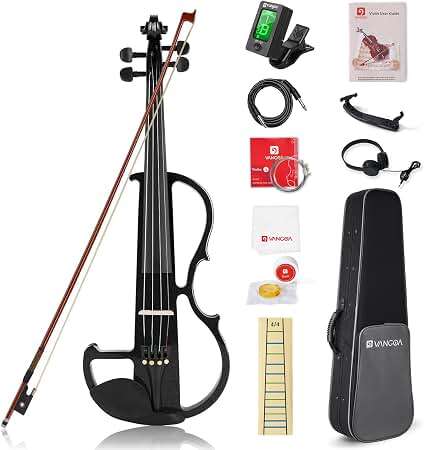
The violin is only part of the purchase. A realistic US budget should include the bow, case, strings, insurance, and future maintenance.
Bow
A usable bow may cost several hundred dollars. Better pernambuco or carbon-fiber bows can cost much more. A professional player may spend thousands or tens of thousands of dollars on a bow.
A strong violin paired with a weak bow may feel less responsive than expected. Test the bow with the violin rather than treating it as an afterthought.
Case
A protective case may cost about $100 to more than $1,000. Look for:
- Firm suspension
- Good humidity protection
- Strong latches
- Comfortable straps
- Space for two bows
- A safe music pocket
A cheap case can expose an expensive violin to impact and temperature changes.
Strings
A full set of quality violin strings may cost roughly $50 to $180, depending on the brand and type. Strings wear out and can change the sound.
Do not judge a violin after testing it with badly worn strings.
Maintenance
Regular costs may include:
- Bridge adjustment
- Soundpost adjustment
- Fingerboard dressing
- Peg maintenance
- New strings
- Cleaning and varnish care
A player who practices daily may need more frequent service than a casual player.
Insurance
Homeowners or renters insurance may not fully cover a valuable violin outside the home. Ask the insurer about a scheduled musical-instrument policy.
Keep:
- The purchase receipt
- Certificate
- Current photographs
- Appraisal
- Serial or identifying details
- Repair records
Insurance requirements vary by company and state.

How to test a handmade violin before buying
A careful trial is more useful than a beautiful label. If you are a beginner, bring a teacher or experienced player.
1. Test the violin in a quiet room
Play long notes on every string. Listen for:
- Uneven volume
- Harshness
- Delayed response
- Weak low strings
- Nasal or metallic sounds
- Buzzes and rattles
The violin should respond without excessive force.
2. Play at different volumes
Try soft, medium, and loud playing. A good violin should offer useful sound at more than one dynamic level.
Listen for whether the tone breaks up when you play strongly. Also check whether the instrument speaks quickly during quiet passages.
3. Test every position
Play scales and short passages in first position, higher positions, and across strings. Check whether the tone remains stable as you move up the fingerboard.
A violin may sound impressive on open strings but become thin or difficult in higher positions.
4. Ask another player to perform
Have someone else play while you listen from several feet away. A violin can sound very different under the ear than it does across a room.
If possible, test it in a rehearsal room or small hall. Projection cannot be judged perfectly in a tiny shop.
5. Compare it with your current violin
Use the same bow, strings when possible, and musical passages. This gives you a more useful comparison than switching between many unfamiliar setups.
Recordings can help, but phone microphones do not capture every detail. Use them as a memory aid, not as the final test.
6. Request a trial period
A trial of several days is better than a rushed purchase. Play the violin at different times and in more than one room.
Ask in writing:
- How long is the trial?
- Who pays return shipping?
- Is there a restocking fee?
- What happens if the violin needs adjustment?
- Is the deposit refundable?
- What condition must the violin return in?
How to inspect a handmade violin
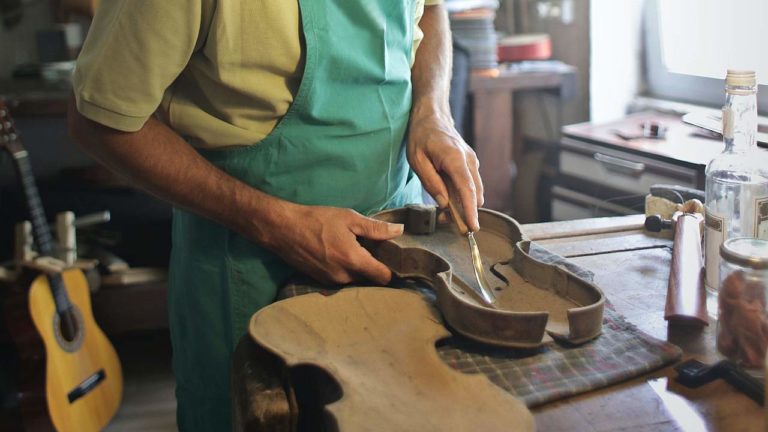
A violin should be inspected by a qualified luthier before you make a serious purchase, especially when the price is high.
Check for:
- Cracks near the bridge, soundpost, and chin rest
- Open seams
- A warped or damaged bridge
- Loose purfling
- A sinking or distorted top
- Neck alignment problems
- Excessive fingerboard wear
- Pegs that slip or stick
- Signs of past water or heat damage
- Unclear repairs
Some repairs are normal and well done. A repaired crack does not automatically make a violin a bad purchase. The important questions are whether the repair is stable, whether it affects sound, and how it changes resale value.
Avoid making your own repairs with glue, household tools, or adhesive tape. Hide glue and violin construction require specific methods. Incorrect repairs can reduce the instrument’s value and make professional restoration harder.

Common mistakes that raise the real cost
The cheapest listed price is not always the cheapest purchase.
Mistake 1: Confusing “handmade” with “master-made”
A handmade violin may come from a factory workshop, a small shop, or a highly respected individual maker. Ask for the maker’s name and construction details.
Mistake 2: Buying by appearance
Flame in the maple and an antique-looking varnish can make a violin attractive. Neither feature proves good sound or high value.
Mistake 3: Ignoring setup
A violin with poor bridge, peg, or soundpost work may sound bad during a trial. Have it evaluated before deciding that the instrument itself is poor.
Mistake 4: Spending the whole budget on the violin
A $10,000 violin with a poor bow and unsafe case may serve you less well than an $8,000 violin with a suitable bow, case, and professional setup.
Mistake 5: Skipping paperwork
Keep the invoice, certificate, trial agreement, and repair records. These documents help with insurance and resale.
Mistake 6: Assuming price equals sound
Price often reflects reputation and scarcity. It does not create a universal ranking of tone. Your teacher or trusted player can help you judge whether the sound fits your needs.

A practical handmade violin budget
Use this sample budget as a planning tool, not as a fixed quote.
| Item | Example cost |
|---|---|
| Handmade violin | $6,000 |
| Bow | $800 |
| Protective case | $350 |
| Initial setup or adjustments | $200 |
| First replacement string set | $120 |
| Sales tax and shipping | Varies |
| Estimated starting total | About $7,470 before tax and shipping |
The biggest variable is the bow. A player may spend $300 or $10,000, depending on skill level and goals.
A useful rule is to reserve 10% to 20% of the instrument budget for related equipment and immediate adjustments. This is not a market rule, but it helps prevent an unrealistic purchase plan.

Is an expensive handmade violin worth it?
An expensive handmade violin may be worth the cost when it gives you a clear improvement in response, tone, projection, or comfort—and when you can afford it without neglecting the bow, case, insurance, and maintenance.
It may not be worth the cost if:
- You cannot test the instrument properly
- The seller cannot explain its history
- The price depends only on vague claims
- The violin needs major undisclosed repairs
- You are buying mainly for investment
- A less expensive violin already meets your playing needs
For most musicians, the best value is not the most expensive violin. It is the instrument that supports better playing and remains financially comfortable to own.
Frequently asked questions
How much should a beginner spend on a handmade violin?
A beginner often does not need a fully bench-made violin. A reliable student instrument may cost about $500 to $2,000, while a better handmade or small-maker instrument may cost $2,000 to $6,000. Renting can make sense while the player is still deciding whether to continue.
Are handmade violins better than factory violins?
Not automatically. A well-made factory violin with a professional setup can outperform a poorly made handmade violin. Compare the actual instruments, not only the construction method.
Why are some handmade violins so expensive?
Prices may reflect labor, maker reputation, limited production, rare materials, certificates, past sales, sound, and collector demand. These factors can raise value even when the improvement is not equally important to every player.
Do handmade violins increase in value?
Some do, but appreciation is not guaranteed. Maker reputation, condition, documentation, market demand, and purchase price all matter. Buy a violin primarily because you enjoy playing it, not because future profit is certain.
Should I buy a new violin from a maker or a used violin from a shop?
A new violin offers direct maker support and a clear construction history. A used shop instrument may offer better value and a more established playing record. In both cases, take a trial and arrange an independent inspection for a costly purchase.
Bottom line
A handmade violin in the US commonly costs $2,000 to $20,000, with professional and collectible instruments reaching far higher. The most useful price range for many serious students and advancing players is about $4,000 to $12,000, but the right amount depends on sound, setup, condition, and playing goals.
Before you buy, compare several instruments, test them with a trusted player, inspect the violin’s condition, and calculate the full cost of the bow, case, strings, tax, insurance, and maintenance.
Your next step is simple: set an all-in budget, then schedule trials at reputable violin shops or directly with established makers.

Senior Music Reviewer
Alex Carter is a seasoned music reviewer with over a decade of experience in the world of sound and instruments. Passionate about helping musicians and enthusiasts make informed choices, he brings sharp insights and in-depth knowledge to every review. From classical instruments to modern gear, Alex combines technical expertise with a love for music to deliver content that resonates with readers.
As a Senior Music Reviewer and expert author on Tuneluma.com, Alex is dedicated to sharing honest evaluations, practical advice, and thoughtful commentary to guide readers in their musical journey.