The best place to buy an acoustic guitar in the United States is usually a local music store where you can play several guitars and have a staff member check the setup. Online retailers can offer more choice and easy price comparisons, while used marketplaces can save money if you know how to inspect an instrument.
Your best option depends on your budget, skill level, need for advice, return needs, and whether you can test the guitar before paying. A first-time buyer may benefit most from a local store. An experienced player may prefer a trusted online retailer or a used instrument from a reputable seller.
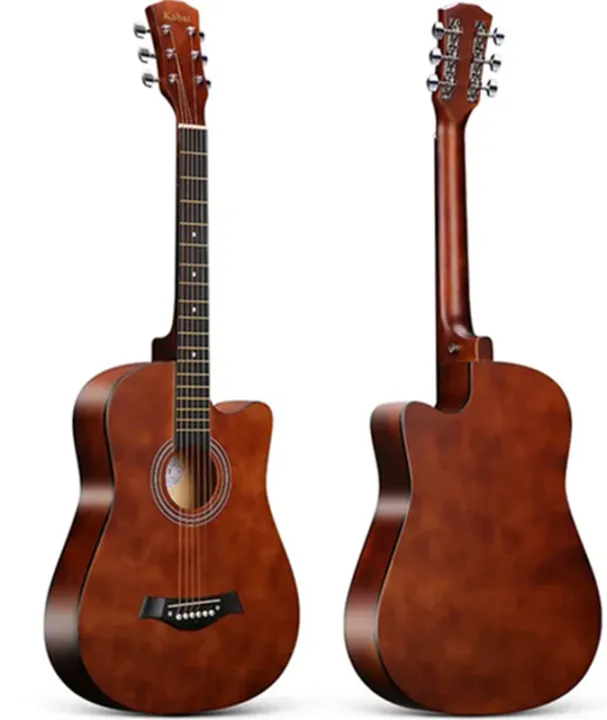
Where Can You Buy an Acoustic Guitar?
You can buy an acoustic guitar from several types of sellers in the U.S. Each one has clear benefits and limits.
| Place to buy | Best for | Main advantage | Main concern |
|---|---|---|---|
| Local music store | New players and hands-on buyers | You can test the guitar and get advice | Smaller selection or higher prices |
| Large music retailer | Wide new-guitar selection | Many brands, models, and price points | Less personal service in some stores |
| Manufacturer website | Specific models and direct orders | Clear model details and warranty terms | You cannot try the guitar first |
| Online guitar retailer | Price comparison and broad stock | Easy shopping and home delivery | Setup and return shipping may vary |
| Used local seller | Bargain hunters | Lower prices and local inspection | Condition can be hard to judge |
| Online used marketplace | Experienced buyers | Rare models and large used inventory | Seller, shipping, and return risks |
| Pawn shop or estate sale | Buyers seeking very low prices | Possible bargains | Limited product knowledge and support |
Local music stores
A local music store is often the safest starting point for a beginner. You can hold the guitar, hear its tone, compare neck shapes, and ask whether the instrument needs a setup.
A store may also adjust the truss rod, saddle, or action before you take the guitar home. “Action” means the height of the strings above the fretboard. Lower action can feel easier to play, but action that is too low may cause buzzing.
A local store may charge more than an online seller. That higher price can include advice, setup work, warranty help, and easier returns. Ask what services are included before comparing prices.
Large national retailers
Large U.S. music retailers often carry many acoustic guitars in one place. They may stock beginner models, solid-top guitars, left-handed models, smaller body shapes, and acoustic-electric guitars.
These stores can make it easier to compare models from several brands. They may also offer financing, online ordering, store pickup, or extended return periods. Read the current policy before buying, since return rules can differ by product and condition.
Online guitar retailers
Online stores are useful when you already know the size, tone, and features you want. They often provide detailed photos, specifications, customer reviews, and model comparisons.
The main drawback is that you cannot judge the individual guitar before delivery. Two guitars with the same model name may still differ slightly in setup, wood appearance, and feel. Check whether the retailer performs a basic inspection or setup before shipping.
Manufacturer websites
Buying directly from a manufacturer can help you confirm that a model is genuine and supported by a U.S. warranty. The product page may list body size, scale length, nut width, electronics, wood type, and finish.
Direct sales do not always provide the best price. They also remove the chance to compare the guitar with several competing models in person. Review the warranty, shipping terms, and return window before placing an order.
Used sellers and marketplaces
Used guitars can offer strong value. A well-kept guitar may cost less than a new one while providing better materials or features than a new guitar at the same budget.
Local classified listings, consignment shops, guitar stores, and established used-gear marketplaces are common sources. Meet in a safe public place when appropriate, inspect the guitar before payment, and avoid sending money through a method that gives you no purchase protection.

Should You Buy an Acoustic Guitar Online or In Person?
Buy in person when you are new to guitars, unsure about body size, or unable to judge neck and fret condition. Buy online when you understand your needs and the seller offers clear specifications, safe payment, and a reasonable return policy.
Buying in person
An in-store purchase lets you test the features that matter most:
- How the neck feels in your hand
- Whether the guitar is comfortable while sitting
- Whether the strings buzz
- Whether the notes play in tune up the neck
- Whether the body feels too large
- Whether the guitar sounds too bright, dark, loud, or soft
- Whether the tuning machines turn smoothly
A store visit also gives you a chance to compare guitars at the same price. Play the same simple chord pattern on each instrument. Then play single notes and a few chords higher on the neck.
Do not feel pressured to choose quickly. A guitar that sounds impressive for 30 seconds may become tiring if the body is too large or the neck does not suit your hand.
Buying online
Online buying works best when you have already played the same model or understand its specifications. Before ordering, confirm:
- The exact model number
- Whether the guitar is new, used, open-box, or factory second
- The return period
- Who pays return shipping
- Whether a restocking fee applies
- What the warranty covers
- Whether the guitar ships with a case or gig bag
- Whether taxes and shipping appear at checkout
The Federal Trade Commission advises consumers to research the seller, understand shipping terms, check refund policies, and use secure payment methods when shopping online. See the FTC’s Online Shopping guidance for general U.S. consumer advice.
A useful middle path
Many buyers use both methods. Visit a local store to learn what body size and neck shape feel right. Then compare the exact model from trusted sellers.
If you order online, choose a retailer with a clear inspection and return process. Keep the box, packing material, receipt, and all accessories until you decide to keep the guitar.

What Should You Check Before Buying?
Check playability, structure, tuning stability, sound, and seller support before you pay. A low price does not help if the guitar needs costly repair.
Check the neck
Look down the neck from the headstock toward the bridge. A small amount of neck relief can be normal. A severe twist, sharp hump, or major bow may signal a problem.
Fret each string at several positions. Listen for buzzing, dead notes, or notes that stop ringing. Some minor buzz can be fixed with a setup, but severe buzzing may point to uneven frets or a neck problem.
Run a finger along the fret ends. They should not feel dangerously sharp or stick out far beyond the edge of the fretboard.
Check the bridge and top
Look closely at the bridge. It should sit firmly against the guitar top without visible gaps or lifting.
Inspect the top for cracks. Small finish lines may not affect function, but cracks through the wood need closer attention. A bridge that is lifting or a top that is badly swollen can require professional repair.
On a used guitar, inspect the area around the bridge, soundhole, and neck joint. These parts carry much of the instrument’s string tension.
Check tuning and intonation
Tune the guitar with an electronic tuner. Play an open string, then play the same note at the 12th fret. The guitar may not be perfectly accurate, but large differences suggest an intonation or setup issue.
Turn each tuning machine. It should move smoothly and hold tension. Loose, slipping, or rough tuners may need repair or replacement.
Check the sound
Listen for balance across the strings. One string should not sound much weaker than the others without a clear reason.
Play softly and loudly. A good guitar should respond to both light and firm playing. The best sound is personal, so do not choose based only on a brand name or a review.
Check acoustic-electric controls
If the guitar has a pickup system, test the output jack and controls. Plug it into an amplifier at a moderate volume. Check the tuner, volume control, tone controls, and battery compartment if the guitar includes them.
An acoustic-electric guitar is not automatically better than a standard acoustic guitar. It is useful if you plan to perform, record, or connect to an amplifier. If you will only play at home, the electronics may not justify a higher price.

How Much Should You Spend on an Acoustic Guitar?
Spend enough to get a stable, playable instrument, but do not assume a higher price guarantees a better fit. For many beginners, the full budget should include the guitar, tuner, strings, strap, picks, and protection.
A simple planning budget may look like this:
| Budget area | What it may cover |
|---|---|
| Guitar | The main instrument |
| Gig bag or case | Protection during storage and travel |
| Tuner | Accurate tuning |
| Picks | Different thicknesses for testing |
| Strap | Standing play |
| Extra strings | Replacement after breakage or wear |
| Setup | Adjustment of action, relief, and intonation |
These are planning categories, not fixed U.S. prices. Costs vary by brand, region, sales tax, shipping, and whether you buy new or used.
Entry-level guitars
An entry-level guitar should still have a straight, usable neck, secure bridge, working tuners, and acceptable fretwork. A basic model can be a good choice for learning if it feels comfortable and stays in tune.
Avoid choosing only by the lowest price. A guitar that hurts your fingers because of poor setup may discourage practice. A modest instrument that plays easily can serve a beginner better.
Mid-range guitars
Mid-range instruments may offer improved materials, better fretwork, stronger consistency, and more refined sound. Solid-top construction is common in this range, though the specific design matters more than the label alone.
A solid top may change tone as the wood vibrates over time, but it also needs sensible storage. Avoid leaving an acoustic guitar in a hot car, near a heater, or in very dry air.
Higher-priced guitars
Higher-priced guitars may use premium woods, detailed construction, upgraded electronics, or skilled finishing. The price can also reflect labor, brand reputation, limited production, and cosmetic detail.
Before spending more, decide what improvement you can actually hear or feel. A costly guitar is not the right choice if its body shape or neck makes playing uncomfortable.

New or Used: Which Acoustic Guitar Is Better?
A new guitar offers clearer warranty and return support. A used guitar can offer more value, but it requires a closer inspection and more care with the transaction.
Benefits of buying new
A new acoustic guitar may provide:
- A manufacturer warranty
- A published model specification
- A clear return process
- No unknown repair history
- Current accessories and documentation
New does not mean flawless. Wood instruments can still need setup work after shipping or changes in temperature and humidity.
Benefits of buying used
Used guitars may cost less and can sometimes provide access to discontinued models. A previous owner may also have already paid for upgrades such as a professional setup, new tuners, or a case.
Ask the seller:
- How long they owned it
- Where they stored it
- Whether it has had repairs
- Whether it has been exposed to extreme heat or dry air
- Whether the neck, bridge, electronics, and finish work properly
- Why they are selling it
Treat vague answers as a reason to inspect more carefully, not as proof of a problem.
Safe used-guitar transactions
For a local sale, inspect and play the guitar before paying. For an online sale, use a payment method with buyer protection and keep all messages and records.
Be cautious when a listing uses stolen-looking photos, has an unusually low price, demands urgent payment, or refuses a reasonable inspection. The FTC’s consumer advice on avoiding scams explains common warning signs in U.S. transactions.

Which Acoustic Guitar Type Should You Buy?
Choose the body type based on comfort, sound, and how you plan to play. The body shape affects volume, bass response, reach, and sitting comfort.
Dreadnought
A dreadnought has a large body and often produces strong bass and volume. It can suit strumming, bluegrass, and players who want a full sound.
Its size may feel bulky to smaller players or people who play for long periods while seated.
Concert and orchestra shapes
Concert, grand concert, and orchestra-style guitars are often smaller than dreadnoughts. They may feel easier to hold and can offer a balanced sound.
These shapes can suit beginners, fingerstyle players, and anyone who values comfort over maximum volume.
Parlor guitars
Parlor guitars have a smaller body and a distinctive feel. They can work well for light strumming, fingerpicking, songwriting, and players who prefer a compact instrument.
A small body does not always mean a quiet guitar. Tone depends on the design, materials, bracing, strings, and player.
Travel and mini guitars
Travel guitars are useful for road trips, small spaces, and younger players. Some use shorter scales, which can reduce reach between frets.
Check the scale length before buying. A shorter neck may feel comfortable, but it can also change string tension and playing response.
Nylon-string guitars
Nylon-string guitars are made for a different playing feel and sound than steel-string acoustic guitars. They are common in classical, flamenco, and some folk styles.
Do not put steel strings on a guitar designed only for nylon strings. The extra tension can damage the instrument.

How Do You Choose Between Solid Wood and Laminate?
A solid-wood top is made from a single piece or matched pieces of solid wood. A laminate top uses layered wood. Both can work well, but they have different trade-offs.
Solid-top guitars often provide more complex tone and may respond well to changes in playing force. They also need more care with humidity and temperature.
Laminate guitars are often less sensitive to ordinary changes in climate and can be practical for travel or casual use. They may also cost less.
The back and sides may be solid wood, laminate, or a mix. Read the full specification instead of assuming that “solid wood” describes the entire guitar.
For most beginners, playability and comfort matter more than choosing between these materials. A well-set-up laminate guitar may be a better purchase than an uncomfortable solid-top guitar.

What Accessories Do You Need With an Acoustic Guitar?
Buy a tuner, spare strings, picks, and a protective bag or case at minimum. Add a strap, stand, humidifier, and maintenance supplies based on how and where you will use the guitar.
Basic accessories
- Clip-on tuner: Helps you tune in a noisy room.
- Spare strings: Useful because strings can break or lose brightness.
- Picks: Try several thicknesses before choosing a favorite.
- Gig bag or hard case: Protects the guitar during transport.
- Strap: Helps if you plan to play while standing.
- Music stand: Keeps lessons and charts at a comfortable height.
Humidity care
Acoustic guitars are made from wood and can react to very dry or damp conditions. A dry home in winter can cause fret ends to feel sharp, cracks to form, or the top to change shape.
A soundhole humidifier may help in a dry environment, but use it as directed. Too much moisture can also harm a guitar. Store the instrument away from direct heat, vents, windows with strong sun, and unheated vehicles.
When the guitar develops a crack, a lifting bridge, or a major change in action, ask a qualified guitar repair technician to inspect it.
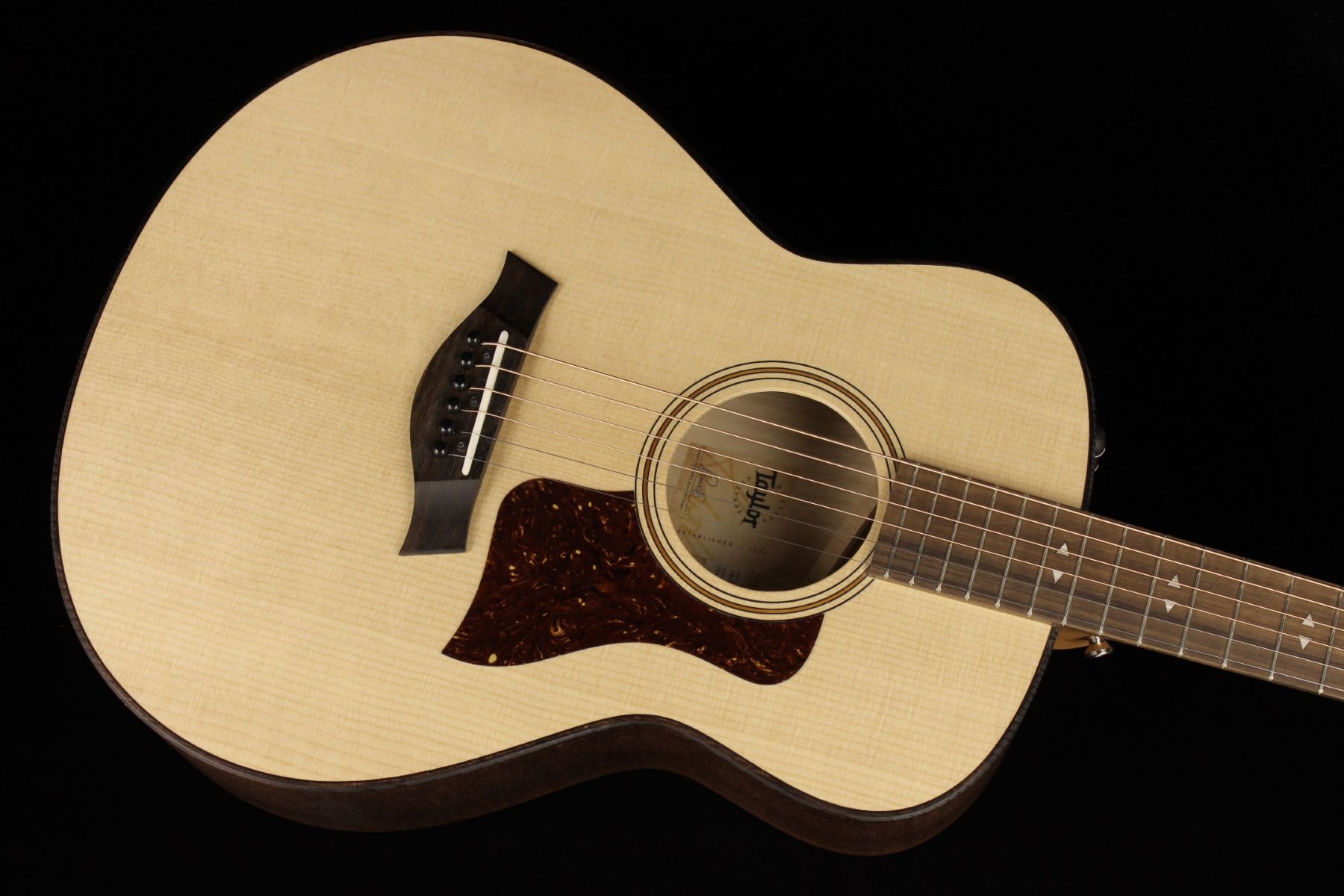
Common Mistakes When Buying an Acoustic Guitar
The most common mistake is buying by appearance or brand alone. A guitar must fit your body, hands, playing style, and budget.
Avoid these errors:
-
Choosing a guitar that is too large.
A large body may sound powerful but feel tiring. -
Ignoring string height.
High action can make a guitar difficult to play. Ask whether a professional setup can correct it. -
Comparing only list prices.
Include tax, shipping, a case, setup work, and return costs. -
Buying used without checking the neck and bridge.
Cosmetic marks are often less serious than structural problems. -
Assuming every online review applies to your guitar.
Reviews describe other buyers’ experiences. They cannot replace checking the individual instrument. -
Putting the wrong strings on the guitar.
Follow the manufacturer’s string recommendations, especially with nylon-string and specialty models. -
Leaving the guitar in a hot vehicle.
Rapid heat changes can damage glue joints, finishes, and wood parts. -
Skipping the return policy.
Read the terms before opening the package or removing protective material.
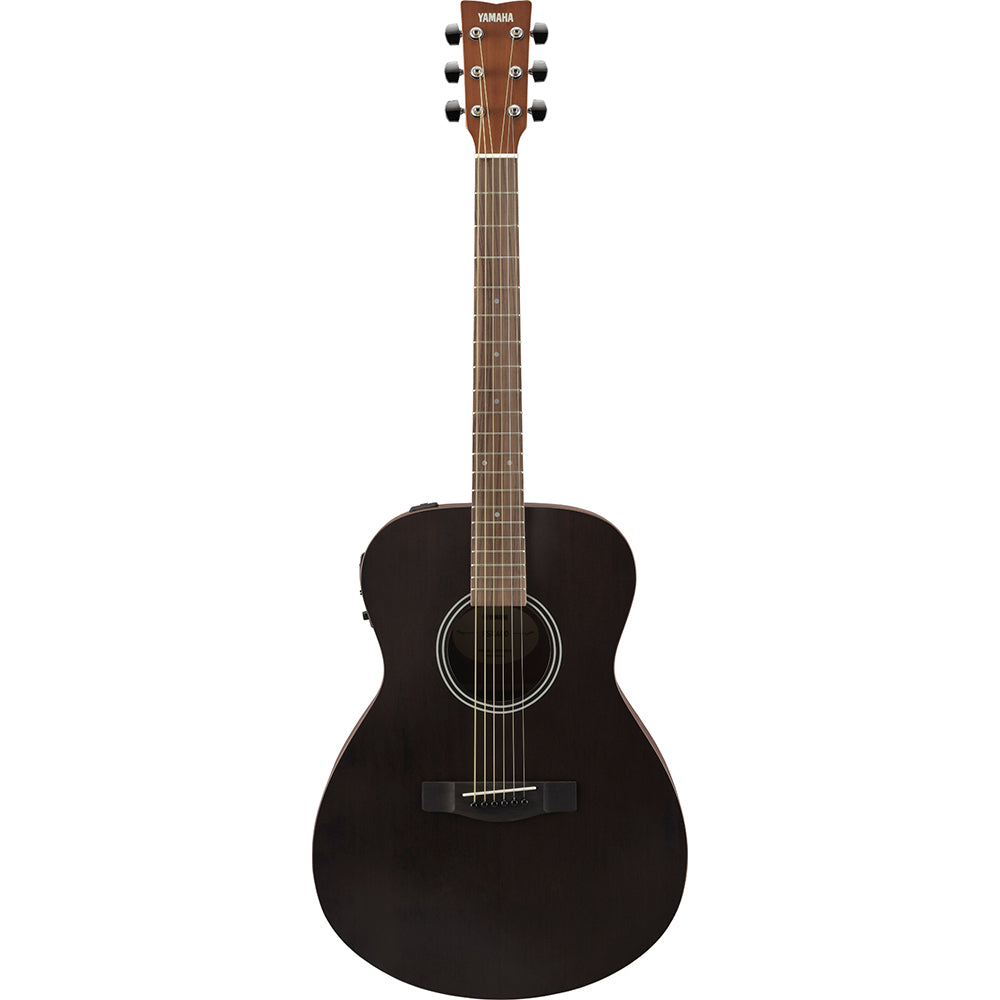
Best Place to Buy an Acoustic Guitar by Buyer Type
The right seller changes with the buyer.
| Buyer | Recommended starting point |
|---|---|
| First-time player | Local music store |
| Parent buying for a child | Local store with a return policy |
| Experienced player | Trusted online retailer or local shop |
| Bargain buyer | Used local store or protected marketplace |
| Left-handed player | Large retailer or specialist online seller |
| Performer | Store where you can test electronics |
| Traveler | Local shop or retailer with strong packing and returns |
| Gift buyer | Retailer with an easy exchange policy |
A beginner should prioritize comfort and support. An experienced player can place more weight on exact tone, wood choice, electronics, or a rare model.

Frequently Asked Questions
Is Guitar Center a good place to buy an acoustic guitar?
It can be a useful place to compare many acoustic guitars in person. The experience may vary by store, staff knowledge, inventory, and setup quality. Test the guitar carefully and ask about the current return and warranty terms.
Is it safe to buy an acoustic guitar from Amazon?
It depends on the seller and the listing. Check who sells and ships the guitar, whether the model is new or used, how returns work, and whether the guitar may be damaged in transit. A specialist music retailer may offer better instrument support.
What is the best acoustic guitar for a beginner?
The best beginner guitar is one that feels comfortable, stays in tune, has a usable setup, and fits the player’s music goals. Body size and playability usually matter more than choosing the most famous brand.
Should a beginner buy an acoustic-electric guitar?
Buy an acoustic-electric model if you expect to perform, record, or use an amplifier. If you will play only at home, a standard acoustic guitar may provide the same learning experience for less money.
Can I return an acoustic guitar after playing it?
Some retailers allow returns after testing, while others charge fees or restrict returns after damage, wear, or removed packaging. Confirm the written policy before purchase and keep the original packing materials.
Final Recommendation
For most people in the United States, start at a local music store and test several acoustic guitars with a trusted friend or teacher. Focus on comfort, neck feel, tuning stability, fret condition, and sound at your normal playing volume.
If the local selection is limited, compare the same models through established online retailers. For a used guitar, inspect the neck, bridge, top, frets, electronics, and seller history before paying.
The best acoustic guitar is not simply the cheapest or most expensive model. It is the one you can play comfortably, maintain safely, and enjoy picking up week after week.

Senior Music Reviewer
Alex Carter is a seasoned music reviewer with over a decade of experience in the world of sound and instruments. Passionate about helping musicians and enthusiasts make informed choices, he brings sharp insights and in-depth knowledge to every review. From classical instruments to modern gear, Alex combines technical expertise with a love for music to deliver content that resonates with readers.
As a Senior Music Reviewer and expert author on Tuneluma.com, Alex is dedicated to sharing honest evaluations, practical advice, and thoughtful commentary to guide readers in their musical journey.