How Much Does It Cost For Guitar Lessons: Pricing Guide
Guitar lessons usually cost $25 to $100 per hour, depending on the teacher, format, location, and experience level.
The real answer to “how much does it cost for guitar lessons” depends on more than the hourly rate. A beginner may find an affordable group class, while an advanced player may need a specialized instructor who charges much more. This guide breaks down typical prices, hidden costs, lesson types, and ways to choose a teacher without wasting money.

Average Cost of Guitar Lessons in the United States
Most guitar students pay between $25 and $100 for a 30-minute or 60-minute lesson. Rates vary by city, teacher experience, lesson format, and the student’s goals.
Here is a general price guide:
• 30-minute private lesson: $20 to $50
• 45-minute private lesson: $35 to $75
• 60-minute private lesson: $50 to $100 or more
• Online guitar lesson: $15 to $60 per session
• Group guitar class: $10 to $35 per person
• Music school lesson package: $150 to $500 per month
• College-level or professional coaching: $100 to $200 or more per hour
These figures are common market ranges, not fixed national prices. A teacher in a small town may charge $30 per hour, while an instructor in New York City, Los Angeles, Boston, or Seattle may charge twice that amount.
When asking how much it costs for guitar lessons, always check the lesson length. A $30 lesson may sound cheaper than a $60 lesson, but it may last only 30 minutes. Compare the price per hour to get a fair result.

What Changes the Cost of Guitar Lessons?
Several factors affect the final price. Understanding them helps you compare teachers fairly and avoid surprises.
Teacher Experience and Training
Teachers with years of performance, teaching, or music education experience often charge more. A professional guitarist who has toured, recorded, or taught at a recognized music school may have a higher rate than a new instructor.
That higher cost can be worthwhile if you need focused help. For example, an advanced student may benefit from a teacher who understands jazz harmony, fingerstyle technique, music theory, or audition preparation.
However, a costly teacher is not always the best teacher. A skilled instructor must also explain ideas clearly and adapt lessons to your pace.
Location
The cost of guitar lessons often rises in areas with high living costs. Local rent, transportation, and demand all influence teacher rates.
In a rural area, you might find lessons for $25 to $40 per hour. In a major city, private lessons may cost $60 to $120 per hour. Online lessons can reduce this difference because you are not limited to teachers in your neighborhood.
Lesson Length
Longer lessons cost more, but they may provide better value for some students.
A 30-minute lesson works well for:
• Young children
• New beginners
• Students with short practice periods
• People with tight schedules
A 60-minute lesson may be better for:
• Intermediate and advanced players
• Songwriting or music theory study
• Exam preparation
• Students who need time for warmups, review, and new material
A 45-minute lesson is often a useful middle choice. It gives enough time for meaningful progress without the full cost of an hour.
Guitar Style
Basic acoustic guitar lessons may cost less than specialized training. A teacher who focuses on classical guitar, jazz improvisation, flamenco, or studio recording may charge more because of the extra expertise required.
The same applies to lesson goals. Learning three-chord songs usually requires less specialized planning than preparing for a conservatory audition.
In-Home Lessons
Some teachers travel to the student’s home. This can be convenient, but the price may include travel time and transportation costs.
In-home guitar lessons often cost $10 to $30 more per session than lessons at the teacher’s studio. Ask whether travel fees are included before booking.

Online Versus In-Person Guitar Lessons
Online lessons are often the least expensive option. They can take place through video platforms, lesson websites, or subscription apps.
In-person lessons usually cost more, but they offer benefits that online lessons may not provide. Your teacher can watch your hand position from different angles, adjust your posture, and demonstrate techniques in the same room.
Benefits of Online Lessons
• Lower average cost
• No travel time
• More teacher choices
• Flexible scheduling
• Easy access to recorded materials
Online lessons work well for motivated students who own a reliable device, have a quiet space, and can practice without constant supervision.
Benefits of In-Person Lessons
• Direct correction of posture and hand position
• Easier communication for young students
• Less distraction for some learners
• Access to an amplifier, piano, or studio tools
• Stronger personal connection with the teacher
For many beginners, in-person instruction can prevent small technique problems from becoming bad habits. Still, a patient online teacher may be more helpful than an unorganized local teacher.
When comparing how much it costs for guitar lessons online and in person, consider the full value. A cheaper lesson is not a bargain if it leaves you confused or unmotivated.

Monthly Guitar Lesson Costs
Many teachers and music schools sell monthly packages instead of individual lessons. Monthly pricing can make budgeting easier.
Common monthly plans include:
• Four 30-minute lessons: $100 to $220
• Four 45-minute lessons: $160 to $320
• Four 60-minute lessons: $220 to $500
• Weekly group classes: $50 to $180
Some schools charge registration fees, material fees, or performance fees. Others offer a discount when students pay for three or six months in advance.
Before choosing a package, ask about cancellations. A low monthly price may not be useful if you lose the lesson fee when you are sick or traveling.
A good package should clearly explain:
• Number of lessons
• Lesson length
• Cancellation policy
• Makeup lesson rules
• Practice materials
• Recital or performance fees
• Whether the teacher remains the same each week
One lesson per week is enough for many beginners. Students who practice often may progress faster with two weekly sessions during a short, focused period.
Additional Costs to Include in Your Budget
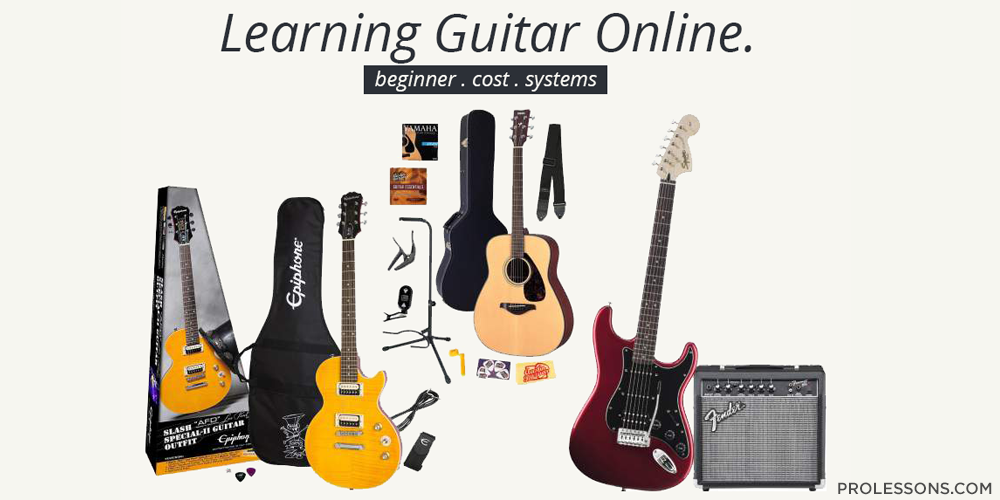
The lesson fee is only part of the cost. New guitar players may also need equipment and learning materials.
Typical extra expenses include:
• Beginner acoustic guitar: $150 to $500
• Beginner electric guitar: $200 to $600
• Guitar amplifier: $80 to $300
• Electronic tuner: $10 to $30
• Guitar picks: $3 to $10
• Extra strings: $6 to $20 per set
• Guitar stand: $20 to $50
• Music books: $10 to $40
• Online learning subscription: $10 to $30 per month
You do not need the most expensive gear to begin. A well-set-up entry-level guitar is usually better than a costly guitar that feels uncomfortable.
A professional setup may cost $50 to $100. This service adjusts the strings, neck, bridge, and action. A setup can make a budget guitar easier to play and may improve your motivation.
Do not buy a large amplifier or many accessories before you know what you enjoy. Start with the basics, then upgrade when your needs become clear.
How Much Do Group Guitar Lessons Cost?
Group guitar classes usually cost less than private lessons. Students may pay $10 to $35 per class, or about $50 to $180 per month.
Group classes can be a good choice for beginners who enjoy learning with others. They also help students build confidence and stay motivated.
The main limitation is less individual attention. A teacher may not have time to correct every student’s finger placement or answer every question.
Group lessons work best when:
• The class has fewer than 10 students
• Students have similar skill levels
• The teacher provides practice material
• The class follows a clear plan
• Students can ask questions during the session
If you have a specific goal, private lessons may offer better value. For example, a student preparing for a music audition needs a lesson plan built around personal weaknesses.

How Much Do Beginner Guitar Lessons Cost?
Beginner guitar lessons commonly cost $25 to $60 per hour. Shorter lessons may cost $15 to $35, while group classes can cost even less.
A beginner teacher should cover basic posture, tuning, chords, rhythm, simple songs, and practice habits. You should not feel pressured to learn complex theory before you can play a few enjoyable songs.
A sensible beginner plan may look like this:
-
Learn how to hold the guitar correctly.
-
Practice tuning and string names.
-
Learn basic open chords.
-
Practice changing between chords.
-
Learn simple strumming patterns.
-
Play two or three complete songs.
-
Add music reading or theory as needed.
The best beginner lesson is not always the cheapest. A good teacher helps you build early confidence. That matters because many students quit when practice feels confusing or painfully difficult.
In my experience reviewing learning plans and common student mistakes, rushing into advanced material causes more frustration than slow progress. The right teacher makes the first month feel clear and manageable.

How Much Do Advanced Guitar Lessons Cost?
Advanced guitar lessons often cost $60 to $150 per hour. Specialist coaching may cost more, especially for jazz, classical performance, session work, music production, or professional auditions.
Advanced students usually pay for targeted expertise. They may study:
• Improvisation
• Chord extensions
• Scales and modes
• Sight reading
• Fingerstyle technique
• Solo construction
• Recording skills
• Songwriting
• Performance preparation
Before paying a premium rate, ask the teacher how they measure progress. An advanced lesson should have a clear purpose, such as improving rhythm accuracy, expanding vocabulary, or preparing a specific performance.
A teacher who only plays songs for you may not provide enough value. You should leave with clear feedback and a practice plan.

How to Choose a Guitar Teacher for Your Budget
Price matters, but it should not be your only test. The right teacher matches your goals, schedule, personality, and learning style.
Use this checklist before booking:
• Read reviews from real students.
• Ask about teaching experience.
• Confirm the teacher’s main guitar styles.
• Request a trial lesson if available.
• Ask how lessons are structured.
• Check the cancellation policy.
• Confirm whether materials cost extra.
• Find out if the teacher offers online or in-person lessons.
• Ask how progress is tracked.
A trial lesson is especially useful. Notice whether the teacher listens to your goals and explains ideas in simple language. You should feel comfortable asking questions.
One common mistake is choosing a teacher based only on impressive performance videos. A great performer may not be a great instructor. Teaching requires patience, planning, communication, and the ability to explain small steps.
The most affordable useful lesson is one that helps you practice correctly between sessions. A clear teacher can save you months of guesswork.
Ways to Lower the Cost of Guitar Lessons
You can learn guitar without spending hundreds of dollars each month. A few practical choices can reduce the total cost.
• Choose 30-minute lessons while you build basic skills.
• Take lessons every other week and practice more between sessions.
• Join a small group class.
• Ask about monthly package discounts.
• Book online lessons with qualified teachers in lower-cost areas.
• Share a lesson with one other student if the teacher allows it.
• Use free practice tools for tuning and rhythm.
• Buy a used guitar from a trusted seller.
• Borrow or rent an instrument before buying.
• Prepare questions before each lesson.
Preparation has a large effect on value. Write down problems during the week so you can address them quickly during the lesson.
Do not cancel lessons just because progress feels slow. Instead, ask the teacher to adjust the plan. Sometimes the problem is not the number of lessons but the lack of focused practice.
How Much Should You Practice Between Lessons?
Most beginners benefit from 15 to 30 minutes of practice on most days. Consistent practice is usually more helpful than one long session each week.
A simple 20-minute practice plan could include:
• Five minutes of chord changes
• Five minutes of rhythm exercises
• Five minutes of a new song
• Five minutes reviewing the previous lesson
Intermediate players may practice 30 to 60 minutes per day. Advanced students often need longer sessions, but quality still matters more than time.
Think of lessons as a map and practice as the journey. Even the best map cannot move you forward if you never walk.
When considering how much it costs for guitar lessons, include the value of guided practice. A teacher can identify problems early, which may save time and prevent poor technique.
Are Expensive Guitar Lessons Worth It?
Expensive lessons can be worth the money when they provide specialized help, strong structure, and useful feedback. They may not be worth it if the teacher does not understand your goals or gives little attention during the session.
Compare the value of each lesson by asking:
• Did I learn a clear skill?
• Did the teacher correct my mistakes?
• Do I know what to practice next?
• Do the lessons match my goals?
• Am I becoming more confident?
A $30 lesson with a clear plan may offer more value than a $100 lesson with no direction. At the same time, a specialist may save an advanced player many hours of trial and error.
Prices also change over time. Teacher demand, local wages, inflation, and studio costs can affect rates. Treat online price lists as estimates, and confirm the current fee directly with the instructor.
Frequently Asked Questions About How Much Does It Cost for Guitar Lessons
How much does it cost for guitar lessons for beginners?
Beginner guitar lessons usually cost $25 to $60 per hour. Group classes and online lessons may cost less, while experienced teachers in major cities may charge more.
Are online guitar lessons cheaper than in-person lessons?
Online guitar lessons are often cheaper because the teacher has lower travel and studio costs. Prices commonly range from $15 to $60 per session, but teacher quality and lesson structure vary.
How many guitar lessons does a beginner need?
Many beginners take one lesson per week for the first three to six months. The exact number depends on practice time, goals, prior music experience, and how quickly the student learns.
Can I learn guitar without paying for lessons?
Yes, free videos, apps, and books can help you learn basic songs. Paid lessons can still be valuable because a teacher corrects mistakes, creates structure, and keeps your practice focused.
Are 30-minute guitar lessons enough?
Thirty-minute lessons are often enough for young beginners or students with limited time. They work best when the student practices regularly between sessions.
Should I pay for guitar lessons monthly or one at a time?
Monthly packages may cost less per lesson, but individual lessons offer more flexibility. Read the cancellation and makeup policies before choosing a package.
Do guitar teachers charge for missed lessons?
Some teachers charge for missed lessons, while others offer makeup sessions with advance notice. Always ask about this policy before you pay for a package.
Conclusion
So, how much does it cost for guitar lessons? Most students in the United States pay about $25 to $100 per hour, with online classes and group lessons often costing less. Your final budget should also include the guitar, accessories, practice materials, and any registration or cancellation fees.
The best choice is not always the lowest price. Look for a teacher who understands your goals, gives clear feedback, and helps you practice with confidence. Compare lesson length, teaching quality, location, and total monthly cost before you decide.
Start with a trial lesson if possible, set a simple practice schedule, and give yourself time to improve. Explore local teachers and online options today, then choose the lesson plan that fits both your budget and your musical goals.

Senior Music Reviewer
Alex Carter is a seasoned music reviewer with over a decade of experience in the world of sound and instruments. Passionate about helping musicians and enthusiasts make informed choices, he brings sharp insights and in-depth knowledge to every review. From classical instruments to modern gear, Alex combines technical expertise with a love for music to deliver content that resonates with readers.
As a Senior Music Reviewer and expert author on Tuneluma.com, Alex is dedicated to sharing honest evaluations, practical advice, and thoughtful commentary to guide readers in their musical journey.