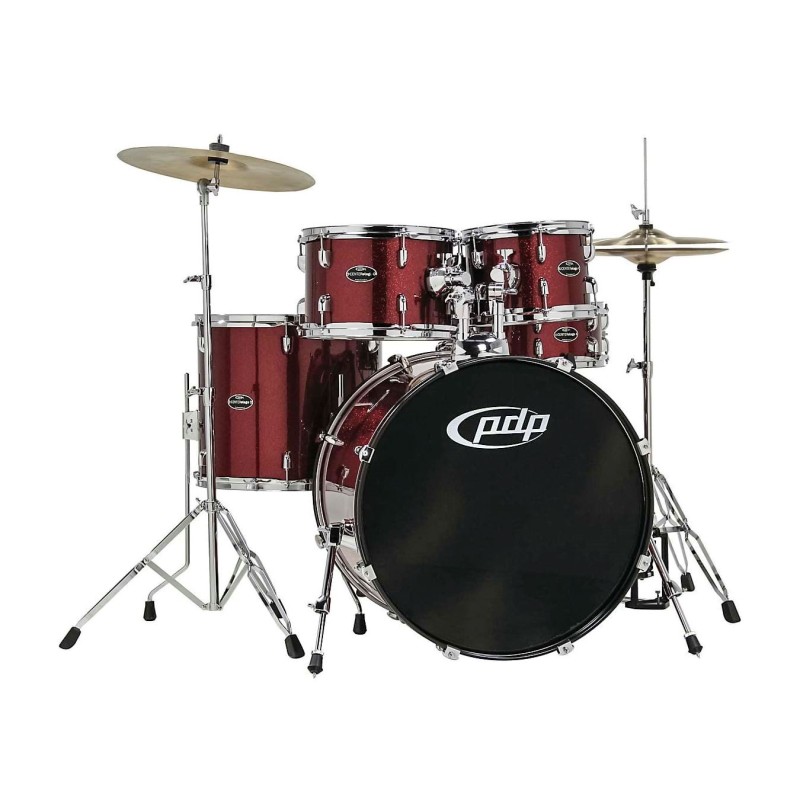
Yes. PDP is a good drum brand for beginners, students, gigging players, and budget-minded drummers who want solid features without DW prices. PDP, short for Pacific Drums and Percussion, is part of the Drum Workshop family, commonly known as DW.
PDP drums are not built to the same level as top DW kits. Still, many PDP models offer good shells, useful hardware, and a sound that works well for rock, pop, worship, country, jazz, and school bands in the United States. The best value usually comes from the Concept Maple, Concept Birch, and Concept Classic lines.
The short version is simple: PDP is better than a basic starter brand, but model choice matters. A higher PDP kit can serve an advancing drummer for years. An entry-level kit may need better heads, cymbals, and hardware before it feels stage-ready.

Who Makes PDP Drums?
PDP is a drum brand owned by Drum Workshop, Inc., the California company behind DW Drums. DW launched PDP to offer more affordable drums and hardware to a wider range of players.
That relationship matters, but it needs context. A PDP drum is not automatically a less expensive DW drum. PDP uses its own designs, shell choices, hardware, and production methods. DW’s name gives PDP strong design influence and quality control, but PDP remains a separate product line.
In practical terms, PDP sits below DW in price and features. It competes with brands such as:
- Tama
- Pearl
- Yamaha
- Mapex
- Gretsch
- Ludwig
- Sonor
PDP kits are usually aimed at the beginner-to-intermediate market. Some models can also work for working musicians who want a second kit, a rehearsal kit, or an affordable stage setup.

What Makes PDP Drums Good?
PDP drums are good because they offer a useful balance of sound, construction, hardware, and price. They are not the cheapest drums available, but they often provide more room to grow than very basic starter kits.
1. Shell options are better than on many starter kits
PDP offers drum sets with different shell materials. Common choices include:
- Maple: Often gives a warm, full sound with a strong low end.
- Birch: Often produces a focused attack and clear tone.
- Poplar or mixed woods: Common on lower-cost kits and designed to keep prices down.
- Mahogany-style or hybrid shells: May provide a deeper or darker sound, depending on the model.
The shell wood alone does not decide whether a drum sounds good. Bearing edges, shell construction, drum size, heads, tuning, room acoustics, and microphone placement all matter.
Still, a well-built maple or birch PDP kit can sound very good after proper tuning. In many cases, new drumheads produce a larger improvement than moving from one mid-priced brand to another.
2. PDP uses practical hardware features
Many PDP kits include features that make setup easier. Depending on the model, these may include:
- Low-mass or redesigned lugs
- Die-cast or triple-flanged hoops
- Adjustable tom mounts
- Threaded tension rods
- Suspension-style tom mounting
- Tube-style rack hardware
- Matching snare drums
These features are useful, but they vary by series. A PDP Concept kit may have more advanced hardware than an entry-level PDP kit.
3. PDP drums are easy to upgrade
a PDP kit can improve a great deal with a few simple changes:
- Replace worn factory heads.
- Tune each drum carefully.
- Add better cymbals.
- Upgrade the snare wires if needed.
- Replace weak stands or pedals later.
This makes PDP a practical choice for a growing drummer. You can buy a complete kit first and improve the parts that limit the sound.
4. The brand has broad support in the US
Because PDP is part of the DW family, its drums and hardware are widely recognized in American music stores. That can help with replacement parts, resale, and repair.
Availability still depends on the model and year. Older PDP kits may use different parts from current kits. Before buying a used drum, check the exact model and confirm that replacement lugs, tom brackets, hoops, and tension rods are still available.

PDP Drum Series Compared
The PDP name covers several levels of drums. Comparing the series is more useful than judging the brand as a whole.
| PDP series or type | Typical buyer | Main strengths | Main limits |
|---|---|---|---|
| PDP beginner kits | New drummers and students | Complete setup, low entry cost | Basic cymbals, heads, and hardware |
| PDP Concept Maple | Intermediate players and gigging drummers | Warm shell tone, strong upgrade path | Costs more than entry-level kits |
| PDP Concept Birch | Players who want attack and clarity | Focused sound, useful for amplified music | May sound less warm than maple |
| PDP Concept Classic | Players seeking a vintage look and sound | Rounder styling and character | Less flexible for every modern setup |
| PDP specialty kits | Players with a specific setup need | Compact or unusual configurations | Smaller market and fewer used examples |
| PDP snare drums | Players upgrading a kit | Affordable way to change the main backbeat sound | Results depend heavily on heads and tuning |
The Concept Maple and Concept Birch lines are usually the safest starting points for an advancing drummer. The choice between them comes down to sound and use.
Choose maple if you want a warmer, broader tone. Choose birch if you want a sharper attack and more focused sound. Neither is automatically better.
How Does PDP Compare With Other Drum Brands?
PDP is competitive with other mid-priced drum brands. The better choice depends on the exact kit, not only the logo on the badge.
PDP vs. Tama
Tama is known for strong hardware and a wide range of acoustic kits. Tama may be the better choice if hardware strength is your top concern. PDP may appeal more if you like DW-inspired designs or find a better local deal.
PDP vs. Pearl
Pearl offers many beginner and intermediate kits, along with broad parts support. Pearl can be a strong option for school use and long-term service. PDP often stands out through its shell options and styling.
PDP vs. Yamaha
Yamaha drums often have clean construction and consistent hardware design. Yamaha is a strong choice for players who value simple, reliable engineering. PDP can offer similar value, especially when a Concept kit is discounted.
PDP vs. Mapex
Mapex often provides strong features at a competitive price. PDP and Mapex are close competitors in the intermediate market. Compare the exact shell type, included hardware, snare, and condition.
PDP vs. Ludwig or Gretsch
Ludwig and Gretsch offer their own classic sounds and designs. PDP may provide more modern features for the money, while Ludwig or Gretsch may better suit a player who wants a specific traditional tone.
The most useful comparison is not “Which brand is best?” Ask instead:
- What shell material does the kit use?
- Are the tom mounts stable?
- Are the cymbals usable?
- Does the kit include a good snare?
- Is the hardware strong enough for travel?
- Can you find replacement parts?
- Is the used kit in good condition?

Are PDP Drums Good for Beginners?
PDP drums are good for beginners, but not every PDP kit is equally good for a first-time player.
A complete PDP starter package can make sense when the buyer needs drums, stands, a pedal, and cymbals in one purchase. It is easy to set up and gives a new drummer everything needed to begin practicing.
However, low-cost packages often include basic cymbals and drumheads. Those parts may limit the sound more than the shells do. A beginner should not assume that a more expensive shell pack includes every item needed to play.
Before buying, check whether the package includes:
- Bass drum
- Bass drum pedal
- Snare drum
- Snare stand
- Hi-hat stand
- Hi-hat cymbals
- Crash cymbal
- Ride cymbal
- Tom holders
- Floor tom legs
- Drum throne
- Drumsticks
Many kits do not include all of these items. Some sellers also show cymbals in product photos even when the cymbals are sold separately.
For a beginner, a used PDP kit can be a smart buy if the shells are sound and the hardware works. A used mid-level kit may offer better value than a new entry-level kit.

Are PDP Drums Good for Gigging and Recording?
PDP drums can work for gigs and recordings when the kit is set up and maintained well. The main limits are usually hardware, included cymbals, and the condition of the kit.
For live playing, check the following:
- The bass drum spurs lock firmly.
- The tom mounts do not slip.
- The floor tom legs stay tight.
- The snare throw-off works smoothly.
- The cymbal stands do not wobble.
- The bass drum pedal has no major side-to-side play.
- The shells have no cracks or loose plies.
For recording, shell brand matters less than many players expect. Drum choice, head selection, tuning, room sound, microphones, and performance all shape the final track.
A PDP Concept Maple or Concept Birch kit can record well. A lower-cost PDP kit can also record well after new heads and careful tuning. If the cymbals sound harsh, upgrading the cymbals may help more than replacing the entire kit.
PDP is a reasonable gigging choice for local shows, church services, rehearsals, and regular band work. For heavy touring, inspect the hardware closely and consider carrying spare tension rods, felts, washers, and a backup snare head.
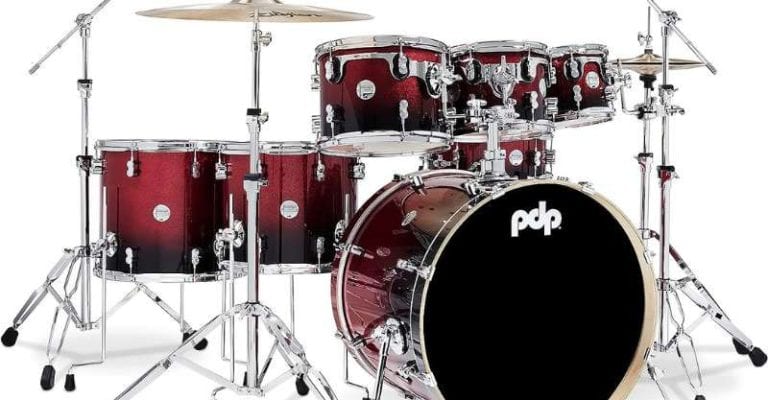
What Are the Main Problems With PDP Drums?
PDP drums are not perfect. The main weaknesses vary by model, but buyers should watch for basic hardware, average factory heads, and inconsistent used-market condition.
Factory drumheads may be the first weak point
Stock heads on less expensive kits are often chosen to keep the package price low. They may sound thin, dull, or difficult to tune.
New batter heads can make a major difference. Common choices include two-ply heads for controlled sound and single-ply heads for more openness. The right choice depends on the style and the drum size.
Included cymbals may sound basic
Entry-level cymbals often produce more unwanted overtones than intermediate cymbals. This does not mean the PDP shells are poor. It means the complete package has a low-cost part that may need replacement.
Upgrade the cymbals when possible. A small set of good cymbals can improve the whole kit more than cosmetic upgrades.
Hardware can be model-specific
Some PDP hardware is strong enough for normal use. Other entry-level parts may feel light under frequent transport. A drummer who plays several shows each week should examine stands, pedals, clamps, and tom mounts before committing.
Used kits may have hidden wear
A used PDP kit can be a bargain, but inspect it carefully. Look for:
- Cracks near the lug holes
- Damaged bearing edges
- Bent hoops
- Missing washers
- Rust on tension rods
- Loose inserts
- Stripped wing nuts
- Broken tom brackets
- Warped cymbals
- Bass drum spur damage
A missing small part is not always a deal breaker. A damaged bearing edge or cracked shell can be expensive to fix.
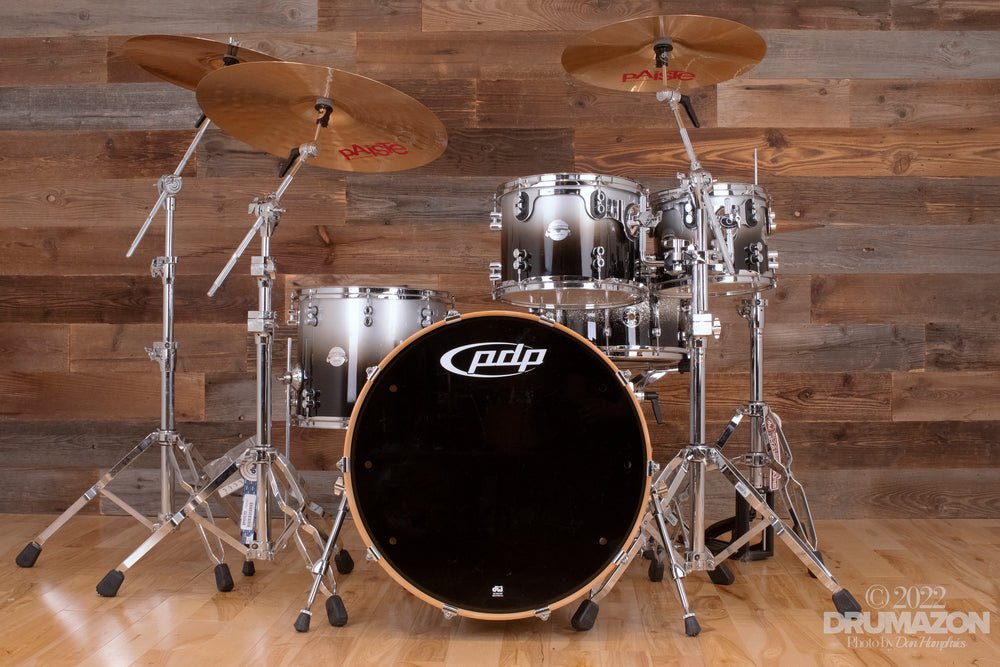
How Much Should You Spend on a PDP Drum Set?
The right budget depends on whether you need a complete kit or only shells.
A shell pack may include drums but exclude cymbals, stands, pedals, and a throne. A complete set may include most of those parts, but the included hardware and cymbals may be basic.
Use this simple budget method:
Total setup cost = drum kit + cymbals + hardware + throne + pedal + replacement heads
For example, a hypothetical buyer may find a used PDP shell pack at a low price but still need:
- A cymbal set
- A hi-hat stand
- A snare stand
- A bass drum pedal
- A throne
- New heads
The final cost can be much higher than the shell-pack price.
Before comparing two kits, list what each seller includes. A more expensive complete kit may be cheaper overall than a low-priced shell pack that needs many accessories.
Do not judge value by the original retail price alone. Compare:
- Current condition
- Included parts
- Shell material
- Hardware quality
- Cost of missing items
- Local pickup or shipping cost
- Availability of replacement parts

How to Choose the Best PDP Kit for Your Needs
Choose the PDP line based on your playing stage and sound goal.
For a new beginner
Choose a complete kit with stable stands, a usable pedal, and all required parts. Do not spend the entire budget on the shells and forget the cymbals or throne.
For an advancing student
Look for a Concept Maple or Concept Birch shell pack. This gives you a stronger base for better heads and cymbals later.
For rock and pop
Maple can provide a broad, warm tone. Birch can give a clear attack that works well with amplified instruments.
For worship and church music
Choose a kit with dependable tom mounts and hardware. A controlled sound can help in rooms with strong natural echo. Good tuning matters more than the brand name.
For jazz or acoustic settings
Consider smaller drum sizes and thinner heads. A compact PDP kit may be easier to control in a small room than a large rock setup.
For frequent transport
Prioritize strong stands, secure tom mounts, reliable bass drum spurs, and protective cases. A great-sounding kit is less useful if it shifts or loosens during every load-in.
Is PDP Better New or Used?
A used PDP kit can offer better value, but a new kit gives you clearer warranty and return options. The best choice depends on your ability to inspect the drums.
Buy used when:
- You can inspect the kit in person.
- The shells are free of cracks.
- The bearing edges look even.
- All mounts and stands work.
- Replacement parts are available.
- The price leaves room for new heads.
Buy new when:
- You need a complete setup.
- You cannot inspect used gear.
- You want a return period.
- You are buying for a school or shared program.
- The used seller cannot explain the kit’s history.
When buying online, ask for photos of the bearing edges, lug holes, hoops, tom mounts, and bass drum spurs. Ask for the exact model name and year if possible.
Common Mistakes When Buying PDP Drums
The most common mistake is judging the kit by its shell color or brand name alone. A careful inspection gives a much better answer.
Avoid these mistakes:
- Assuming every PDP kit uses the same shells
- Treating a shell pack as a complete drum set
- Forgetting the cost of cymbals and a throne
- Ignoring damaged bearing edges
- Buying a kit with missing tom brackets
- Comparing new prices with used prices without adjusting for condition
- Blaming the shells when poor tuning causes the bad sound
- Choosing a kit without checking its size and transport needs
- Assuming DW and PDP parts are always interchangeable
- Buying low-cost cymbals when the cymbals are the main problem
If a used kit has one missing tension rod, that may be easy to fix. If it has several damaged mounts, the low purchase price may not be a bargain.
Are PDP Drums Worth It?
PDP drums are worth it for buyers who want a dependable step above basic beginner drums without paying DW prices. The brand is especially appealing when you find a clean Concept Maple or Concept Birch kit at a fair price.
PDP may not be the best fit if you need premium touring hardware, a high-end custom finish, or the exact sound of a DW, Gretsch, Ludwig, or Yamaha model. It may also be a poor value if the kit needs many missing parts or major repairs.
The strongest PDP buying decision usually looks like this:
- Choose the exact series, not just the brand.
- Compare the full setup cost.
- Inspect used drums for structural damage.
- Budget for better heads and cymbals.
- Select maple or birch based on sound preference.
- Confirm replacement-part availability.
- Buy the kit that fits your playing needs, not the one with the most impressive badge.
Key Takeaways
- PDP is a legitimate and generally good drum brand.
- PDP is owned by Drum Workshop, the company behind DW Drums.
- PDP sits below DW but competes well with other mid-priced brands.
- Concept Maple and Concept Birch are strong choices for advancing players.
- Beginner kits may need better heads and cymbals.
- A used PDP kit can provide excellent value if the shells and hardware are sound.
- The exact model matters more than the PDP name alone.
- Good tuning can change the sound more than a brand upgrade.
Frequently Asked Questions
Is PDP owned by DW?
Yes. PDP is part of Drum Workshop, Inc., the company associated with DW Drums. PDP products are designed as more affordable options within the broader DW family.
Are PDP drums made in the USA?
Not all PDP drums are made in the United States. Production location varies by product and model. Check the label, product page, or seller documentation for the exact kit.
Are PDP drums good for metal?
Yes. PDP drums can work well for metal, especially birch or maple kits with suitable heads and tuning. Metal players should pay close attention to bass drum response, tom attack, pedal quality, and cymbal durability.
Do PDP drums come with cymbals?
Some complete PDP packages include cymbals, while shell packs do not. Always read the exact package contents. Product photos may show accessories that are sold separately.
Can PDP drums use DW hardware?
Some parts may be compatible, but compatibility is not universal. Check the exact measurements, mounting system, lug spacing, and model before ordering DW replacement parts for a PDP kit.
Final Verdict
PDP is a good drum brand, especially for beginners moving toward intermediate playing and for musicians who want strong value. Its best kits offer useful shell choices, practical hardware, and a clear path for upgrades.
The safest recommendation is to judge the individual kit. A clean PDP Concept Maple or Concept Birch set can be a very capable instrument. A basic package with worn heads, weak cymbals, or damaged hardware may need upgrades before it delivers its full value.
For your next step, identify the exact PDP model, list what the seller includes, and inspect the shells and hardware before comparing the price.

Senior Music Reviewer
Alex Carter is a seasoned music reviewer with over a decade of experience in the world of sound and instruments. Passionate about helping musicians and enthusiasts make informed choices, he brings sharp insights and in-depth knowledge to every review. From classical instruments to modern gear, Alex combines technical expertise with a love for music to deliver content that resonates with readers.
As a Senior Music Reviewer and expert author on Tuneluma.com, Alex is dedicated to sharing honest evaluations, practical advice, and thoughtful commentary to guide readers in their musical journey.