
Should I Learn The Violin: Is It Worth It For Beginners?
Yes, you should learn the violin if you enjoy music, accept steady practice, and want a rewarding creative skill.
Wondering, “should I learn the violin?” is a smart question because this instrument can bring great joy, but it also asks for patience. The violin has a steep early learning curve, yet good guidance, a well-fitted instrument, and short daily practice can make progress feel clear and rewarding.
Should I Learn the Violin? Start With Your Main Reason
Your reason for learning matters more than your age, background, or natural talent. A strong personal reason can carry you through the early stage, when the sound may not yet match what you hear in your head.
You may want to learn the violin because you:
• Love classical, folk, country, jazz, or film music
• Want a creative hobby away from screens
• Hope to play in an orchestra, band, church, or community group
• Want to understand music at a deeper level
• Enjoy learning skills that improve over time
• Dream of playing songs for family and friends
If your goal is clear, the answer to “should I learn the violin?” will often become easier. You do not need to plan a professional career. A simple goal, such as playing one song in three months, can be enough.
Many new players quit because they expect instant progress. The violin is more like learning a language than buying a gadget. At first, you learn sounds and basic words. With time, those small parts become music.
What Makes the Violin Difficult?
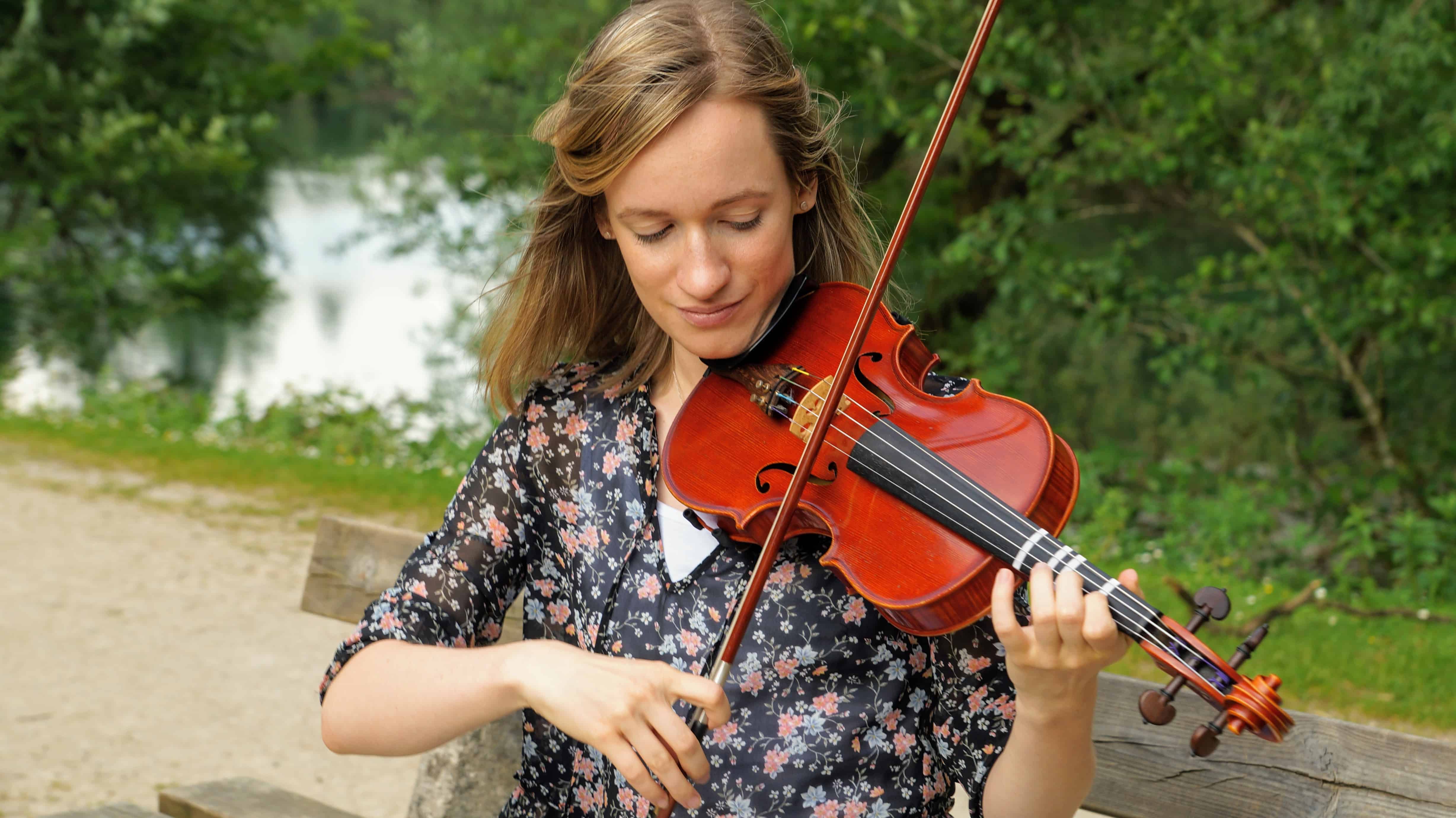
The violin has no frets, such as those found on a guitar. This means your left hand must find the correct pitch by feel and ear. Your right hand must also control the bow with steady pressure, speed, and angle.
These skills develop slowly. A beginner may produce squeaky or uneven sounds during the first few weeks. That is normal. It does not mean you lack talent.
The main challenges include:
• Holding the violin and bow in a relaxed way
• Finding notes without visual fret markers
• Keeping the bow straight
• Reading music while moving both hands
• Building finger strength and hand control
• Staying patient during slow progress
The good news is that each challenge can be broken into small steps. A skilled teacher will not ask you to master everything at once. You may spend one lesson on posture, then another on open-string bowing, and later add simple notes.
A useful comparison is sports training. You would not run a marathon after one workout. In the same way, you should not expect a polished violin performance after a few practice sessions.
The Benefits of Learning Violin
Learning violin can support musical, mental, and social growth. Research on music education links regular musical training with skills such as attention, memory, timing, and listening. These benefits vary from person to person, so music is not a magic cure or a guarantee of better academic results.
Still, the violin offers several meaningful rewards.
It builds patience
Violin progress often comes in small steps. One week, you may improve your bow hold. The next week, you may play a short tune with fewer mistakes. This teaches you to value steady effort.
It improves listening
Good violin playing depends on careful listening. You learn to notice pitch, tone, rhythm, and volume. These listening skills can help you become more aware of music in daily life.
It gives you a creative outlet
Playing an instrument lets you express feelings without words. A slow melody may help you relax, while a lively tune can lift your mood.
It creates social opportunities
You can play with teachers, friends, school groups, orchestras, and community ensembles. Group playing also teaches you to follow a conductor, listen to others, and stay aware of rhythm.
It offers lifelong learning
The violin can stay with you for decades. You can begin with simple folk songs and later explore Bach, bluegrass, Irish music, movie scores, or modern arrangements.
For many learners, the best benefit is not performance. It is having a meaningful activity that rewards attention and care.
Is Violin Good for Beginners?
Yes, the violin can be good for beginners, but the learning process requires realistic expectations. You do not need perfect hearing or previous music experience. You need a safe setup, clear instruction, and regular practice.
A beginner should start with:
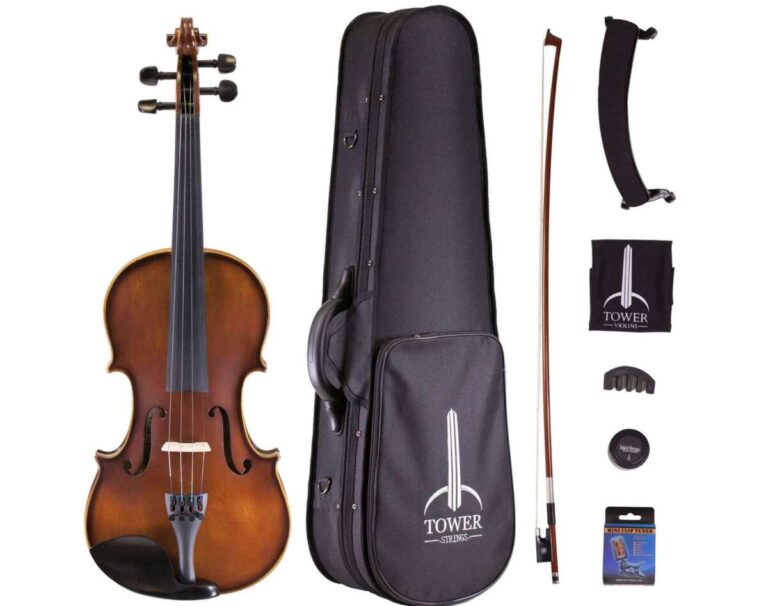
• A correctly sized violin
• A quality bow with fresh rosin
• A comfortable shoulder rest if needed
• A music stand
• A tuner or tuning app
• A teacher or trusted beginner course
• A quiet place for practice
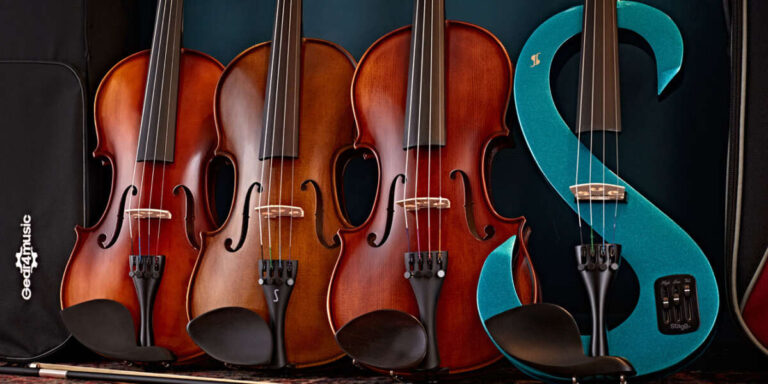
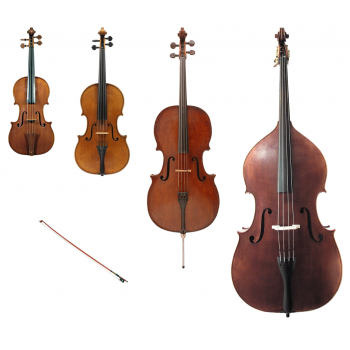
Instrument size matters. Children often need smaller violins, while most adults use a full-size violin. A teacher or reputable violin shop can help you choose the right size.
Renting may be a better option than buying at first. Rental programs often allow you to exchange an instrument as a child grows. They may also provide better quality than a very cheap new violin.
Avoid purchasing the lowest-priced instrument you can find without expert advice. Poor setup can make tuning and playing much harder. A beginner may blame themselves when the real problem is a weak bridge, poor strings, or an unresponsive bow.
How Much Time Do You Need to Practice?
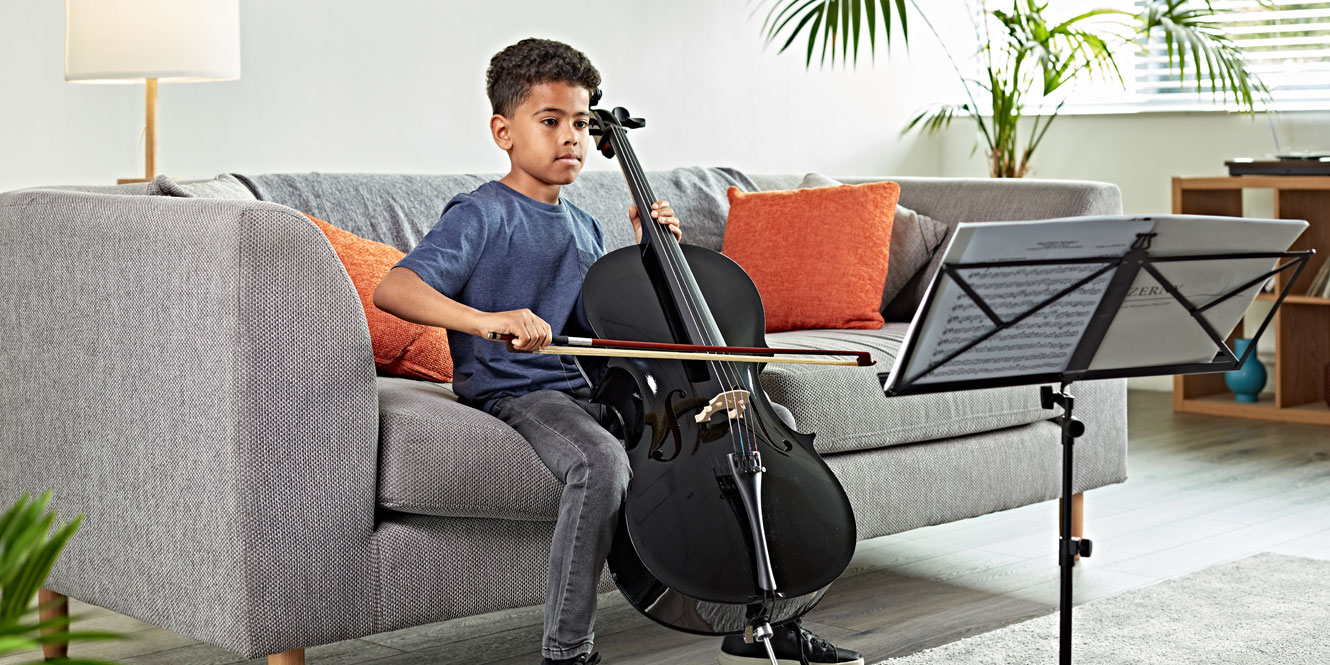
You do not need to practice for hours each day. Consistency matters more than long, tiring sessions.
A practical beginner plan looks like this:
- Practice for 10 to 15 minutes during the first week.
- Increase to 15 to 25 minutes as your hands become more comfortable.
- Divide practice into warm-up, skill work, and a simple song.
- Stop before pain or strong tension begins.
- Keep a short record of what you practiced.
For example, a 20-minute session could include:
• Three minutes of posture and bow-hold checks
• Five minutes of open-string bowing
• Seven minutes of simple finger exercises
• Five minutes of a beginner song
Daily practice is helpful, but five focused sessions each week can also work. If your schedule is busy, practice at the same time each day. Linking violin practice to an existing habit, such as after breakfast, can make it easier to remember.
Do not measure success only by how long you practice. Measure it by what you learn. Ten careful minutes can be more useful than 45 distracted minutes.

Should Adults Learn the Violin?
Adults can absolutely learn the violin. Adult beginners often bring strengths that young learners do not yet have, including patience, clear goals, better organization, and the ability to understand feedback.
Adults may also face real limits. Work, family, stress, and hand tension can reduce practice time. That does not make learning impossible. It simply means your plan must fit your life.
If you are an adult asking, “should I learn the violin?” consider these points:
• You do not need to become a concert violinist
• Progress may be slower than you expect
• Your past musical experience can help
• You can choose music that matches your taste
• Short practice sessions still count
• A supportive teacher can prevent bad habits
A common beginner mistake is comparing yourself with children who started years earlier. Compare your current playing with your own playing from last month instead.
Adults should also pay attention to neck, shoulder, wrist, and thumb tension. The violin should feel challenging, not painful. Persistent pain is a reason to stop and seek advice from a qualified teacher or health professional.

Should Children Learn the Violin?
The violin can be a strong choice for children who show interest and can follow simple practice routines. It can teach focus, coordination, listening, and responsibility.
However, parents should avoid turning lessons into constant pressure. A child who feels forced may begin to dislike both practice and music.
Helpful support includes:
• Letting the child help choose the instrument
• Finding a patient teacher who works well with children
• Keeping practice short and positive
• Praising effort instead of demanding perfection
• Attending recitals when the child feels ready
• Allowing breaks during busy weeks
A parent does not need to know how to play. You can help by creating a calm routine, checking that practice happens, and celebrating small gains.
Some children enjoy group lessons, while others learn better one-on-one. Trial lessons can help you find a good fit before making a long commitment.
How Long Does It Take to Learn Violin?
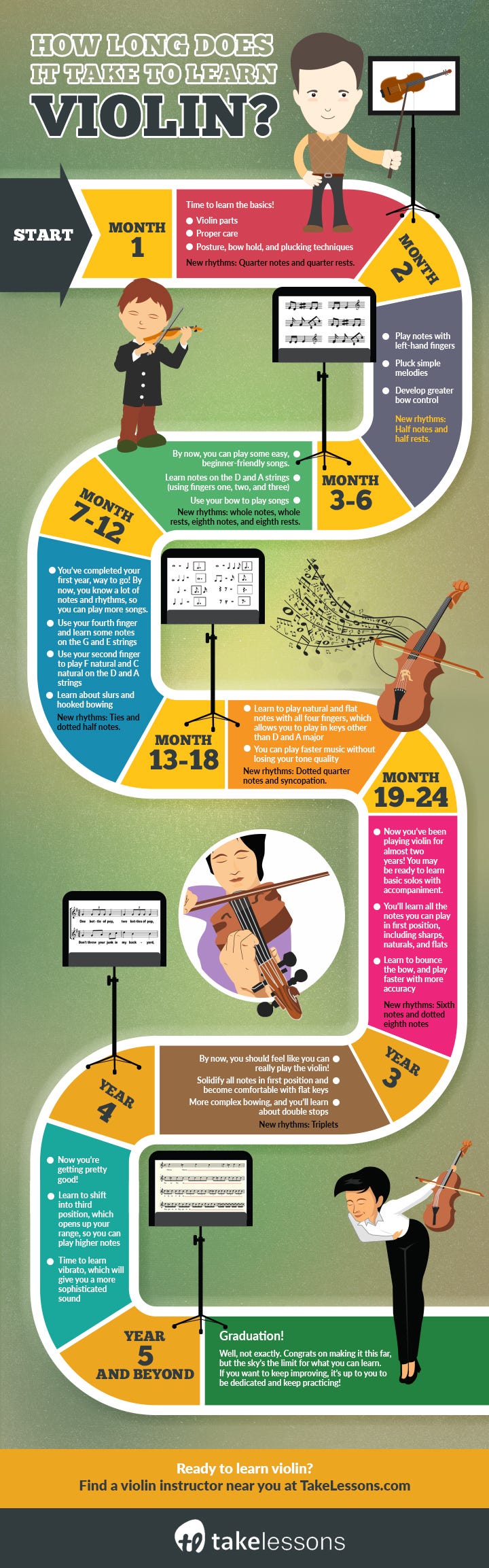
The answer depends on your goals, practice habits, instruction, and physical comfort. There is no single timeline for every learner.
With regular practice, many beginners can:
• Learn basic posture within the first few lessons
• Play simple open-string rhythms in the first month
• Perform easy melodies after several months
• Join a beginner ensemble after consistent study
• Develop smoother tone and stronger pitch over one to three years
These are general ranges, not promises. Some learners move faster, while others need more time. A teacher can give a better estimate after watching your posture, hearing your tone, and understanding your goals.
The most important question is not, “How fast will I become good?” Ask, “Can I enjoy the next step?” If the answer is yes, learning the violin can remain satisfying for years.
Common Mistakes New Violin Players Should Avoid
Many early problems come from poor habits, not a lack of talent. The sooner you notice them, the easier they are to fix.
Skipping the teacher
Videos can explain basic ideas, but they cannot always see your posture or hear small pitch problems. Even occasional lessons can help you avoid habits that later take months to change.
Practicing only songs
Songs are fun, but technical exercises build the tools needed to play them well. Balance scales, open-string work, rhythm drills, and melodies.
Playing through pain
Mild tiredness can be normal. Sharp pain, numbness, or lasting soreness is not. Stop, rest, and ask a qualified teacher or medical professional for guidance.
Holding too tightly
Many beginners grip the bow or violin because they fear dropping it. Excess tension limits movement and can make the sound harsh.
Expecting a perfect tone at once
Tone improves through bow control, string choice, posture, and practice. Give yourself time to develop a steady sound.
Ignoring tuning
An out-of-tune violin makes it difficult to learn correct pitch. Tune before each practice session with a reliable tuner or ask your teacher for help.
In my experience with beginner learning patterns, the biggest breakthrough often comes when a player relaxes and slows down. Fast practice can repeat mistakes. Slow practice gives your hands and ears time to learn the right movement.
How to Decide if Violin Is Right for You
Use this simple test before buying an instrument or booking long-term lessons.
You may be a good fit for violin if you:
• Enjoy detailed work
• Can practice a little most days
• Like melody and acoustic sound
• Accept that early progress may feel slow
• Want a skill that grows over time
• Feel curious when you hear violin music
You may want to try another instrument first if you:
• Need instant results to stay motivated
• Strongly dislike repeated exercises
• Have no time for even short practice sessions
• Feel pain that has not been assessed
• Prefer instruments with easy first sounds
A trial lesson is one of the best ways to decide. You can hold a violin, learn basic posture, and ask about realistic goals. Many music schools and independent teachers offer introductory sessions.
You can also listen to different violin styles. Classical violin, fiddle, folk, jazz, and pop arrangements feel very different. The style that excites you can guide your teacher and keep practice enjoyable.
Frequently Asked Questions About Should I Learn the Violin
Should I learn the violin if I have no musical experience?
Yes. Beginners without music experience can learn violin with clear instruction and regular practice. A teacher can explain rhythm, notes, posture, and technique step by step.
Is violin harder to learn than guitar?
The violin may feel harder at first because it has no frets and requires careful bow control. Guitar often produces a usable chord sooner, but both instruments become challenging at higher levels.
Can I learn violin by myself?
You can learn basic ideas through books and videos, but self-study has limits. Periodic lessons are useful because a teacher can correct posture, tuning, bow movement, and tension before bad habits become fixed.
How often should a beginner practice violin?
Aim for 10 to 30 focused minutes on most days. Regular practice usually works better than one long session each week.
Is it too late to learn violin as an adult?
No. Adults can learn violin at any age if they use realistic goals and protect their hands and shoulders from excess tension. Progress may vary, but age alone is not a barrier.
How much does a beginner violin cost?
Costs vary by location, quality, and whether you rent or buy. Renting a properly set-up violin is often a practical first step because it lowers the risk of buying an unsuitable instrument.
Can violin playing hurt your neck or shoulder?
Poor posture, excessive tension, or long practice sessions can cause discomfort. Stop when pain appears, review your setup with a teacher, and seek medical advice for ongoing or severe symptoms.
Conclusion
So, should I learn the violin? If you enjoy music and can give the process steady, patient effort, the answer is likely yes. The early stage may include squeaks, slow progress, and awkward movements, but those moments are part of building real skill.
Choose a properly set-up instrument, take at least a few lessons, practice in short sessions, and focus on progress rather than perfection. Book a trial lesson this week, choose one simple song, and give yourself a fair chance to discover what the violin can add to your life.

Senior Music Reviewer
Alex Carter is a seasoned music reviewer with over a decade of experience in the world of sound and instruments. Passionate about helping musicians and enthusiasts make informed choices, he brings sharp insights and in-depth knowledge to every review. From classical instruments to modern gear, Alex combines technical expertise with a love for music to deliver content that resonates with readers.
As a Senior Music Reviewer and expert author on Tuneluma.com, Alex is dedicated to sharing honest evaluations, practical advice, and thoughtful commentary to guide readers in their musical journey.