Where To Buy Violin For Beginners: Best Buying Guide
For beginners, the best place to buy a violin is a trusted local shop or reputable online specialist.
Choosing where to buy violin for beginners can shape the first year of learning. A good instrument feels easier to play, stays in tune, and helps a new student build healthy habits. This guide explains the best buying options, fair prices, key quality checks, and common mistakes so you can buy with confidence.
Where to Buy Violin for Beginners
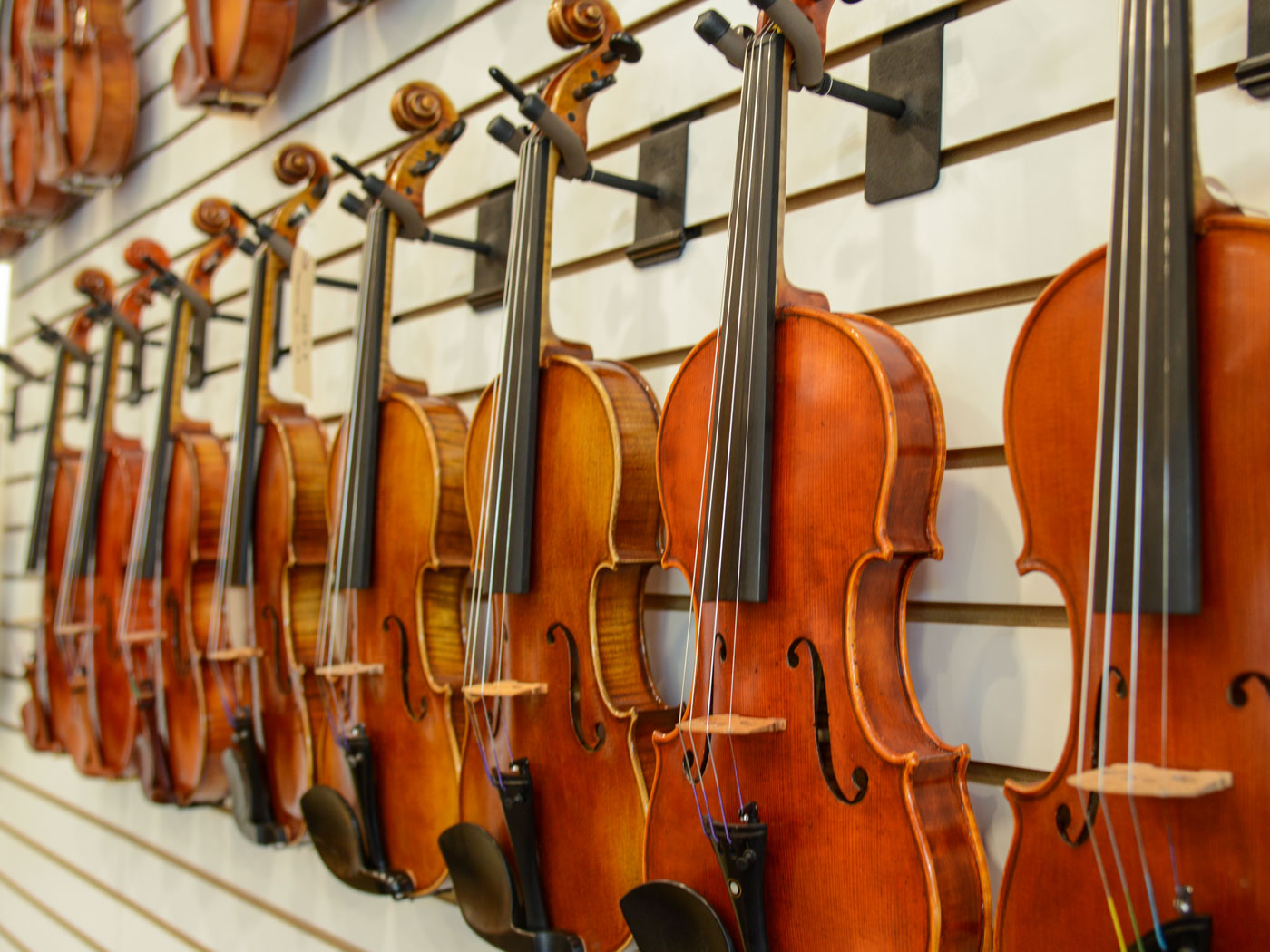
The best place to buy violin for beginners is usually a violin shop that offers setup, size fitting, and after sale support. A local shop lets you hold several violins, compare their sound, and ask a teacher or trained worker for help.
A reputable online violin specialist can also be a good choice. Online stores often offer more models, clear size charts, rental plans, and return periods. However, you should confirm that the violin receives a professional setup before shipping.
General music stores may carry beginner violins, but quality can vary. Some stores sell factory instruments that look attractive but are hard to tune or play. Ask whether the violin has been checked by a qualified instrument technician.
You can also rent a violin before buying. This is often smart for young children or students who are still unsure about continuing. A rental gives you time to learn without making a large first payment.
The main buying options include:
- Local violin shops with trained staff and repair services
- Reputable online violin dealers with return policies
- Music stores with trained string instrument staff
- School music programs that offer rental plans
- Violin teachers who recommend trusted sellers
- Used instrument dealers with inspection records
When deciding where to buy violin for beginners, focus on service rather than the lowest price. A cheap violin that will not stay in tune can cost more after repeated repairs.

Local Violin Shops: The Best Choice for Many Beginners
A local violin shop is often the safest answer to where to buy violin for beginners. Staff can help you choose the right size, test the sound, and check whether the bridge and strings are correctly fitted.
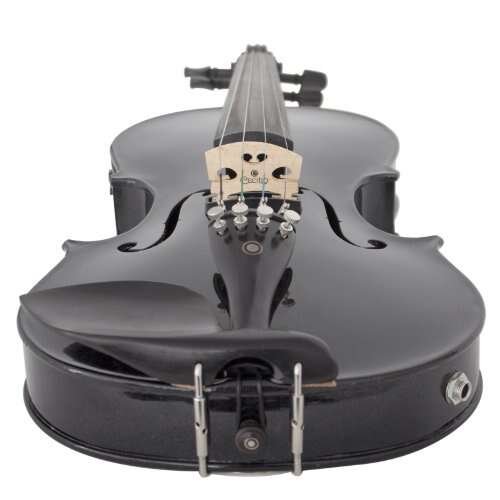
A violin should not be treated like a simple box that you order and forget. Small parts affect how it responds. The bridge, sound post, pegs, fingerboard, strings, and tailpiece all need proper adjustment.
A good shop may let you compare several beginner violins at the same price. This matters because two instruments made in the same factory can sound and feel different.
Look for a shop that offers:
- Professional setup before the sale
- A clear return or exchange policy
- Size fitting for children
- Replacement strings and basic accessories
- Repairs by a trained luthier or technician
- Rental or rent to own plans
- Written details about the instrument’s materials
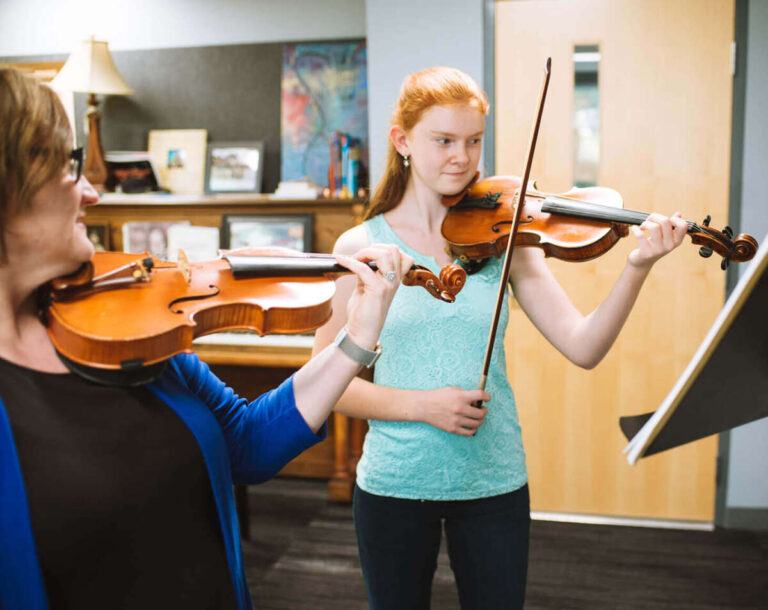
A teacher can often help you visit a local shop. Even a short test can reveal problems that a new player may not notice. For example, a stiff bow, sharp fingerboard edge, or slipping peg can make learning frustrating.
One common mistake is buying from a shop that mainly sells guitars, keyboards, and drums but has little violin knowledge. A broad music store can be useful, but ask who handles its string instruments before paying.
Buying a Beginner Violin Online
Online shopping is a practical answer to where to buy violin for beginners when local choices are limited. It gives you access to specialist dealers, customer reviews, detailed photos, and a wider range of prices.
The main risk is that you cannot feel or hear the violin before buying. Photos also hide problems such as a poor bridge cut, loose fittings, or rough finishing.
Before ordering, check these details:
- The seller’s return period
- Whether return shipping is your responsibility
- The setup work included in the price
- The exact violin size
- The warranty terms
- Customer service contact details
- Reviews from verified buyers
- Whether the bow and case are included
- Whether replacement parts are easy to find
Do not trust a listing that promises a “professional” violin at an extremely low price without clear details. A low price may mean unseasoned wood, weak fittings, poor strings, or no setup.
Search for terms such as “professional setup included,” “full size and fractional sizes,” “inspection before shipping,” and “beginner violin return policy.” These phrases do not guarantee quality, but they help narrow your choices.
A useful online test is to ask the seller questions before ordering. Ask who sets up the violin, what strings are installed, and how the shop handles a warped bridge or slipping pegs. A helpful answer suggests that the seller understands beginner needs.
Should You Rent or Buy a Beginner Violin?
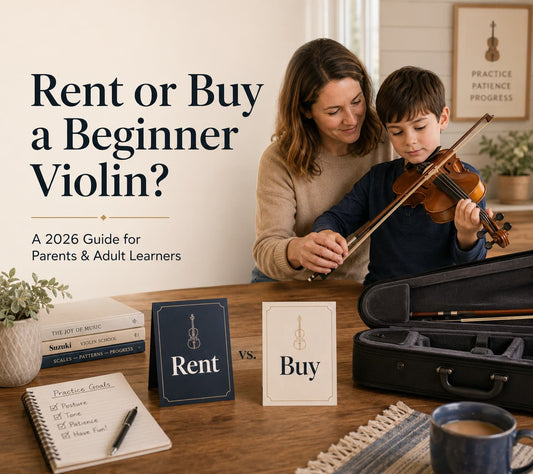
Renting is often the best first step for a child or uncertain student. Children grow quickly, so a half size or three quarter size violin may only fit for a limited time.
A rental plan may include:
- A correctly sized violin
- A bow and case
- Basic insurance
- Free size exchanges
- Repair coverage
- Credit toward a future purchase
The cost of renting varies by location and instrument quality. Read the agreement carefully. Some plans charge extra for insurance, damaged parts, or late returns.
Buying makes more sense when the student is committed, needs a full size instrument, or has found a violin that feels comfortable. A well kept violin can also retain useful resale value, especially when it comes from a respected maker or dealer.
A rent to own plan can combine both choices. Part of the rental payment may apply to the purchase price. Confirm the total cost, ownership rules, and return conditions before signing.
When people ask where to buy violin for beginners, they often focus only on purchase price. The better question is this: which option gives the student a reliable instrument and useful support for the next six to twelve months?

How Much Does a Beginner Violin Cost?
A beginner violin can cost anywhere from about $150 to more than $1,000 in the United States. The price depends on the materials, workmanship, setup, brand, included accessories, and seller support.
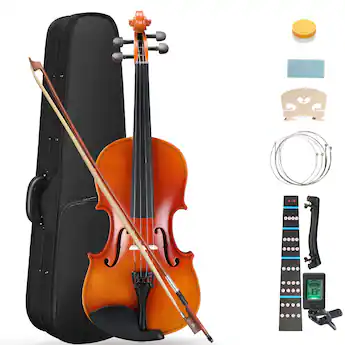
Very low cost outfits may seem attractive, but they often need upgrades. A basic outfit should include a violin, bow, case, and rosin. The included bow may be weak, and the strings may be poor.
A practical price guide looks like this:
- Under $150: Usually a low cost factory outfit with limited support
- $150 to $350: Basic student instruments from established sellers
- $350 to $700: More reliable beginner and early intermediate options
- $700 to $1,500: Better materials, stronger fittings, and improved sound
- Above $1,500: Often suited to serious students, though price alone proves little
These ranges are general. A $300 violin with expert setup may be easier to play than a $600 violin sold without adjustment.
Remember to budget for related items:
- Extra strings
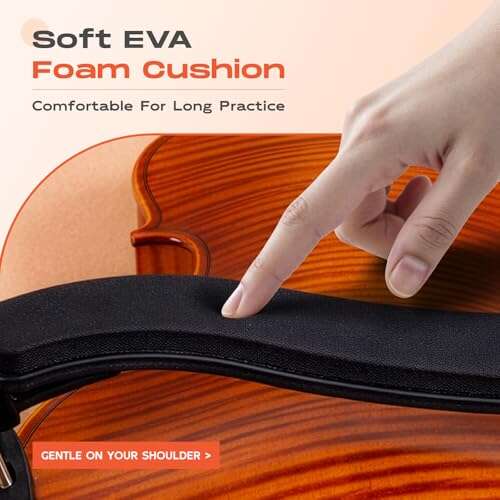
- Shoulder rest
- Music stand
- Tuner
- Cleaning cloth
- Beginner method book
- Humidity supplies
- Future repairs
A teacher may recommend starting with a modest but well adjusted violin. That advice is usually more useful than choosing the most expensive model you can afford.
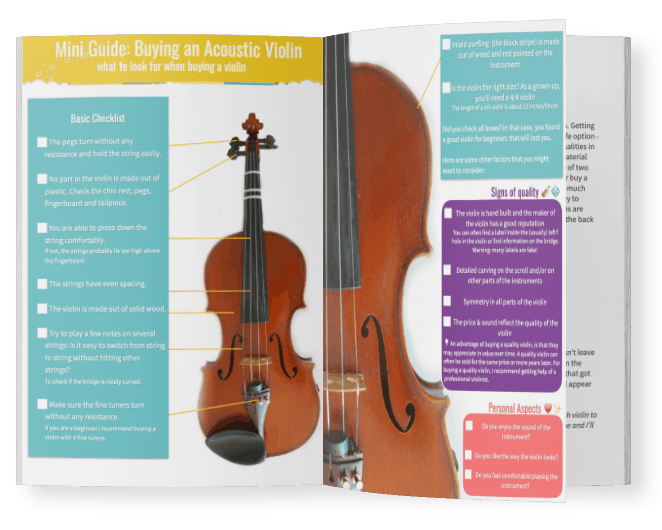
What to Check Before Buying a Beginner Violin
Knowing where to buy violin for beginners is only part of the decision. You also need to inspect the instrument. A violin can look beautiful and still be difficult to play.
Check the body first. The top and back should not show major cracks, open seams, or loose parts. Small repaired cracks are not always serious, but they should be explained by the seller.
Check the neck and fingerboard. The neck should feel secure, and the fingerboard should be smooth. Deep grooves, sharp edges, or an unusual bend may cause playing problems.
Check the bridge. It should stand upright and fit the shape of the violin. If it leans sharply or has badly cut feet, the instrument may need immediate work.
Check the pegs. They should turn with gentle pressure and stay in place. Pegs that slip make tuning difficult for beginners.
Check the sound. A beginner violin should produce a clear tone across all four strings. It may not sound rich or powerful, but it should not buzz, rattle, or feel painfully stiff.
Ask the seller:
- Who set up the violin?
- When was it last inspected?
- What strings are installed?
- Is the bridge fitted to this instrument?
- Can I return it if a teacher finds a problem?
- Does the warranty cover cracks or loose parts?
If you are buying a used violin, take it to a luthier or experienced teacher before final payment. A short inspection can prevent a costly mistake.
Choosing the Right Violin Size
Correct size is essential when deciding where to buy violin for beginners. A violin that is too large can strain the student’s shoulder, wrist, and fingers. A violin that is too small may feel cramped.
Common violin sizes include:
- 1/16 size
- 1/10 size
- 1/8 size
- 1/4 size
- 1/2 size
- 3/4 size
- 4/4 or full size
Age can offer a rough guide, but arm length is more important. Children of the same age can need different sizes.
A teacher or trained shop worker should measure the student. The student should be able to hold the violin comfortably while reaching the end of the fingerboard without strain.
Do not buy a larger violin just because the child may grow into it. Learning on an oversized instrument can create tension and poor posture. It is similar to learning to ride a bicycle that is too big: the learner spends more time fighting the tool than building skill.
Many rental shops allow size exchanges as the student grows. This is one reason renting can be practical for children.
When looking for where to buy violin for beginners, choose a seller that explains sizing clearly. Avoid a listing that offers only one size and tells every customer it will work.
Beginner Violin Brands and Outfit Quality
Brand names can help, but they should not be the only factor. Many respected companies offer several levels of instruments, and quality can vary within one product line.
Look for a brand with:
- A history of making student instruments
- Reliable dealer support
- Clear model information
- Replacement parts
- Consistent quality control
- A useful warranty
Some beginner violins use solid spruce for the top and maple for the back and sides. These woods are common in violin making, but wood type alone does not prove that an instrument is good.
A violin labeled “solid wood” may still have poor construction. Setup, arching, varnish, fittings, and workmanship all affect the playing experience.
Be careful with vague claims such as “concert quality,” “handmade,” or “master grade.” These terms can be used in marketing without a clear standard. Ask what the claim means and who made the assessment.
The best answer to where to buy violin for beginners is not always the most famous brand. It is the seller that provides a properly adjusted instrument, honest details, and help after the sale.
Buying a Used Violin for a Beginner
A used violin can offer excellent value, especially when it has been maintained well. Older instruments may have a comfortable feel and a pleasant tone. However, age does not automatically mean quality.
Buy used from a seller who allows an inspection period. A local luthier can look for:
- Cracks in the top or back
- Open seams
- A twisted neck
- A loose sound post
- Worn pegs
- A damaged fingerboard
- Incorrect bridge height
- Signs of poor repairs
- Excessive wear near the chin rest
Avoid buying a used violin from a private seller if you cannot inspect it or return it. A low price may hide repair costs that exceed the value of the instrument.
Ask for the violin’s history. Find out where it was stored, how often it was played, and whether it has had repairs. Also ask if the case protected it from heat and moisture.
A used violin should not smell strongly of dampness or show fresh glue around major joints. These signs may point to storage or repair issues.
For many families, the best place to buy violin for beginners is a trusted shop that sells inspected used instruments. You may get better value than buying a new low cost outfit.
Common Mistakes to Avoid
The wrong purchase can make a new student feel that violin is impossible. Most problems come from choosing based on appearance or price rather than playability.
Avoid these mistakes:
- Buying a violin that is too large
- Choosing the cheapest listing without checking setup
- Assuming every included bow is usable
- Ignoring the return policy
- Buying from a seller with no contact information
- Selecting a violin only because it has a bright finish
- Skipping a teacher’s advice
- Storing the instrument near a heater or sunny window
- Forgetting to budget for strings and repairs
- Treating online ratings as a replacement for inspection
One lesson many teachers see is that beginners blame themselves for equipment problems. A slipping peg or badly shaped bridge can make basic practice exhausting. The student may need encouragement, not a more expensive lesson.
Before you buy, write down your budget, student size, preferred buying method, and support needs. This simple list keeps the process calm and prevents impulse purchases.
A Simple Buying Checklist
Use this checklist when deciding where to buy violin for beginners:
- Confirm the student’s correct size with a teacher or trained shop worker.
- Set a complete budget for the violin, bow, case, rosin, and accessories.
- Choose a local shop, specialist dealer, or rental program.
- Confirm that the violin receives a professional setup.
- Ask what strings and fittings come with the instrument.
- Read the return, warranty, and repair terms.
- Test the violin or use a seller with a fair trial period.
- Have a teacher or luthier inspect a used instrument.
- Keep the receipt and all setup records.
- Store the violin safely in its case after every practice session.
This process may take an extra day or two, but it can save weeks of frustration. A beginner does not need a rare or costly instrument. The student needs a violin that works properly and receives good care.
How to Care for a Beginner Violin
Good care protects your investment and keeps the violin easier to play. Wipe rosin dust from the strings and body with a soft, dry cloth after practice.
Always loosen the bow slightly after playing. Do not touch the bow hair with your fingers because skin oil can reduce its grip.
Keep the violin in its case. Avoid cars, radiators, fireplaces, damp basements, and direct sunlight. Sudden changes in heat and moisture can cause cracks or open seams.
Replace strings when they sound dull, feel rough, or no longer hold pitch well. Ask a teacher or shop worker to show you how. Beginners should not force tight pegs or repair open seams at home.
A small maintenance habit can protect the violin for years. Think of the case as the instrument’s home, not just a container used for transport.
Frequently Asked Questions About Where to Buy Violin for Beginners
Where is the safest place to buy a beginner violin?
A reputable local violin shop is often the safest choice because you can test the instrument and receive setup help. A specialist online dealer with a clear return policy is also a reliable option.
Is it better to rent or buy a beginner violin?
Renting is often better for young children or students who may stop playing. Buying can be a better value when the student is committed and has reached a stable size.
How much should I spend on a beginner violin?
Many families spend about $150 to $700 for a properly set up beginner outfit. The right budget depends on the student’s needs, local prices, and whether the instrument includes a usable bow and case.
Can I buy a beginner violin from a large online marketplace?
You can, but inspect the seller carefully. Check setup details, customer service, verified reviews, and the return policy before ordering.
What size violin does a beginner need?
Size depends mainly on arm length, not age. A violin teacher or trained shop worker should measure the student before you buy.
Are cheap violins good for beginners?
Some affordable violins work well, but extremely cheap models often have poor setup or weak parts. A modest violin from a trusted seller is usually better than a very cheap instrument with no support.
Should a teacher help choose a beginner violin?
Yes. A teacher can spot size, setup, and tone problems that a new player may miss. Their advice can prevent an expensive or frustrating purchase.
Conclusion
The best answer to where to buy violin for beginners is usually a trusted violin shop, specialist online dealer, or rental program with strong support. Look for correct sizing, professional setup, fair return terms, and honest information rather than a flashy finish or unusually low price.
A good beginner violin does not need to be expensive. It needs to stay in tune, feel comfortable, and help the student enjoy daily practice. Compare your options, ask questions, and have a teacher or luthier check the instrument when possible.
Use this guide to choose with confidence, then begin with short, steady practice sessions. Explore local shops and trusted dealers today, and share your buying experience to help other new violin players.

Senior Music Reviewer
Alex Carter is a seasoned music reviewer with over a decade of experience in the world of sound and instruments. Passionate about helping musicians and enthusiasts make informed choices, he brings sharp insights and in-depth knowledge to every review. From classical instruments to modern gear, Alex combines technical expertise with a love for music to deliver content that resonates with readers.
As a Senior Music Reviewer and expert author on Tuneluma.com, Alex is dedicated to sharing honest evaluations, practical advice, and thoughtful commentary to guide readers in their musical journey.