What Is The Best Violin To Buy: A Smart Buying Guide
The best violin to buy matches your skill level, budget, body size, and musical goals—not simply the most expensive brand.
Choosing the best violin to buy can feel confusing when dozens of brands, price points, and wood types look similar online. After comparing student, intermediate, and advanced instruments, one lesson stands out: a well-set-up violin from a trusted maker will usually serve you better than a costly violin with poor fittings or weak quality control.
This guide explains what to look for, which violins suit different players, how much you should spend, and how to avoid common buying mistakes.
What Makes a Violin the Best Choice?
The best violin to buy should feel comfortable, respond easily, stay in tune, and produce a clear sound across all four strings. It should also fit your current ability without limiting your progress.
A violin is not only a wooden box with strings. Its tone depends on the wood, arching, varnish, bridge, soundpost, strings, pegs, and setup. Small details can change how easy the instrument feels under the bow.
The best choice usually balances five key factors:
• Skill level: beginners need comfort and easy response. Advanced players often want more tonal color and projection.
• Size: Adults commonly use a full-size 4/4 violin, while children need smaller sizes.
• Budget: A reliable student violin may cost $300 to $800, while a strong intermediate violin may cost $1,000 to $3,000 or more.
• Setup: A properly fitted bridge, soundpost, pegs, and strings matter as much as the brand.
• Sound: The violin should produce a focused, pleasant tone without forcing you to press hard.
In my experience helping new players compare instruments, setup is the factor people overlook most often. A modest violin from a reputable shop can feel far better than a more expensive online instrument that arrives with a badly cut bridge.
Best Violin to Buy for Beginners
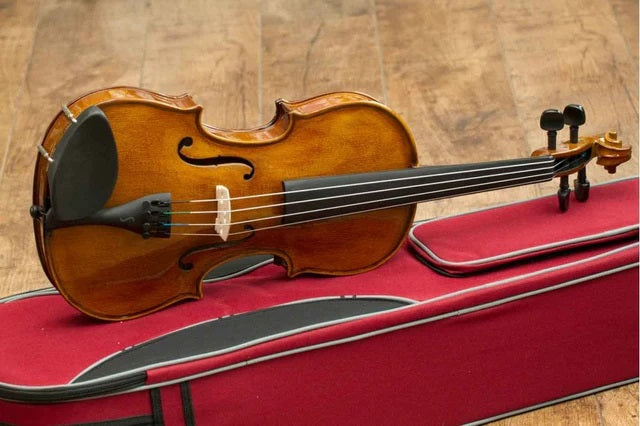
For most adult beginners, the best violin to buy is a reliable 4/4 student model from a known maker or specialist violin shop. You do not need a professional instrument on your first day, but you should avoid the cheapest unbranded package.
A good beginner violin should have:
• Smooth tuning pegs that turn without sticking
• A bridge fitted to the violin, not a flat factory bridge
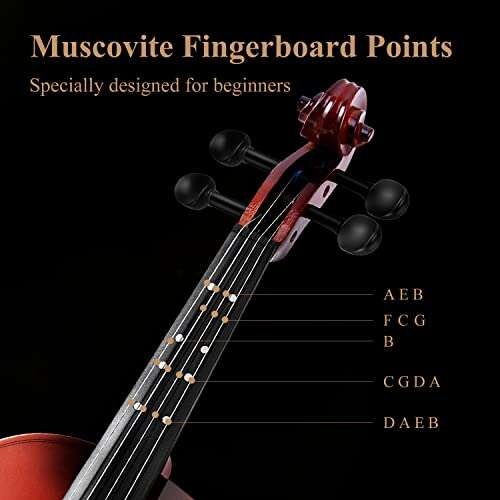
• A comfortable fingerboard with clean edges
• Fine tuners that work properly
• A straight neck
• A secure chin rest
• Decent strings that produce a stable tone
• A bow with enough flexibility and grip
Popular beginner options often include the Yamaha V3 Series, Eastman VL80, Stentor II, and well-set-up student models from local violin shops. Availability and pricing vary, so the exact model matters less than the condition and setup.
The Yamaha V3 is known for consistent factory quality and easy playability. The Eastman VL80 is also a common choice because it offers a solid student design and can be improved with better strings later. Stentor instruments can work well for beginners when purchased from a shop that checks and adjusts them before sale.
Very cheap violins can create problems that look like player errors. If the strings sit too high, the pegs slip, or the bridge is poorly shaped, a beginner may struggle to press notes and keep the instrument in tune. That can make practice frustrating and may slow progress.
One mistake I often see is buying a violin based only on a low online price. The player then spends extra money on bridge work, new strings, peg adjustment, and shipping. A slightly higher initial price from a specialist seller may save money and stress.

Best Violin to Buy for Intermediate Players
The best violin to buy for an intermediate player should offer more tonal range, stronger projection, and better response than a basic student model. At this stage, players often notice differences in warmth, brightness, depth, and clarity.
Good intermediate choices may include:
• Yamaha V5 or V7 instruments
• Eastman VL305 and similar workshop models
• Scott Cao student and advancing-player violins
• Jay Haide models
• Gliga instruments from suitable workshop ranges
• Carefully selected older violins from respected makers
These instruments often use better spruce and maple, more careful carving, improved fittings, and higher-quality strings. However, labels such as “professional,” “master,” or “antique” do not guarantee excellent sound.
An intermediate player should test how the violin responds in several situations. Play soft notes near the fingerboard, strong notes near the bridge, quick scales, and higher positions. Listen for unwanted scratch, delayed response, weak low notes, and harsh high notes.
The best violin to buy at this level may not be the loudest instrument in the room. A violin that sounds huge under your ear may sound balanced and pleasant to an audience. Ask another player or teacher to listen from several feet away.
When I compare violins for advancing players, I pay close attention to the G and E strings. A good instrument should give the G string depth without becoming muddy and the E string brightness without sounding thin or sharp. It should also shift smoothly when the left hand moves into higher positions.

Best Violin to Buy for Advanced Players and Professionals
For advanced players, the best violin to buy is usually chosen by sound, response, condition, and playing purpose rather than by brand alone. A soloist may need projection, while a chamber musician may prefer warmth and blend.
Advanced players should consider:
• Sound color: Can you create dark, bright, sweet, focused, and powerful tones?
• Projection: Does the sound carry across a hall?
• Response: Does the violin speak quickly at soft and loud dynamics?
• Evenness: Do all four strings feel balanced?
• Upper-register quality: Does the sound remain clear above third position?
• Comfort: Can you play for a long rehearsal without excess tension?
Professional instruments can range from several thousand dollars to hundreds of thousands of dollars. Price depends on maker, age, condition, provenance, rarity, sound, and market demand. A higher price does not always mean a better personal match.
A modern violin by a respected maker can outperform an older instrument with damage or poor repairs. Similarly, an affordable workshop violin may suit a player better than a famous Italian violin with a response that feels too slow.
At this level, work with a qualified violin dealer, luthier, or teacher. Ask for a trial period and test the violin in a hall or large room. Your own room can hide problems with projection and exaggerate certain frequencies.
The best violin to buy should help you express music with less effort. If you must force the bow, squeeze the left hand, or fight unstable pegs, the violin may not be right for you, even if its label sounds impressive.

How Much Should You Spend on a Violin?
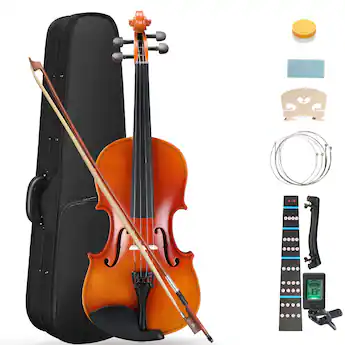
Your budget should include more than the violin itself. A complete setup may also require a bow, case, shoulder rest, rosin, strings, insurance, and future maintenance.
Here is a practical budget guide for US buyers:
• Under $300: Be cautious. Some instruments may work for short-term use, but quality and setup can be inconsistent.
• $300 to $800: A reasonable range for many beginners, especially when buying from a specialist shop.
• $800 to $2,000: Good options for serious beginners and advancing students.
• $2,000 to $5,000: A strong range for intermediate and some advanced players.
• Above $5,000: Instruments may offer greater tonal complexity, craftsmanship, and projection, but expert testing becomes essential.
A bow deserves serious attention. A weak bow can make a good violin feel difficult, while a balanced bow can improve control and sound. Beginner bows may cost $75 to $300, while advancing players often spend more.
Do not spend your entire budget on the violin and then use a poor bow and damaged strings. The best violin to buy works as part of a complete setup.
Renting can be a smart choice for children because they may outgrow smaller sizes. Many reputable rental programs allow part of the rental fee to apply toward a future purchase. For adults, renting can also help you learn whether you will practice consistently before making a large investment.

Acoustic or Electric Violin: Which Is Better?
For traditional classical, folk, bluegrass, and orchestral playing, an acoustic violin is usually the best place to start. It teaches natural bow control, tone production, and listening skills.
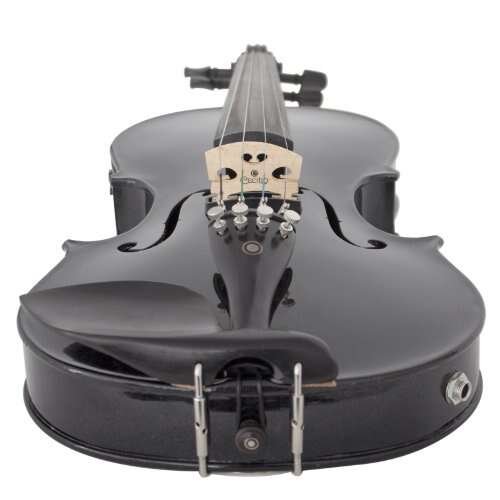
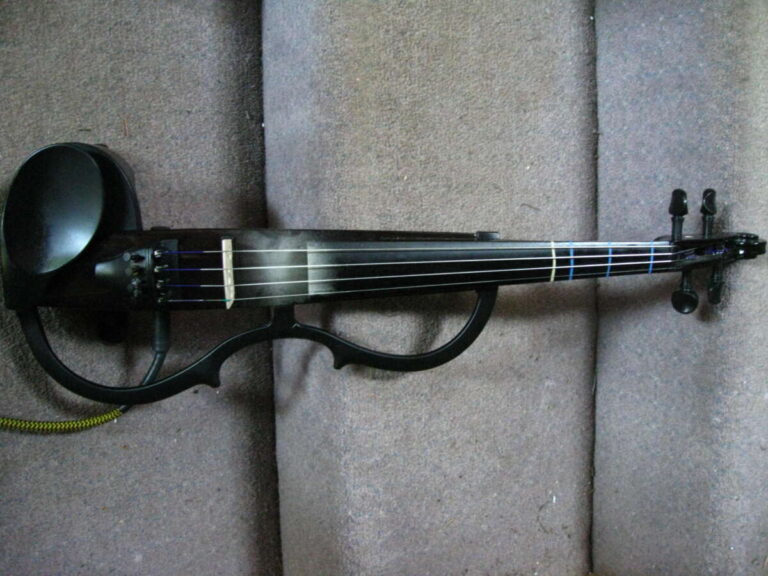
An electric violin may suit players who need:
• Headphone practice
• Effects for rock or pop music
• Performance with amplification
• Lower practice volume
• A modern stage setup
Electric violins are not always quieter than acoustic violins. The strings, body, and bridge can still create sound, and some models feel very different under the bow. A silent practice violin may reduce volume, but it will not completely remove mechanical noise.
For most new players asking what is the best violin to buy, I recommend starting with a well-set-up acoustic instrument unless there is a clear need for amplification or quiet practice. Acoustic technique transfers well to many styles, while a poor electric setup can create unusual habits.
If you buy an electric model, check its pickup quality, output connection, headphone support, battery needs, weight, and shoulder comfort. Try it with the amplifier or headphones you plan to use.

Full-Size or Smaller Violin?
The correct size affects comfort, reach, and technique. Adults and many teenagers use a 4/4 violin, but smaller players need the right fractional size.
Common sizes include:
• 1/16
• 1/10
• 1/8
• 1/4
• 1/2
• 3/4
• 4/4
A child should not move to a larger violin just because it may last longer. If the instrument is too large, the player may stretch the left hand, raise the shoulder, and lose control of the bow.
A teacher or violin shop can measure arm length and check reach. The player should be able to place the fingers comfortably without twisting the wrist or lifting the shoulder.
For adults with smaller frames, a 7/8 violin may feel more comfortable than a full-size model. These instruments are less common, so try one in person when possible.
The best violin to buy is one that allows relaxed posture. Comfort supports good practice, and good practice builds skill.

Why Violin Setup Matters So Much
A violin setup is the process of adjusting key parts so the instrument plays correctly. It may include bridge shaping, soundpost placement, peg fitting, fingerboard work, string selection, and tailpiece adjustment.
A poor setup can cause:
• Strings that feel too high
• Notes that buzz
• Pegs that slip
• A bridge that falls or bends
• Weak or uneven sound
• Difficult tuning
• Pain in the fingers or wrist
The bridge should be shaped for the player and instrument. The string grooves must be smooth and properly spaced. The soundpost should stand correctly inside the body and should be adjusted by a trained professional.
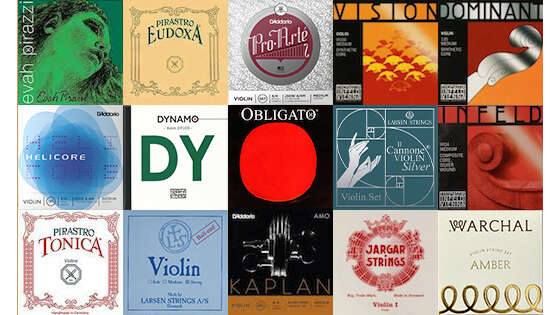
String choice also changes the sound. Synthetic-core strings often offer a warm and flexible tone, while steel-core strings can provide a direct, bright response. There is no single best string for every violin.
One useful lesson from instrument trials is to separate the violin from its accessories. If possible, test the same violin with a known good bow and fresh strings. This helps you judge the instrument rather than the quality of a cheap factory bow.
A local luthier can often improve a decent violin at a reasonable cost. However, setup cannot turn a badly made instrument into a professional one. It can improve a sound foundation, not replace one.

How to Test a Violin Before Buying
Testing a violin should be calm and methodical. Do not choose one after playing only a single loud note.
Use this simple process:
-
Check the body for cracks, open seams, and major repairs.
-
Look down the neck to make sure it is straight.
-
Turn each peg and confirm that it holds.
-
Play open strings and listen for buzzing or rattling.
-
Play a slow scale on every string.
-
Test soft, medium, and loud bow strokes.
-
Play in first position, then higher positions if you can.
-
Ask someone else to play while you listen from a distance.
-
Compare the violin with at least two other instruments.
-
Confirm the return policy before paying.
Listen for balance. The D and A strings should not overpower the G and E strings. The instrument should respond when you begin a note gently, not only when you use heavy bow pressure.
The best violin to buy often reveals its quality during quiet playing. Loud playing can hide uneven response and harsh overtones.
Record short clips if the shop allows it. Your memory can blur after testing several violins. Also write down what you liked and disliked about each instrument.
Buying a Violin Online
Online buying can provide more choice and lower prices, but it comes with added risk. Product photos do not show how the violin feels, responds, or sounds in a room.
Before ordering, check:
• The seller’s return period
• Whether a luthier checks the instrument
• The exact model and size
• Included accessories
• Shipping insurance
• Warranty terms
• Repair and adjustment support
• Customer reviews from real players
Avoid listings that promise a “professional violin” at an unusually low price. Terms such as “handmade,” “antique style,” and “master quality” can be used for marketing and may not describe verified craftsmanship.
A reputable online violin shop should explain setup work and offer a return period. Some shops send several instruments on trial, which can make online shopping much safer.
Used violins can offer excellent value. Still, inspect the instrument for repaired cracks, neck angle problems, worn fingerboards, and replacement parts. A bargain can become expensive if major structural work is needed.
If you are unsure what is the best violin to buy, ask a teacher or luthier to review the listing before you order. A short expert opinion can prevent a costly mistake.
Common Mistakes to Avoid
Many violin buyers focus on appearance. A glossy finish, decorative purfling, or old-looking varnish does not prove that the violin sounds good.
Avoid these common errors:
• Choosing the cheapest package without checking setup
• Buying a violin that is too large for a child
• Ignoring the bow
• Assuming an old violin is automatically better
• Testing only one instrument
• Buying without a return policy
• Spending beyond your ability to maintain the instrument
• Selecting a violin only because a famous player uses the brand
• Forgetting the cost of strings and professional adjustments
Another common mistake is choosing a very bright violin because it sounds exciting at first. Bright instruments can become tiring during long practice sessions. Warm instruments can sound beautiful but may lack the focus needed for a large hall.
Ask what kind of music you want to play. A bluegrass player, a classical student, and a pop performer may need very different qualities. The best violin to buy depends on the music you want to make.
A Simple Buying Checklist
Before you buy, use this checklist:
• Set a total budget, including the bow and case.
• Choose the correct violin size.
• Decide whether you need an acoustic or electric instrument.
• Test at least three violins when possible.
• Check the setup and condition.
• Play both softly and loudly.
• Listen from several feet away.
• Ask your teacher or an experienced player for feedback.
• Confirm the return and warranty policy.
• Keep money aside for strings and maintenance.
For children, prioritize comfort and rental flexibility. For adult beginners, prioritize easy response and stable tuning. For intermediate and advanced players, focus more on tonal range, projection, and personal connection.
A good violin should invite you to practice. When you pick it up, the instrument should feel like a helpful partner rather than a barrier.
Frequently Asked Questions About What Is the Best Violin to Buy
What is the best violin to buy for an adult beginner?
A well-set-up student violin from Yamaha, Eastman, Stentor, or a respected local shop is a good starting point. Choose a full-size violin if it fits comfortably, and budget for a usable bow and quality strings.
What is the best violin to buy under $500?
The best violin to buy under $500 is usually a properly adjusted student model rather than the cheapest online package. Look for smooth pegs, a well-shaped bridge, decent strings, and a clear return policy.
Is an expensive violin better for a beginner?
Not always. Beginners benefit more from comfort, stable tuning, and easy response than from the complex tone of a professional instrument.
Should I buy a new or used violin?
Both can be good choices. A new violin offers predictable condition, while a used violin may provide better materials and sound for the money, but it should be checked by a teacher or luthier.
How do I know which violin size I need?
Adults commonly use a 4/4 violin, but children need a size based on arm length and reach. A teacher or violin shop can measure the player and confirm that the instrument does not cause stretching or tension.
Does the bow matter when choosing a violin?
Yes. The bow strongly affects tone, articulation, and control. A good violin paired with a poor bow may feel difficult, so test the complete setup whenever possible.
Can a cheap violin sound good?
A low-cost violin can sound acceptable when it is well made and properly set up. However, extremely cheap instruments often have poor bridges, weak strings, unstable pegs, or inconsistent construction.
Conclusion
The best violin to buy is the one that fits your size, skill, budget, and musical goals while offering reliable setup and comfortable playability. Beginners should seek a dependable student instrument, advancing players should compare tone and response, and professionals should test instruments with expert guidance.
Do not judge a violin by its label or appearance alone. Play it softly, listen from a distance, inspect its condition, and include the bow and future maintenance in your budget.
Take your time, compare several instruments, and ask a teacher or luthier for advice. The right violin can make practice more enjoyable and help your musical voice grow, so begin your search at a trusted violin shop and choose with both your ears and your hands.

Senior Music Reviewer
Alex Carter is a seasoned music reviewer with over a decade of experience in the world of sound and instruments. Passionate about helping musicians and enthusiasts make informed choices, he brings sharp insights and in-depth knowledge to every review. From classical instruments to modern gear, Alex combines technical expertise with a love for music to deliver content that resonates with readers.
As a Senior Music Reviewer and expert author on Tuneluma.com, Alex is dedicated to sharing honest evaluations, practical advice, and thoughtful commentary to guide readers in their musical journey.