To shop for a violin, set a budget, choose the right size, test several instruments, and get expert advice.
Learning how to shop for a violin can feel confusing because price, wood, setup, size, tone, and playability all matter. This guide explains the process in plain English, using practical advice from violin teachers, repair professionals, instrument makers, and common buying standards. Whether you are a beginner, a parent, or a returning player, you will learn how to choose a violin that feels comfortable and supports steady progress.
Decide Who Will Play the Violin
The best way to start learning how to shop for a violin is to identify the player. A beginner needs a reliable, easy-to-play instrument. An advanced player may need a richer tone, wider dynamic range, and more detailed response.
Think about these points:


• Is the violin for a child, teenager, or adult?
• Is the player a complete beginner or an experienced musician?
• Will the violin be used for school, lessons, orchestra, folk music, or solo playing?
• Does the player need an acoustic violin or an electric violin?
• How often will the instrument be played?
A child who is beginning lessons may outgrow a small violin within a year or two. An adult beginner usually needs a full-size violin, also called a 4/4 violin. Choosing the right size improves comfort and helps prevent poor posture.
A violin is not just a decorative object. It is a tool for building muscle memory. If the instrument is too large, too stiff, or poorly adjusted, the player may struggle with basic skills and lose motivation.
Set a Realistic Violin Budget
Budget is one of the most important parts of how to shop for a violin. A very cheap violin may look like a bargain, but poor construction and weak setup can make it hard to play.
For a beginner, a practical budget often falls into these broad ranges:
• Under $200: Usually a basic student instrument. Quality can vary widely.


• $200 to $800: Often enough for a decent beginner violin from a respected maker or specialist shop.
• $800 to $2,000: More refined student and advancing-player instruments are common in this range.
• Above $2,000: This may include professional-level student instruments, older violins, and some workshop-made instruments.
These are general guidelines, not strict rules. A $500 violin with a careful setup may play better than a $1,000 violin that has been neglected.
Remember to include extra costs:
• Bow
• Case
• Rosin
• Shoulder rest
• Extra strings
• Tuner
• Music stand
• Professional setup
A complete beginner outfit may cost more than the violin alone. Ask whether the listed price includes a bow and case. Some sellers advertise a low violin price but add essential items later.
A useful rule is to spend more on playability than appearance. Fancy varnish does not guarantee a good sound.


Choose the Correct Violin Size
Learning how to shop for a violin also means learning about violin sizes. Violins are available in several fractional sizes for children and one full size for most adults.
Common sizes include:
• 1/16
• 1/10
• 1/8
• 1/4
• 1/2
• 3/4
• 4/4
Age charts can help, but they should not be the only guide. Children grow at different rates, and arm length matters more than age alone.
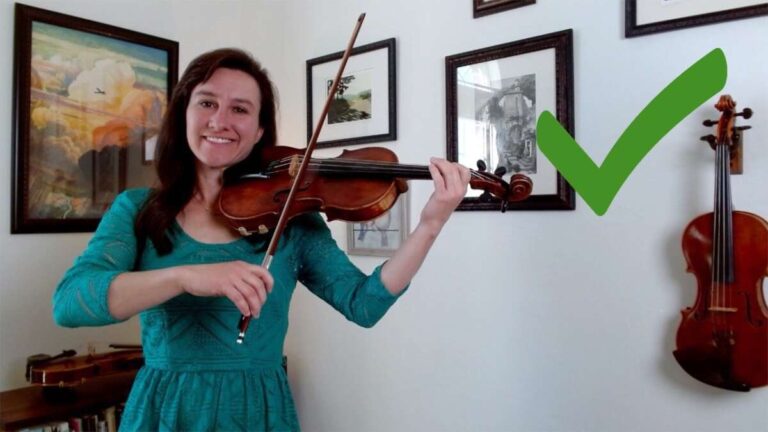
A teacher or shop employee can measure the player from the neck to the middle of the palm or wrist. The player should also hold the violin comfortably under the chin and reach the scroll without stretching.
A violin that is slightly small may be easier to control than one that is too large. However, using a size that is far too small can limit technique and produce a thin sound.
Never choose a child’s violin only because it will “last longer.” A poor fit can cause tension in the neck, shoulder, wrist, and fingers. Comfort matters more than saving money on an instrument that the player cannot use well.


Learn the Difference Between Violin Types
Before you shop, understand the main types of violins available. This makes it easier to compare similar instruments.
Student violins
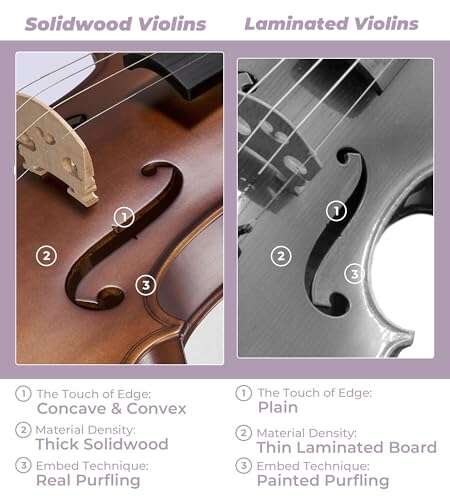
Student violins are built for beginners and developing players. They may use less expensive wood and simpler finishes, but a well-made student violin should still have a clear tone and comfortable response.
A good student violin should:
• Stay in tune reasonably well
• Have smooth fingerboard edges
• Respond without excessive force
• Hold the bridge securely
• Include properly fitted pegs
Intermediate violins
Intermediate instruments usually offer more color, projection, and control. They may be handmade or produced in small workshops. These violins can help players who have developed basic technique and want a wider range of sound.
Advanced and professional violins
Professional violins may be handmade, antique, or made by respected makers. Their prices can vary from several thousand dollars to much more. Brand, maker, condition, history, materials, sound, and market demand all affect value.
A higher price does not always mean a better match for every player. Tone is personal. One musician may prefer a bright violin, while another prefers a warm and dark sound.
Electric violins
Electric violins use pickups and require amplification or headphones. They can be useful for amplified performances, apartment practice, and modern music. They often feel different from acoustic violins and should not be purchased as a replacement for a quality acoustic instrument unless the player understands that difference.

Inspect the Violin’s Construction
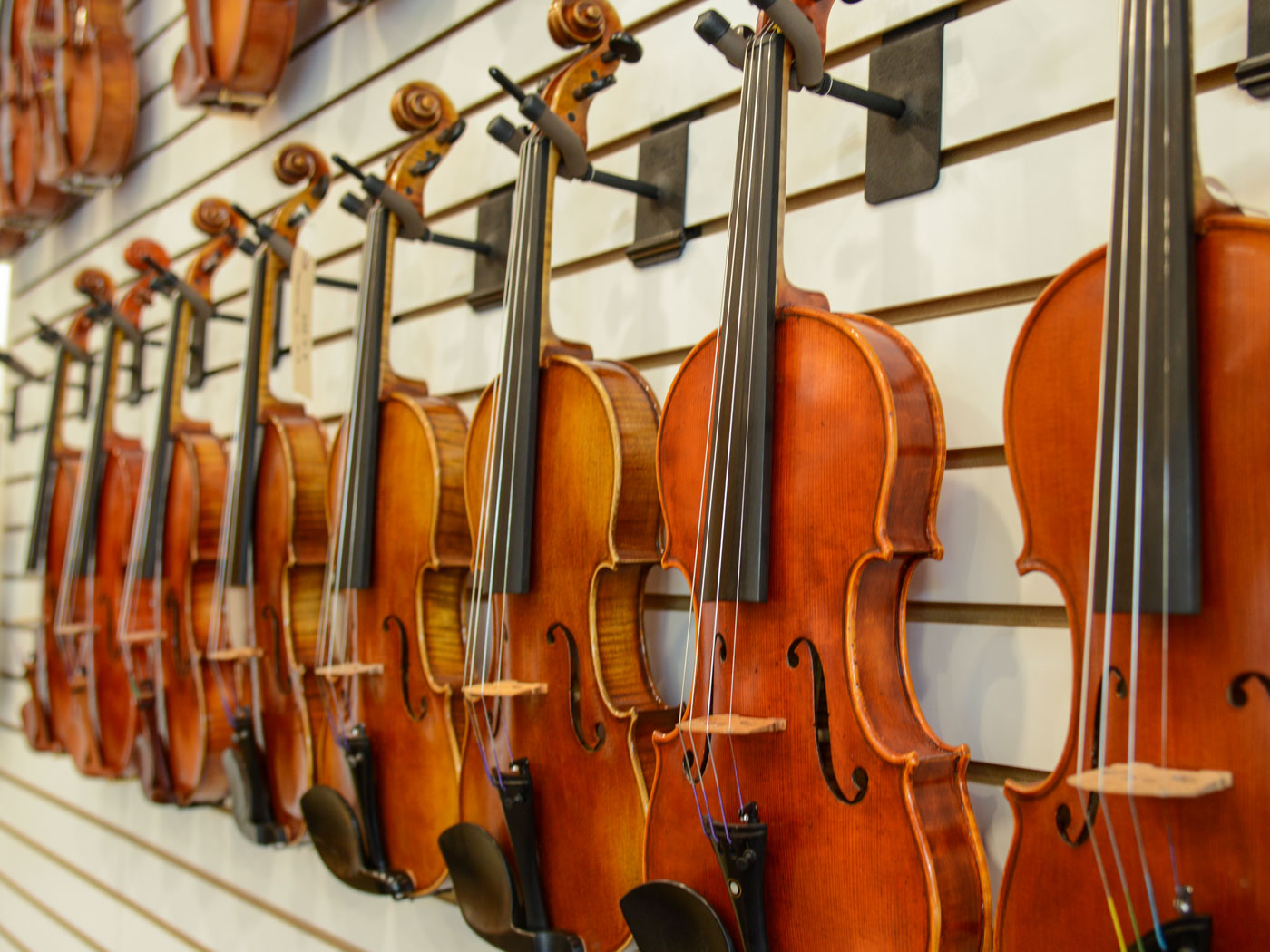
A careful inspection is a key part of how to shop for a violin. You do not need to be a luthier, but you should know what to look for.
Check the top, back, ribs, neck, and scroll for visible damage. Small marks are normal on used instruments. Open cracks, loose seams, and major repairs need professional attention.


Look for these signs:
• The bridge stands upright and is centered between the f-holes.
• The fingerboard looks smooth and properly shaped.
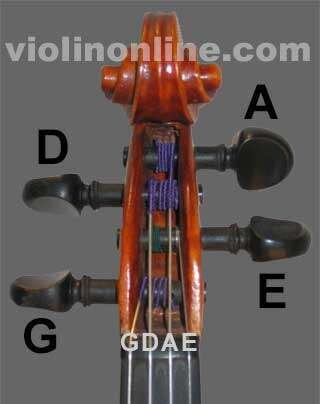
• The pegs turn without slipping or locking.
• The tailpiece is secure.
• The fine tuners move smoothly.
• The endpin fits firmly.
• The strings sit at a comfortable height above the fingerboard.
• The seams do not show large gaps.
The bridge should not lean sharply toward the fingerboard or tailpiece. A leaning bridge can warp or fall. Do not try to force it into place if you are unfamiliar with violin setup.
Cracks near the sound post, bass bar, or end button can be costly to repair. If you are considering a used violin, ask an experienced violin maker or repair shop to inspect it before you buy.
A clean interior label also does not prove that the violin was made by the named maker. Labels are often copied or misunderstood. Sound, construction, condition, and expert evaluation matter more.

Pay Close Attention to the Setup
Setup may be the most overlooked part of how to shop for a violin. Setup means adjusting the instrument so it plays properly. It includes the bridge, sound post, nut, pegs, fingerboard, strings, and sometimes the tailpiece.
Two violins made from similar materials can feel completely different because one has better setup.


A good setup can improve:
• Tuning stability
• String response
• Ease of fingering
• Bow control
• Comfort
• Tone
• Volume
The strings should not sit so high that the player must press hard. They should also not buzz against the fingerboard during normal playing.
The fingerboard must have the right curve. If it is too flat, the player may touch nearby strings by accident. If it is badly worn, notes may sound uneven.
Pegs are another common problem. They should turn smoothly and hold their position. Beginners often blame themselves when the real issue is slipping pegs.
When comparing violins, ask whether the price includes a professional setup. If it does not, request a written estimate from a qualified violin shop. Setup costs vary by instrument and region, but the investment may transform a difficult violin into a comfortable one.

Test the Violin Before Buying
The most important practical step in how to shop for a violin is to play it. If you are a beginner, ask your teacher or an experienced player to test it for you.
Try several violins in the same room. This gives you a fair comparison. Play open strings, simple scales, long bows, and a familiar song.
Listen for:
• A clear sound on every string
• Easy response at the start of each note
• Even volume across the strings
• A tone that remains stable at soft and loud dynamics
• Limited buzzing or rattling
• Comfortable fingering
A violin may sound bright under your ear but warm to someone sitting several feet away. If possible, have another person play while you listen from across the room.
Try the instrument with more than one bow. A bow can change the sound and response almost as much as the violin itself.
One lesson from many instrument trials is that first impressions can mislead. A violin with a loud sound may seem impressive at first, but it may become tiring to play. A quieter instrument with an easy response may help a beginner make faster progress.
Take notes after each trial. Write down the violin’s price, maker, tone, comfort, and possible problems. After testing five or six instruments, details can blur together.

Choose a Bow That Matches the Violin
A violin bow is not a minor accessory. It controls articulation, volume, tone, and many aspects of expression.
A good beginner bow should be straight when viewed from the frog toward the tip. Its hair should be clean, evenly fitted, and properly tensioned. The stick should not twist sharply to one side.
Check these features:
• The frog fits securely.
• The screw turns smoothly.
• The tip is not chipped or cracked.
• The stick has a healthy curve when loosened.
• The hair grips the string without excessive force.
Carbon-fiber bows can be durable and consistent. Pernambuco and other quality wood bows may offer a different feel and sound. Neither material is automatically best for every player.
Avoid buying the cheapest bow included in a package without testing it. A weak bow can make bow control difficult, even when the violin itself is suitable.
If your budget is limited, ask a shop to compare a few bows in your price range. A modest violin paired with a responsive bow can be more enjoyable than an expensive violin paired with a poor bow.

Compare New and Used Violins
Both new and used violins can be good choices. The better option depends on condition, seller knowledge, warranty, and setup.
A new violin may offer:
• A return period
• A warranty
• Fresh strings
• Modern manufacturing
• Easier price comparison
A used violin may offer:
• A more mature sound
• Better materials for the price
• A history of professional repairs
• A unique character
Used instruments also bring more risk. They may have hidden cracks, repaired damage, worn fingerboards, or altered parts.
When buying used, ask:
• Who made the violin?
• How old is it?
• Has it been repaired?
• When was it last serviced?
• Are there cracks or open seams?
• Can a professional inspect it?
• Is there a return period?
Be cautious with online marketplaces. Photos can hide damage, and sound recordings are affected by microphones, rooms, and editing. If you buy online, choose a seller with a clear return policy and a reputation for string instruments.
Private sellers may offer lower prices, but they may not understand violin condition. A specialist violin shop often charges more because it provides evaluation, setup, advice, and after-sale support.

Understand Labels, Brands, and Appraisals
Violin labels can be helpful, but they are not proof of origin. Many instruments carry labels that describe a model, workshop, or famous maker rather than the person who built the violin.
A brand name is also only one part of the decision. A respected factory may produce several levels of instruments. A lesser-known maker may create an excellent violin that receives less attention in the market.
If the seller claims that a violin is rare or valuable, ask for documentation. An appraisal should come from a qualified expert who is independent from the sale when possible.
A proper appraisal may discuss:
• Maker or probable origin
• Approximate date
• Materials and construction
• Condition
• Repairs
• Market value
• Insurance value, if relevant
Do not pay a premium based only on a dramatic story. A violin’s sound and playing condition are more important for most musicians than an unverified label.
For expensive instruments, obtain a written condition report. You may also need insurance coverage and secure storage. A valuable violin should never be left in a hot car, near a heater, or in a damp basement.
Know Which Accessories You Need
A complete violin setup includes more than the instrument and bow. The right accessories protect the violin and make practice easier.
Most players need:
• A sturdy case with good padding
• Rosin suited to the bow hair
• A shoulder rest or shoulder support
• A clip-on tuner or tuning app
• A soft cleaning cloth
• Spare strings
• A music stand
• A humidifier for very dry climates
A shoulder rest is not required for every player, but many people find it improves comfort and helps keep the violin stable. Try different shapes rather than assuming one popular model will fit everyone.
Rosin should be applied lightly. Too much rosin creates dust and can make the sound harsh. Wipe rosin dust from the strings and varnish after playing.
A case should protect against ordinary bumps and temperature changes. Avoid leaving a violin in direct sunlight or a hot vehicle. Wood responds to moisture and temperature, so sudden changes can cause damage.
These small habits are part of learning how to shop for a violin because the true cost includes care over time.
Watch for Common Buying Mistakes
Many new players make the same mistakes when they shop for a violin. Knowing them can save money and frustration.
Buying by appearance alone
A glossy finish, decorative purfling, or antique-looking label does not guarantee good sound. Test the instrument and inspect its condition.
Choosing the cheapest package
Low-cost packages may include a weak bow, poor strings, and a case that offers little protection. Compare the quality of every part.
Skipping a teacher’s advice
A teacher can spot size, posture, and playability issues that a new player may miss. Even one short consultation can be valuable.
Ignoring the return policy
A violin may sound different at home than it did in a shop. A return period gives you time to test it during normal practice.
Buying a violin that is too advanced
A costly violin will not replace good lessons and practice. Beginners usually benefit more from a responsive, stable instrument than from a rare or powerful one.
Failing to budget for repairs
Used violins may need new strings, peg work, bridge adjustment, or seam repair. Ask for a condition check before making a final decision.
A good purchase should feel calm, not rushed. If a seller pressures you to pay immediately, take a step back.
Ask the Right Questions at the Shop
A knowledgeable seller should welcome questions. Clear answers are a sign of a professional service.
Ask:
• Is this violin properly set up?
• What size is it?
• What strings are installed?
• Has it had any repairs?
• Is the bridge original?
• Can I try it with more than one bow?
• What does the warranty cover?
• How long is the return period?
• Do you offer trade-in credit?
• Can my teacher inspect it?
Trade-in programs can be useful for children who will need larger sizes later. Read the terms carefully. Some shops offer full credit, while others deduct a percentage or limit the credit to selected instruments.
Ask whether future setup or repair work is included. A reliable relationship with a local violin shop can be more valuable than saving a small amount on the initial purchase.
When helping someone compare instruments, I recommend asking the same questions about each violin. Consistent questions make the comparison more accurate and reduce emotional decisions.
Make a Smart Final Decision
After testing instruments, compare the finalists in a quiet and practical way. Do not choose only the loudest violin or the most expensive one.
Score each instrument from one to five for:
• Comfort
• Tone
• Response
• Tuning stability
• Condition
• Bow quality
• Shop support
• Price
The right violin should feel inviting. You should want to pick it up again. For a beginner, ease of response often matters more than maximum volume.
If you are unsure between two violins, rent both if the shop allows it. A few days of practice can reveal problems that are not obvious during a short trial.
A teacher’s opinion is especially useful because teachers understand the player’s current technique. They can also judge whether the instrument will support the next stage of learning.
Do not expect a beginner violin to sound like a concert instrument. The goal is a stable, comfortable tool that encourages practice and allows the player to grow.
Rent or Buy a Violin?
Renting is often sensible for young children, uncertain beginners, and students who may change sizes. A rental program may include maintenance, insurance options, and size exchanges.
Buying may make more sense when:
• The player practices regularly
• The correct size is unlikely to change
• The family has a clear long-term plan
• The instrument has strong resale value
• The player has received advice from a teacher
Some rent-to-own programs apply part of the rental cost toward a future purchase. Review the agreement carefully. Check the total cost, repair coverage, exchange rules, and ownership terms.
For a child, renting a quality 1/2 violin may be wiser than buying a low-cost 1/2 violin and selling it later. For an adult who intends to study for several years, buying a well-set-up 4/4 violin may offer better value.
There is no universal answer. The best choice depends on the player’s size, goals, budget, and access to a trustworthy shop.
Care for Your New Violin
Once you know how to shop for a violin, proper care helps protect your investment. Always loosen the bow after playing. Wipe rosin from the strings and instrument with a dry, soft cloth.
Store the violin in its case when it is not being played. Keep the case away from radiators, fireplaces, windows with direct sun, and vehicles exposed to extreme heat or cold.
Have the violin checked if you notice:
• Persistent buzzing
• A bridge that is leaning
• Pegs that slip
• Open seams
• Cracks
• A loose tailpiece
• Sudden changes in sound
Do not use household glue or try to repair cracks yourself. Improper repairs can reduce the instrument’s value and make professional work harder.
Humidity can affect wooden instruments. Extremely dry air may cause cracks, while excessive moisture can affect glue joints and response. A violin specialist can recommend suitable humidity control for your region.
Regular care is simple, but it prevents small issues from becoming expensive problems.
Frequently Asked Questions About How to Shop for a Violin
What is a good violin for a beginner?
A good beginner violin is correctly sized, easy to play, stable in tuning, and professionally set up. It does not need to be expensive, but it should come from a seller who offers reliable support and a reasonable return policy.
How much should I spend on a beginner violin?
Many beginners find suitable instruments between $200 and $800, although prices vary by region and quality. Include the bow, case, strings, setup, and accessories when planning your total budget.
Should I buy or rent a violin?
Renting is often best for children who may need larger sizes or beginners who are unsure about continuing. Buying can be a good choice when the player is committed, uses a full-size violin, and has access to expert advice.
How do I know if a violin sounds good?
A good violin should produce a clear, even sound across all four strings and respond without excessive force. Have another player test it from several feet away because the sound under your ear may differ from what an audience hears.
Is an old violin better than a new violin?
Age alone does not make a violin better. A well-made, well-maintained new violin can outperform an old instrument with cracks, poor repairs, or weak setup.
Can I buy a violin online?
You can buy a violin online, but choose a specialist seller with clear photos, a return period, and a detailed condition report. Avoid expensive purchases based only on a label or a short audio clip.
What size violin does an adult need?
Most adults use a full-size 4/4 violin. Smaller adults may prefer a 7/8 violin, but a teacher or shop professional should help confirm the most comfortable size.
Conclusion
Knowing how to shop for a violin means looking beyond price and appearance. Focus on correct size, sound, comfort, construction, setup, bow quality, and support from a trustworthy seller. Test several instruments, involve a teacher when possible, and leave room in your budget for accessories and future care.
The right violin should make practice feel possible, not punishing. Visit a reputable violin shop, compare your options calmly, and choose the instrument that feels comfortable in your hands and inspires you to play.

Senior Music Reviewer
Alex Carter is a seasoned music reviewer with over a decade of experience in the world of sound and instruments. Passionate about helping musicians and enthusiasts make informed choices, he brings sharp insights and in-depth knowledge to every review. From classical instruments to modern gear, Alex combines technical expertise with a love for music to deliver content that resonates with readers.
As a Senior Music Reviewer and expert author on Tuneluma.com, Alex is dedicated to sharing honest evaluations, practical advice, and thoughtful commentary to guide readers in their musical journey.