Classical Vs Acoustic Guitar: Key Differences
classical guitars use nylon strings and wide necks, while acoustic guitars usually use steel strings and slimmer necks.
Understanding what is the difference between classical and acoustic guitar helps you choose the right instrument, strings, and learning path. Both guitars are acoustic, meaning they create sound without electronic amplification, but their design, feel, tone, and best uses differ in important ways. This guide breaks down those differences so you can make a confident choice.
The Main Difference Between Classical and Acoustic Guitar
The simplest way to explain what is the difference between classical and acoustic guitar is to compare their strings and construction.
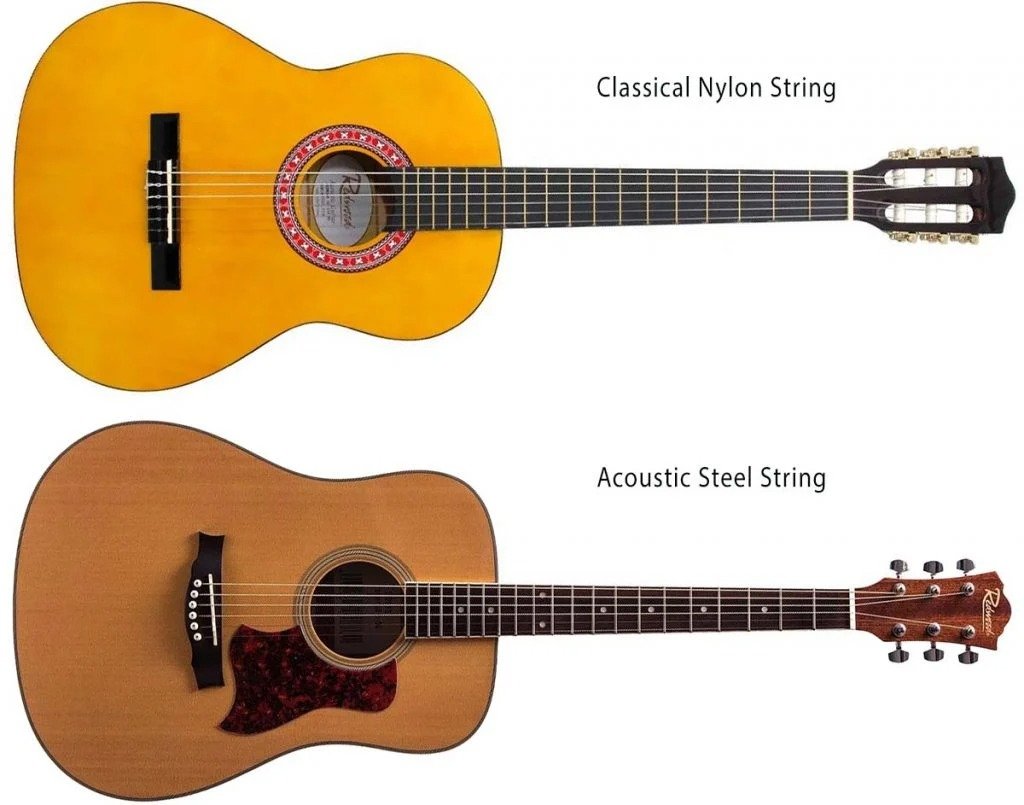
A classical guitar uses three nylon strings and three strings with nylon cores wrapped in metal. An acoustic guitar, often called a steel-string acoustic guitar, uses six steel strings. This single difference affects the guitar’s tone, neck size, playing comfort, body strength, and musical role.
Classical guitars are made for warm, clear, and controlled sounds. They are common in classical music, flamenco, Latin music, and fingerstyle playing.
Steel-string acoustic guitars produce a brighter, louder, and more powerful sound. They are widely used in folk, country, blues, rock, pop, worship music, and singer-songwriter performances.
It is also useful to clarify one point: a classical guitar is technically a type of acoustic guitar because it produces sound acoustically. However, when people say “acoustic guitar,” they usually mean a steel-string acoustic guitar.
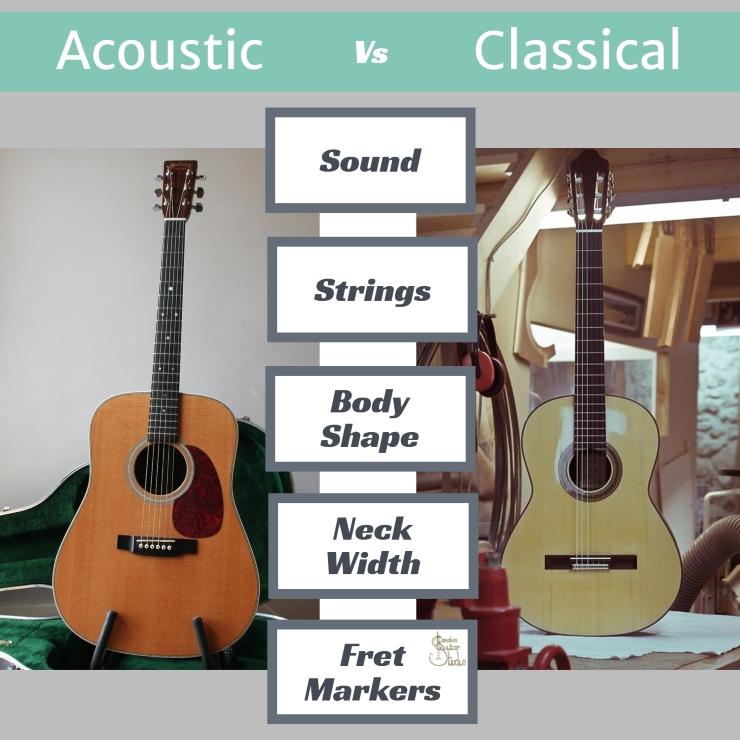
Classical Guitar vs. Acoustic Guitar: A Quick Comparison
| Feature | Classical guitar | Steel-string acoustic guitar |
|---|---|---|
| Strings | Nylon and nylon-core strings | Steel strings |
| Neck | Wide and fairly flat | Narrower and often slightly curved |
| Tone | Soft, warm, and mellow | Bright, loud, and crisp |
| Common music | Classical, flamenco, Latin, fingerstyle | Folk, country, rock, pop, blues |
| Playing style | Fingerpicking and formal fingerstyle | Strumming, picking, and mixed techniques |
| Body strength | Built for lower string tension | Built for higher string tension |
| Frets | Often wider string spacing | Usually tighter string spacing |
| Typical scale | Around 25.5 inches | Commonly 24.9 to 25.5 inches |
| Pick use | Less common | Very common |
| Beginner feel | Softer strings but wider neck | More familiar neck shape but firmer strings |
This table gives a useful overview, but the real difference between classical and acoustic guitar becomes clearer when you look at each part of the instrument.

String Type and String Tension
Strings are the most noticeable physical difference between classical and acoustic guitar.
Nylon strings feel softer under the fingers. They usually cause less discomfort when a beginner starts playing. The lower tension also makes techniques such as finger rolls, arpeggios, and expressive vibrato feel natural.
Steel strings are firmer and create much more tension. They can feel harder on untrained fingertips, especially during the first few weeks. In return, steel strings produce more volume, stronger bass, and a sharper attack.
The tension difference also affects guitar construction. A steel-string acoustic guitar has internal bracing designed to handle the pull of steel strings. A classical guitar is not built for that level of tension.
Never put steel strings on a classical guitar. The extra tension can damage the bridge, top, neck, or internal braces. This is one of the most important lessons for new guitar owners.
You should also avoid putting standard nylon strings on a steel-string guitar unless the instrument maker specifically approves it. The bridge and tuning system may not hold the strings correctly.
Neck Width and Playing Comfort
The neck is another major factor when comparing what is the difference between classical and acoustic guitar.
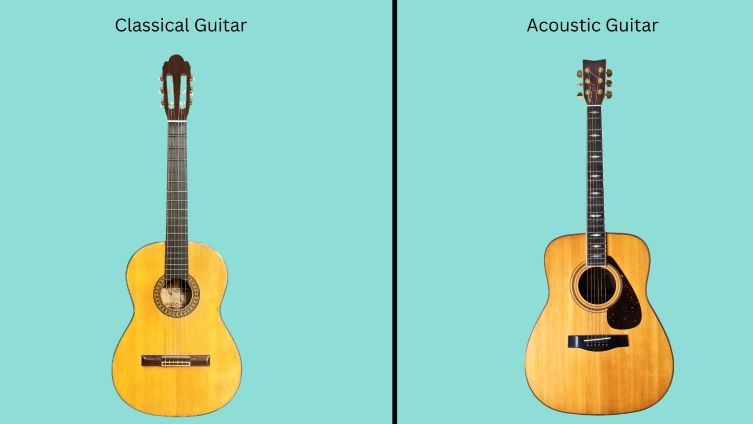
Classical guitars usually have wide necks. Many models measure close to 2 inches at the nut. The strings are spaced farther apart, which gives each finger more room. This design helps players perform separate bass and melody lines with the right hand.
Steel-string acoustic guitars usually have narrower necks. Their string spacing is tighter, which can make chords and quick changes feel easier for many players. The narrower profile also suits strumming and flat-picking.
A wide classical neck can feel awkward if you have small hands. However, it can also help prevent your fingers from touching nearby strings. A narrow acoustic neck may feel faster, but it requires more precise fretting.
In my experience helping new players compare instruments, comfort matters more than tradition. A guitar that feels natural in your hands will encourage longer practice sessions. Try both types for at least 10 minutes before making a choice.
Body Shape, Bracing, and Volume
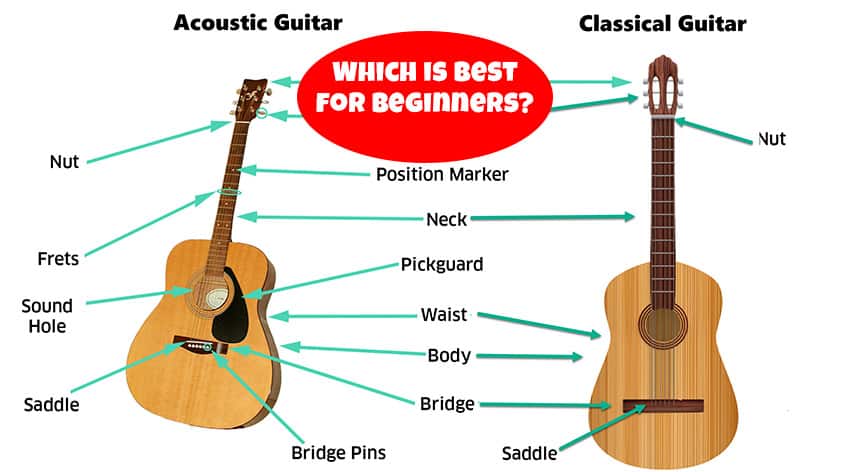
Classical guitars often have smaller or medium-sized bodies. Their tops are light and responsive, allowing nylon strings to create a rich sound without extreme tension.
Steel-string acoustic guitars come in many body shapes, including:
• Dreadnought, which offers strong bass and high volume
• Concert, which feels balanced and comfortable
• Auditorium, which provides a versatile mix of bass and treble
• Parlor, which has a smaller body and focused midrange
The internal bracing also differs. Bracing is the wooden support system inside the guitar top. Classical guitars use a design suited to nylon-string tension, often with fan bracing. Steel-string guitars commonly use X-bracing or related patterns to support stronger string tension.
These design choices explain why steel-string guitars can project more sound. They must move enough air to support strumming and group performance. Classical guitars focus more on detail, balance, and control.

Tone and Musical Style
Tone is often the deciding factor in the difference between classical and acoustic guitar.
A classical guitar has a round, warm, and gentle tone. Individual notes blend smoothly, which works well for melodies and layered fingerstyle pieces. The sound can feel intimate, like a quiet conversation.
A steel-string acoustic guitar has more brightness and attack. Chords ring with energy, and the instrument can cut through other instruments. This makes it useful for singing while playing.
Choose a classical guitar if you enjoy:
• Classical guitar compositions
• Spanish and flamenco music
• Bossa nova and Latin styles
• Solo fingerstyle arrangements
• Soft, detailed melodies
Choose a steel-string acoustic guitar if you enjoy:
• Singer-songwriter music
• Folk and country
• Blues and bluegrass
• Rock and pop rhythm guitar
• Strumming with a pick
There are no strict rules. Players often use classical technique on steel-string guitars, and some use nylon-string guitars for modern pop or jazz. The instrument should support your musical goals, not limit your creativity.

Playing Technique and Hand Position
Classical and steel-string acoustic guitars invite different techniques.
Classical guitarists usually sit with the guitar elevated on the left leg. A footstool, guitar support, or ergonomic cushion may help place the neck at a comfortable angle. The right hand often uses the thumb, index, middle, and ring fingers separately.
Classical technique also emphasizes rest strokes, free strokes, arpeggios, and precise left-hand movement. Fingernails are often shaped carefully to create a clean tone.
Steel-string players use many techniques, including:
• Flat-picking with a guitar pick
• Strumming with the thumb or fingers
• Hybrid picking
• Palm muting
• Bending and sliding
• Percussive rhythm patterns
Steel strings respond well to bends and strong rhythmic attacks. Nylon strings are usually better for smooth fingerstyle lines and delicate expression.
A common beginner mistake is trying to force one technique onto the wrong instrument. For example, aggressive pick strumming may not suit a light classical guitar. Likewise, fast classical arpeggios may feel cramped on a narrow steel-string neck.

Which Guitar Is Easier for Beginners?
The answer depends on your hands, goals, and tolerance for discomfort.
Nylon strings are softer, so a classical guitar may feel easier during the first few practice sessions. Many beginners appreciate the reduced pressure on their fingertips.
However, the wide neck can make chord shapes harder for some players. If you want to play popular songs with basic chords, a steel-string acoustic guitar may feel more familiar despite its firmer strings.
Steel-string guitars can cause sore fingertips at first. This is normal when you are building calluses, but sharp pain is a sign to stop and check your technique. Short practice sessions of 10 to 15 minutes can help your fingers adjust safely.
For children or players with smaller hands, consider a three-quarter-size guitar or a model with a reduced body. A good setup from a qualified guitar technician can also lower the action and improve comfort.
Can You Use a Classical Guitar for Acoustic Songs?
Yes, you can use a classical guitar for many acoustic songs. Its warm tone works especially well for gentle ballads, fingerstyle arrangements, Latin music, and quiet vocal performances.
The guitar may not provide the same volume or brightness as a steel-string model. Strong strumming can also make nylon strings sound less focused. Still, many players prefer the softer sound because it leaves more room for the voice.
If a song uses standard steel-string chord shapes, you can usually play those shapes on a classical guitar. The wider neck may require more reach, though. Some modern nylon-string guitars have narrower necks and are designed for crossover playing.
This is a good example of why what is the difference between classical and acoustic guitar is not simply a matter of “better” or “worse.” Each design creates a different musical experience.

Can You Use Steel Strings on a Classical Guitar?
No. Standard steel strings should not be installed on a classical guitar.
Steel strings create much higher tension than nylon strings. That tension can pull up the bridge, warp the top, bend the neck, or cause serious structural damage. Repairs may cost more than the original instrument.
If you want a brighter sound from a classical guitar, use the correct type of nylon or carbon-string set recommended by the manufacturer. Carbon strings can sound clearer and more projecting while maintaining suitable tension.
Always check the label inside the guitar or ask a qualified repair technician before changing string types. A few minutes of advice can prevent permanent damage.
How to Choose the Right Guitar
Use your music goals as the starting point. Do not choose only because one guitar looks attractive or because a friend prefers it.
Follow these steps:
-
Think about the music you want to play. Choose steel strings for strong rhythm and classical strings for traditional classical or gentle fingerstyle work.
-
Test the neck. Make sure you can reach common notes and chords without excessive strain.
-
Listen to the tone. Play single notes, open chords, and a simple melody.
-
Check the action. The strings should not sit unusually high above the fretboard.
-
Inspect the construction. Look for cracks, a lifting bridge, loose tuning machines, or a visibly bowed neck.
-
Consider body size. A smaller body may be more comfortable, while a larger body may offer more bass and volume.
-
Set a realistic budget. A well-made entry-level guitar is usually a better choice than a poorly built decorative model.
When I have helped players choose between the two, the best results came from matching the instrument to the player’s routine. Someone who wants to sing around a campfire often needs a steel-string acoustic. Someone who enjoys quiet solo practice may feel happier with nylon strings.
Common Mistakes to Avoid
New players often make avoidable errors when learning what is the difference between classical and acoustic guitar.
• Buying based only on appearance can lead to poor comfort and weak motivation.
• Using the wrong strings can damage the guitar.
• Choosing a very large body can make practice tiring.
• Ignoring finger pain can lead to poor technique or injury.
• Assuming nylon strings require no finger adjustment is misleading.
• Expecting a classical guitar to sound like a dreadnought creates frustration.
• Skipping a professional setup can make a good guitar feel difficult to play.
A guitar should feel like a helpful tool, not a physical obstacle. If fretting feels unusually hard, have the instrument checked. High action, poor fretwork, or an incorrectly cut nut can affect playability more than the guitar’s category.
Research and Expert Guidance
The design differences between classical and steel-string guitars are well established in guitar construction and performance education. Instrument makers specify different string tensions, bracing systems, neck dimensions, and bridge designs for each type.
Organizations and educational resources connected with classical guitar performance emphasize right-hand finger technique, posture, nail care, and controlled tone production. Steel-string teaching methods commonly focus on chord vocabulary, rhythm, pick technique, and ensemble playing.
String manufacturers also publish tension charts and installation guidance. These charts confirm that string tension varies by material, gauge, tuning, and scale length. Because tension is not identical across all sets, follow the guitar maker’s recommendations rather than guessing.
No single comparison can predict every player’s experience. Individual guitars vary by body size, wood, setup, string gauge, and construction quality. Treat general advice as a starting point, then judge the instrument in your own hands.
Frequently Asked Questions About What Is the Difference Between Classical and Acoustic Guitar
Is a classical guitar the same as an acoustic guitar?
A classical guitar is a type of acoustic guitar because it produces sound without electronic amplification. In everyday use, however, “acoustic guitar” usually means a steel-string acoustic guitar.
Which guitar is better for beginners?
Neither is best for everyone. A classical guitar has softer strings, while a steel-string acoustic may suit beginners who want to play pop, folk, country, or singer-songwriter music.
Can you play classical music on a steel-string acoustic guitar?
Yes, you can play classical pieces on a steel-string acoustic guitar. However, the narrower neck, higher tension, and brighter tone may make some classical techniques less comfortable.
Can you play pop songs on a classical guitar?
Yes. A classical guitar can play pop songs, especially songs that use fingerpicking or gentle chord patterns. Its tone will usually sound warmer and softer than a steel-string version.
Do classical guitars have steel strings?
Traditional classical guitars use nylon or similar synthetic strings, not standard steel strings. Installing steel strings can damage the instrument because classical guitars are not built for that tension.
Which guitar is easier on your fingers?
Nylon strings are generally gentler on the fingertips than steel strings. Still, correct technique, short practice sessions, and a well-adjusted instrument matter just as much.
Do classical guitars have wider necks?
Most classical guitars have wider necks and more space between the strings. This helps fingerstyle playing but may feel less comfortable for players with smaller hands.
Is an acoustic guitar louder than a classical guitar?
A steel-string acoustic guitar is usually louder and has more projection than a classical guitar. The exact volume depends on body size, construction, strings, and how the player performs.
Conclusion
The difference between classical and acoustic guitar comes down to more than string material. Classical guitars use nylon strings, wider necks, and warm tones for fingerstyle and traditional music. Steel-string acoustic guitars use higher-tension strings, narrower necks, and brighter tones for strumming, picking, and modern popular styles.
Choose the guitar that matches the music you want to play and the way you want to practice. Visit a music store, test both types, and pay close attention to comfort, tone, and playability. Then spend a few minutes each day building skill on the instrument that feels right, and share your experience or explore more guitar guides as your playing develops.

Senior Music Reviewer
Alex Carter is a seasoned music reviewer with over a decade of experience in the world of sound and instruments. Passionate about helping musicians and enthusiasts make informed choices, he brings sharp insights and in-depth knowledge to every review. From classical instruments to modern gear, Alex combines technical expertise with a love for music to deliver content that resonates with readers.
As a Senior Music Reviewer and expert author on Tuneluma.com, Alex is dedicated to sharing honest evaluations, practical advice, and thoughtful commentary to guide readers in their musical journey.