What Are Good Drum Sets: Best Choices For Every Drummer
Good drum sets offer solid shells, reliable hardware, clear tone, and a setup that fits your music.
Knowing what are good drum sets depends on more than brand names or price tags. A strong kit should match your skill level, music style, room, budget, and plans for growth. This guide explains the key parts of a drum set, compares acoustic and electronic options, highlights trusted choices, and shares practical buying tips to help you choose with confidence.
What Are Good Drum Sets?
Good drum sets are kits that produce a useful sound, stay in tune, feel comfortable to play, and hold up over time. They do not need to be the most expensive kits in a store. A well-made beginner set can be a better choice than a costly kit that does not suit your style.
When asking what are good drum sets, start with these core features:
• Quality shells that create a balanced tone
• Strong stands, pedals, and mounting hardware
• Drumheads that tune easily
• A bass drum pedal with smooth movement
• Cymbals that sound musical rather than harsh
• Sizes that fit the player and the room
• Parts that can be replaced or upgraded
A drum set is like a small orchestra. Each part has a job, but the whole kit must work together. A snare may sound great alone, yet it can feel wrong if the bass drum is weak or the cymbals are too bright.
The best drum sets also support good habits. Comfortable drum angles, stable stands, and a properly adjusted throne can improve timing and reduce strain. These details matter just as much as shell wood.

Main Parts of a Drum Set
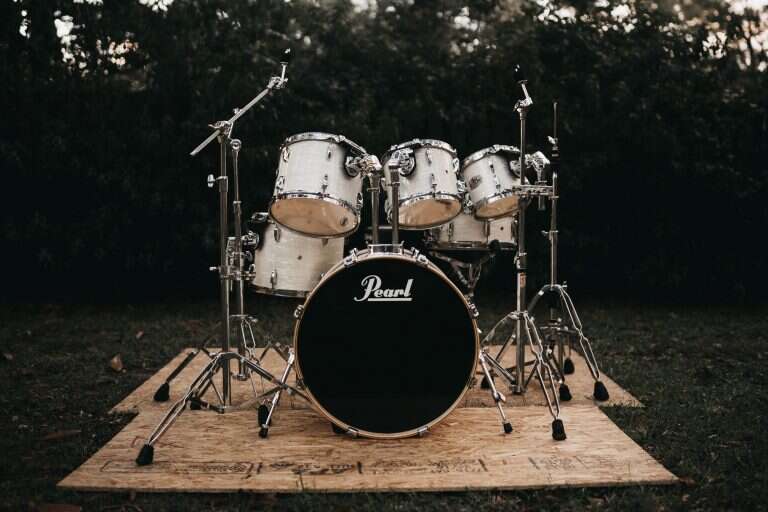
Understanding each part makes it easier to decide what are good drum sets for your needs. Most acoustic kits include drums, cymbals, hardware, and a throne.
Bass drum
The bass drum, or kick drum, creates the low pulse in most beats. Common sizes include 18, 20, 22, and 24 inches.
A 20-inch bass drum is a flexible choice for beginners, jazz players, small rooms, and many pop styles. A 22-inch bass drum gives a deeper, larger sound and is common in rock and live performance.
A larger bass drum is not always better. It may need more space and can sound too powerful in a small room.
Snare drum
The snare drum gives the beat its crack and sharp attack. It uses metal wires called snares beneath the bottom head.
Many beginner kits include a 14-by-5.5-inch snare. This size works well for rock, pop, worship, country, and basic practice. Deeper snares can sound fuller, while shallow snares often respond faster and sound brighter.
The snare is the drum most players notice first. For that reason, upgrading the snare can change the sound of an affordable kit more than replacing the toms.
Toms
Toms add fills, movement, and color. A basic kit may include two mounted toms and one floor tom.
Smaller toms usually sound higher and respond quickly. Larger toms produce lower and fuller notes. A five-piece kit often gives enough range for most beginners without taking over the room.
cymbals
cymbals include the hi-hat, crash, and ride. Some kits also use splash or china cymbals.
Cymbals are often the weakest part of low-cost drum sets. Many budget kits include thin brass cymbals that sound loud but harsh. Better bronze cymbals usually offer more control, warmth, and musical detail.
A good starting cymbal setup includes:
• One pair of hi-hats
• One crash cymbal
• One ride cymbal
• Strong cymbal stands
Hardware and throne
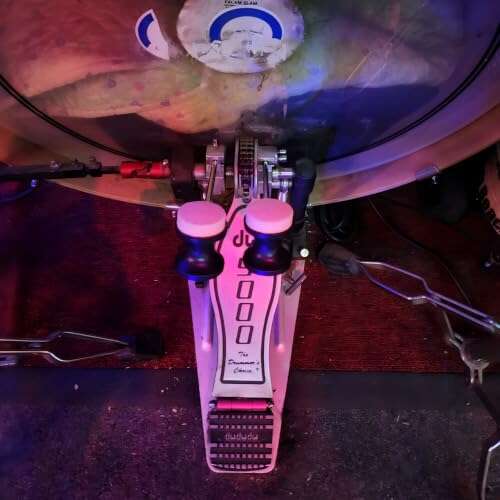
Hardware includes stands, pedals, tom mounts, and the drum throne. It may look less exciting than the drums, but it affects comfort and safety.
A weak throne can wobble during fast playing. A poor bass drum pedal can make simple patterns feel difficult. Reliable hardware is one of the clearest signs of what are good drum sets.

Acoustic vs. Electronic Drum Sets
The choice between acoustic and electronic drums depends on your home, goals, and playing style. Both types can be good drum sets, but they solve different problems.
Acoustic drum sets
Acoustic drums create sound through real shells, heads, and cymbals. They offer a natural response that many players prefer.
Benefits include:
• Realistic stick feedback
• Natural cymbal movement
• Strong visual and stage presence
• Easy access to replacement parts
• A wide range of shell and cymbal sounds
Acoustic kits can be loud. Even a small kit may disturb family members or neighbors. You may need practice pads, low-volume cymbals, sound treatment, or a separate practice space.
Electronic drum sets
Electronic drums use rubber or mesh pads and a sound module. The module contains sampled or modeled drum sounds.
Benefits include:
• Volume control through headphones
• Built-in metronomes and play-along tracks
• Easy recording through USB or audio outputs
• Compact setup options
• Training tools for new players
Mesh heads often feel more natural than hard rubber pads. However, electronic kits still need space, cables, power, and regular maintenance. The sound depends on the module, speakers, and headphones.
Electronic drums can be excellent for apartment practice. They are not always a complete replacement for acoustic drums, especially when a player needs to develop natural cymbal control and open-room dynamics.
Which type is better?
Acoustic drums are usually best for players who want traditional feel, live performance, or studio work. Electronic drums are often better for quiet practice, home recording, and flexible sound control.
If possible, try both types before buying. A short test can reveal more than a long product description.

Best Drum Sets for Beginners
The best beginner drum set should be complete, easy to adjust, and good enough to support steady practice. Avoid choosing only by the number of pieces in the box.
A beginner should look for:
• A five-piece shell pack or complete kit
• A stable throne
• A smooth bass drum pedal
• Adjustable tom and cymbal positions