What Is A Hang Drum: Sounds, Origins, And How It Works
A hang drum is a tuned steel percussion instrument played with the hands to create soft, melodic, bell-like tones.
What is a hang drum, really? It is more than a metal instrument that looks like a UFO. The Hang combines rhythm, melody, and harmony in one compact design. This guide explains its history, sound, design, playing method, benefits, limits, and the key difference between a true Hang and the many handpans inspired by it.

What Is a Hang Drum?
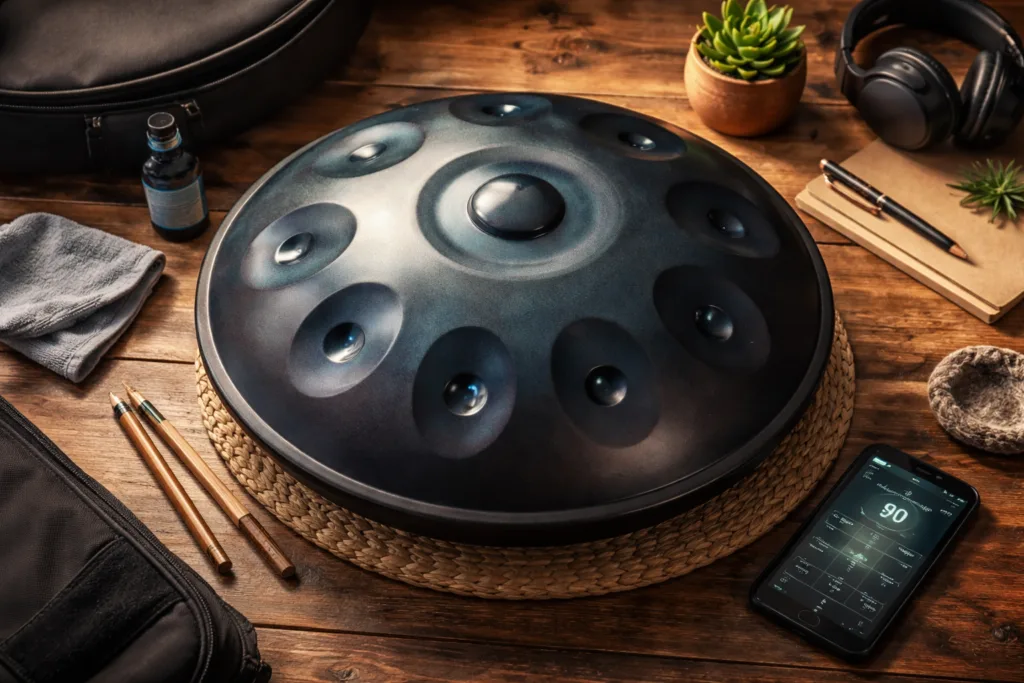
What is a hang drum? A hang drum is a convex steel percussion instrument with two joined metal shells. Players strike or tap its tuned areas with their fingers and palms. Each note produces a clear pitch, while the central tone often creates a deep, warm sound.
The original Hang was developed in Bern, Switzerland, around the year 2000. Swiss makers Felix Rohner and Sabina Schärer created it through their company, PANArt. The word “Hang” comes from the Bernese German word for “hand.”
Unlike a traditional drum, the Hang does not mainly produce a beat. It can play a small melody, support a rhythm, and create gentle sound effects at the same time. This is why many people describe it as a cross between a steel drum, a bell, and a melodic percussion instrument.
The term “hang drum” is widely used in everyday speech. However, the original makers preferred the name “Hang,” not “hang drum.” Today, many similar instruments are called handpans.

The History of the Hang
To understand what is a hang drum, it helps to know where it came from. PANArt introduced the first Hang in 2000. Its design drew from several instruments, including steel pans, gongs, bells, gamelan instruments, and metal percussion.
The original Hang had a rounded top and bottom shell. Its upper side included a central note called the Ding and several surrounding tone fields. The lower shell had a sound opening known as the Gu.
Early Hang models changed over time. PANArt released different generations, with changes to tuning, shape, tone fields, and playing response. The company later moved away from making the Hang and focused on other steel instruments, including the Gubal.
This history matters because many modern instruments look like the original Hang but are not made by PANArt. The word “handpan” now covers a broad family of steel instruments made by different builders.

How Is a Hang Drum Made?
A Hang begins with two pieces of shaped steel. These shells are formed, hardened, tuned, and joined to create a hollow resonating body. The metal must have the right balance of strength, flexibility, and vibration.
The maker carefully shapes each tone field. This process is not just about cutting metal. Small changes in depth, size, or tension can alter the pitch and the way notes respond.
A typical Hang includes:
• Two steel shells joined around the edge
• A central low note called the Ding
• Several surrounding notes or tone fields
• A lower sound opening called the Gu on many original models
• A tuned resonance system inside the shell
The notes are arranged to work well together. This makes it easier for new players to create pleasant sounds, even without advanced music theory. In many cases, the instrument uses a scale rather than all twelve notes of the Western chromatic system.

How Does a Hang Drum Sound?
The sound of a Hang is soft, rich, and layered. A single strike can include a main note, higher overtones, and a low hum. The result may sound like a small singing bell with a gentle drum pulse beneath it.
Tone depends on several factors:
• The instrument’s tuning and scale
• The hardness of the steel
• The shape of each tone field
• The player’s touch
• The location of the strike
• The room’s size and surfaces
A light fingertip tap creates a bright and delicate note. A fuller finger or palm strike creates more volume and bass. Striking near the center of a tone field often gives a stronger fundamental pitch, while striking near the edge can bring out different overtones.
This layered sound explains why people use handpans in meditation, sound therapy sessions, street performance, film music, and small acoustic concerts.
How Do You Play a Hang Drum?
Playing a Hang does not require drumsticks. Most players sit with the instrument on their lap. The central note usually faces upward, while the Gu or bottom opening faces toward the player’s body.
Beginners can start with three simple actions:
-
Tap one outer note with a relaxed fingertip.
-
Alternate between two nearby notes.
-
Add the central Ding as a bass response.
Use the soft parts of your fingers rather than stiff, hard strikes. The instrument responds best to control and timing, not force. A strong hit may sound harsh and can make accurate playing harder.
A useful beginner pattern is:
• Left hand: central Ding
• Right hand: outer note
• Left hand: another outer note
• Right hand: return to the first note
Repeat the pattern slowly. Many handpans use compatible scales, so simple patterns can sound musical from the start.
One common mistake is trying to play too loudly. The Hang is sensitive. Relaxed hands usually create a cleaner tone than powerful blows.

What Is the Difference Between a Hang Drum and a Handpan?
What is a hang drum compared with a handpan? A Hang is a specific instrument created by PANArt. A handpan is a broader term for similar convex steel instruments made by many makers.
The difference is similar to the relationship between a brand name and a product category. A particular brand may become famous, but the category grows beyond that original design.
Here are the main differences:
• Hang: The original PANArt instrument from Switzerland
• Handpan: A general term for modern instruments with tuned steel tone fields
• Hang drum: A popular but technically less precise name for either a Hang or a handpan
• Steel tongue drum: A different instrument that uses cut tongues in a metal surface
Many sellers use “hang drum” because the term is familiar to shoppers. If you want an authentic PANArt Hang, ask about its model, maker, history, and documentation. A modern handpan can still be excellent, but it should not be presented as an original Hang.

What Are the Benefits of Playing a Hang Drum?
What is a hang drum useful for beyond entertainment? It can support musical creativity, relaxation, and focused practice. Its accessible layout allows many beginners to make attractive sounds quickly.
Potential benefits include:
• Stress relief through slow, focused playing
• Improved hand coordination
• Stronger rhythm awareness
• A gentle introduction to melody
• Creative expression without complex equipment
• A portable option for acoustic music
• Support for group music and improvisation
Some people use handpans during yoga, meditation, or breathing exercises. The steady tones can help create a calm setting. Still, a Hang should not be treated as a medical treatment. Claims about curing illness or producing guaranteed therapeutic results are not supported by strong clinical evidence.
The best benefit is practical and clear: playing requires attention. You must listen, respond, and stay present. That focused process can feel calming after a busy day.

What Are the Limitations of a Hang Drum?
A balanced answer to what is a hang drum should include its limits. These instruments are sensitive, costly, and not ideal for every musical setting.
Important limitations include:
• High-quality instruments can be expensive
• The steel may go out of tune after hard impact
• Repairs and retuning require skilled specialists
• The sound may not project well in a loud band
• Some scales limit easy chord changes
• Cheap instruments may have uneven notes
• Weather and sudden temperature changes may affect tuning
Do not leave a handpan in a hot car or expose it to rain. Moisture can also lead to rust, especially if the protective coating is damaged.
A protective case is essential. Avoid placing heavy objects on the shell, and never use hard objects to play it unless the maker specifically allows that technique.
How to Choose a Hang Drum or Handpan
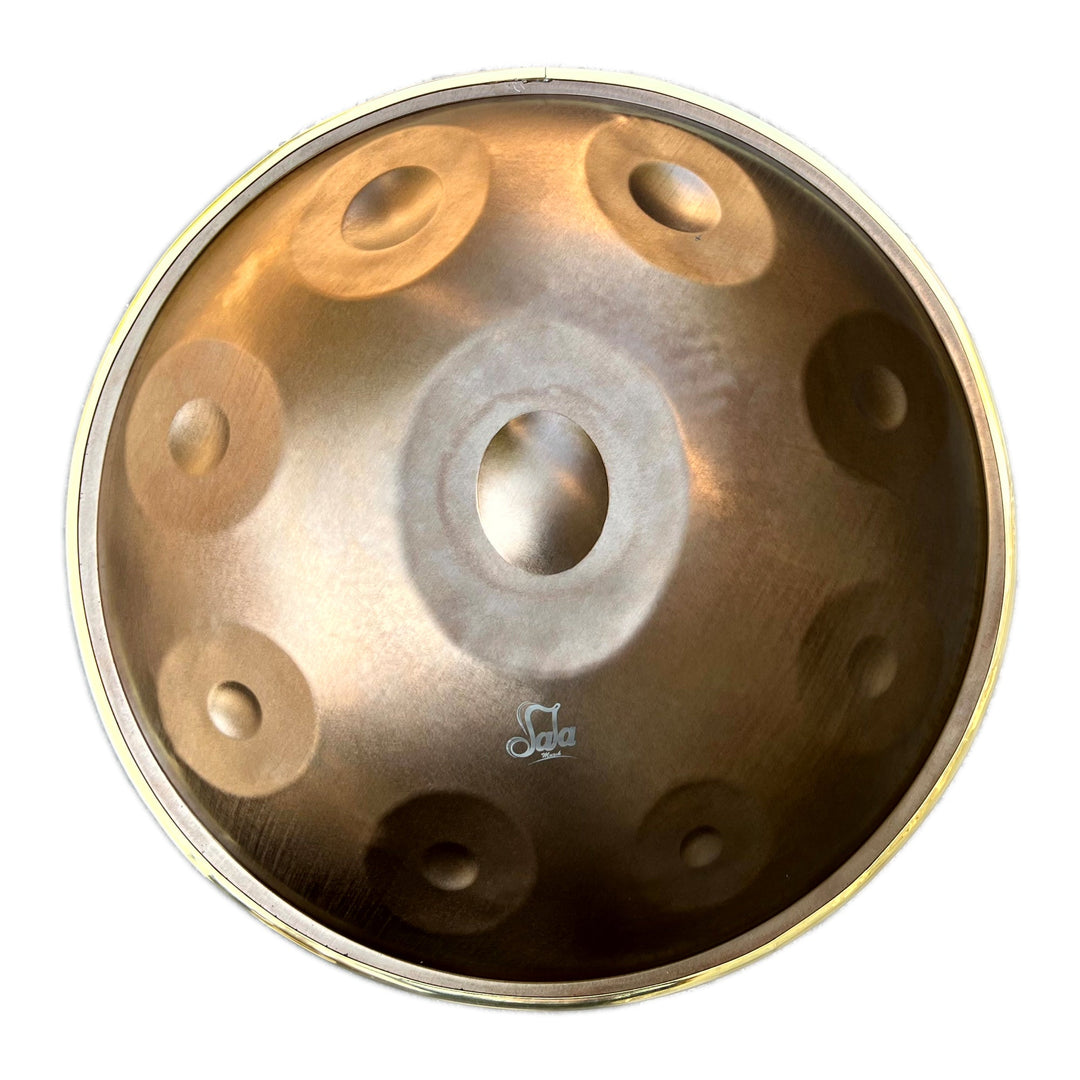
If you are deciding what is a hang drum worth buying, begin with the sound rather than appearance. Videos can help, but live testing is better because microphones may hide buzzing, uneven volume, or weak sustain.
Consider these points:
Choose the scale carefully
A minor scale may create a reflective or emotional mood. A major or modal scale may sound brighter. Since most handpans are built around one scale, choose one whose notes you enjoy hearing repeatedly.
Listen for clear notes
Each note should speak easily. Check for:
• Even volume across the notes
• Clean sustain
• No unwanted buzzing
• A stable central note
• Smooth blending between tones
Check the maker’s reputation
Look for clear information about:
• Materials
• Tuning methods
• Warranty terms
• Shipping protection
• Retuning services
• Care instructions
Avoid pressure sales
A trustworthy maker will explain the instrument’s limits. Be careful with claims that promise perfect healing, rare magic, or guaranteed investment value. A musical instrument should be judged by its sound, build, playability, and service support.
How Much Does a Hang Drum Cost?
The price of what is a hang drum depends on whether you mean an original Hang, a professional handpan, or a beginner model. Original PANArt instruments can be rare and may sell through private markets at high prices. Modern handpans range from entry-level products to carefully handmade professional instruments.
Price alone does not prove quality. A costly instrument may have a scale that does not suit you, while a moderately priced handpan may feel excellent in your hands.
Before buying, include these costs:
• Protective case
• Shipping and insurance
• Possible retuning
• Maintenance supplies
• Lessons or workshops
A low-priced instrument can be useful for learning, but inspect its tuning carefully. Poor tuning may make practice frustrating and can be difficult to correct.
How Do You Care for a Hang Drum?
Good care helps preserve the sound and finish. Wipe the surface with a soft, dry cloth after playing. If the maker recommends an oil or protective product, follow those instructions exactly.
Keep the instrument:
• In a padded case
• Away from rain and sea air
• Away from direct heat
• At a stable room temperature
• Out of reach of pets and small children
Wash and dry your hands before playing if they contain lotion, salt, or dirt. Do not use harsh cleaners, abrasive pads, or household chemicals.
If rust appears, do not scrub aggressively. Contact the maker or a qualified handpan repair specialist. A rushed repair can affect both the finish and the tuning.
Can You Learn Hang Drum Without Music Experience?
Yes. What is a hang drum for a beginner? It is one of the more approachable melodic instruments because its notes are often arranged in a compatible scale.
You do not need to read music to begin. Start by learning:
-
How each note sounds
-
How softly you can play
-
A few two-note patterns
-
A steady pulse
-
How to leave space between notes
Record short practice sessions with your phone. Listening back can reveal rushed timing or uneven strikes that you may not notice while playing.
As your control improves, study rhythm, dynamics, and basic music theory. A teacher who understands handpan technique can help you avoid stiff hands, poor posture, and excessive force.
Common Mistakes to Avoid
Many new players focus on speed. That is usually the wrong goal. A slow pattern with clean notes sounds better than a fast pattern with noise and tension.
Avoid these mistakes:
• Hitting the instrument too hard
• Playing only in the center of each note
• Ignoring the low Ding
• Practicing without listening
• Buying only because of a low price
• Leaving the instrument uncovered outdoors
• Assuming every handpan is an original Hang
A simple practice routine works well. Spend five minutes on single notes, five minutes on alternating patterns, and five minutes on free playing. This builds control without making practice feel like a chore.
Frequently Asked Questions of What Is a Hang Drum
What is a hang drum made of?
A hang drum is made from shaped steel shells joined to form a hollow resonating body. Its tone fields are carefully tuned so each area produces a specific pitch and set of overtones.
Is a hang drum the same as a handpan?
Not exactly. The Hang is the original PANArt instrument, while handpan is a wider term for similar instruments made by many builders.
Why is a hang drum so expensive?
A hang drum or quality handpan requires skilled metal forming, heat treatment, tuning, and testing. Handmade production takes time, and professional instruments often include strong cases, warranties, and retuning support.
Can anyone learn to play a hang drum?
Yes. Beginners can create pleasant sounds without reading music because many instruments use compatible scales. Good hand control, relaxed technique, and regular listening practice are more important than prior experience.
Is a hang drum good for meditation?
Its soft, sustained tones can support a calm atmosphere during meditation. However, it is a musical tool, not a proven medical treatment, and its effect will vary from person to person.
How should you clean a hang drum?
Use a soft, dry cloth and follow the maker’s care instructions. Avoid harsh cleaners, excess water, and abrasive materials because they may damage the finish or affect the metal.
Conclusion
What is a hang drum? It is a tuned steel instrument played by hand, with a sound that blends melody, rhythm, and rich overtones. The original Hang came from PANArt in Switzerland, while modern handpans now offer many related designs, scales, and price levels.
The best way to understand the instrument is to hear and play one in person. Start gently, choose a reliable maker, protect the steel, and focus on listening rather than speed. Explore trusted demonstrations, visit a local handpan player, or share your questions and playing goals in the comments.

Senior Music Reviewer
Alex Carter is a seasoned music reviewer with over a decade of experience in the world of sound and instruments. Passionate about helping musicians and enthusiasts make informed choices, he brings sharp insights and in-depth knowledge to every review. From classical instruments to modern gear, Alex combines technical expertise with a love for music to deliver content that resonates with readers.
As a Senior Music Reviewer and expert author on Tuneluma.com, Alex is dedicated to sharing honest evaluations, practical advice, and thoughtful commentary to guide readers in their musical journey.