What Does A Snare Drum Sound Like: Tone Explained
A snare drum sounds bright, sharp, and crisp, with a buzzing snap that can cut through any band.
What does a snare drum sound like in real life? It can be tight and punchy, deep and fat, or loose and rattling, depending on its shell, heads, wires, tuning, and playing style. After years of hearing and playing snare drums in practice rooms, studios, and live spaces, I have learned that its sound is less like one fixed voice and more like a wide musical color range.
What Does a Snare Drum Sound Like?
A snare drum usually produces a sharp attack followed by a short burst of vibration. Its defining sound comes from metal snare wires stretched beneath the bottom drumhead. When the top head moves, those wires vibrate against the bottom head and create the familiar snap, buzz, or rattle.
The sound often has four main parts:
• Attack: The instant click or crack when the stick hits the head.
• Body: The fuller tone that comes from the shell and drumhead.
• Snare response: The bright buzz made by the wires.
• Decay: The short amount of time the sound lasts after the hit.
A well-tuned snare can sound like a sharp handclap with more depth and power. A loose snare may sound raspy, papery, or slightly messy. A deep snare can add a dark “thump,” while a shallow snare often gives a quick, cutting “crack.”

The Main Qualities of a Snare Drum Sound
To understand what does a snare drum sound like, listen for its tone, pitch, volume, and texture. These qualities change with the drum and the way it is played.
Brightness and pitch
A bright snare has strong high frequencies. It may sound crisp, lively, and clear. This sound is common in pop, funk, gospel, and many rock recordings.
A darker snare has more low and midrange energy. It sounds warm, thick, and controlled. Jazz players and studio drummers often use this tone when they want a softer and more rounded sound.
The drum’s size affects its pitch. A 10-inch or 12-inch snare usually has a higher voice than a 14-inch snare. Depth matters too. A deeper shell often gives more body, while a shallow shell tends to respond faster.
Crack and attack
The crack is the sharp front edge of the sound. It helps the snare stay clear when guitars, keyboards, and cymbals are playing at the same time.
A hard rimshot creates the strongest crack. This happens when the stick hits the drumhead and rim together. In a loud rock song, that sound can feel almost like a small firework.
A normal center hit sounds rounder and less aggressive. A hit near the edge often produces a thinner tone with more ring and less body.
Buzz and rattle
The snare wires create the buzz that separates a snare drum from a tom. Some drums produce a short, clean buzz. Others create a longer, rougher rattle.
The wire count, wire tension, head tension, and playing force all affect this response. If the wires are too loose, the drum may sound slow and sloppy. If they are too tight, the drum can lose warmth and become stiff.
Ring and resonance
every snare has some ring. Ring is the musical vibration that continues after the main hit. A small amount can add life, but too much may sound harsh or distracting.
In my own playing, I once muted a snare too much because I disliked its ring. The result was a dead sound that lacked energy. A small piece of gel or a thin strip of tape worked better than covering the whole head.
How Different Snare Drums Sound
The shell material, size, depth, and construction all shape the instrument’s voice. No single material is always best. The right choice depends on the music, room, and player.
Steel snare drums
Steel snares often sound bright, loud, and aggressive. They tend to produce strong attack and lively overtones.
They work well for:
• Rock
• Punk
• Marching music
• Metal
• Loud live shows
A steel drum can cut through a dense band with little effort. However, some steel snares may sound too sharp in a small room unless they are tuned carefully.
Brass snare drums
Brass usually offers a mix of warmth and brightness. It can sound powerful without becoming as hard-edged as some steel drums.
Many players describe brass as having a rich, open tone. It often works well in funk, soul, pop, and studio music. It can also produce a strong rimshot with plenty of body.
Aluminum snare drums
Aluminum snares often sound dry, focused, and controlled. They may have less ring than brass or steel.
This makes them useful when you want a clean studio sound. They can also work well in live rooms that make bright drums sound too harsh.
Maple snare drums
Maple usually provides warmth, depth, and a full body. It often sounds smooth rather than sharp.
Maple snares suit:
• Pop
• Country
• Worship music
• Jazz
• Singer-songwriter arrangements
A maple drum can still crack when tuned high or played with a rimshot. Its main strength is the balance between attack and body.
Birch snare drums
Birch often has a focused sound with clear attack. It can feel slightly drier and more direct than maple.
This makes birch useful for recording because its tone may sit neatly in a mix. It can deliver a strong backbeat without taking up too much sonic space.
Wood and metal compared
Wood snares often sound warmer and more rounded. Metal snares often sound brighter and more lively. Still, these are broad patterns, not strict rules.
Head choice, tuning, bearing edges, shell thickness, and room acoustics can change the result. A well-tuned aluminum drum may sound warmer than a poorly tuned maple drum.

How Tuning Changes the Sound
Tuning may change what does a snare drum sound like more than the shell material does. Two identical drums can sound completely different when tuned in different ways.
High tuning
High tuning creates a tight, bright, and fast response. It can produce a clean pop that works well for funk, gospel, and modern pop.
The drum may lose some low-end body, but it gains clarity. High tuning also helps soft notes speak quickly.
Low tuning
Low tuning creates a deeper and heavier tone. It can make the snare sound fat, loose, and powerful.
This style is common in rock, hip-hop, and some alternative music. The risk is excessive slack. If the head becomes too loose, the drum may produce an unclear “flap” instead of a strong note.
Medium tuning
Medium tuning offers a useful balance between body and attack. It is a good starting point for beginners because it works in many musical settings.
When I test a new snare, I usually begin with medium tension. I then raise or lower the pitch in small steps while listening from several feet away. A drum can sound impressive from the throne but harsh or thin in front of the kit.
Tuning the top and bottom heads
The top head controls much of the feel and attack. The bottom head affects snare response and sensitivity.
A tighter bottom head often gives faster wire response. The top head can be tuned lower for body or higher for a sharper sound. Small changes matter, so turn each tension rod only a little at a time.
How Drumheads and Snare Wires Affect the Sound
The drumhead is the main surface that vibrates. Its design has a major effect on tone, sustain, and attack.
Single-ply heads
Single-ply heads usually sound open, sensitive, and lively. They respond well to light playing and ghost notes.
They can also produce more overtones. This may be useful for jazz or acoustic music, but some players add light dampening for studio work.
Two-ply heads
Two-ply heads often sound thicker and more controlled. They can handle hard playing and reduce some unwanted ring.
They are popular for rock and heavy music. The tradeoff is that they may feel less sensitive under very soft strokes.
Coated heads
Coated heads often give a warmer, softer attack. Brushes also grip the coating and create a smoother sweep.
Clear heads tend to sound brighter and more open. Coated heads are a common choice when the player wants a classic snare voice.
Snare wires
Snare wires come in different lengths, materials, and strand counts. More wires may create a wider and fuller buzz, while fewer wires can sound drier and more focused.
The wires should sit evenly beneath the head. If one side touches more than the other, the drum may buzz unevenly. Check the snare strainer and butt plate if the response feels inconsistent.

How Playing Technique Changes the Sound
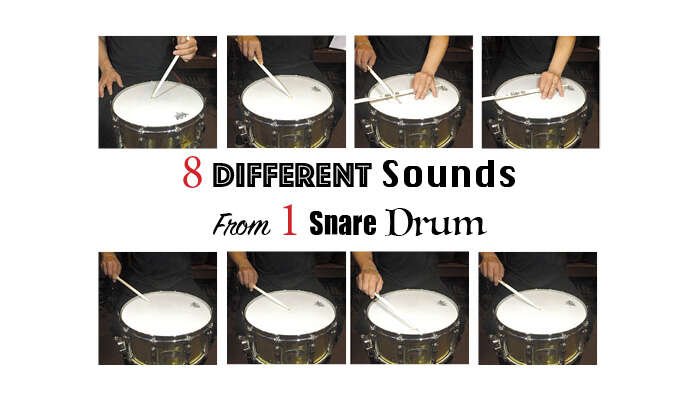
The same snare can sound like several different instruments in one song. Your hand position, stick choice, and striking area all matter.
Center hits
A center hit gives the fullest and strongest tone. It usually produces the most body and volume.
Edge hits
An edge hit sounds thinner and often has more high-frequency attack. It can add contrast during a verse or quieter section.
Rimshots
A rimshot hits the head and rim at once. It creates a loud, sharp crack with extra force.
Rimshots are useful for important backbeats, but using them on every note can make a performance tiring and overly aggressive.
Ghost notes
Ghost notes are soft taps played between louder accents. They add movement and feel, especially in funk, R&B, gospel, and jazz.
A sensitive snare responds well to ghost notes. If the wires are badly adjusted, these quiet notes may disappear.
Cross-stick or side-stick
A cross-stick places the stick across the head while the rim is struck. It makes a dry, wooden click instead of a full snare hit.
This sound is common in ballads, reggae, country, and quiet acoustic music. It is less about volume and more about pulse.
What a Snare Drum Sounds Like in Different Music
The musical setting changes how listeners understand the snare sound.
• In rock, it often provides a strong backbeat with a loud crack.
• In pop, it may sound polished, controlled, and layered with samples.
• In jazz, it may sound open, sensitive, and rich in brush texture.
• In funk, it often has a tight attack with detailed ghost notes.
• In hip-hop, it may sound short, dry, and heavily shaped by recording effects.
• In marching music, it can sound bright, precise, and highly articulate.
• In orchestral music, it may range from a soft whisper to a sharp military roll.
When people ask what does a snare drum sound like, they may be thinking of one of these different musical voices. A recorded snare may also include equalization, compression, reverb, layering, and sample replacement.

Why a Snare Drum Sounds Different in a Room and a Recording
Room acoustics can change what does a snare drum sound like from one place to another. A small room with hard walls may make the drum sound bright and ringy. A large treated room may make it sound wider and smoother.
Your listening position matters too. Near the drum, you hear more attack and mechanical noise. Farther away, the sound blends with the room and may seem warmer.
Microphone placement also changes the recorded tone:
• A microphone above the head captures attack and body.
• A microphone under the drum captures snare wire buzz.
• A room microphone captures space and natural decay.
Recording engineers often blend these signals. That is why a snare on a record may sound larger, shorter, brighter, or deeper than the acoustic drum in the studio.
A useful test is to record the drum with one microphone placed about 12 to 18 inches above the head. Move it slowly while monitoring with headphones. Small position changes can alter the balance more than many expensive upgrades.
Common Snare Drum Problems and Simple Fixes
A snare does not always sound bad because it is a poor drum. Setup problems are often the cause.
Excessive ringing
Try a small gel damper, a thin piece of tape, or a different head. Avoid heavy muffling at first because it can remove the drum’s natural life.
Weak snare response
Check whether the wires are centered and evenly tensioned. Make sure the bottom head is not too loose or damaged.
Buzz from nearby drums
Tom and bass drum tension can create sympathetic buzz. Retune nearby drums, adjust wire tension slightly, or use light dampening.
Harsh attack
Lower the top-head tension a little, try a coated head, or strike closer to the center. A softer stick can also reduce the sharp edge.
Thin or weak tone
Tune the top head slightly lower and check whether the snare wires are too tight. A deeper drum or thicker head may provide more body.
One mistake I often see is changing five things at once. Change one variable, play the drum, and listen again. This makes it much easier to learn what each adjustment does.

How to Choose a Snare Sound
Start with the music you play rather than with brand names or expensive materials. Think about the sound you need in the room and in the mix.
Ask yourself:
• Do I want a bright crack or a dark thump?
• Do I need strong volume or delicate sensitivity?
• Will I play live, record, or do both?
• Does my room already sound bright?
• Do I use many ghost notes or mostly strong backbeats?
If possible, play the drum from several positions. Ask another drummer to play it while you stand in front of the kit. The sound behind the drum can differ greatly from the sound heard by an audience.
Also listen to the drum at different volumes. Some snares sound excellent when played hard but fail to respond to quiet notes. A versatile snare should offer useful tone across a wide dynamic range.
Frequently Asked Questions About What Does a Snare Drum Sound Like
What does a snare drum sound like compared with a tom?
A snare drum sounds sharper and buzzier because of its snare wires. A tom usually produces a rounder, deeper tone with longer resonance and no wire rattle.
Why does a snare drum make a buzzing sound?
The buzzing sound comes from metal wires stretched beneath the bottom head. When the top head vibrates, the wires respond against the bottom head and create the snare effect.
Can a snare drum sound deep and low?
Yes. A large, deep snare tuned low can produce a thick and dark tone. Head choice, shell material, dampening, and playing technique also help create a deeper sound.
Why does my snare drum sound like a tin can?
A tinny sound may come from high tuning, excessive ring, a bright head, or a hard room. Try lowering the top-head tension slightly and using light dampening rather than heavy muffling.
What makes a snare drum sound loud?
A rimshot, strong stick attack, high-tension head, and bright shell can increase perceived volume. Room acoustics and microphone placement also affect how loud the drum seems.
Is a snare drum supposed to rattle?
A controlled rattle is normal and is central to the instrument’s sound. An uneven or excessive rattle may point to loose wires, poor alignment, a damaged head, or sympathetic vibration from another drum.
Conclusion
What does a snare drum sound like? At its core, it sounds like a mix of sharp attack, vibrating shell tone, and buzzing wire response. That basic voice can become bright, dark, dry, fat, open, soft, or explosive through changes in shell design, tuning, heads, wires, technique, and room acoustics.
The best way to understand the sound is to listen closely and make one small adjustment at a time. Tune your snare, try different striking areas, record it from a few positions, and trust your ears. Explore more drum guides, test these ideas at your kit, and share your favorite snare sound in the comments.

Senior Music Reviewer
Alex Carter is a seasoned music reviewer with over a decade of experience in the world of sound and instruments. Passionate about helping musicians and enthusiasts make informed choices, he brings sharp insights and in-depth knowledge to every review. From classical instruments to modern gear, Alex combines technical expertise with a love for music to deliver content that resonates with readers.
As a Senior Music Reviewer and expert author on Tuneluma.com, Alex is dedicated to sharing honest evaluations, practical advice, and thoughtful commentary to guide readers in their musical journey.