How Much Does An Upright Piano Cost: 2026 Price Guide
An upright piano usually costs $500 to $30,000, depending on its age, brand, condition, and size.
That range is wide because “upright piano” covers everything from a used spinet to a handcrafted studio instrument. After accounting for delivery, tuning, repairs, and long-term care, the purchase price is only part of the real cost. This guide explains how much an upright piano costs, what affects the price, and how to choose a piano that fits both your music goals and your budget.
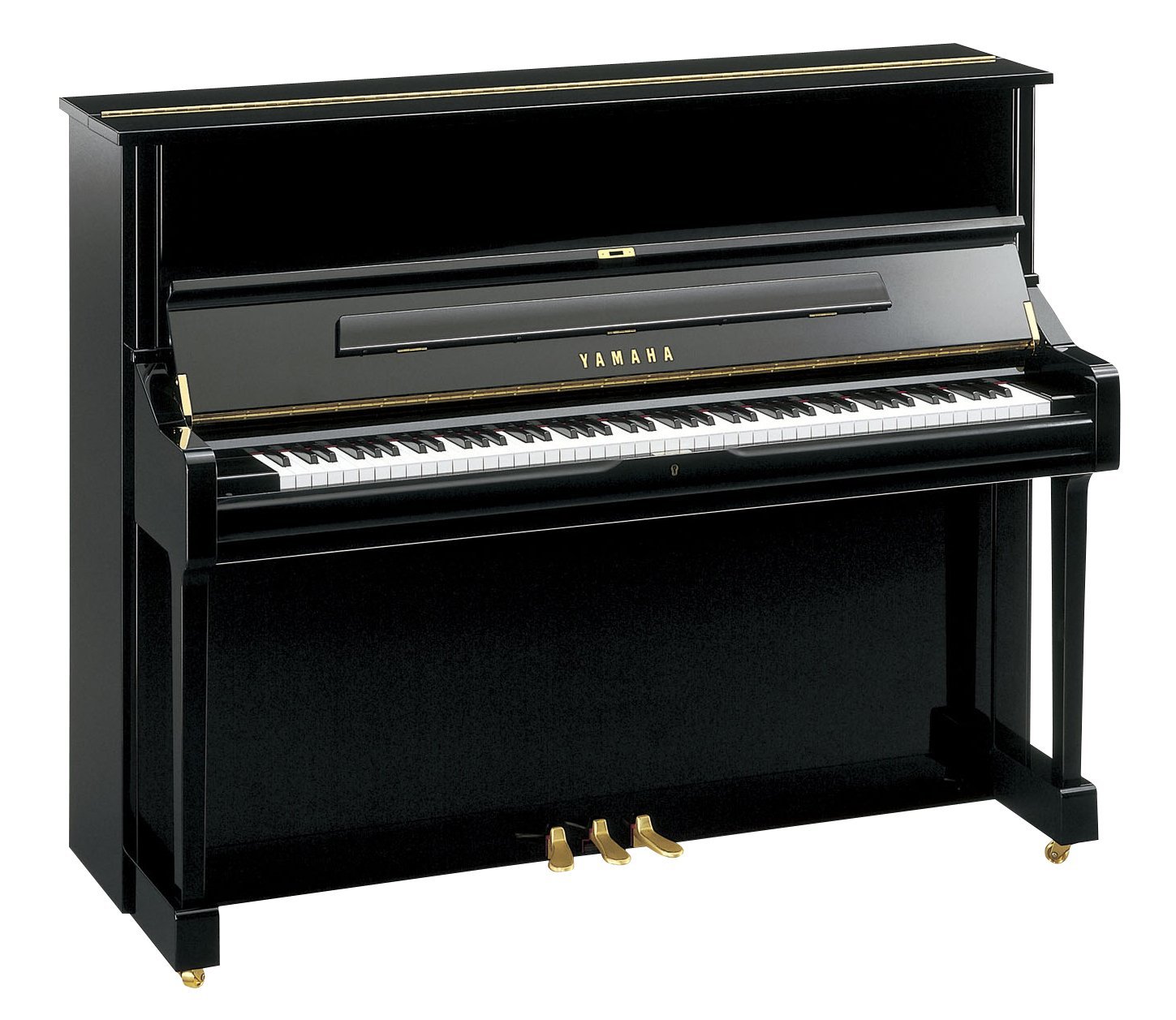
Upright piano cost at a glance
For most buyers in the United States, a realistic upright piano price falls between $2,000 and $10,000. A used piano may cost far less, while a premium new model can cost $20,000 or more.
Here is a simple price guide:
• Used spinet piano: $500 to $2,000
• Used console piano: $800 to $4,000
• Used studio piano: $1,500 to $7,000
• New entry-level upright piano: $2,000 to $5,000
• New intermediate upright piano: $5,000 to $12,000
• New professional upright piano: $12,000 to $30,000 or more
• Fully restored vintage upright: $5,000 to $20,000 or more
These figures are broad estimates. Local demand, shipping distance, brand reputation, restoration quality, and cabinet style can all change the final price.
When people ask how much does an upright piano cost, they often mean the sticker price. However, the total cost may include a piano inspection, moving, tuning, humidity control, repairs, and bench replacement. A $700 piano can become a $2,000 project if it needs major work.
What affects how much an upright piano costs?
Several features shape the value of an upright piano. The brand matters, but it is not the only factor. A well-maintained piano from a less famous maker may offer better value than a neglected piano with a famous name.
Brand and build quality
Brands with strong reputations often cost more because they use better materials, offer consistent craftsmanship, and hold their value. Well-known makers may also have easier access to replacement parts and trained technicians.
Still, brand names should not replace a proper inspection. I have seen older, respected pianos with worn hammers, cracked soundboards, and loose tuning pins. I have also seen lesser-known instruments that played beautifully after careful maintenance.
Age and condition
Age alone does not determine value. A 50-year-old piano that has been tuned twice a year may be a better buy than a 15-year-old piano that sat in a damp garage.
Inspect these parts carefully:
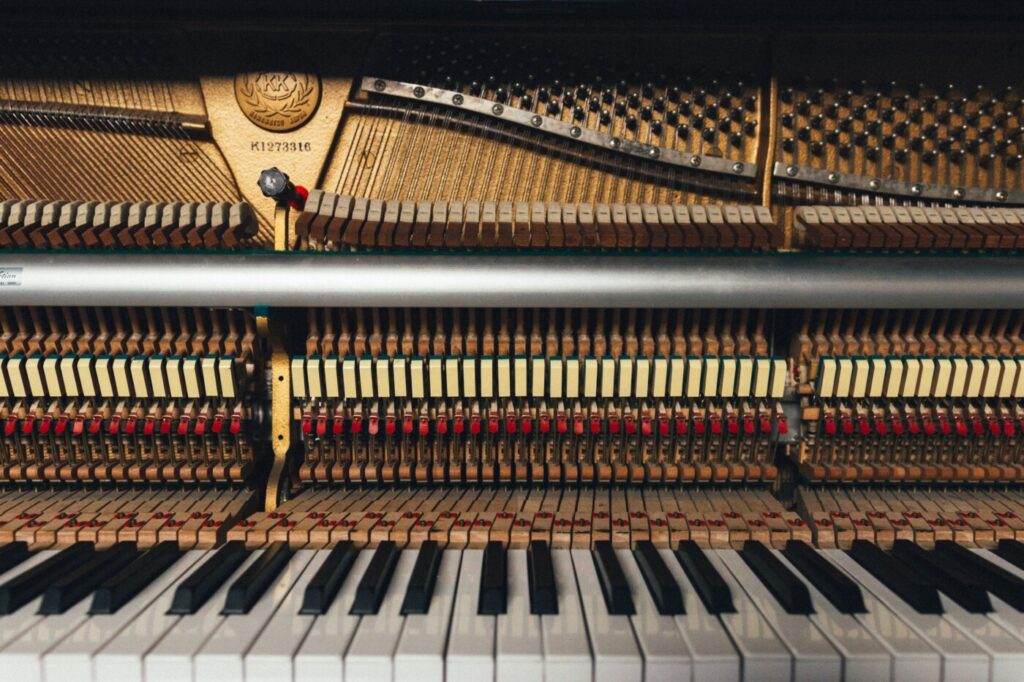
• Soundboard: Look for large cracks, bulges, or signs of separation.
• Tuning pins: Loose pins may prevent the piano from holding its pitch.
• Strings: Rust, broken strings, and deep corrosion can raise repair costs.
• Hammers: Deep grooves may show heavy use.
• Keys: Each key should move smoothly and return without sticking.
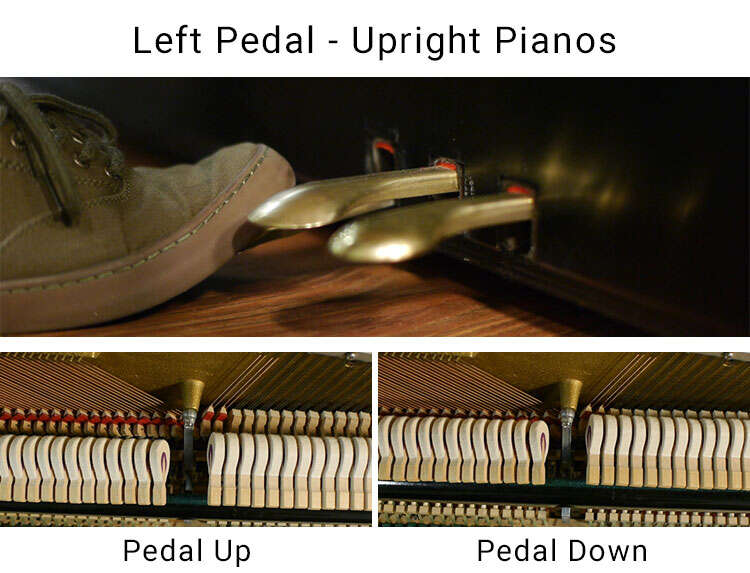
• Pedals: The pedals should work quietly and firmly.
• Cabinet: Scratches are mostly cosmetic, but water damage can signal deeper problems.
A piano technician can find faults that a first-time buyer may miss. The inspection fee is small compared with the cost of replacing major parts.
Size and design
Larger upright pianos usually produce a fuller tone. Their longer strings and larger soundboards can create more bass power and better dynamic range.
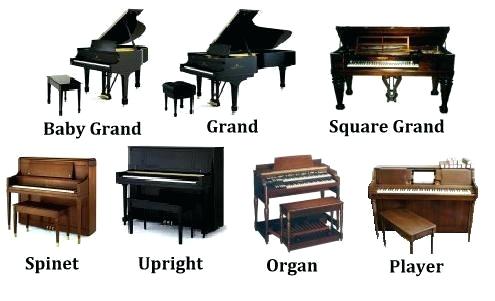
Common upright sizes include:
• Spinet: About 36 to 40 inches tall. These are compact but often have a lighter tone and more complex action design.
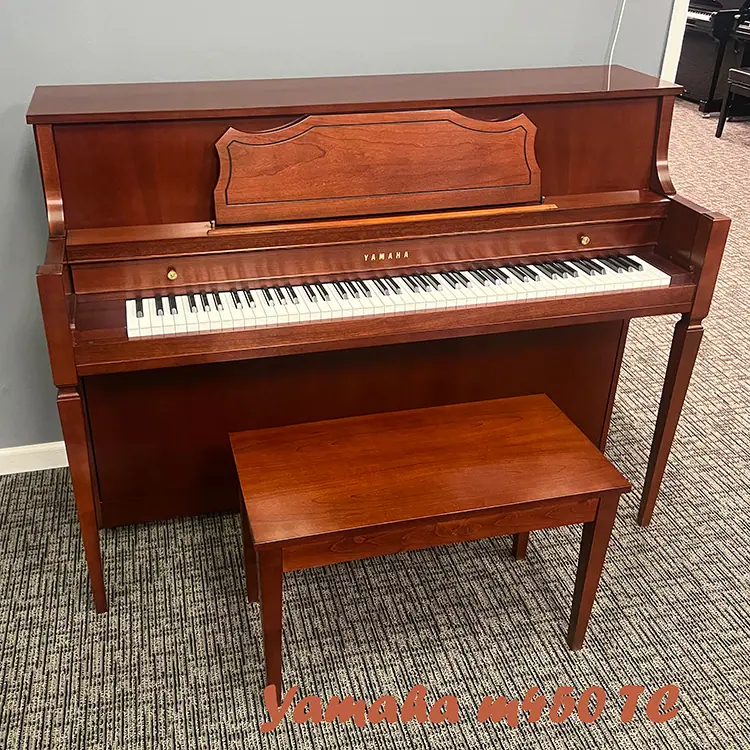
• Console: About 40 to 44 inches tall. Consoles are common in homes and offer a useful balance of sound and size.
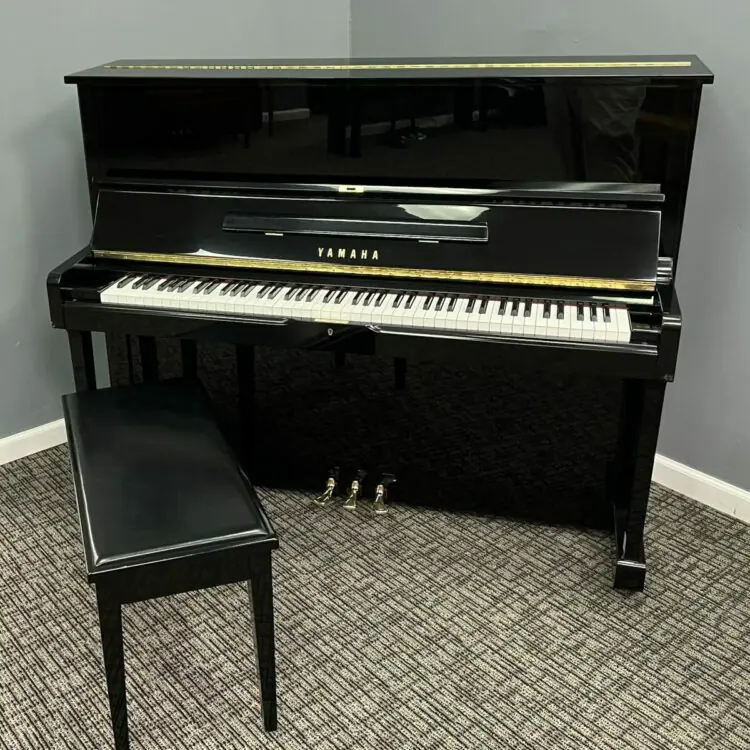
• Studio upright: About 45 to 48 inches tall. These often have stronger tone, more durable actions, and better projection.
• Professional upright: About 49 inches tall or more. These can approach the sound and touch of some small grand pianos.
In general, a taller upright costs more. However, size does not guarantee quality. A careful inspection remains essential.
New, used, or restored
A new upright gives you predictable condition, a warranty, and a clean service history. It may also include dealer support. The drawback is faster depreciation during the first few years.
A used upright may offer excellent value. Yet, you need to budget for moving, tuning, and possible repairs. A restored piano can sound wonderful, but the word “restored” should be clear and specific. Ask whether the seller replaced the strings, hammers, dampers, pinblock, and soundboard, or simply polished the cabinet and tuned the instrument.
How much does a new upright piano cost?
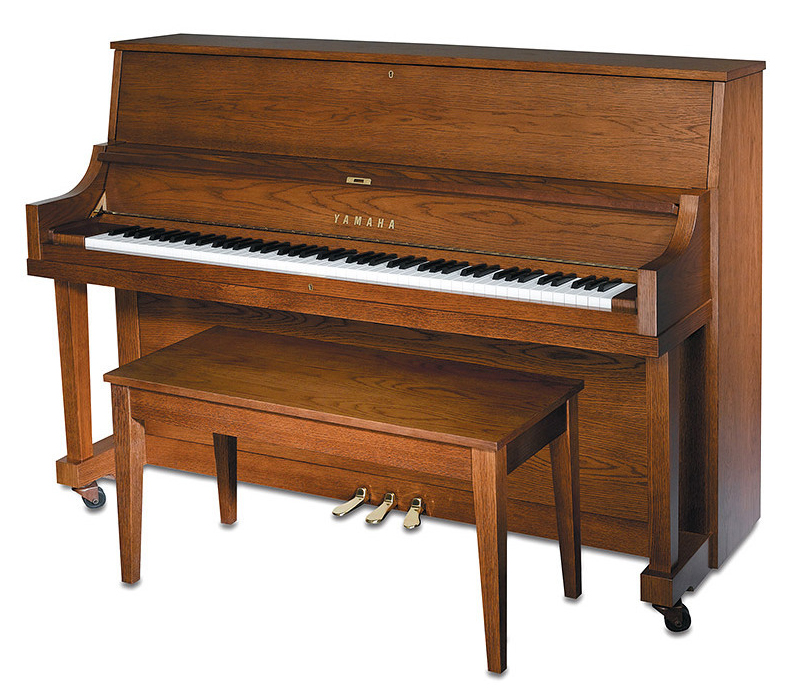
A new upright piano usually costs $2,000 to $30,000 or more. Most home buyers look at instruments between $3,000 and $10,000 because this range includes dependable student and intermediate models.
Entry-level pianos often use simpler materials and smaller cabinets. They can work well for beginners, casual players, and families who want a traditional acoustic sound without a large investment.
Mid-range upright pianos often provide:
• More even touch across the keyboard
• Better tone control
• Stronger cabinetry
• More reliable tuning stability
• Improved action parts
Professional upright pianos use advanced design and higher-grade materials. They may be built for conservatory students, teachers, churches, recording spaces, or serious home musicians.
When considering how much does an upright piano cost new, remember that dealers may include some services. A package might include delivery within a local area, one or two tunings, a bench, and a limited warranty. Always ask what the quoted price includes.
A new piano also has a settling period. The strings and wooden parts adjust to the climate in your home. Most new acoustic pianos need several tunings during the first year.
How much does a used upright piano cost?
A used upright piano can cost anywhere from $500 to $10,000, although many practical options fall between $1,000 and $5,000. Private sellers may offer lower prices, while piano dealers often charge more but may provide inspection, preparation, delivery, and limited warranty coverage.
A low price does not always mean a bargain. Some sellers offer a piano for free because moving and repairs cost more than the instrument is worth. Free pianos can require:
• $200 to $600 for local moving
• $150 to $300 for tuning
• $300 to $1,500 for minor or moderate repairs
• $2,000 to $10,000 or more for major rebuilding
Prices vary by city and by the piano’s location. A piano on the first floor with a wide doorway is easier to move than one in a narrow basement or upstairs apartment.
If you are buying from a private seller, arrange an inspection before paying. Ask for the piano’s serial number, service history, storage history, and reason for sale. A seller who refuses a basic inspection deserves caution.
One mistake I often see is a buyer testing only a few keys. Play every key softly and loudly. Listen for buzzing, clicking, uneven volume, and notes that sound dull or fail to stop when the key is released.
Upright piano ownership costs beyond the purchase price
The answer to how much does an upright piano cost should include ownership expenses. These costs are not usually large in one payment, but they add up over time.
Piano moving
Professional piano moving often costs $200 to $600 for a local move. Stairs, tight turns, long carries, and unusual locations can increase the price.
Do not move an upright piano with friends using a pickup truck. Upright pianos are extremely heavy, and an unsafe move can damage the cabinet, wheels, floor, or piano action. It can also cause serious injury.
Tuning
Most acoustic pianos need tuning at least once or twice each year. A standard tuning often costs $100 to $250, depending on location and the piano’s condition.
A piano that has not been tuned for years may need pitch correction before a normal tuning. Pitch correction can cost more because the technician must raise string tension in stages.
Repairs and regulation
Small repairs may cost $50 to $300. Larger work can cost much more.
Common services include:
• Replacing broken strings
• Repairing sticking keys
• Replacing worn hammer felts
• Adjusting action parts
• Replacing pedals or pedal hardware
• Repairing cabinet damage
• Rebuilding the pinblock or soundboard
Regulation adjusts the action so the keys respond evenly. This work can make an older piano feel much better without replacing every part.
Humidity control
Wood responds to changes in moisture. Very dry air may cause cracks, loose joints, and tuning problems. High humidity can affect glue, metal parts, and action movement.
Keep the piano away from:
• Radiators and heating vents
• Fireplaces
• Direct sunlight
• Exterior doors
• Air-conditioning vents
A room humidity level near 40% to 50% is often a reasonable target, but the best range depends on your home and climate. A small room monitor can help you track changes.
Bench and accessories
A basic piano bench may cost $100 to $400. An adjustable artist bench may cost $300 to $1,000 or more.
You may also need a lamp, a metronome, a humidity monitor, and a cover. Avoid placing heavy items on top of the piano. They can rattle during playing and may damage the finish.
Is an upright piano worth the cost?
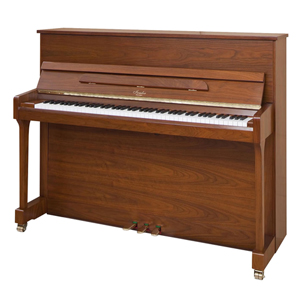
For many players, an upright piano is worth the cost because it offers a real acoustic sound, responsive touch, and long service life. A good upright can serve a beginner for many years and support serious study as skills improve.
An acoustic piano also works without electricity. You do not need speakers, batteries, or headphones. Its tone fills a room in a way that many players find inspiring.
However, an upright piano is not ideal for every household. It can be heavy, loud, and sensitive to climate. It also needs regular tuning and more space than a digital keyboard.
An upright piano may be a strong choice if:
• You enjoy natural string tone.
• You want traditional piano technique.
• You have a stable place for the instrument.
• You can budget for tuning and moving.
• You do not need silent practice late at night.
A digital piano may be better if you live in an apartment, move often, or need volume control. A quality digital piano may cost $700 to $3,000 and usually has lower maintenance costs.
The best choice depends on how you play. A serious student may benefit from an acoustic action, while a casual player may prefer the convenience of headphones and easy transport.
How to buy an upright piano without overspending
Buying an upright piano is easier when you treat it like buying a used car. Look beyond the paint, test the important parts, and calculate future costs.
Set a complete budget
Do not spend your entire budget on the piano itself. Reserve money for delivery, inspection, tuning, and early repairs.
For example, a $3,000 budget might look like this:
• Piano: $2,200
• Inspection: $150
• Moving: $400
• First tuning: $150
• Emergency repair reserve: $100
This plan is safer than spending $3,000 on the piano and having no money left for basic care.
Inspect before buying
Ask a piano technician to inspect any used instrument that costs more than you can easily replace. The technician should check the soundboard, bridges, pinblock, strings, action, pedals, keyboard, and cabinet.
If the piano is free or very cheap, an inspection may still save money. Sometimes the technician can tell you that the piano is usable. Other times, they may explain that moving it would be a poor investment.
Compare several pianos
Try at least three pianos if possible. Play scales, chords, soft notes, loud notes, and repeated notes. Notice whether the tone feels warm, bright, harsh, deep, or uneven.
Bring a teacher or experienced player if you are new to piano. A second opinion can help you avoid buying based only on a polished cabinet or familiar brand.
Ask the seller direct questions
Useful questions include:
• When was the piano last tuned?
• Has it ever been rebuilt?
• Has it been kept in a climate-controlled room?
• Are there any cracked or replaced parts?
• Is the serial number available?
• Who will pay for delivery?
• Is there a return period or warranty?
Good answers do not guarantee a perfect piano, but vague answers should make you slow down.
Avoid common buying mistakes
The most common mistake is choosing the cheapest instrument without checking its condition. Another is assuming a famous brand is automatically a good purchase.
Also avoid buying a piano only because it looks beautiful. A cabinet can be refinished while the action and soundboard remain worn. Think of the finish as the piano’s clothing. The important parts are underneath.

Upright piano versus baby grand piano
A baby grand piano often costs more than an upright piano. New baby grands commonly start around $10,000 and can rise well beyond $100,000 for premium models. Used baby grands may cost less, but they require more floor space and can be expensive to move and maintain.
An upright piano saves space and usually costs less. It can provide excellent tone for home practice, lessons, churches, and small studios.
A grand piano has advantages in action design, sound projection, and pedal control. Its horizontal strings and larger soundboard allow the sound to develop in a more open way.
Choose an upright when:
• Floor space is limited.
• Your budget is below the cost of most grand pianos.
• You mainly need a practice instrument.
• You want lower moving and maintenance costs.
Choose a baby grand when:
• You have a suitable room.
• You need more projection and tonal color.
• You perform often.
• You can support higher purchase and ownership costs.
A high-quality studio upright may be a better choice than a poor-condition baby grand. The right instrument is the one that plays well, fits your space, and matches your budget.
How to judge whether an upright piano is a good value
Value is not the same as a low price. A $4,000 piano that needs $5,000 in repairs is not a $4,000 piano. Its true cost is closer to $9,000, plus the time and stress involved.
Use this simple formula:
Purchase price + inspection + moving + immediate repairs + first-year tuning = realistic first-year cost
For example:
• Purchase price: $2,500
• Inspection: $150
• Moving: $450
• Repairs: $400
• Two tunings: $300
• Realistic first-year cost: $3,800
This calculation gives you a clearer answer to how much does an upright piano cost in real life.
A good-value piano should have a stable pitch, even tone, working pedals, smooth keys, and no major structural damage. Cosmetic flaws may be acceptable if they do not affect playability.
You should also consider resale value. A well-known brand in good condition may be easier to sell later. Keep service records, protect the piano from climate extremes, and have it tuned regularly.
Frequently asked questions about how much does an upright piano cost
How much does an upright piano cost for a beginner?
A beginner upright piano often costs $1,000 to $5,000 when purchased used or new at the entry level. The best choice is a piano with an even touch, stable tuning, and no major structural problems.
Is a $500 upright piano worth buying?
It can be worth buying if a technician confirms that the piano is structurally sound and moving costs are reasonable. A very cheap piano may need repairs that cost more than the instrument itself.
How much does it cost to move an upright piano?
A local upright piano move often costs $200 to $600. Stairs, long carries, narrow hallways, and distant travel can increase the price.
How often does an upright piano need tuning?
Most upright pianos need tuning once or twice a year. A new piano, a heavily used piano, or an instrument exposed to major climate changes may need more frequent tuning.
What is the difference between a console and a studio upright piano?
A console is usually about 40 to 44 inches tall, while a studio upright is often 45 to 48 inches tall. Studio pianos generally offer longer strings, stronger projection, and a fuller tone.
Is a new upright piano better than a used one?
Not always. A well-maintained used piano can outperform a low-quality new model, but a new piano usually provides more predictable condition, warranty support, and service history.
How long can an upright piano last?
A well-built upright piano can last 50 years or much longer with proper care. Its useful life depends on the quality of its parts, climate, tuning history, and whether major repairs are completed when needed.
Conclusion
So, how much does an upright piano cost? Expect about $500 to $30,000, with many dependable home pianos falling between $2,000 and $10,000. Used pianos may offer excellent value, but inspection, moving, tuning, and repairs must be part of your budget.
Focus on condition, size, tone, touch, and service history instead of price alone. Before you buy, test every key, arrange a professional inspection, and calculate the full first-year cost. Explore local dealers and reputable used listings, then choose the piano that feels right for your hands, your room, and your long-term musical goals.

Senior Music Reviewer
Alex Carter is a seasoned music reviewer with over a decade of experience in the world of sound and instruments. Passionate about helping musicians and enthusiasts make informed choices, he brings sharp insights and in-depth knowledge to every review. From classical instruments to modern gear, Alex combines technical expertise with a love for music to deliver content that resonates with readers.
As a Senior Music Reviewer and expert author on Tuneluma.com, Alex is dedicated to sharing honest evaluations, practical advice, and thoughtful commentary to guide readers in their musical journey.