
How To Make Drums Quieter: 10 Easy Soundproofing Tips
Use mesh heads, low-volume cymbals, drum mutes, soft beaters, and room treatment to reduce drum volume.
Learning how to make drums quieter is about controlling vibration, impact, and room reflections without removing the joy of playing. With the right mix of quieter drum gear, smart setup changes, and safe practice habits, you can protect your hearing and keep peace with family, roommates, and neighbors.
Why Drums Are So Loud
Drums create sound in three main ways: the stick hits the surface, the drum shell vibrates, and the room reflects the sound. A snare drum, for example, can produce a sharp crack that travels through walls, floors, and ceilings.
Bass drums cause a different problem. Their low notes carry through floors and building frames. This is why a neighbor may hear your kick drum even when the rest of the kit seems fairly quiet.
Cymbals also add strong high-frequency sound. They can be bright and cutting, especially in small rooms with hard walls, wood floors, or bare windows.
Learning how to make drums quieter starts with finding the main source of noise. In most acoustic kits, the loudest parts are usually:
• Cymbal crashes and hi-hats
• Snare drum strikes
• Bass drum impact
• Floor vibration
• Sound reflections from walls and ceilings
A quieter kit does not always require expensive changes. Small adjustments can make a clear difference when you combine them well.

Use Drum Mutes for the Fastest Change
Drum mutes are rubber, foam, or silicone pads that sit on top of your existing drumheads. They reduce the volume of each hit by absorbing some of the stick’s energy.
They are one of the easiest answers to how to make drums quieter because they require little setup. You can place them on the snare, toms, and kick drum in a few minutes.
Drum mutes work well for:
• Apartment practice
• Late-night playing
• Beginner lessons
• Warm-ups and rudiment practice
• Temporary volume control
The main limitation is feel. Thick rubber mutes can make the drums rebound more than normal. Some players also find that the kit sounds less natural because the pads cover the drumheads.
Choose mutes that match your drum sizes. A loose mute may slide during fast playing, while a tight or poorly sized mute may not sit flat.
For the bass drum, use a dedicated kick mute or a soft practice pad. Do not place a loose object inside the drum where it can shift into the pedal or dampen the shell unevenly.
A useful setup is to use a thicker mute on the snare and a thinner one on the toms. This keeps the snare from overpowering the rest of the kit while preserving some natural response.

Install Mesh Drumheads
Mesh drumheads are among the best long-term options for making acoustic drums quieter. They replace standard heads with woven surfaces that produce much less acoustic volume.
Mesh heads feel closer to normal drumheads than many rubber pads. You can tune them to change the rebound and tension. This makes them useful for practicing rolls, ghost notes, rudiments, and full songs.
To install mesh heads:
- Remove the regular drumhead and hoop.
- Clean dust from the bearing edge.
- Place the mesh head on the drum shell.
- Replace the hoop and tension rods.
- Tighten each rod in a star pattern.
- Adjust the tension until the rebound feels comfortable.
Do not over-tighten the head. Too much tension can create excessive rebound and may shorten the life of the mesh.
Mesh heads reduce the sound made by the drum shell, but they do not make the kit silent. The kick pedal still creates impact, and the cymbals remain loud unless you replace or mute them.
You can combine mesh heads with low-volume cymbals and a quiet kick beater. This creates a much more balanced practice kit than using mesh heads alone.
Learning how to make drums quieter often means reducing sound at every contact point. Mesh heads handle the drumhead impact, but you still need to manage cymbals and floor vibration.

Replace Regular Cymbals With Low-Volume Cymbals
Cymbals are often the hardest part of an acoustic kit to quiet. Drum mutes can reduce their ring, but they may also make the playing feel stiff and unnatural.
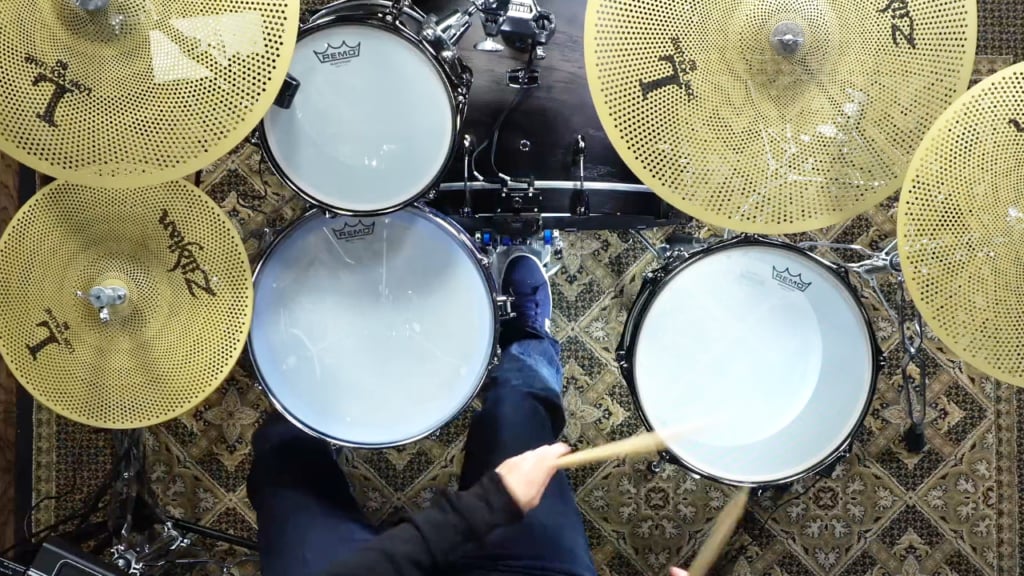
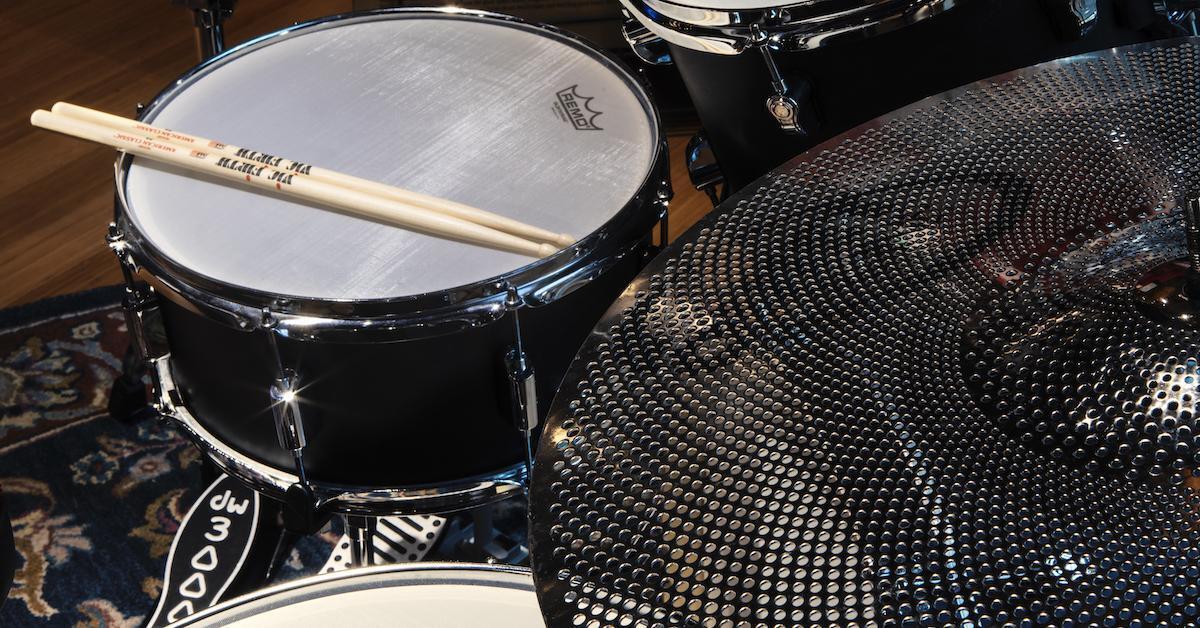
Low-volume cymbals use patterns of small holes to reduce the amount of metal that moves air. They sound softer while keeping a more familiar cymbal shape and playing response.
They are useful for:
• Practice in apartments
• Home recording
• Church rehearsals
• Small teaching rooms
• Nighttime playing
Low-volume cymbals still make noise. The sound is usually bright and present, but it is much less powerful than a normal crash or ride.
Some low-volume cymbals can feel slightly different under the stick. The holes may reduce sustain, and certain models may have less wash than traditional cymbals.
You can make them quieter by adding thin cymbal mutes. However, test this carefully. A heavy mute can stop the cymbal from moving and may increase stick rebound.
If you cannot replace your cymbals yet, play with softer sticks or rods. Nylon brushes, bundled rods, and soft mallets can lower volume, but they do not provide the same attack as standard drumsticks.

Choose Softer Sticks and Beaters
Your sticks have a direct effect on volume. Heavy sticks transfer more energy into the drum and cymbal. Lighter sticks usually produce a softer attack.
Try these options:
• 7A sticks for a lighter touch
• Rods for a soft, textured sound
• Brushes for jazz and low-volume practice
• Soft mallets for gentle tom work
• Felt or foam kick beaters for quieter bass drum hits
Stick size alone does not control volume. Your grip, height, and playing force matter just as much. A light stick played with extreme force can still create a loud sound.
The kick drum often causes the most floor vibration. A felt or foam beater can soften the attack. Avoid hard plastic or wood beaters when practicing in a shared building.
One lesson worth remembering is that quieter playing is a skill, not just a gear problem. Practice using low stick heights. Keep your hands close to the heads, and focus on relaxed control.
This approach improves dynamics as well. A drummer who can play quietly can usually play loudly with more control and less wasted motion.

Control the Bass Drum and Floor Vibration
Low-frequency vibration can travel through floors and walls more easily than people expect. A kick drum may sound reasonable in the room but feel much louder in the apartment below.
A kick drum isolation platform can reduce this problem. These platforms use dense foam, rubber, or layered materials to separate the drum from the floor.
You can buy a commercial platform or build a simple one with:
• A strong wooden board
• Dense rubber or isolation foam
• A carpet layer
• Secure fasteners
• A stable drum pedal mount
The platform must remain firm. If it flexes too much, the pedal may move and your playing may feel unstable.
Place the platform on a thick rug. The rug helps reduce sliding and can absorb some high-frequency sound. It will not block deep bass by itself, but it improves the overall setup.
Do not use soft household pillows as the main isolation method. They can make the pedal unstable and may create uneven pressure on the bass drum.
If you live above another unit, place the kit away from shared walls and corners. Corners can strengthen low frequencies and send more vibration into the building structure.
Add Sound Absorption to the Room
Room treatment does not make the drums quieter at the source. Instead, it reduces reflections and controls the sound inside the room.
Hard surfaces reflect sound like a ball bouncing off a wall. Soft surfaces act more like a blanket. They absorb some sound and reduce the harsh echo that makes a room feel louder.
Useful room treatments include:
• Thick rugs
• Heavy curtains
• Upholstered furniture
• Acoustic panels
• Bookshelves filled with books
• Moving blankets on shared walls
Place soft materials near the kit, especially behind the drummer and on nearby side walls. Avoid covering every surface with thin foam. Thin foam mainly affects high frequencies and does little for bass drum vibration.
Acoustic panels can improve clarity, but they are not the same as soundproofing. Sound absorption changes the room’s echo. Soundproofing attempts to stop sound from passing through walls, floors, and ceilings.
This difference matters when learning how to make drums quieter for neighbors. A treated room may sound quieter inside, but the building may still carry the kick and snare impact.
Use a sound level meter app as a rough guide, but do not treat a phone reading as a laboratory measurement. Phone microphones vary, especially at very loud or very low frequencies.

Change Your Playing Technique
Technique is one of the cheapest ways to reduce drum volume. It also helps you develop better control.
Start with low-height strokes. Keep the stick close to the drumhead instead of lifting it high. Use your fingers and wrist for control, rather than relying on large arm movements.
Practice these exercises:
- Play single strokes at a low volume.
- Keep every stroke at the same height.
- Add accents without striking hard.
- Practice soft ghost notes on the snare.
- Play simple grooves with a quiet kick.
- Increase volume slowly while keeping the sound controlled.
The goal is not to play weakly. The goal is to produce a clear sound with less wasted energy.
A common mistake is to hit the drum harder because the room feels too quiet. This often creates a sharp snare sound and unnecessary cymbal noise. Instead, adjust your stick choice, room setup, or monitoring system.
Use headphones with an electronic kit or a practice pad when possible. This gives your ears a clear target and reduces the urge to play harder.
Quiet technique is especially useful during early morning or late-night sessions. It lets you practice timing and coordination without creating the full volume of a normal performance.
Consider an Electronic Drum Kit
An electronic drum kit can be much quieter than an acoustic kit, but it is not silent. The rubber or mesh pads still create mechanical noise, and the kick pedal can transfer vibration through the floor.
Mesh-pad electronic kits usually feel quieter and more natural than hard rubber pads. They also tend to produce less sharp impact noise.
To reduce electronic drum noise:
• Use a thick drum mat
• Place the kit on an isolation platform
• Choose mesh pads
• Use a soft kick beater
• Wear headphones
• Keep the kit away from shared walls
• Tighten loose hardware
The headphone sound may be quiet, but someone in the next room may still hear the pad strikes. This is especially true with a hard kick tower.
Some electronic kits include built-in coaching tools, metronomes, and recording functions. These features can make quiet practice more productive because you can track timing without needing a loud acoustic sound.
Electronic kits also have limitations. They may not reproduce the exact feel of acoustic cymbals, shell resonance, or air movement. For serious acoustic performance, use them as a practice tool rather than a complete replacement.
Use a Practice Pad for Basic Work
A practice pad is one of the quietest ways to work on drumming fundamentals. It is ideal for rudiments, hand speed, grip, timing, and warm-ups.
You can use a practice pad on a stand, table, or snare stand. Place a towel beneath it if the surface vibrates or rattles.
Practice pads vary in feel:
• Rubber pads provide strong rebound
• Silicone pads offer a softer response
• Foam pads provide less rebound
• Hard pads build control but may sound sharper
For the quietest setup, choose a soft pad and avoid placing it directly on a hollow desk. A solid surface with a folded towel can reduce rattling.
A pad cannot replace the bass drum, toms, or cymbals. Still, it can handle much of your daily practice and reduce the time you need to spend on a full kit.
One practical routine is to do rudiments on a pad, then spend a short session on the kit for coordination and musical application. This saves noise without reducing your progress.
Schedule Practice and Communicate Clearly
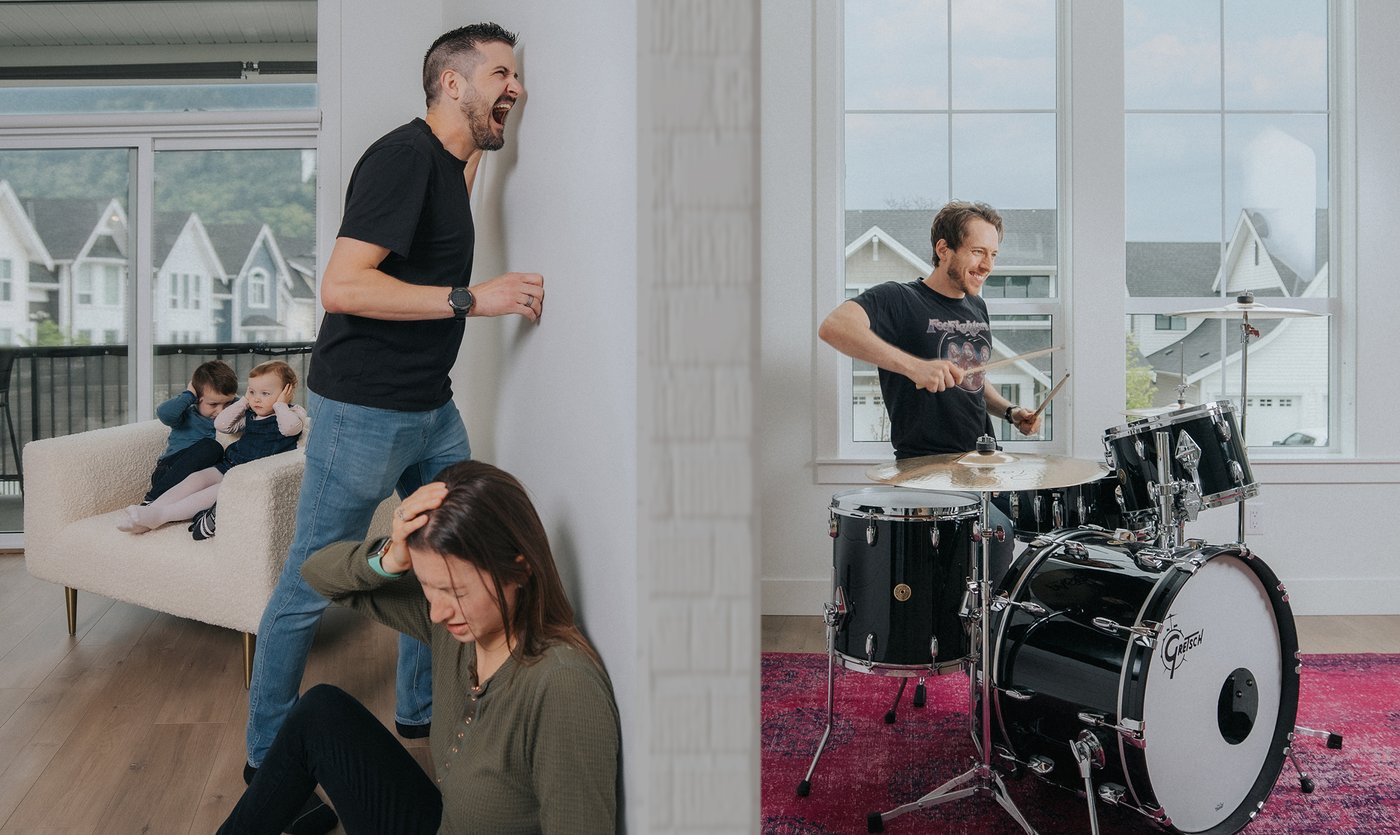
Even the quietest drum setup can disturb someone if you use it at the wrong time. Good communication often prevents more conflict than expensive equipment.
Ask housemates or neighbors about suitable practice hours. Keep a regular schedule, and avoid sudden late-night sessions.
You can offer to:
• Practice during agreed hours
• Stop if the noise becomes a problem
• Use headphones or a pad at night
• Move the kit away from shared walls
• Give advance notice before long sessions
If you rent, check your lease for quiet hours and noise rules. Many cities and apartment buildings have specific limits for nighttime sound.
It also helps to record a short sample from another room. This can show whether the main issue is cymbal sound, snare attack, or floor vibration.
Treat the conversation like a sound check, not an argument. Most people respond better when they see that you are actively trying to solve the problem.
Protect Your Hearing
Making drums quieter is important for your neighbors, but it is also essential for your ears. Drums can create short, intense bursts of sound that may contribute to hearing damage over time.
The Occupational Safety and Health Administration uses 90 decibels over an eight-hour workday as a permitted exposure level for many workplace situations, with shorter exposure times allowed as sound increases. Music practice does not follow a simple safety rule, so lower volume and shorter sessions are wise.
Use musician’s earplugs when playing an acoustic kit. They reduce volume more evenly than basic foam plugs, which may make music sound dull.
Follow these habits:
• Take regular breaks
• Keep practice sessions shorter
• Wear hearing protection during loud playing
• Watch for ringing or muffled hearing
• Stop if you feel pain or pressure
• Have persistent hearing changes checked by a professional
Hearing protection does not mean you are less serious about music. It helps preserve the sense of pitch, detail, and dynamics that makes drumming rewarding.
Common Mistakes When Making Drums Quieter
Many attempts fail because they focus on only one part of the kit. For example, covering the toms with mutes will not solve a loud crash cymbal or a vibrating kick pedal.
Avoid these mistakes:
• Using towels as a permanent substitute for proper mutes
• Placing the kit directly on a hard floor
• Over-tightening mesh heads
• Assuming headphones make an electronic kit silent
• Using heavy cymbal mutes that affect rebound
• Practicing harder because the kit feels too quiet
• Blocking vents or creating unsafe heat around electronic gear
• Ignoring lease rules and quiet hours
Towels can work for a short emergency session, but they may slide and create uneven rebound. Purpose-built mutes are safer and more consistent.
Do not place thick blankets over a drum kit while playing. They can interfere with movement, trap heat around electronic equipment, and create an unpredictable playing surface.
The best solution usually uses several small changes rather than one extreme change. A low-volume cymbal set, a kick isolation mat, soft beaters, and better technique can work together very well.
A Practical Quiet Drum Setup
If you want a simple plan, start with the parts that create the most noise. You can improve the setup in stages.
Low-cost setup
• Use drum mutes on all acoustic drums
• Place the kit on a thick rug
• Switch to lighter sticks
• Use a felt kick beater
• Add curtains or blankets to nearby walls
• Practice at agreed times
Mid-range setup
• Add low-volume cymbals
• Install mesh heads
• Build a kick drum isolation platform
• Use musician’s earplugs
• Add thick rugs and acoustic panels
• Use a practice pad for daily rudiment work
Advanced setup
• Use a mesh-head electronic kit
• Build a stable isolation platform
• Treat major reflection points in the room
• Monitor with headphones
• Use a quiet kick tower
• Track volume with a reliable sound level meter
Test one change at a time. Play the same groove before and after each adjustment. This helps you learn which upgrade makes the largest difference in your room.
The most effective answer to how to make drums quieter will depend on your building, floor type, kit, playing style, and budget.
Frequently Asked Questions About How to Make Drums Quieter
How can I make acoustic drums quieter without buying a new kit?
Use drum mutes, lighter sticks, soft kick beaters, and a thick rug first. You can also reduce room reflections with curtains, furniture, and acoustic panels.
Are mesh drumheads completely silent?
No, mesh drumheads greatly reduce acoustic volume but do not eliminate stick, hardware, or floor noise. The kick pedal and cymbals can still be loud unless you address them separately.
What is the quietest type of drum practice?
A soft practice pad is usually the quietest option for hand work. For full-kit practice, a mesh electronic kit with headphones and a vibration isolation platform is often more practical.
Do low-volume cymbals really work?
Yes, low-volume cymbals use perforated metal to reduce air movement and sustain. They still produce sound, but they are much quieter than standard cymbals.
How do I stop my kick drum from disturbing neighbors?
Use a soft beater, thick rug, and isolation platform under the kick and pedal. Moving the kit away from shared walls and corners can also reduce structure-borne vibration.
Can room foam make my drums quieter for neighbors?
Room foam can reduce echo inside the room, but it does not fully block sound from passing through walls. For neighbors, floor isolation and lower-impact gear are usually more important.
Are drum mutes bad for technique?
Drum mutes are not bad for technique when used correctly, but some models change rebound and feel. Mix muted practice with regular playing or mesh heads so you keep adapting to different surfaces.
Conclusion
The best way to make drums quieter is to reduce impact at the drumhead, cymbal, beater, and floor. Start with mutes, soft sticks, low-volume cymbals, a rug, and a kick isolation platform. Then improve your technique and practice schedule.
For the largest volume reduction, combine mesh heads with low-volume cymbals or use an electronic kit with headphones. Protect your hearing, respect quiet hours, and test each change before spending more money.
A quieter kit can still build strong timing, control, and musical skill. Choose one improvement today, try it during your next practice session, and share your setup or questions in the comments.

Senior Music Reviewer
Alex Carter is a seasoned music reviewer with over a decade of experience in the world of sound and instruments. Passionate about helping musicians and enthusiasts make informed choices, he brings sharp insights and in-depth knowledge to every review. From classical instruments to modern gear, Alex combines technical expertise with a love for music to deliver content that resonates with readers.
As a Senior Music Reviewer and expert author on Tuneluma.com, Alex is dedicated to sharing honest evaluations, practical advice, and thoughtful commentary to guide readers in their musical journey.
