What Drums Are In A Drum Set: Essential Drum Kit Guide
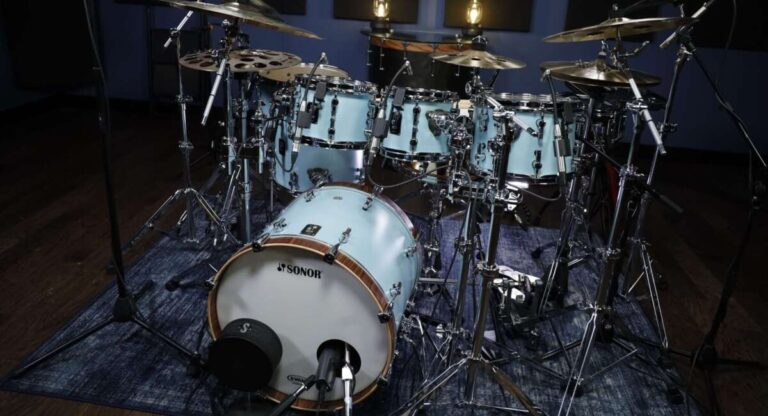
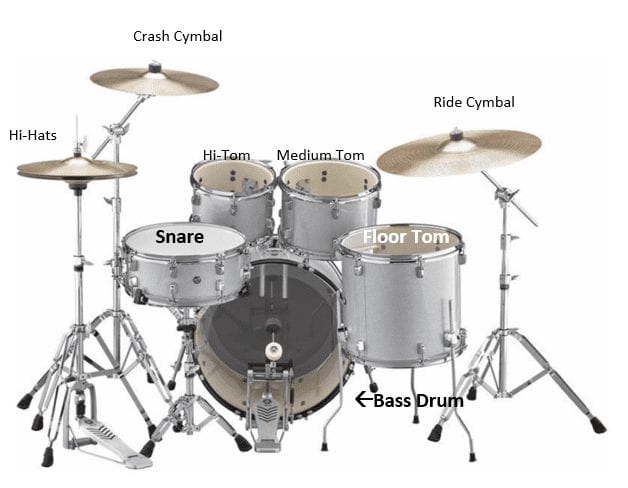
A standard drum set includes a bass drum, snare drum, toms, hi-hat, and cymbals.
I’ve played and taught drums for years, and I’ll walk you through exactly what drums are in a drum set, why each piece matters, and how they work together. This guide explains core drum types, common kit layouts, tuning tips, and practical buying advice. Expect clear definitions, real-world examples, and simple steps you can apply whether you’re starting on a 4-piece kit or upgrading to a full 7-piece rig.

The core drums in a standard drum set
A typical drum set centers on four drum types. Understanding these four answers the question of what drums are in a drum set in the clearest way.
- Bass drum
- The largest drum. Played with a foot pedal. Provides the low, punchy pulse and groove.
- Snare drum
- Sits between your legs on a stand. Produces a sharp “crack” or snap. Key for accents and backbeat.
- Tom-toms (toms)
- Mounted rack toms and one or more floor toms. Provide fills and melodic drum lines.
- Hi-hat (pair of cymbals on a stand)
- Though technically cymbals, the hi-hat is often treated like a drum in playing. It controls time feel and dynamic texture.
Those four items form a playable kit. Many players then add more drums and cymbals. If you ask what drums are in a drum set, these are the building blocks you’ll see on almost any kit.
Variations: rack toms, floor toms, and specialty drums
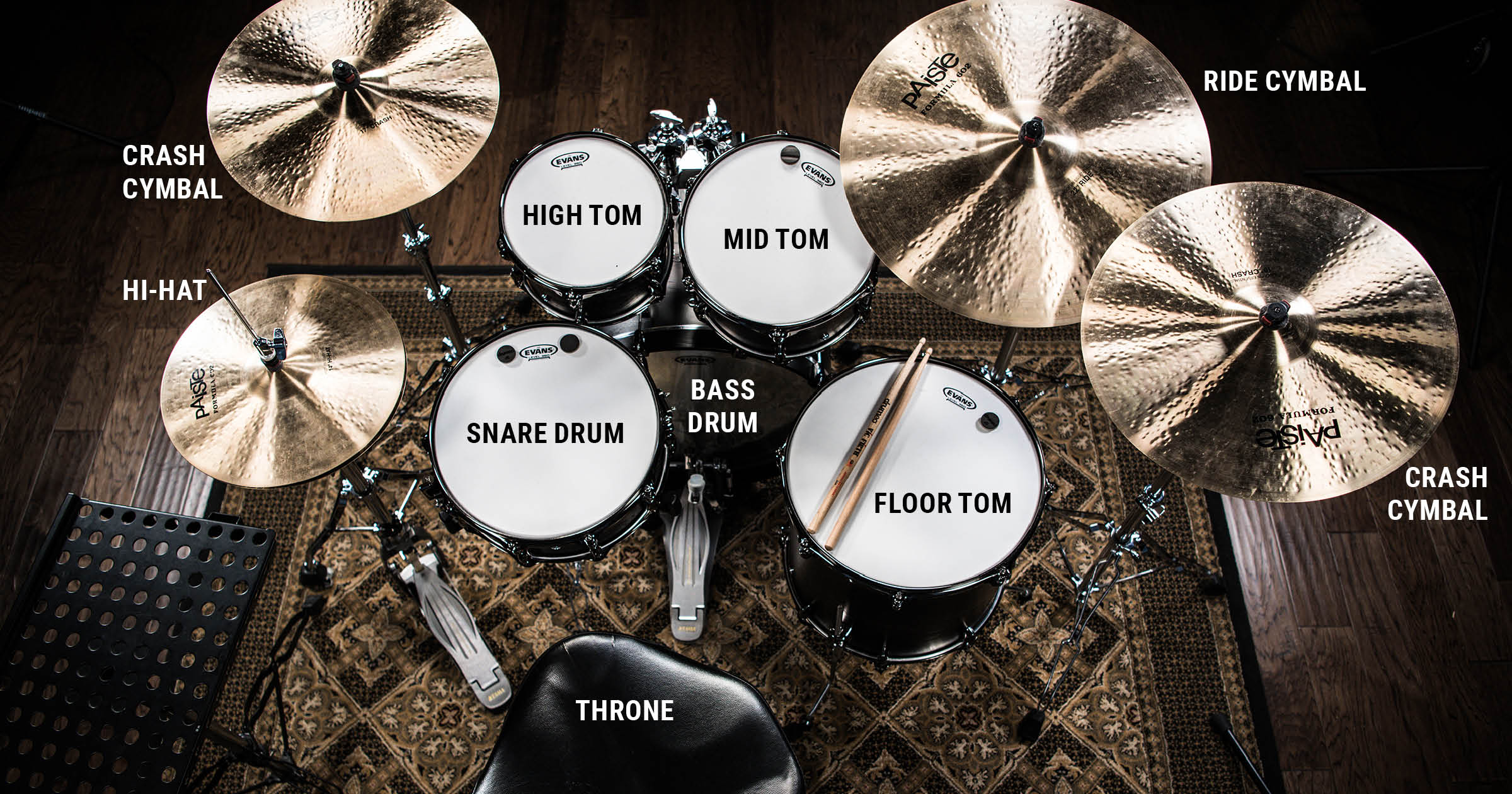
Drum sets expand from the core with different tom sizes and specialty drums. Knowing these helps you answer "what drums are in a drum set" for different music styles.
- Rack toms
- Smaller toms mounted above the bass drum. Common sizes: 8", 10", 12".
- Floor tom
- Larger tom that stands on legs. Common sizes: 14", 16".
- Piccolo snare and deep snare
- Piccolo snare gives bright snaps. Deep snare gives fat, low thuds.
- Roto-toms and octobans
- Tunable single-headed drums. Used for melodic fills or effects.
- Marching or concert toms (less common in drum sets)
- Specialized drums sometimes incorporated for unique tones.
Different sets answer different needs. For example, jazz kits often favor smaller toms and a more responsive snare, while rock kits add a big floor tom and deeper bass drum. When people ask what drums are in a drum set, remember that the answer expands depending on style and player preference.
How sizes and tuning affect sound
The size and tuning of each drum shape the kit’s voice. This section explains how size and tuning change tone and why that matters when deciding what drums are in a drum set.
- Bass drum size and tuning
- Larger diameter and deeper shells give more boom. Tighter heads offer attack; looser heads give warmth.
- Snare dimensions and tension
- Shallower snares are crisp. Deeper snares have body. Wire tension controls sensitivity.
- Tom sizes and pitch relationships
- Smaller toms are higher pitched. Arrange tom sizes to create musical pitch steps across the kit.
- Head selection and muffling
- Coated heads give warmth; clear heads give brightness. Dampening controls unwanted overtones.
Practical tip from my experience: tune the toms so fill patterns flow naturally. A common mistake is tuning toms too far apart in pitch. Keep drums tuned to complement each other. This is central to answering what drums are in a drum set with good musical results.

Common drum set configurations and what drums they include
When someone asks what drums are in a drum set, they often mean which drums are typical for each kit size or genre. Here are common configurations and their usual drum components.
- 3-piece (compact kit)
- Bass drum, snare, one tom (usually a floor tom or a rack tom). Great for stripped-down jazz or small spaces.
- 4-piece (classic rock/jazz kit)
- Bass drum, snare, one rack tom, one floor tom. Balanced for groove and fills.
- 5-piece (most common modern kit)
- Bass drum, snare, two rack toms, one floor tom. Versatile across genres.
- 6- and 7-piece kits (expanded setups)
- Adds extra rack toms, floor toms, or specialty drums. Favored by prog, metal, and studio drummers who want more tonal options.
- Jazz kit variations
- Smaller bass drum (18"-20"), snare, one or two toms. Emphasizes cymbal work and air.
- Fusion and rock kits
- Larger bass drum (20"-24"), deeper toms, more cymbals. Built for power and volume.
Use these templates when planning your own kit. Knowing typical answers to what drums are in a drum set helps you choose a setup that fits the music you want to play.

Accessories and additional drums to consider
Beyond the main drums, many players add drums and hardware that change the kit’s sound and playability. These accessories are important when you think about what drums are in a drum set in practice.
- Auxiliary drums
- Roto-toms, octobans, and small electronic pads for added textures.
- Specialty snares and side-snares
- Swapable snares that change response for recording or live use.
- Drum triggers and electronic drums
- Attachments and pads that let you blend acoustic and electronic sounds.
- Hardware essentials
- Quality stands, pedals, and mounts influence stability and ergonomics.
From my teaching work, I’ve seen players add one small roto-tom and get vastly more color for fills. Try one addition at a time to avoid over-complicating your kit.

How to choose which drums belong in your kit
Deciding what drums are in a drum set is personal. Use this short checklist to pick parts that match your goals.
- Identify your main genre
- Jazz, rock, metal, or session work will suggest different drum sizes.
- Set a budget and prioritize essentials
- Invest first in a good snare, snare stand, and reliable kick pedal.
- Consider space and transport
- Smaller kits travel easier. Bigger kits need more setup time.
- Test before you buy
- Play different snare depths and bass drum sizes. Listen for how drums blend.
Personal tip: I once bought a deep bass drum for volume, and it muddied my midrange. The lesson: always test how drums work together, not just how each drum sounds alone. This approach helps you answer what drums are in a drum set for your needs.
Maintenance, setup, and mistakes to avoid
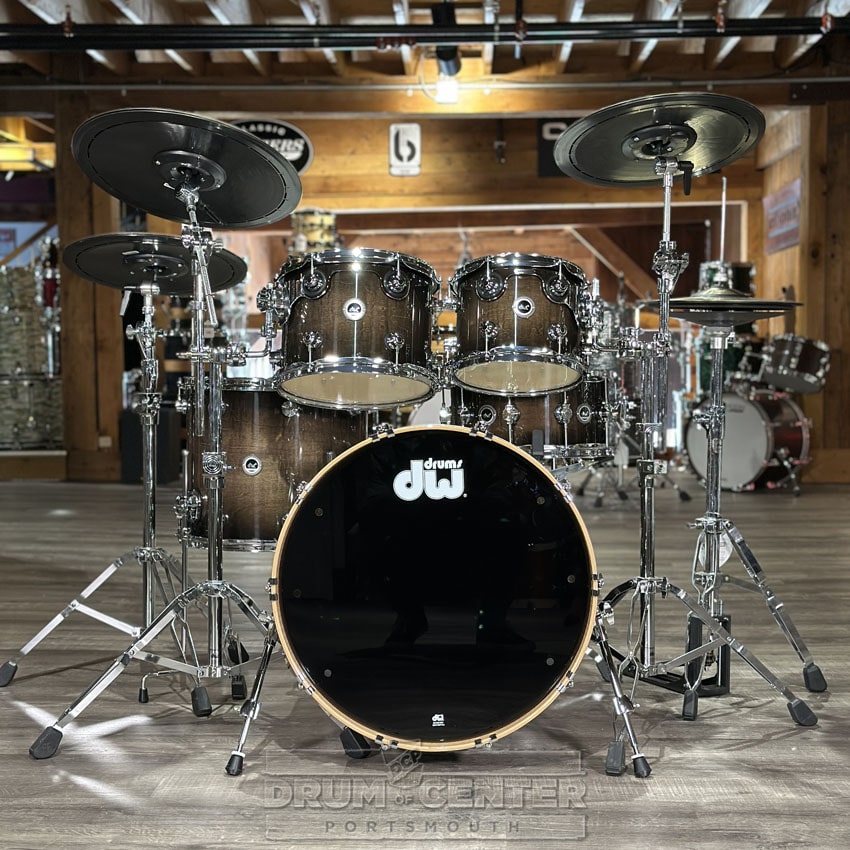
Knowing what drums are in a drum set includes knowing how to care for them. Simple maintenance keeps the kit sounding great.
- Regular head checks
- Replace worn heads and tune regularly for consistent tone.
- Keep hardware tight and lubricated
- Loose parts change feel and can break during a gig.
- Avoid over-dampening
- Heavy muffling can kill the drum’s character.
- Balance visual and sonic needs
- Don’t buy drums just because they look good. Prioritize sound and feel.
A common mistake I see: buying many extras too soon. Build the most musical kit first, then expand. That way you truly learn what drums are in a drum set that work for you.

Frequently Asked Questions of what drums are in a drum set
What are the basic drums in a standard drum set?
A standard drum set usually includes a bass drum, snare drum, one or more toms, and a hi-hat. Cymbals like ride and crash are commonly added but are not drums technically.
How many toms are typical in a drum set?
Most drum sets have one to three toms: one rack tom and one floor tom in a 4-piece, two rack toms plus a floor tom in a 5-piece. Larger kits can have more toms for tonal variety.
Is the hi-hat considered a drum or a cymbal?
The hi-hat is a pair of cymbals mounted on a stand and is technically cymbals, but drummers often treat them like a drum because they’re a core time-keeping element.
Do all drum sets include a snare drum?
Yes, the snare drum is essential to nearly every drum set. It provides the backbeat and is central to most styles of drumming.
Can I start with just a 3-piece kit?
Yes, a 3-piece kit (bass, snare, one tom) is an excellent starting point. It keeps focus on groove and fundamentals while being portable and budget-friendly.
Conclusion
You now have a clear answer to what drums are in a drum set: bass drum, snare drum, toms, and hi-hat form the core, with many useful variations and accessories to expand tone and function. Use the configuration and tuning tips above to craft a kit that fits your music, space, and budget. Try different setups, listen closely to how drums blend, and build your kit step by step. If you found this guide helpful, subscribe for more gear breakdowns, share your kit setup in the comments, or try tuning one drum today and notice the difference.

Senior Music Reviewer
Alex Carter is a seasoned music reviewer with over a decade of experience in the world of sound and instruments. Passionate about helping musicians and enthusiasts make informed choices, he brings sharp insights and in-depth knowledge to every review. From classical instruments to modern gear, Alex combines technical expertise with a love for music to deliver content that resonates with readers.
As a Senior Music Reviewer and expert author on Tuneluma.com, Alex is dedicated to sharing honest evaluations, practical advice, and thoughtful commentary to guide readers in their musical journey.