What Does Piano Mean In Italian: Meaning & Usage
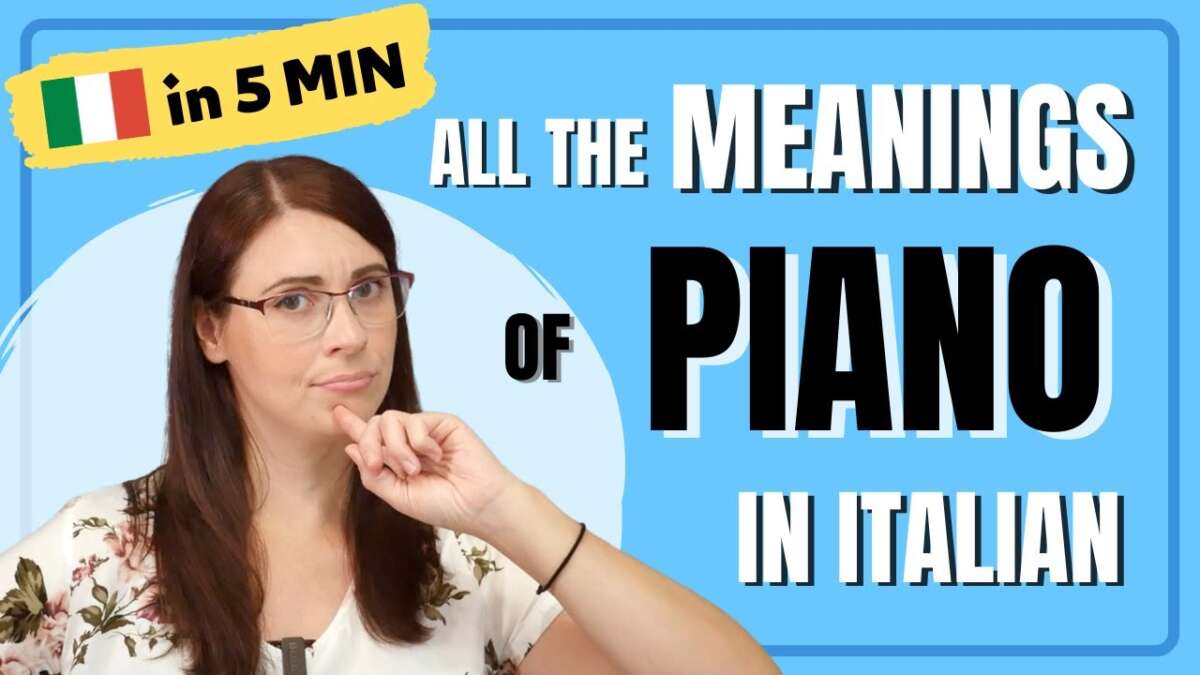
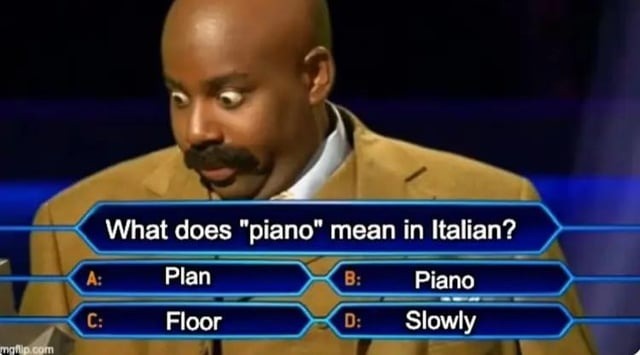
Piano in Italian most commonly means "soft" in music; it also means "floor," "plan," or "slowly."
As a language and music writer with years of teaching experience, I’ll walk you through what piano means in Italian, how it’s used, and why the same word appears so often in music, daily speech, and idioms. This article explains the word’s roots, its uses as an adjective, noun, and adverb, pronunciation tips, common phrases, and real-life examples so you can use piano with confidence.

What "piano" means in Italian: core definitions
Piano has several related meanings in Italian. The most common are:
- piano as an adjective or adverb meaning soft, gentle, or slowly in music and speech.
- piano as a masculine noun meaning floor, level, or story of a building.
- piano as a noun meaning plan, scheme, or map in contexts like "fare un piano" (to make a plan).
Each sense shares a sense of calmness or order. The musical meaning is the most globally known because of music notation. The everyday meanings show up often when talking about buildings or plans.

Piano in the musical context
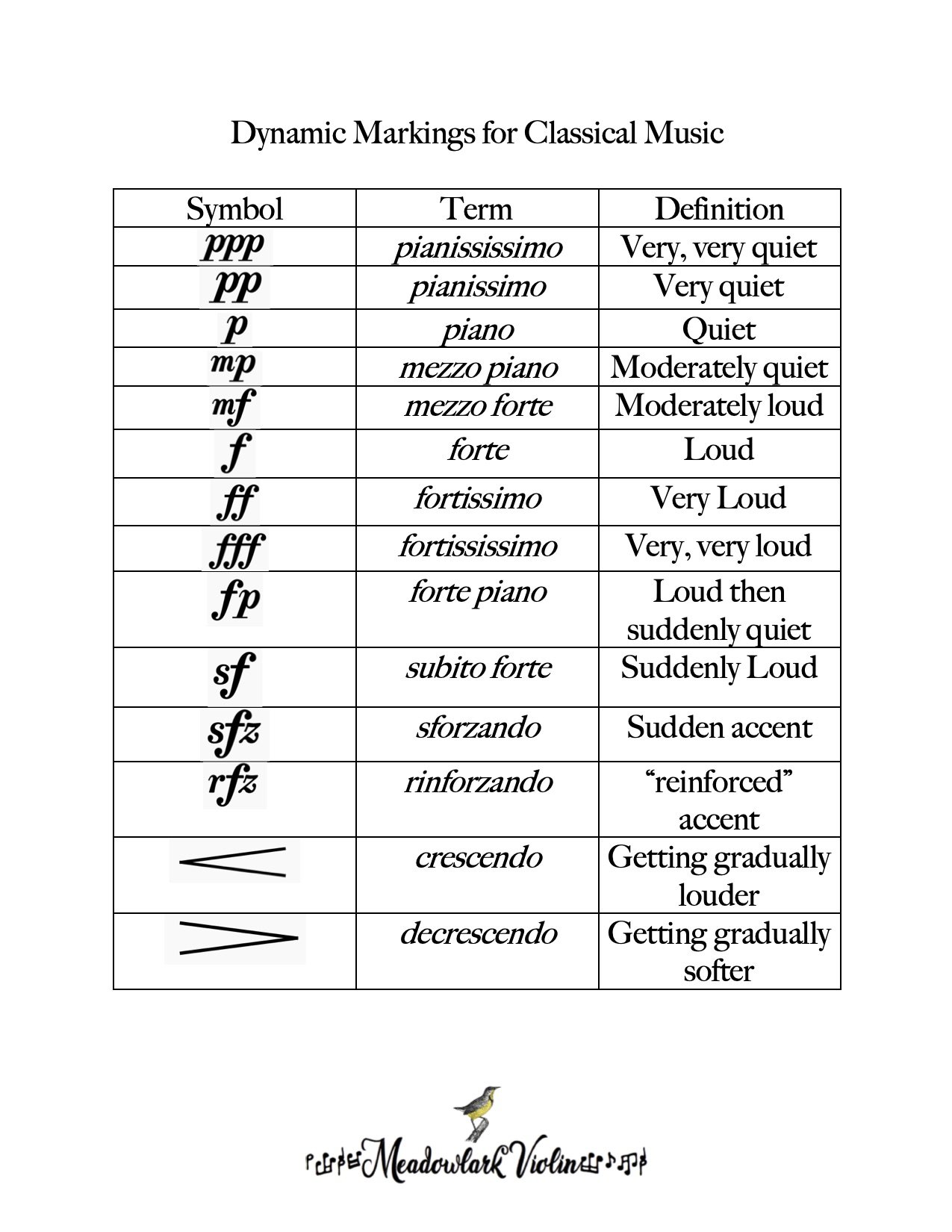
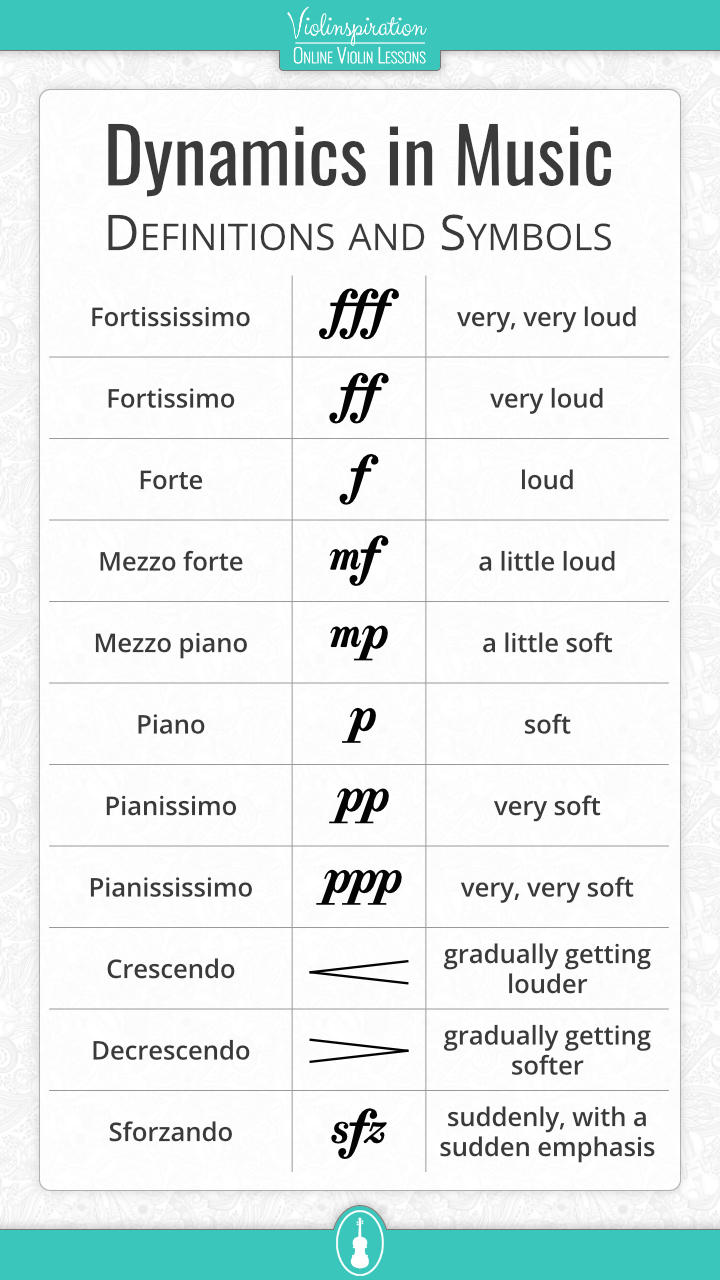
In music, piano is a dynamic marking that tells players to play softly. It is abbreviated as p on sheet music. The term comes from Italian because Italian was the lingua franca of classical music notation.
Common musical related terms:
- pianissimo — very soft or very quiet.
- mezzo‑piano — moderately soft.
- pianissimo possibile — as soft as possible.
When you see piano on a score, it changes how you shape a phrase. Playing piano means listening for tone and control, not just lowering volume. Musicians study these dynamics to add emotion and contrast to music.

Piano as a common everyday word
Outside music, piano is widely used in Italian life.
- As a noun for building levels: il piano terra (ground floor), il secondo piano (second floor).
- As a noun for plan: fare un piano (to make a plan) or piano d'azione (action plan).
- As an adverb meaning slowly or gently: piano, piano means "slowly, slowly" or "take it easy."
Grammar notes:
- Piano is masculine: il piano. Plural is i piani.
- When used adverbially, it does not change for gender or number.
These uses make piano a small, flexible word with big utility in conversation.
Common phrases, idioms, and everyday uses
Phrases with piano are easy to pick up and useful.
- piano piano — slowly, take your time.
- piano di lavoro — work plan or schedule.
- stai piano — be careful or go easy (often used to warn someone not to rush).
You’ll hear piano in street speech as advice to slow down. You’ll also see it in signs at public places for floors or departments. Its idiomatic uses show how language and culture match the calm, measured sense of the word.
Pronunciation, stress, and quick grammar tips
Pronunciation tips:
- Pronounce piano as PEE-ah-no in English phonetics. Keep three clear syllables: pi-a-no.
- Stress falls on the first syllable: PI-a-no.
Grammar reminders:
- Il piano (singular) — i piani (plural).
- Use articles: il piano terra, un piano d'azione.
- As an adverb, piano remains invariable: Vai piano means "go slowly."
These small rules prevent common mistakes when you speak or read Italian.
Cultural notes and personal experience
From teaching beginners to coaching amateur singers, I've seen piano pop up in surprising places. Students confuse piano the instrument with the word piano; the instrument in Italian is pianoforte, often shortened to piano in English. I learned early to point out context: a music score says piano for soft dynamics, while a realtor points to il primo piano as the first floor.
Lessons learned:
- Ask for context if you hear piano — it might mean the floor, a plan, speed, or softness.
- When practicing music, start piano to build tone control.
- Use piano piano in conversation to sound natural and kind.
These tips come from real classroom moments and stage rehearsals. They help you avoid simple yet common misunderstandings.

Frequently Asked Questions of what does piano mean in italian
What does piano mean in music?
Piano in music indicates a soft dynamic and is shown as the letter p in notation. It directs musicians to play gently and with control.
Does piano mean slow?
Piano can mean slowly when used as an adverb in phrases like piano piano. In strict musical terms, piano means soft, not slow; tempo markings use words like lento or adagio.
How do you pronounce piano in Italian?
Pronounce piano as PEE-ah-no with stress on the first syllable. Keep each syllable clear: pi-a-no.
Is piano the same as the instrument name?
The instrument is called pianoforte in Italian, but many languages shorten it to piano. Context tells you whether someone means the instrument or the adjective.
What is the plural of piano in Italian?
The plural of the noun piano is i piani. For musical use as an adverb or adjective, forms do not change for number.
Can piano mean plan or map?
Yes. Piano can mean a plan, scheme, or layout, as in piano d'azione or piano di lavoro. It often implies an organized or thought-out approach.
Conclusion
Piano is a small word with many shades: soft in music, floor in everyday life, plan in work, and slowly in speech. Knowing the context and simple grammar makes the difference between confusion and clarity. Try using piano piano in conversation and listen for piano on scores to feel the word’s full range.
Takeaway: pay attention to context, practice the pronunciation PEE-ah-no, and use the word with confidence. If you found this useful, leave a comment below, try a short listening or reading exercise, or subscribe for more language and music tips.

Senior Music Reviewer
Alex Carter is a seasoned music reviewer with over a decade of experience in the world of sound and instruments. Passionate about helping musicians and enthusiasts make informed choices, he brings sharp insights and in-depth knowledge to every review. From classical instruments to modern gear, Alex combines technical expertise with a love for music to deliver content that resonates with readers.
As a Senior Music Reviewer and expert author on Tuneluma.com, Alex is dedicated to sharing honest evaluations, practical advice, and thoughtful commentary to guide readers in their musical journey.