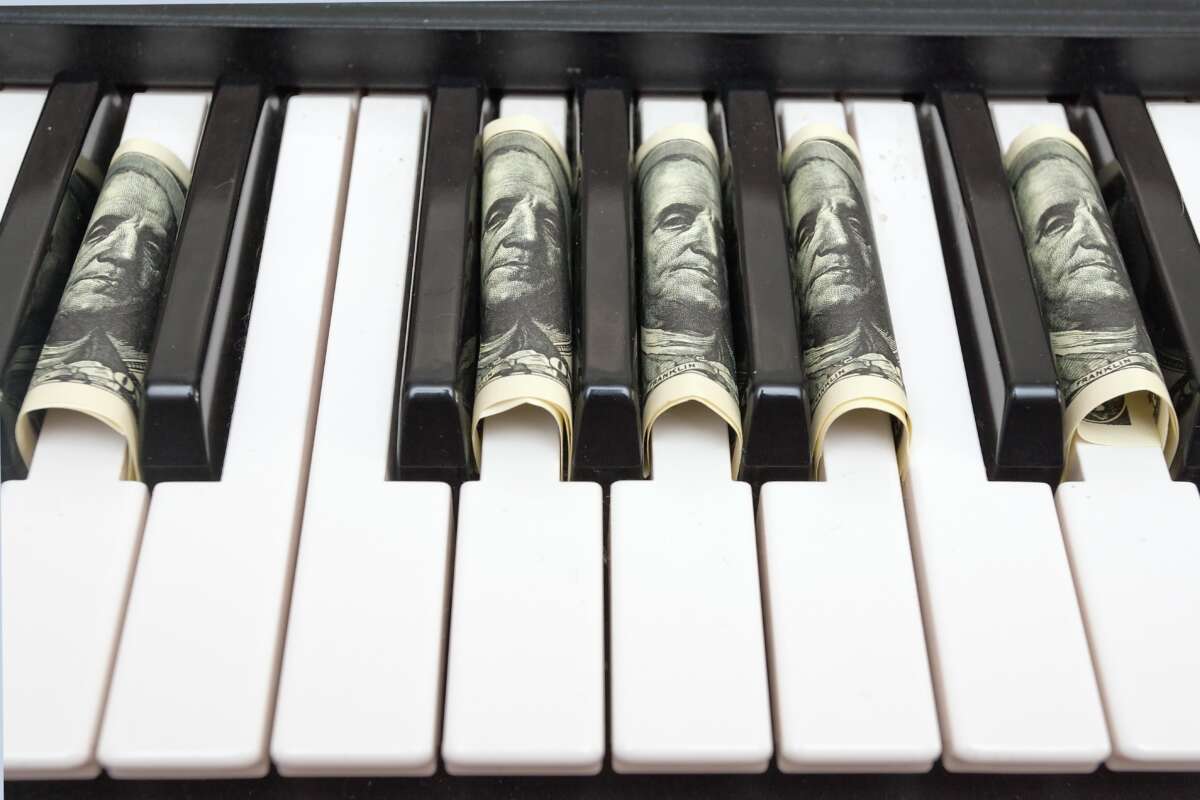
How Much Does A Piano Cost: A Complete 2026 Price Guide
A new acoustic piano typically ranges from $3,000 to $150,000, while digital models cost between $500 and $5,000.
Stepping into piano ownership is a big and rewarding choice. I’ve advised families and professional musicians for years. I often get the question: how much does a piano cost? The short answer depends on the type, brand, condition, and upkeep. The longer answer looks at materials, labor, and ongoing care. In this article I’ll walk you through real-world prices, common hidden costs, and practical tips to help you pick the right piano for your budget and goals.

Understanding the Factors Influencing Piano Price
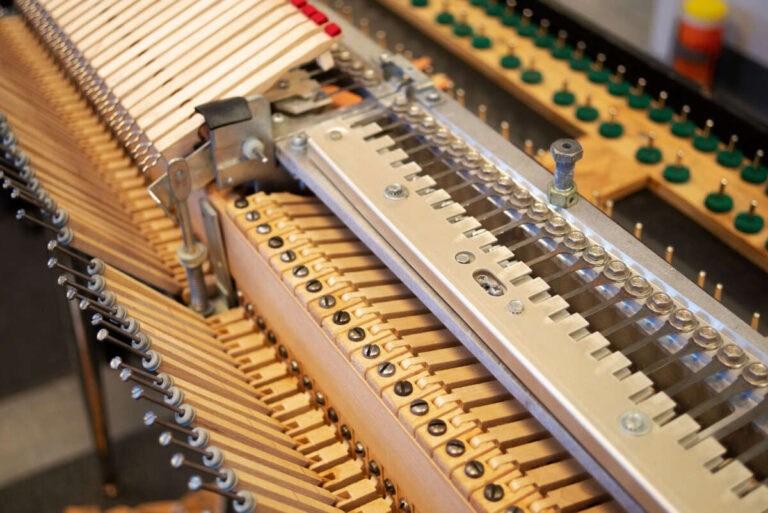
A piano is both furniture and a precision instrument. It has thousands of parts that must work together. That complexity directly affects price.
Here are the key cost drivers I always explain to buyers:
- Type of piano — Acoustic pianos use wood, metal, and precise woodworking. Digital pianos use electronics and sampling. Acoustic builds cost more to make.
- Materials and craftsmanship — Solid spruce soundboards, high-quality hammers, hard rock maple pinblocks, and hand-voicing add price.
- Brand reputation — Brands like Steinway, Bösendorfer, Yamaha, Kawai, and Fazioli charge premiums for proven tone and resale value.
- Condition — Used pianos can be bargains. But structural issues—cracked soundboards, loose pinblocks, or worn action—can be expensive to fix.
- Scale and size — Larger grands use more materials and more labor in regulation and voicing, driving up costs.
When someone asks me how much does a piano cost, I always ask about space, player level, and future plans. Those answers narrow the price range quickly.
Exploring Price Ranges for Different Piano Types
Prices vary widely by type. Below are realistic ranges and what to expect at each level.
Digital pianos (budget to pro)
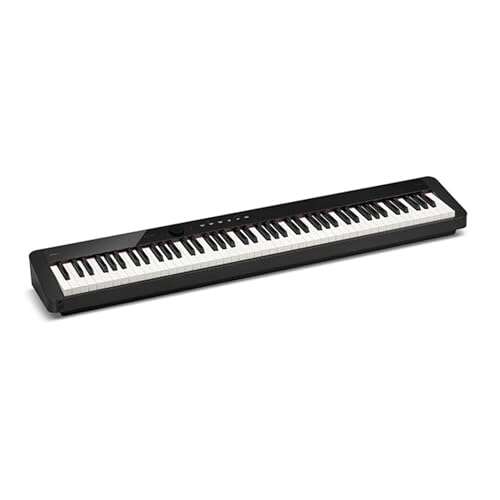
- Entry-level: $500–$1,500. Good weighted-key models for beginners. No tuning needed, headphone output for quiet practice.
- Mid-range: $1,500–$3,500. Better samples, improved key action, more features (Bluetooth, multi-voicing).
- Professional: $3,500–$5,000+. High-end actions, multi-layer sampling, and realistic cabinet options.
Upright (vertical) pianos
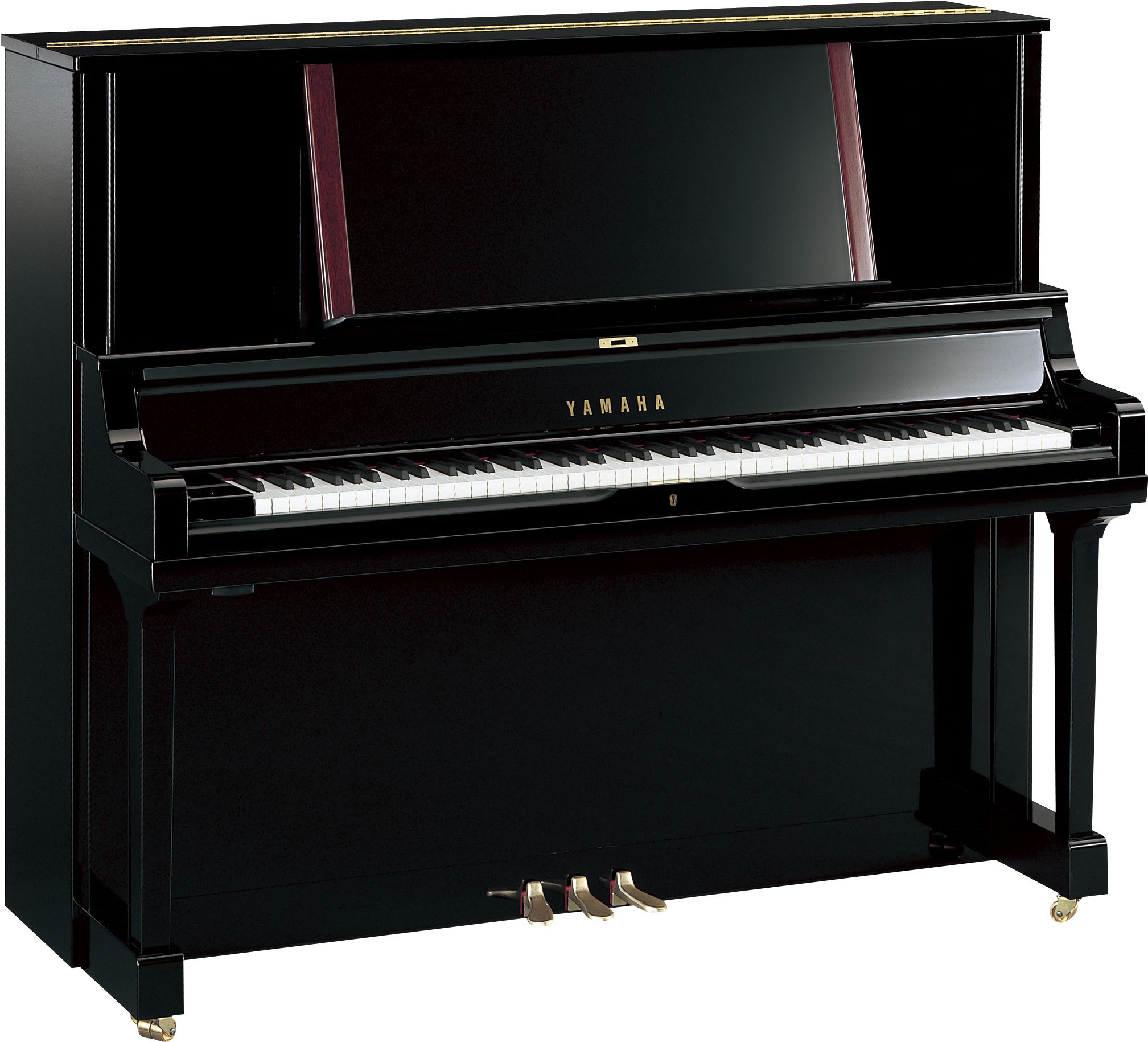
- New entry to mid-range: $3,000–$15,000. Many students do very well on mid-range uprights.
- High-end uprights: $15,000–$40,000. Better materials and more precise action regulation.
Grand pianos
- Used baby grands: $5,000–$25,000 depending on brand and condition.
- New baby and professional grands: $20,000–$100,000.
- Concert grands and handcrafted models: $100,000–$200,000+. Exceptional materials, hand finishing, and extensive regulation.
When I shop with clients, I point out that the price also reflects intangible qualities. Tone, touch, and projection are subjective. Try many instruments before you buy.
Piano Price by Brand and Model (Representative Examples)
To make prices more concrete, here are common brand tiers and typical new price bands. These are general ranges and vary with model, finish, and country.
- Entry / student brands — Casio, Roland (digital), some Yamaha entry uprights: $500–$6,000.
- Mid-range established brands — Yamaha, Kawai, Baldwin: $5,000–$40,000 depending on model and size.
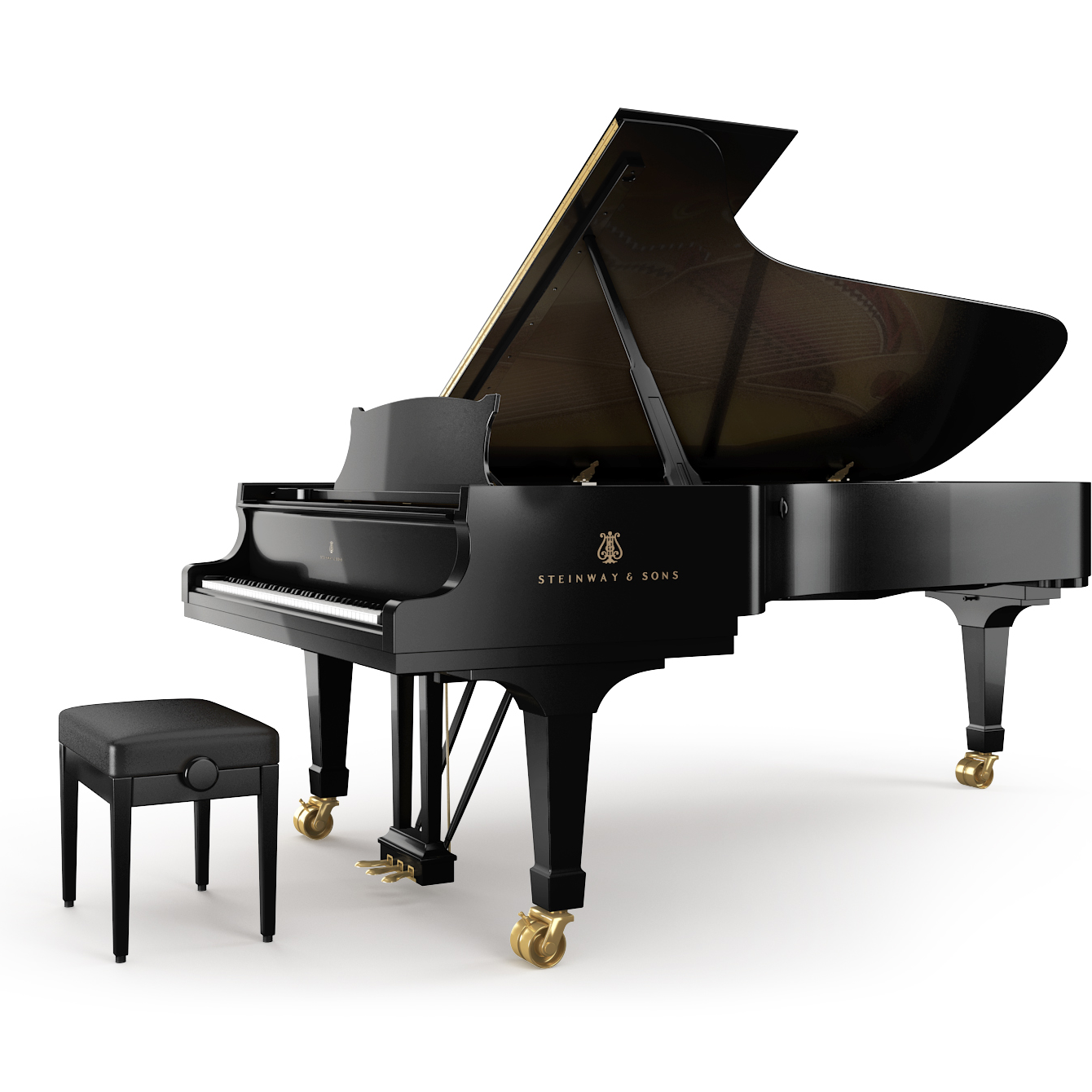
- High-end and boutique — Steinway & Sons, Bösendorfer, Fazioli: $60,000–$200,000+.
I always tell buyers to balance brand prestige with playability. A well-maintained used Yamaha or Kawai can outperform a new, low-end grand from a less-proven maker.
How to Choose Between New and Used Pianos
Choosing new versus used is one of the most common decisions I help people make. Both options have pros and cons.
- New piano — Warranty, predictable condition, and no unknown repairs. More expensive upfront. Better if you want guaranteed stability and a known factory setup.
- Used piano — Lower price for the instrument itself. Risk of hidden issues. Requires inspection by a trusted piano technician. Can be a great value if the piano was well cared for.
If you consider used, hire a technician to inspect the action, soundboard, pinblock, and strings. I always recommend this step. It will save you money and stress later.
Hidden Costs of Piano Ownership
Buying the piano is only the start. To answer how much does a piano cost over time, include these recurring and occasional expenses.
- Tuning — Plan for twice a year. Typical cost: $150–$300 per tuning depending on region and instrument condition.
- Regulation and voicing — Over years, keys and hammers require adjustment. A full action regulation can cost several hundred dollars.
- Repairs and parts — Replacing strings, hammers, or a broken pinblock can cost thousands for major work.
- Humidity control — A good humidity system or room humidifier is a wise investment. It prevents cracks and costly soundboard damage.
- Moving — Professional piano movers charge several hundred dollars for a local move. Add more for stairs, long distance, or special rigging.
- Insurance — Consider homeowner’s insurance or scheduled personal property coverage for high-value instruments.
These costs add up. I tell families to budget for maintenance in their piano plan. A small annual maintenance fund prevents surprise bills later.
Where to Buy and What to Inspect
Choosing a seller matters. I recommend these options and checks.
- Authorized dealers — Good for new pianos, warranty support, and delivery. Dealers often offer setup and local servicing.
- Reputable used dealers and rebuilders — They inspect, repair, and offer limited guarantees. A strong option for quality used instruments.
- Private sales — Can be cheaper. Higher risk. Always get a technician inspection.
Inspection checklist I use:
- Check the soundboard for hairline or major cracks.
- Verify the pinblock holds tuning pins firmly (tunes well after a few days).
- Play each key slowly and fast to feel action consistency.
- Listen for buzzing, rattling, or dead notes.
- Ask for maintenance history and original purchase documents if possible.
Maintenance Schedule and Typical Costs
Having a simple maintenance plan keeps costs predictable. Here’s a common schedule I recommend:
- Every 6 months: Tuning ($150–$300).
- Every 1–3 years: Minor regulation and voicing (cost varies).
- Every 10–30 years: Major rebuilds or restringing if needed (thousands of dollars for grands).
Small, regular care prevents major repairs. I tell students that good maintenance protects tone and resale value.
Frequently Asked Questions of how much does a piano cost
Is it cheaper to buy a used piano than a new one?
Buying used is often cheaper, but you must factor in the cost of an inspection by a qualified technician. Sometimes a free piano can end up costing thousands in repairs, making a new entry-level model a safer financial choice.
Does a digital piano hold its value?
Digital pianos generally depreciate faster than acoustic pianos because technology evolves rapidly. While they are cost-effective for beginners, they do not function as long-term financial assets in the same way a handcrafted acoustic instrument does.
Should I pay for an appraisal before buying a used piano?
Yes, hiring a professional piano technician to inspect a used instrument is the best way to protect your investment. They can identify hidden structural issues that could make the piano unplayable or impossible to tune.
Why do some grand pianos cost significantly more than others?
Grand pianos are priced based on the quality of materials, the precision of the manufacturing process, and the reputation of the brand. Hand-finished instruments built with premium woods command higher prices because of the hundreds of hours of labor required.
What is the most affordable way to start learning piano?
The most budget-friendly approach is to purchase a high-quality weighted-key digital keyboard for your first year of lessons. Once you are committed to the hobby, you can transition to an acoustic piano to experience the full range of tonal expression.
Checklist: Before You Buy a Piano
- Measure doorways and room size. Make sure the piano fits and sounds right in the space.
- Decide new or used and set a clear budget that includes maintenance and moving.
- Schedule a technician inspection for any used instrument you consider. Keep the report.
- Play multiple instruments. Compare touch, tone, and dynamic range.
- Ask about warranty and dealer services if you buy new.
I use this checklist with every client. It prevents impulse buys and leads to more satisfying purchases.
Conclusion
Determining how much does a piano cost is a mix of numbers and personal priorities. Prices range from a few hundred dollars for basic digital keyboards to six figures for concert grands. But the real question is what you want from the instrument. Do you want convenience and low upkeep? Then a digital piano may be right. Do you want a living, breathing acoustic instrument with long-term value? Then plan for the higher upfront price and ongoing care.
Start by assessing your space, practice needs, and long-term goals. Test as many pianos as you can. Talk with local technicians and reputable dealers. With the right information and a careful inspection, you can find a piano that both fits your budget and inspires you to play for years to come. Start your search today and enjoy the journey of making music.

Senior Music Reviewer
Alex Carter is a seasoned music reviewer with over a decade of experience in the world of sound and instruments. Passionate about helping musicians and enthusiasts make informed choices, he brings sharp insights and in-depth knowledge to every review. From classical instruments to modern gear, Alex combines technical expertise with a love for music to deliver content that resonates with readers.
As a Senior Music Reviewer and expert author on Tuneluma.com, Alex is dedicated to sharing honest evaluations, practical advice, and thoughtful commentary to guide readers in their musical journey.