Who Play Guitar On Beat It: The Guitarists Revealed
Eddie Van Halen played the famous guitar solo, while Steve Lukather played the rhythm guitar on “Beat It.”
The question of who play guitar on Beat It has a two-part answer. Eddie Van Halen created the explosive solo, and Toto guitarist Steve Lukather helped build the song’s tight rhythm guitar sound. Understanding their separate roles makes Michael Jackson’s 1982 hit even more impressive.
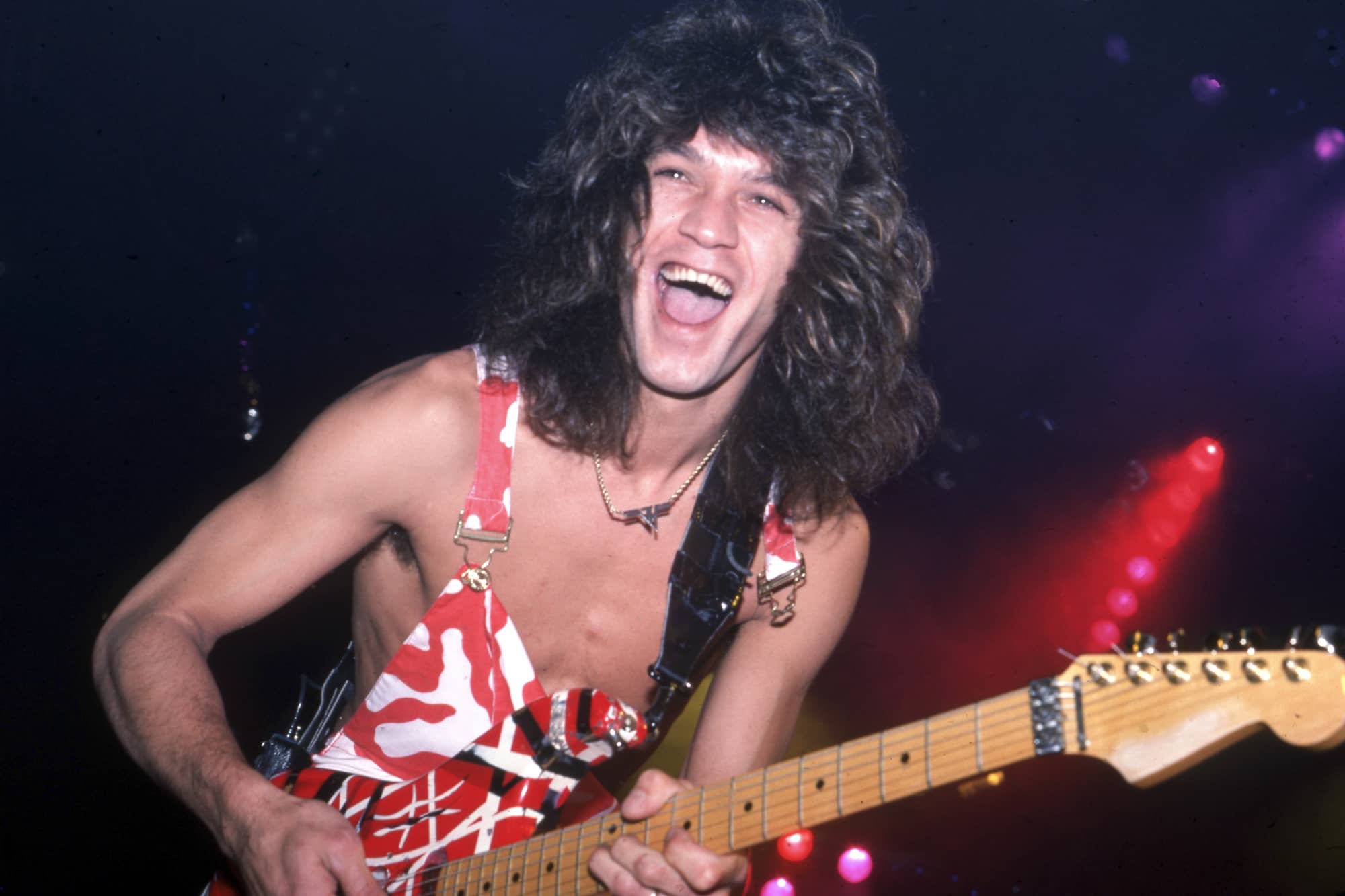
Who Played Guitar on “Beat It”?
Eddie Van Halen played the lead guitar solo on “Beat It.” Steve Lukather played the main rhythm guitar parts and also contributed bass guitar to the recording. Their work gave the song both its hard-rock edge and its steady pop groove.
Michael Jackson wanted “Beat It” to sound tough enough for rock listeners but still fit his dance-pop style. Producer Quincy Jones brought in Eddie Van Halen to add a solo that would make the track stand out. Lukather, already known for his work with Toto and many studio sessions, helped shape the core guitar arrangement.
So, when people ask who play guitar on Beat It, the clearest answer is:
• Eddie Van Halen played the iconic lead guitar solo.
• Steve Lukather played rhythm guitar.
• Steve Lukather also played bass on the studio recording.
• Michael Jackson performed the lead vocals and co-wrote the song with Quincy Jones credited as producer.
The two guitarists did not perform the same job. Van Halen supplied the dramatic spotlight moment, while Lukather supported the song with the parts that hold the verses, chorus, and groove together.
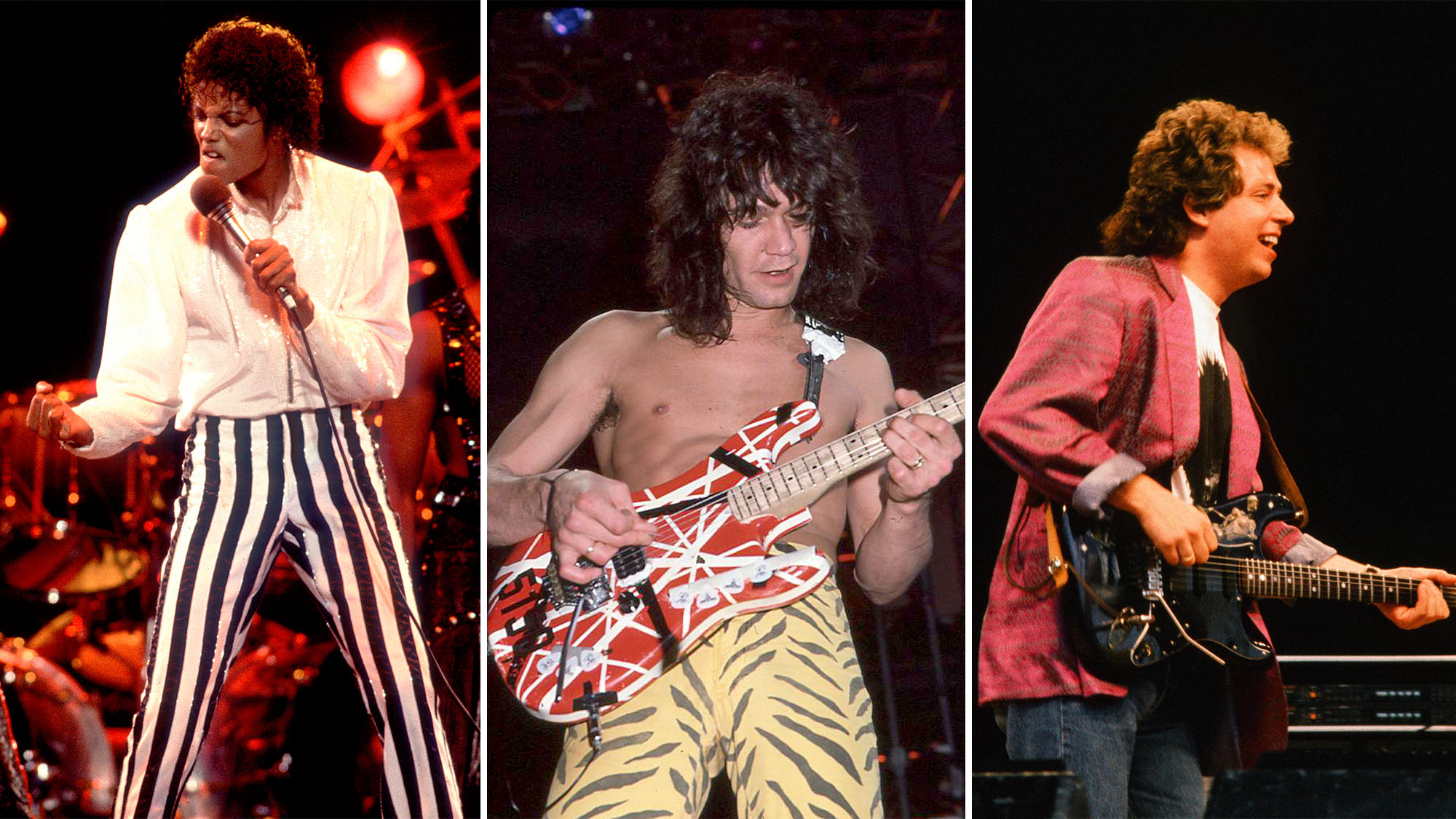
Eddie Van Halen’s Role in “Beat It”
Eddie Van Halen’s solo is the most famous guitar part in “Beat It.” It begins after the second chorus and lasts for roughly half a minute. In that short space, Van Halen used bends, fast runs, tapping, slides, and wide vibrato to create a solo that sounds both wild and carefully controlled.
The solo was recorded during a session at Westlake Studios in Los Angeles. Van Halen later explained that he changed the arrangement after hearing the track. He wanted the solo to serve the song, not simply show off his technique.
That choice matters. The solo is fast, but it is also memorable. Its phrases rise and fall like a voice, which helps it fit the emotional tension of the song.
Did Eddie Van Halen receive payment?
Reports widely state that Eddie Van Halen performed the solo without taking payment. He was already a major rock star, and the session offered a chance to work with Michael Jackson and Quincy Jones.
The exact details of the session agreement have been discussed in many interviews and music histories. However, the important fact remains clear: Van Halen donated one of the most recognizable guitar performances in pop music.
How Eddie Van Halen changed the track
Van Halen’s playing helped “Beat It” cross genre lines. The song could work on pop radio, rock radio, dance floors, and MTV. His solo acted like a bridge between Michael Jackson’s polished production and the force of early 1980s hard rock.
When studying who play guitar on Beat It, it is useful to hear the solo as part of the song’s design. It does not feel pasted on. It enters at the right moment, raises the energy, and then leaves space for Jackson’s final vocal sections.
:max_bytes(150000):strip_icc()/GettyImages-88720199-acff3e8d229e488cbcae4e1422800df5.jpg)
Steve Lukather’s Role on the Recording
Steve Lukather played the rhythm guitar parts on “Beat It.” His guitar work is less dramatic than Van Halen’s solo, but it is essential to the song’s structure.
Rhythm guitar often works like the frame of a building. Listeners may focus on the bright details, but the frame keeps everything stable. Lukather’s parts support the beat, reinforce the harmony, and help the track sound full without becoming crowded.
Lukather was an experienced session musician and a founding member of Toto. His studio work included pop, rock, jazz, and film music. That background made him a strong choice for a song that needed precision, power, and a clean commercial sound.
What does the rhythm guitar do?
The rhythm guitar in “Beat It” helps connect the drums, bass, keyboards, and vocals. It adds sharp attacks and chord color while leaving room for Jackson’s voice.
Lukather’s playing also helps create contrast. The verses feel controlled, while the chorus carries more force. This balance lets the song build tension without losing its danceable pulse.
Did Steve Lukather play bass too?
Yes. Steve Lukather is credited with playing rhythm guitar and bass on the recording. Other musicians also shaped the instrumental track, including Jeff Porcaro on drums and Greg Phillinganes on keyboards.
Credits can differ slightly between album notes, session records, and later databases. Still, the main guitar roles are well established: Lukather handled the rhythm guitar, and Eddie Van Halen performed the featured solo.
Why “Beat It” Needed Two Guitarists
The arrangement of “Beat It” depends on contrast. Michael Jackson’s vocal is smooth and rhythmic, while the guitars add tension and attack. Using one guitarist for the foundation and another for the solo gave the track a wider range of sound.
Lukather’s rhythm work keeps the song connected to pop and funk. Van Halen’s solo pushes it toward hard rock. Together, they create a sound that feels larger than either style alone.
This is one reason the answer to who play guitar on Beat It cannot simply be “Eddie Van Halen.” That answer identifies the famous soloist but leaves out the guitarist who helped build the song’s main texture.
The song’s musical balance
“Beat It” uses several layers that must work together:
• A strong drum groove drives the song forward.
• Bass supports the low end and locks with the drums.
• Rhythm guitar adds attack and movement.
• Keyboards fill out the harmony.
• Jackson’s vocal carries the story and emotional urgency.
• Van Halen’s solo provides the major rock climax.
The song succeeds because no single part overwhelms the others. Even the solo, which is the most obvious instrumental feature, remains tied to the arrangement.
How Eddie Van Halen Recorded the Solo
The story behind the solo is almost as famous as the solo itself. Van Halen reportedly listened to an early version of “Beat It” and felt that the song needed a stronger instrumental section. He then recorded several ideas and helped refine the section with the production team.
One famous studio detail is that Van Halen asked the engineers to alter the track’s arrangement. Some parts were reportedly cut or moved to create more room for the guitar. This shows how a great solo often depends on editing and teamwork, not only on the guitarist’s fingers.
The final performance sounds spontaneous, but it is shaped for the record. It has a clear opening, a rising middle, and a strong ending. That structure makes it easy to remember.
Was the solo improvised?
Parts of Eddie Van Halen’s solo were developed in the studio, and accounts often describe the performance as largely improvised. However, “improvised” does not mean random. Van Halen understood the chord progression, the song’s mood, and the exact space available for the solo.
This is a useful lesson for guitar players. A solo can sound free while still having a clear plan. Strong phrasing matters more than filling every second with notes.
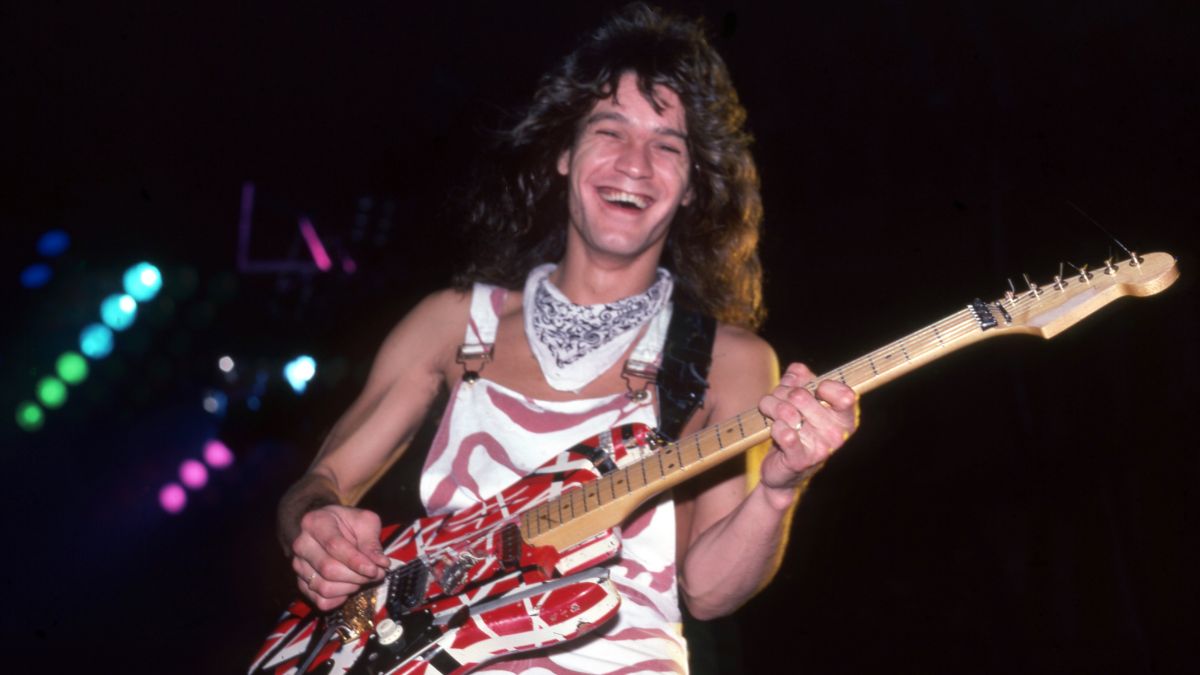
Guitar Techniques Used in “Beat It”
The solo includes several techniques associated with Eddie Van Halen’s style. These techniques helped define the sound of rock guitar in the late 1970s and early 1980s.
Important elements include:
• Legato runs that connect notes smoothly.
• String bending that adds vocal-like emotion.
• Vibrato that gives long notes movement.
• Fast alternate picking and pull-offs.
• Tapping, one of Van Halen’s best-known techniques.
• Harmonic effects that add a sharp, bright edge.
• Quick shifts between high and low registers.
The solo is not only a display of speed. Its real strength comes from contrast. Van Halen moves from held notes to fast bursts, then returns to strong melodic ideas.
A practical lesson for guitar players
When I study who play guitar on Beat It, the most useful lesson is not to copy every fast note. It is to notice how the solo leaves room, creates tension, and resolves each phrase.
A beginner can apply the same idea with simple notes:
- Start with a short melody.
- Repeat it with a small change.
- Raise the pitch to build tension.
- End on a note that fits the chord.
- Add speed only when the phrase already sounds musical.
This method helps players avoid a common mistake: confusing technical speed with strong musical expression.
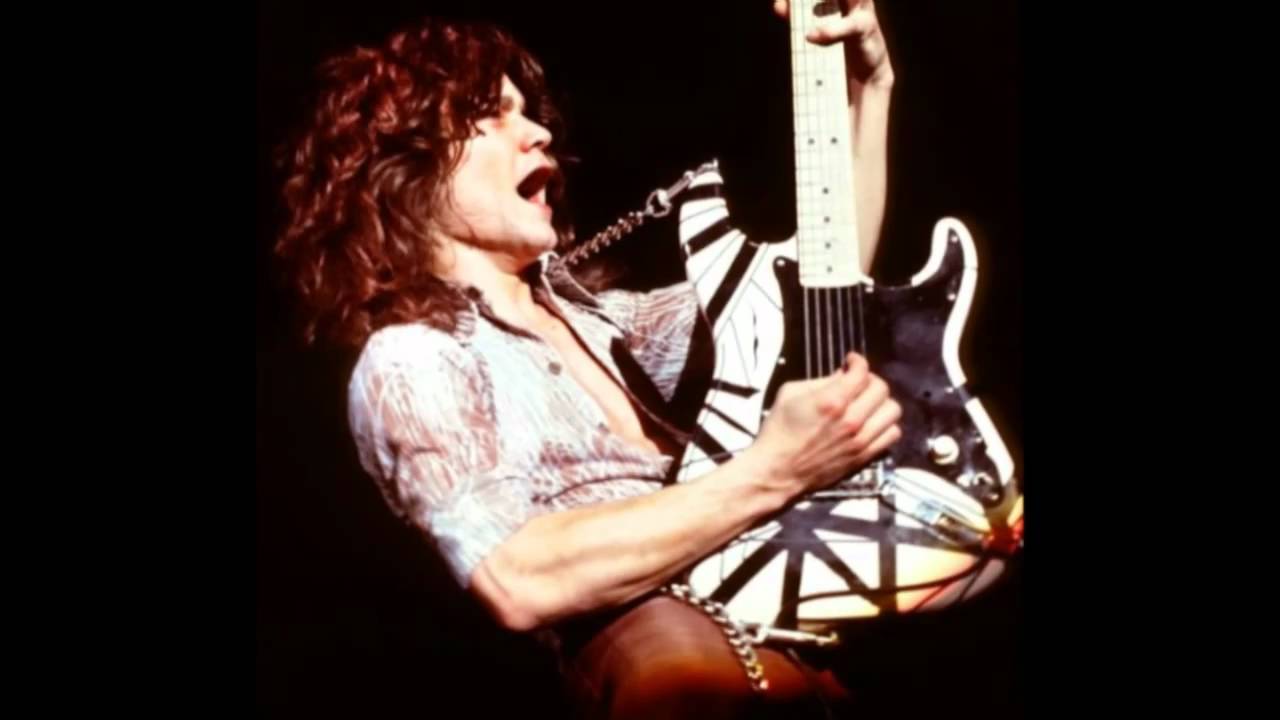
“Beat It” Guitar Credits and Common Confusion
Music fans sometimes confuse the studio recording with later performances, music videos, or live versions. The original song has a specific set of musicians, while concert versions may feature different guitarists.
The “Beat It” music video also includes Eddie Van Halen’s recorded solo, but he does not appear as the guitarist performing on screen. The video focuses on Michael Jackson, dancers, and the story of rival street groups.
This distinction explains why some viewers remember seeing a guitarist in the video and assume that person was Van Halen. The famous guitar sound belongs to Van Halen, but the video does not show him playing the solo.
Original recording versus live performances
Michael Jackson performed “Beat It” on several tours. Live arrangements often used a full band with one or more guitarists. Jennifer Batten became especially known for playing guitar during Jackson’s tours, including performances connected with “Beat It.”
The identity of the guitarist can therefore change by era and tour. When discussing who play guitar on Beat It, always specify whether you mean the original studio recording, the music video, or a live performance.

Why the Guitar Solo Became So Influential
The “Beat It” solo changed how pop music used rock guitar. Before the song, pop and rock were often treated as separate markets. Michael Jackson, Quincy Jones, and Eddie Van Halen showed that a hard-rock guitar solo could serve a pop song without weakening its dance appeal.
The recording also helped introduce Van Halen’s style to listeners who did not normally buy hard-rock albums. At the same time, it gave Jackson credibility with rock audiences.
The influence can be heard in later pop songs that use:
• Guest guitar solos.
• Heavy guitar tones in dance tracks.
• Rock and pop collaborations.
• Large, dramatic instrumental breaks.
• Guitar parts designed for both radio and live performance.
The track remains a useful study in arrangement. Every instrument has a role, and the guitar solo arrives at the exact point where the song needs a new burst of energy.
How to Learn the “Beat It” Guitar Parts
Players who want to learn “Beat It” should begin with the rhythm guitar, not the solo. The rhythm part teaches timing, muting, chord control, and how to stay locked with the drums.
Use a slow tempo first. Listen for the spaces between the guitar hits, because the silence is part of the groove. A clean, steady rhythm performance will sound better than a fast but uneven attempt at the solo.