Hotel California Guitar Solos: Why They’re Iconic
The Hotel California guitar solos are iconic for their melody, tension, harmony, tone, and unforgettable emotional release.
Few rock moments feel as complete as the closing guitar passage in the Eagles’ “Hotel California.” The solos do more than display skill. They tell a story, build suspense, and turn a simple chord pattern into a lasting musical image. This detailed look at what’s so iconic about the Hotel California guitar solos explores the players, structure, tone, emotion, and practical lessons that still inspire guitarists today.
Why the Hotel California guitar solos remain iconic
The strongest answer to what’s so iconic about the Hotel California guitar solos is their balance. They are technical enough to impress skilled players, yet clear and singable enough for almost anyone to remember.
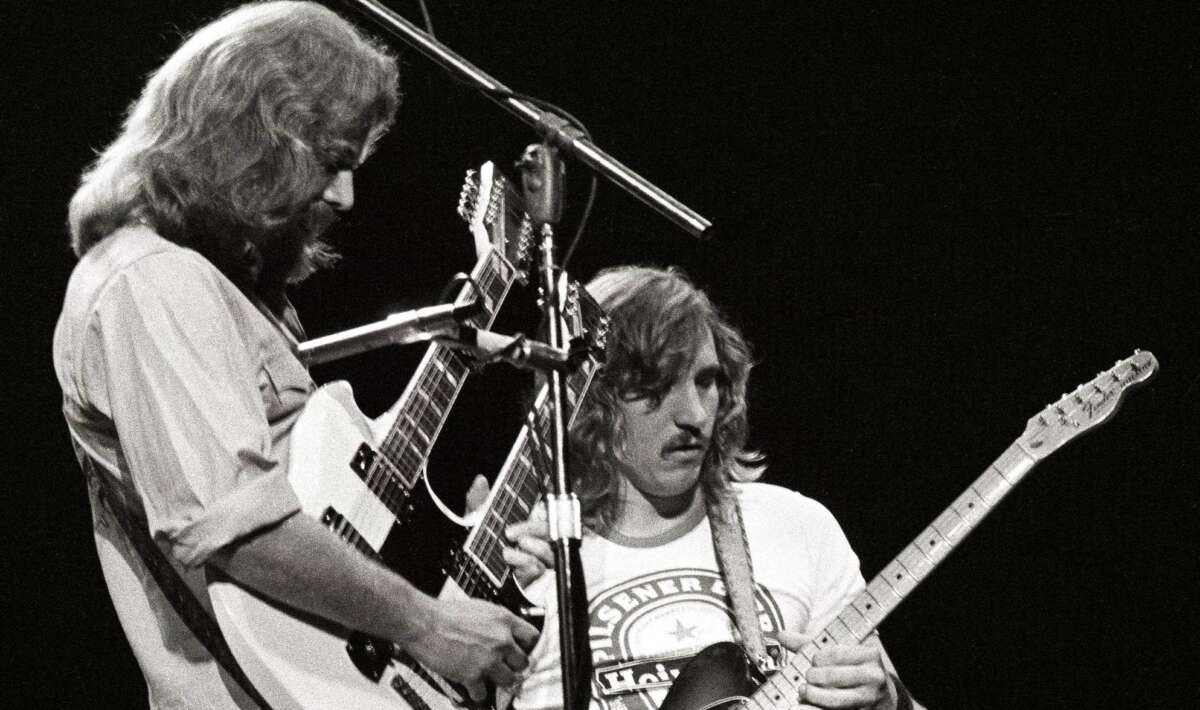
Don Felder created the core musical idea, while Joe Walsh helped shape the lead guitar arrangement. Don Henley and Glenn Frey completed the Eagles’ songwriting team behind the track. The result was not just a good guitar solo. It was a carefully built ending that sounds both grand and natural.
The solos work because every part has a role:
• The first lead guitar introduces the main emotional voice.
• The second guitar answers and expands that idea.
• The two players then combine their lines in harmony.
• The ending repeats the song’s chord cycle while increasing the sense of finality.
This design gives the passage a beginning, middle, and end. It feels like a conversation that grows into a shared statement.
The song appeared on the Eagles’ 1976 album Hotel California and became one of the defining recordings of 1970s rock. Its guitar ending helped make the track a standard for classic rock radio, guitar lessons, live performances, and cover bands.
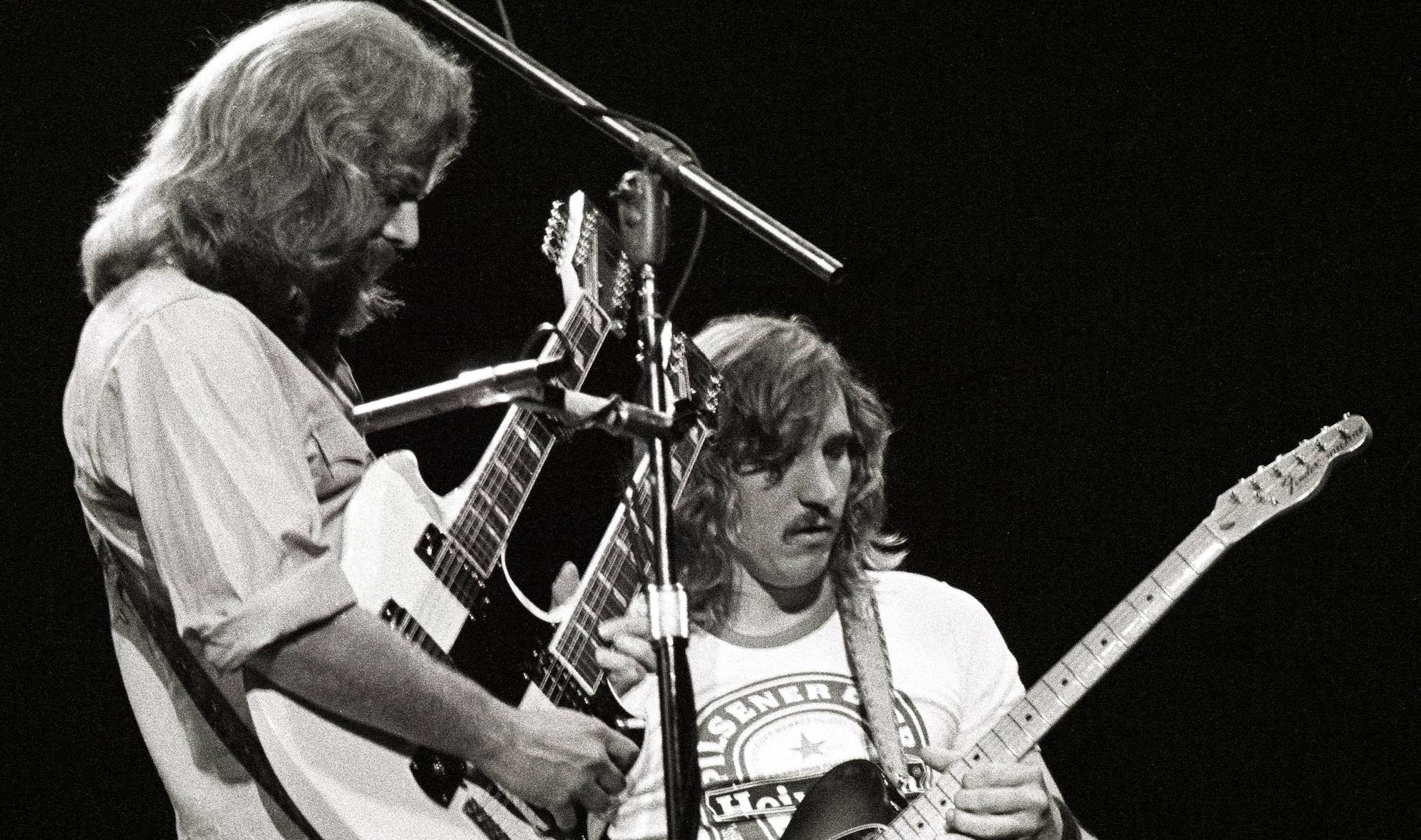
The melody is simple, vocal, and easy to remember
One major reason what’s so iconic about the Hotel California guitar solos stands out is the melody. The lead phrases sound almost like a human voice singing over the chords.
The solo does not depend on constant speed. Instead, it uses:
• Long notes that create space
• Short bends that add feeling
• Repeated motifs that make the lines memorable
• Pauses that let the rhythm section breathe
This is an important lesson for any guitarist. A solo can be impressive without being crowded. The best phrases often leave room for the listener to expect what comes next.
Many players make the mistake of treating a famous solo as a list of notes. That approach can produce correct pitches but miss the character. The Hotel California guitar solos need controlled bends, smooth vibrato, and careful timing. The emotion lives between the notes as much as in the notes themselves.
The melodic shape also rises and falls in a natural way. It climbs toward moments of tension, then relaxes into warmer tones. This movement gives the solo a vocal quality and helps the listener follow it on the first few plays.
The harmony creates tension and release
Another key to what’s so iconic about the Hotel California guitar solos is the chord progression beneath them. The song is commonly analyzed around a repeating progression in B minor:
• B minor
• F-sharp major or F-sharp dominant color
• A major
• E major
• G major
• D major
• E minor
• F-sharp major
This progression has a strong circular pull. It moves through several major and minor colors before returning to B minor. The final F-sharp chord creates tension because it naturally wants to lead back to the home chord.
That harmonic movement gives the guitarists a rich landscape. They can use notes from B minor, but they also respond to the changing chord tones. This is why the solo sounds connected to the song instead of sounding like a scale played over a backing track.
The passage also uses chord tones at important moments. When a lead note matches the chord underneath, it sounds stable. When it leans against the chord, it creates tension. The Eagles’ arrangement moves between those two feelings with great control.
For players learning the solo, this is a useful practice method:
-
Learn the chord progression first.
-
Identify the root, third, fifth, and other key chord tones.
-
Play the solo slowly over the chords.
-
Notice which notes feel settled and which notes feel tense.
-
Copy the bends and timing, not just the fret numbers.
This approach explains why the lines work. It also helps players create their own solos later.

The two-guitar conversation makes the ending special
The Hotel California guitar solos are not one long lead break played by one guitarist. They are an arranged exchange between two distinct guitar voices.
The first guitar presents ideas with a smooth, lyrical tone. The second guitar responds with its own phrases. This call-and-response structure feels almost like a conversation between singers.
That conversation creates contrast in several ways:
• One phrase rises while the next phrase falls.
• One guitar sustains a note while the other adds movement.
• The players use different registers to keep the arrangement clear.
• The final lines blend into harmonized parts.
This is a major reason what’s so iconic about the Hotel California guitar solos feels dramatic without becoming messy. The arrangement gives each instrument space. Both guitars are active, but they do not fight for the same sonic position.
The final harmony is especially memorable. Harmonized guitar lines have long been part of rock music, but the Eagles use them with restraint. The lines are clear, smooth, and tied to the song’s chord movement.
The ending also feels earned because the harmony arrives after the listener has already heard the individual voices. First, we hear the conversation. Then, we hear unity. That musical journey gives the coda emotional weight.
The guitar tone is warm, clear, and carefully shaped
Tone is another important part of what’s so iconic about the Hotel California guitar solos. The sound is powerful, but it is not harsh. Each note has body, clarity, and enough sustain to sing.
The recording’s tone reflects several choices:
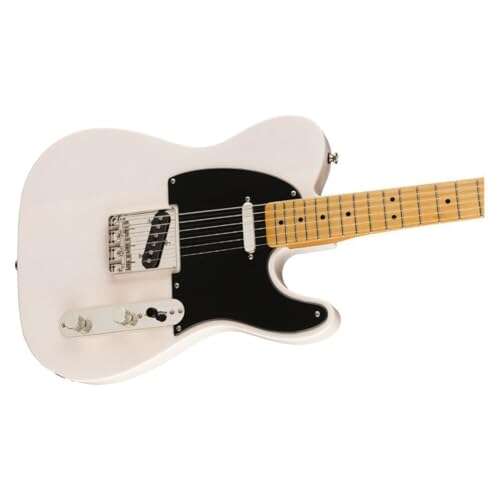
• Humbucker-equipped electric guitars provide a full sound.
• Moderate overdrive adds sustain without destroying note detail.
• Amplifiers and studio processing create warmth.
• Delay and reverb add space around the notes.
• Careful mixing lets both guitars remain distinct.
The exact equipment used on the recording has been discussed by guitar historians and players for decades. Different live rigs and recreations can sound close, but no modern setup perfectly copies every detail of the original studio chain.
That limitation matters. Many guitarists spend too much time searching for the exact guitar or amplifier. Gear can help, but touch matters more. A clean bend through a simple amp often sounds better than a poorly controlled phrase through expensive equipment.

A useful tone recipe is:
-
Select a warm bridge or bridge-and-neck pickup setting.
-
Use medium gain rather than extreme distortion.
-
Add light compression if the notes lack sustain.
-
Apply a small amount of delay and reverb.
-
Keep the upper midrange clear so bends remain easy to hear.
The tone should support the melody. It should not cover it.

The solos build a story without words
The emotional power of what’s so iconic about the Hotel California guitar solos comes from their shape. The passage begins with confidence, grows more urgent, and ends with a feeling of being trapped in a cycle.
That emotional reading fits the song’s larger themes. “Hotel California” has often been interpreted as a song about excess, fame, temptation, luxury, and the darker side of the California dream. The lyrics are deliberately mysterious, so listeners may hear different meanings in them.
The guitar ending strengthens that ambiguity. It sounds beautiful, but it does not feel completely free. The repeating progression continues beneath the solos, creating a sense of motion without true escape.
This is where the famous final line, “You can check out any time you like, but you can never leave,” connects with the arrangement. The guitars keep moving, yet the musical world remains locked into its cycle.
The solo therefore works on two levels:
• As a thrilling rock performance
• As a musical reflection of the song’s theme
That combination is rare. Many solos are memorable because of speed or tone. These solos are memorable because they make the listener feel something beyond admiration.
The arrangement proves that restraint can be powerful
A common misunderstanding is that iconic rock guitar requires constant intensity. The Eagles show the opposite. The Hotel California guitar solos become powerful because they control their energy.
The players do not begin at full volume or maximum speed. They allow the passage to grow. This creates a natural emotional arc:
• Opening: clear and spacious
• Development: more active and expressive
• Climax: stronger bends and higher notes
• Resolution: harmonized lines over the repeating progression
This structure is useful beyond this one song. When writing or improvising a solo, think about where the emotional peak should happen. If every phrase is loud and busy, nothing feels important.
A player’s-eye lesson is simple: do less at the start. Use a few strong ideas. Repeat them with small changes. Then increase the range, intensity, or rhythmic movement near the end.
That method often sounds more professional than rushing into fast runs. The listener needs time to connect with the musical story.

Why guitarists still study the solos
The answer to what’s so iconic about the Hotel California guitar solos also lies in their usefulness as a study piece. The passage teaches several core skills at once.
Guitarists can practice:
• Bending in tune
• Smooth vibrato
• Alternate picking
• Phrase timing
• Minor-key improvisation
• Chord-tone targeting
• Two-guitar arrangement
• Harmonic lead playing
The solos are challenging, but they are not challenging for only one reason. Some sections test finger control. Others test rhythm, phrasing, or memory.
A practical study plan works better than trying to play the entire passage at full speed:
-
Listen to the recording several times without playing.
-
Divide the solo into short phrases.
-
Learn each phrase at half speed.
-
Use a tuner to check every bend.
-
Practice with a metronome or backing track.
-
Join the phrases only after each one feels relaxed.
-
Record yourself and compare your timing with the original.
The most common mistake is bending to the correct shape but not to the correct pitch. Another mistake is adding too much distortion. Too much gain can hide weak timing and make the harmonized ending sound unclear.
If the goal is to perform the piece, learn the rhythm guitar part as well. Understanding the chords makes the lead lines easier to remember and more musical.

The studio version and live versions are not identical
When discussing what’s so iconic about the Hotel California guitar solos, it is important to separate the famous studio recording from live performances. The Eagles have performed the song in different lineups and arrangements over the years.
Live versions may feature:
• Different guitar tones
• Changed vocal phrasing
• Extended introductions
• Altered solo lengths
• Different instrument mixes
• New stage arrangements
The studio recording remains the main reference for most listeners. It has a carefully balanced sound that allows the two guitars to speak clearly. Live performances bring a different strength: energy, size, and the feeling of a shared event.
Neither version should be judged as a perfect copy of the other. A studio track is edited, mixed, and refined. A live performance must respond to a room, an audience, and the physical demands of playing.
This is also why cover versions vary so much. Some musicians copy every phrase. Others use the original as a foundation for a more personal interpretation. Both approaches can work if the melody, harmony, and emotional arc remain clear.

What the solos teach about writing a great guitar part
The deeper answer to what’s so iconic about the Hotel California guitar solos is that they serve the song. They are not decoration placed on top of the track.
A strong guitar part should answer several questions:
• Does it support the mood?
• Does it leave space for the vocals and rhythm section?
• Does it create contrast?
• Does it build toward a clear climax?
• Does it remain memorable after one listen?
The Eagles’ ending succeeds because it feels inevitable. Once the solo begins, the listener understands that the song is moving toward a major statement. Yet the exact phrases still create surprise.
This balance is valuable for songwriters and producers. A memorable guitar part often needs fewer ideas, not more. Choose a strong motif, shape it with dynamics, and let the arrangement give it room.
When studying the track, avoid copying only the notes. Study the decisions behind them. Ask why a phrase starts where it does, why a bend lasts as long as it does, and why the harmony enters at that point.
Those questions reveal the craft behind the performance.

Frequently Asked Questions About What’s So Iconic About the Hotel California Guitar Solos
Who played the Hotel California guitar solos?
Don Felder and Joe Walsh played the lead guitar parts on the recording. Their contrasting styles create the call-and-response feel before the final harmonized section.
What key are the Hotel California guitar solos in?
The song is commonly centered in B minor. The chord progression also uses related major and minor chords, which gives the solos their rich tension and changing color.
Why do the Hotel California guitar solos sound so emotional?
The emotion comes from melodic phrasing, controlled bends, sustained notes, and gradual development. The guitar lines also reflect the song’s repeating, unresolved mood.
Are the Hotel California guitar solos difficult to play?
They are moderately difficult because they require accurate bends, smooth vibrato, strong timing, and careful phrasing. The notes alone are not enough; expression and control are essential.
What makes the ending of the solos so memorable?
The ending brings both guitars together in harmony over the repeating chord progression. This creates a wide, almost orchestral sound while preserving the song’s sense of tension.
What equipment is needed to recreate the sound?
A warm electric guitar, moderate overdrive, clear amplification, and light delay or reverb can produce a similar direction. Exact equipment matters less than clean technique and controlled dynamics.
Should guitarists copy the solos exactly?
Learning the original version is useful for studying phrasing and arrangement. After that, players can use the same chord progression and emotional shape to develop their own interpretation.
Conclusion
The Hotel California guitar solos remain iconic because they combine memorable melody, rich harmony, expressive tone, thoughtful arrangement, and emotional storytelling. Don Felder and Joe Walsh created a guitar conversation that grows from separate voices into a powerful harmonized ending.
The answer to what’s so iconic about the Hotel California guitar solos is not simply that they sound impressive. They support the song’s meaning, respect musical space, and create tension that never fully disappears.
Study the solos slowly. Listen for the bends, pauses, chord tones, and changes in intensity. Then use those lessons in your own playing, and share your favorite moment from the recording in the comments.

Senior Music Reviewer
Alex Carter is a seasoned music reviewer with over a decade of experience in the world of sound and instruments. Passionate about helping musicians and enthusiasts make informed choices, he brings sharp insights and in-depth knowledge to every review. From classical instruments to modern gear, Alex combines technical expertise with a love for music to deliver content that resonates with readers.
As a Senior Music Reviewer and expert author on Tuneluma.com, Alex is dedicated to sharing honest evaluations, practical advice, and thoughtful commentary to guide readers in their musical journey.