What Is A Drum Circle: Guide To Community Rhythm
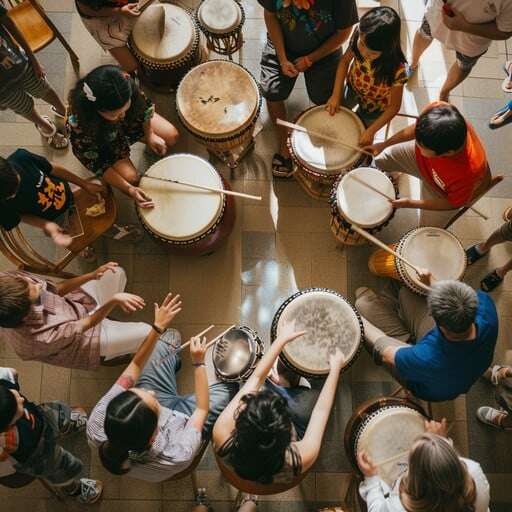
A drum circle is a group of people playing percussion together to create shared rhythm and connection.
I’ve led and joined drum circles for years, from neighborhood parks to corporate retreats. In this article I explain what is a drum circle, how it works, why people join, and practical steps to start or join one. You’ll get clear definitions, real-life tips, etiquette, and answers to common questions so you can take part with confidence.
What is a drum circle?
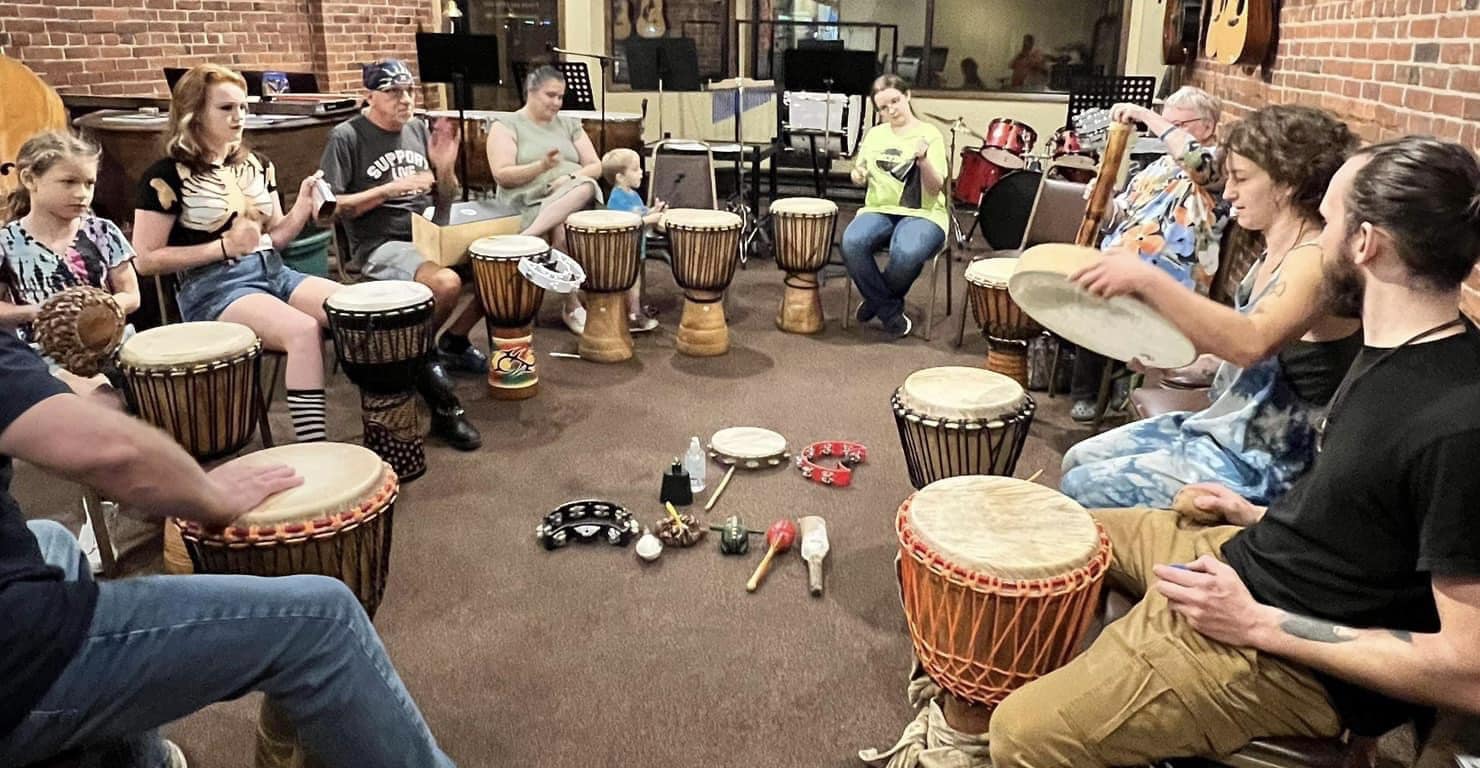
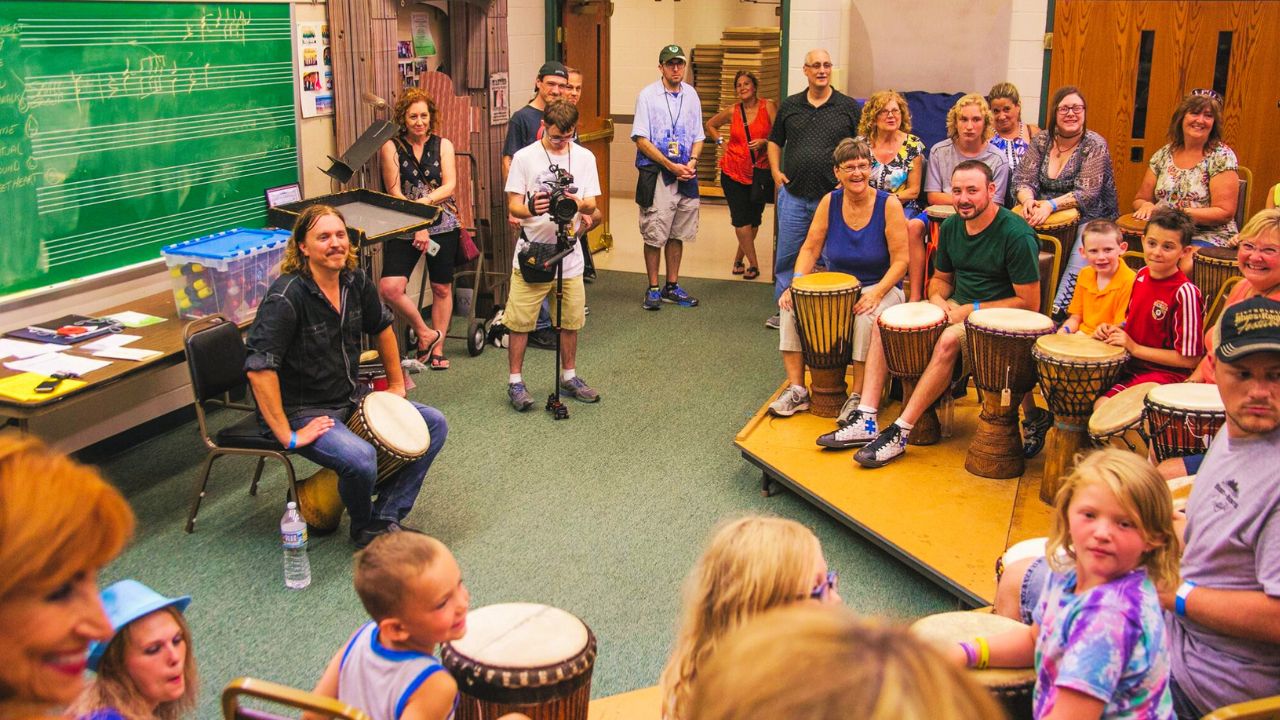
A drum circle is a participatory gathering where people play percussion and other instruments together. It’s usually open to anyone, informal, and focused on group rhythm rather than performance. Drum circles can be improvised or guided by a facilitator. They aim to create shared musical experiences, social bonding, and sometimes healing.
Drum circles are flexible. They appear in parks, community centers, schools, festivals, and therapy rooms. The form is simple, but the effects can be deep. That makes the question what is a drum circle both practical and meaningful for many people.

How drum circles work
A drum circle runs on a few simple ideas: listening, timing, and shared intent. Players bring drums or percussion. They sit or stand in a circle to encourage eye contact and equal participation. The music grows out of improvisation, call-and-response, and layering of rhythms.
Typical roles and elements:
- Facilitator or leader: offers cues, keeps flow, and helps beginners.
- Pulse or groove: a repeating rhythm that anchors the group.
- Solos and breaks: short moments for individuals to express themselves.
- Dynamics and texture: volume and instrument mix change the mood.
- Nonverbal cues: eye contact, hand gestures, or subtle body language guide transitions.
H3 What instruments are used in a drum circle?
Most common are hand drums like djembes, congas, bongos, and frame drums. Shakers, tambourines, bells, and found objects add color and texture.
H3 Do you need musical skill to join a drum circle?
No. Drum circles welcome all levels. Basic timing and listening are more important than formal training. Many circles provide short orientation for newcomers.
H3 How long do drum circles usually last?
Sessions often run 45–120 minutes. Short community circles may be 30 minutes. Longer events depend on setting and group energy.

Benefits of drum circles
Drum circles offer measurable social, mental, and physical benefits. Many studies and practitioner reports note improvements in mood, stress reduction, group cohesion, and motor skills. Below are common benefits and simple reasons they matter.
Social benefits:
- Build community through shared activity and nonverbal communication.
- Improve teamwork and trust in groups or workplaces.
- Create inclusive spaces where diverse people connect.
Emotional and mental benefits:
- Reduce stress and anxiety through rhythmic engagement.
- Boost mood by releasing endorphins and increasing social bonding hormones.
- Enhance presence and mindfulness through focused listening.
Physical and cognitive benefits:
- Improve coordination and motor skills with hand drumming patterns.
- Stimulate brain areas involved in rhythm, timing, and memory.
- Offer accessible physical activity suitable for many ages.
Therapeutic uses:
- Used in music therapy to support trauma recovery, dementia care, and emotional regulation.
- Facilitate expression for people who struggle with verbal communication.

Types and settings of drum circles
Drum circles adapt to many contexts. Knowing the setting helps you choose the right style and etiquette.
Community drum circles
- Open, free, casual gatherings in parks or community centers.
- Emphasis on inclusion and social connection.
Therapeutic drum circles
- Led by trained therapists or facilitators.
- Focus on healing, processing, or skill-building.
Educational and school circles
- Used to teach rhythm, teamwork, and cultural awareness.
- Often shorter and structured for learning goals.
Corporate and team-building circles
- Short, goal-focused sessions to boost team cohesion and creativity.
- May include debrief or reflection components.
Festival and performance-adjacent circles
- High-energy, large-group gatherings.
- Sometimes blend into stage performances, but remain participatory.
How to join or start a drum circle
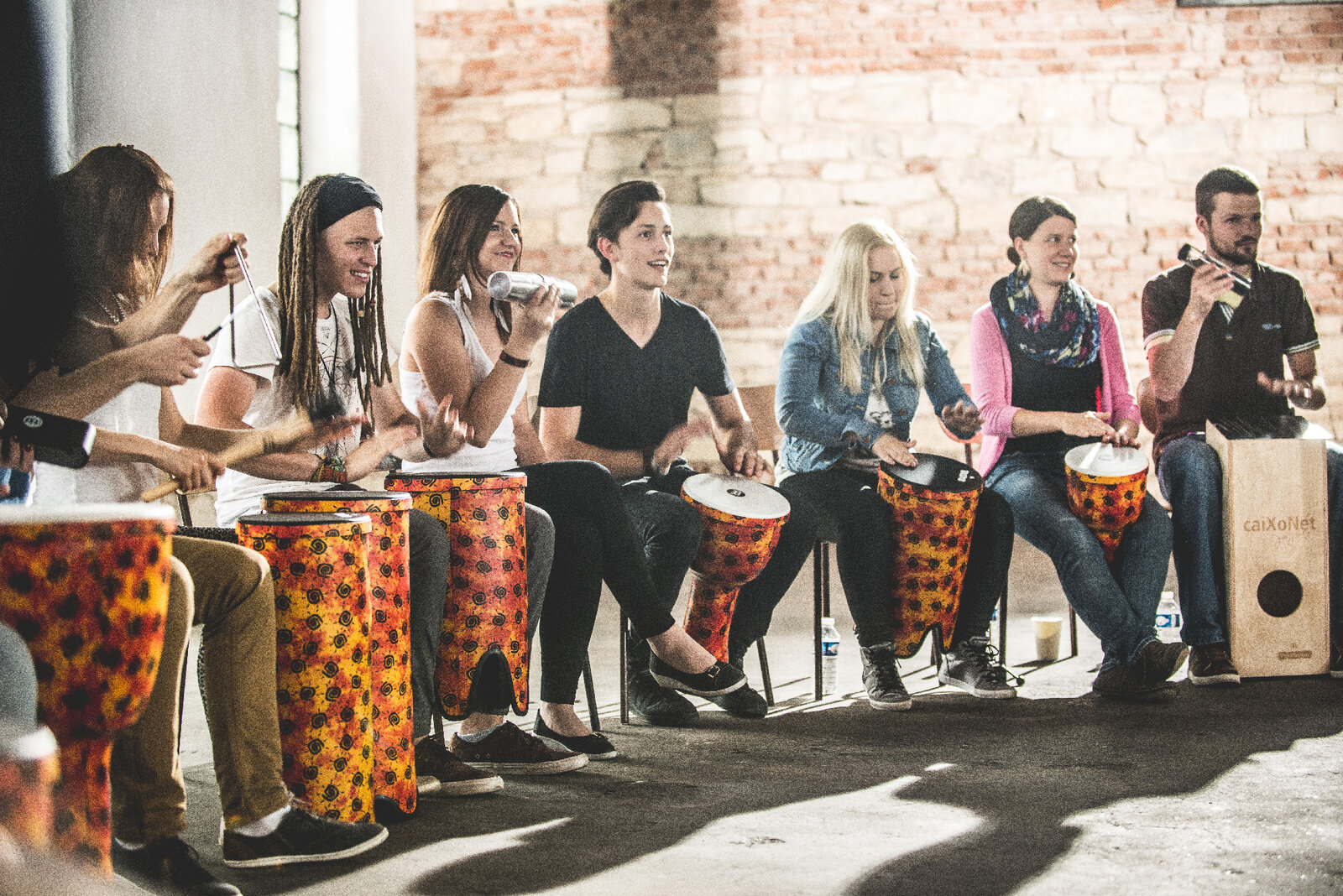
Joining or starting a drum circle is simple if you approach it step by step. Below is a practical guide I’ve used when organizing events.
How to join
- Search local community boards, social media groups, or music schools for listings.
- Contact organizers to confirm time, location, and whether instruments are provided.
- Arrive a few minutes early to meet people and learn any basic rules.
- Listen first, then join the groove. Keep volume and space in mind.
How to start one
- Choose a clear purpose: community, therapy, education, or team-building.
- Pick a safe, accessible location and a consistent schedule.
- Invite a mix of people and advertise with a short description and what to bring.
- Provide basic instruments or suggest simple items (buckets, shakers).
- Plan a short opening: grounding pulse, simple call-and-response, and a closing.
Practical tips from experience
- Start with a steady pulse and low volume to welcome beginners.
- Encourage eye contact and smiles; they keep people connected.
- Avoid long solos early on; they can unsettle beginners.
- Bring spare sticks, extra small drums, and water.
- Expect flaking attendance; keep the group open and welcoming.
Common mistakes to avoid
- Over-facilitating: don’t control every beat. Let the group breathe.
- Ignoring consent: ask before handing an instrument to someone.
- Failing to include quiet players: create space for subtle contributions.
Etiquette and facilitation best practices
Good etiquette keeps drum circles safe, fun, and inclusive. Facilitation is about guiding, not ruling.
Basic etiquette
- Respect the circle: don’t interrupt a solo unless invited.
- Ask before changing instruments or taking someone else’s spot.
- Keep cell phones silent and out of the center space.
- Stay mindful of volume; adjust for outdoor or indoor settings.
Facilitation tips
- Use clear, gentle cues to start, shift, or close the circle.
- Teach simple patterns first, then layer complexity.
- Invite solos but limit time so many can participate.
- Check in with newcomers and offer quick, kind instruction.
Safety and consent
- Watch for physical strain; encourage breaks.
- Be mindful of cultural instruments and traditions; give credit and context.
- Create a code of conduct for harassment or exclusion and enforce it.
Frequently Asked Questions of what is a drum circle
What is the main purpose of a drum circle?
A drum circle aims to create collective rhythm and social connection. It emphasizes participation over performance.
Can anyone join a drum circle?
Yes. Most drum circles welcome all skill levels and ages. Newcomers usually learn by listening and joining simple patterns.
Do I need to own a drum to participate?
Not always. Many circles provide instruments or allow found percussion. Bringing a small drum or shaker helps, but it’s not required.
How long should a drum circle session be?
Typical sessions run 45 to 90 minutes. Shorter sessions work well for beginners and large public events.
Are drum circles the same as concerts or performances?
No. Drum circles focus on participation and community. Concerts are usually performer-audience events with a clear stage.
Is there a leadership role in drum circles?
Often a facilitator guides the flow and invites participation. Leadership is usually flexible and encourages shared responsibility.
Conclusion
Drum circles are simple to join and rich in reward. They answer the question what is a drum circle by showing how rhythm brings people together. Whether you want social connection, stress relief, or a fun group activity, a drum circle offers a low-barrier way to participate in music and community.
Try one this week or start a small circle with friends. Keep it open, kind, and rhythmic. If you found this guide helpful, leave a comment, join a local group, or subscribe for more practical music and community tips.

Senior Music Reviewer
Alex Carter is a seasoned music reviewer with over a decade of experience in the world of sound and instruments. Passionate about helping musicians and enthusiasts make informed choices, he brings sharp insights and in-depth knowledge to every review. From classical instruments to modern gear, Alex combines technical expertise with a love for music to deliver content that resonates with readers.
As a Senior Music Reviewer and expert author on Tuneluma.com, Alex is dedicated to sharing honest evaluations, practical advice, and thoughtful commentary to guide readers in their musical journey.