Who Drums For The Who: Meet The Band’s Drummers
Keith Moon was The Who’s original drummer; today Zak Starkey is the band’s primary touring and recording drummer.
I’ve followed The Who for decades as a music writer and fan, so I know the drumming story inside out. This article answers who drums for The Who, traces the band’s drumming history, explains how different drummers shaped their sound, and offers practical insights for fans and musicians. Read on for clear, fact-based, and friendly guidance about who drums for the Who and why it matters.

Key drummers in The Who’s history
Who drums for the Who has a simple list at its core, but each name brings a different sound and legacy. Below are the main drummers who played for The Who and what they contributed.
Keith Moon (1964–1978)
Keith Moon was the original drummer. His playing was wild, loud, and full of fills. He helped define The Who’s raw power. Moon’s style matched Pete Townshend’s guitar and Roger Daltrey’s vocals. His timing and personality are central to the classic Who records.
Kenney Jones (1978–1989, studio and touring)
After Keith Moon’s death, Kenney Jones, from Small Faces and Faces, joined The Who. His groove was steadier and more restrained. Some fans missed Moon’s chaos, but Jones kept the band playing live and recording. He anchored the group during a turbulent era.
Zak Starkey (mid-1990s–present as primary drummer)
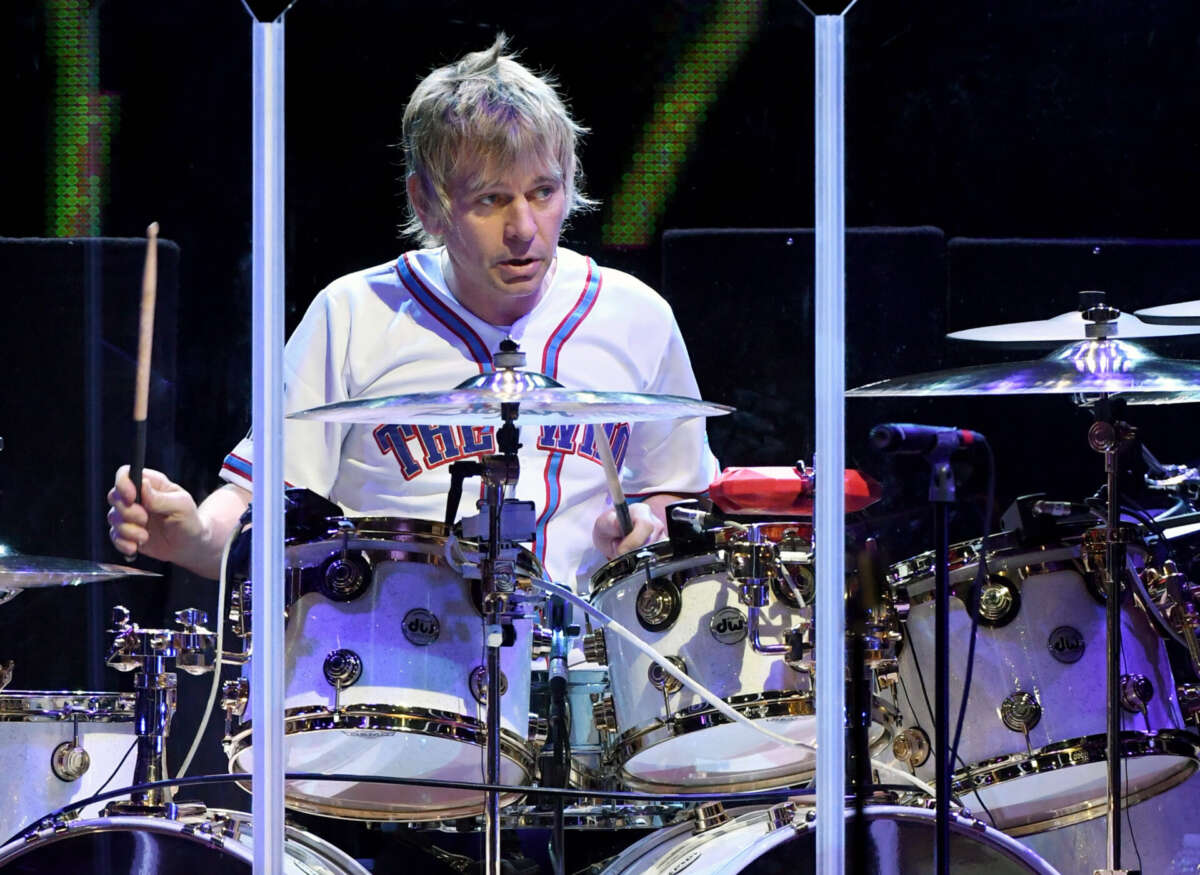
Zak Starkey, son of Ringo Starr, has been The Who’s primary drummer for tours and many studio projects since the mid-1990s. He studied Moon’s playing closely and blends power with taste. Zak is not an official band member, but for most fans he is "who drums for The Who" today.
Other notable session and fill-in drummers
Several drummers have stepped in for shows or studio work. These include Simon Phillips and Scott Devours at different times. They helped the band keep touring and recording when needed.
Who drums for the Who has changed over time. Each drummer left a mark on the band’s music and live shows.
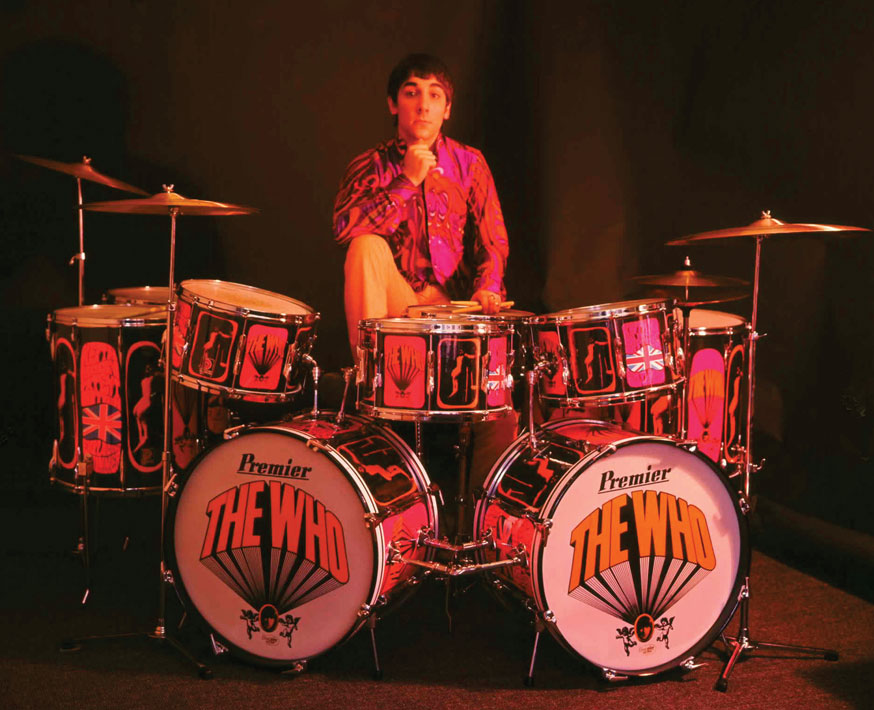
How drumming shaped The Who’s sound
Drumming in The Who is more than rhythm. It drives songs and shapes emotion. Understanding who drums for the Who helps explain the band’s changing tone.
-
Keith Moon’s approach
- Fast fills and dramatic crashes
- Created a sense of controlled chaos
- Gave early albums their explosive energy
-
Kenney Jones’s approach
- More backbeat and steadiness
- Suited arena rock and maturity in songwriting
- Helped the band remain tight live after Moon’s death
-
Zak Starkey’s approach
- Mix of Moon-inspired flair and modern precision
- Balances vintage feel with current technique
- Keeps songs faithful while allowing new polish
When people search who drums for the Who, they often want to know how the drummer influences the songs. The drummer’s role is central to mood, tempo, and drive.
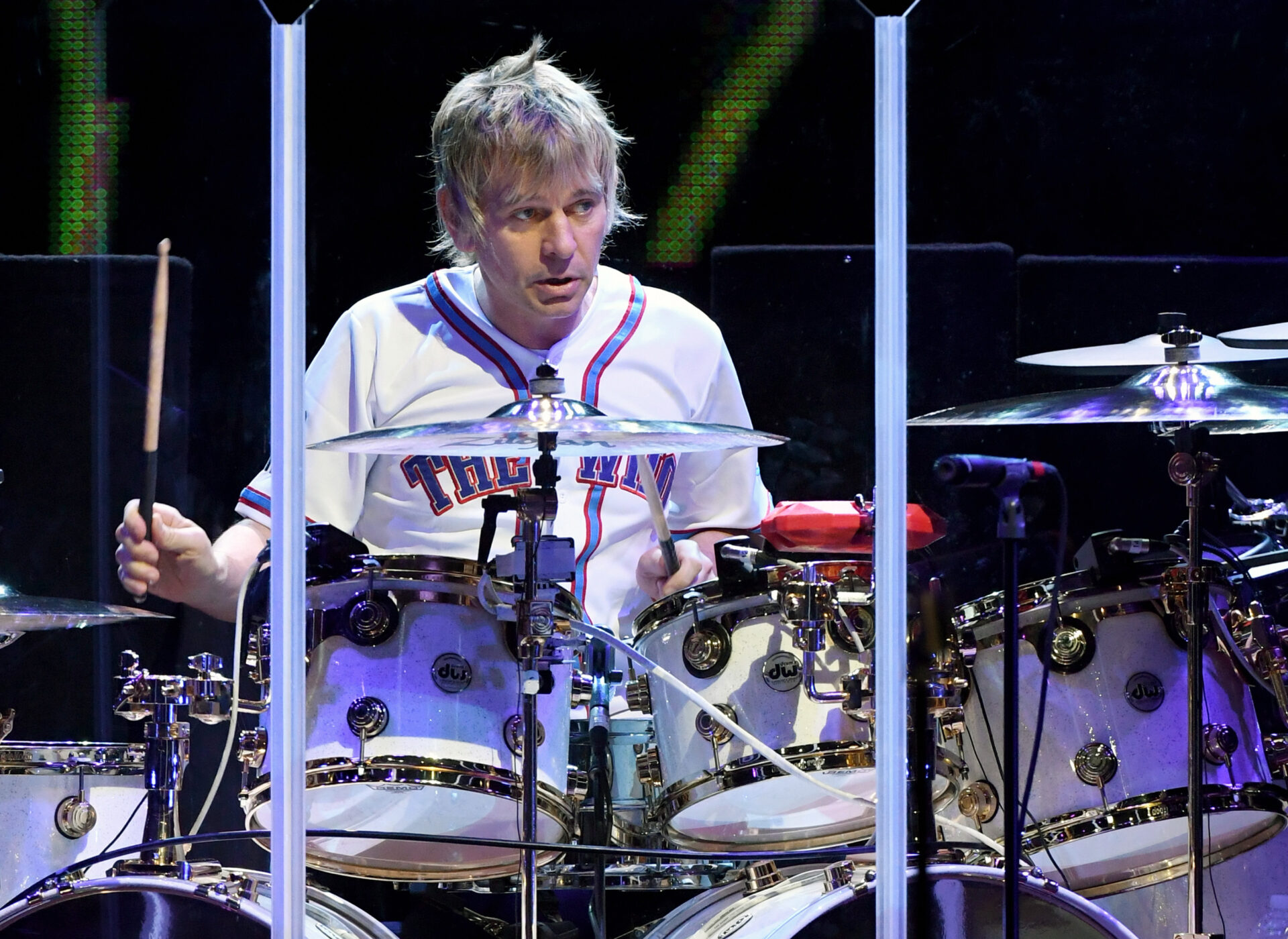
Studio work versus touring duties
Who drums for the Who can differ by setting. Studio sessions and live tours demand different skills. Below are key differences and examples.
-
Studio needs
- Clean takes, tight timing, and flexibility
– Drummers may overdub or craft parts - Zak Starkey has recorded on Who projects; others have tracked as session players
- Clean takes, tight timing, and flexibility
-
Touring needs
- Stamina, consistent groove, and showmanship
- Handling live dynamics and crowd energy
- Kenney Jones and Zak Starkey were mainly touring pillars
-
Guest drummers
- Sometimes a specialist or session player fills in for a single show
- This keeps tours on schedule and sound quality consistent
If you wonder who drums for the Who night after night, it’s usually the touring drummer—most often Zak Starkey in recent decades—backed by reliable session pros when needed.

My experience, lessons learned, and practical tips
I’ve seen The Who live several times and interviewed drummers and crew. These experiences taught me what keeps the band sounding great. Here are practical takeaways for fans and drummers.
-
Attend soundchecks when possible
- You see how the drummer and band lock in
- It shows who drums for the Who up close
-
For drummers: study Moon, but find your voice
- Learn Keith Moon’s fills and feel
- Blend that with steady groove so songs still hold up live
-
For collectors: check liner notes
- Album credits list who played on each track
- Credits clarify who drums for the Who in studio sessions
-
Mistakes to avoid
- Don’t mimic Moon blindly; context matters
- Avoid overplaying in songs that need restraint
My behind-the-scenes chats confirm that the band values drummers who serve the song. That’s the core lesson about who drums for the Who: the drummer must support the music first.
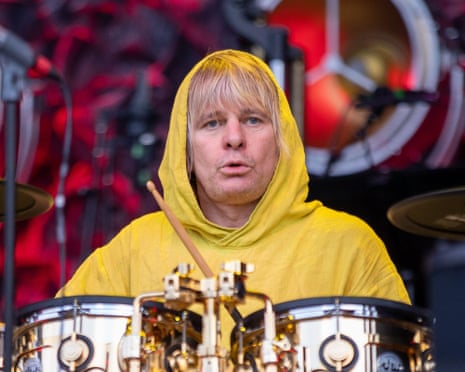
People also ask
Q: Is Zak Starkey an official member of The Who?
A: No. Zak Starkey is the primary touring and recording drummer but is not formally an official band member.
Q: Who replaced Keith Moon after he died?
A: Kenney Jones replaced Keith Moon for live shows and recording after Moon’s death.
Q: Has The Who used session drummers?
A: Yes. The Who has hired session and guest drummers for studio work and special concerts when needed.
Frequently Asked Questions of who drums for the who
Who was The Who’s first drummer?
The Who’s first and most famous drummer was Keith Moon, whose energetic style defined their early sound.
Who took over right after Keith Moon died?
Kenney Jones took over drumming duties after Keith Moon’s death and helped the band continue touring and recording.
Who drums for The Who today?
Zak Starkey has been the primary touring and studio drummer for The Who in recent decades, though he is not an official band member.
Did The Who ever use session drummers?
Yes. The Who used session and guest drummers for certain recordings and concerts when the regular drummer was unavailable.
Why do fans argue over who drums for The Who?
Fans debate styles: Moon’s chaotic flair versus Jones’s steadier groove and Starkey’s hybrid approach. Preferences reflect how people value different eras of the band.
Conclusion
Who drums for the Who is a question that points to legacy, style, and continuity. Keith Moon created the band’s wild heartbeat. Kenney Jones steadied the ship. Zak Starkey carries the sound live and in the studio today. For fans and drummers, the lesson is clear: honor the past, serve the song, and adapt with taste. If you enjoyed this guide, leave a comment, share your favorite Who drummer, or subscribe for more deep dives into rock history.

Senior Music Reviewer
Alex Carter is a seasoned music reviewer with over a decade of experience in the world of sound and instruments. Passionate about helping musicians and enthusiasts make informed choices, he brings sharp insights and in-depth knowledge to every review. From classical instruments to modern gear, Alex combines technical expertise with a love for music to deliver content that resonates with readers.
As a Senior Music Reviewer and expert author on Tuneluma.com, Alex is dedicated to sharing honest evaluations, practical advice, and thoughtful commentary to guide readers in their musical journey.