What Is An Acoustic Guitar: Beginner’s Complete Guide
An acoustic guitar is a stringed instrument that creates sound through vibrating strings and a hollow wooden body.
If you have ever heard a warm guitar at a campfire, on a country record, or in a quiet living room, you have heard the basic magic of an acoustic guitar. This guide explains what is an acoustic guitar, how it works, its main parts, its types, and how to choose and care for one.
What Is an Acoustic Guitar?
What is an acoustic guitar? It is a guitar that produces sound without needing an amplifier or electronic speaker. When you pluck or strum its strings, the vibrations travel through the bridge into the guitar’s wooden soundboard. The hollow body then helps make that sound louder and richer.
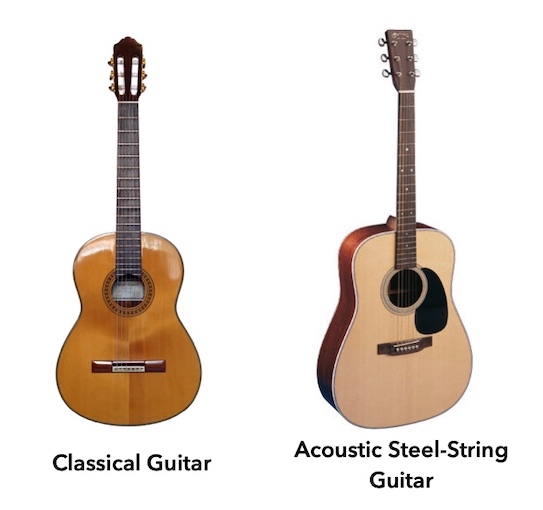
Most acoustic guitars have six strings. These strings may be made from steel or nylon, depending on the guitar’s design. Steel-string guitars are common in pop, rock, country, folk, and blues. Nylon-string guitars are often used for classical music, flamenco, and softer fingerstyle playing.
An acoustic guitar works much like a natural speaker. The strings create the first sound, but the body shapes and projects it. The sound hole allows air inside the body to move, which helps the notes reach your ears.
In simple terms, what is an acoustic guitar? It is a self-amplifying string instrument. Its tone comes from the teamwork between the strings, bridge, soundboard, and hollow body.
How Does an Acoustic Guitar Work?
Understanding what is an acoustic guitar becomes easier when you follow the path of the sound.
When you play a note, the process usually works like this:
- You press a string against a fret or leave it open.
- You pluck or strum the string.
- The string vibrates at a certain frequency.
- The bridge transfers that vibration to the soundboard.
- The soundboard moves the air inside and outside the guitar.
- The body adds volume, tone, and resonance.
The soundboard is one of the most important parts of the instrument. It is the thin wooden top that faces the player. Because it is light and flexible, it can vibrate well and turn the small movement of a string into an audible musical note.
The back and sides also affect the tone. Rosewood often creates a full, deep sound. Mahogany can offer a warm and balanced voice. Maple tends to sound clear and bright. These are general traits, not strict rules, because construction and playing style also matter.
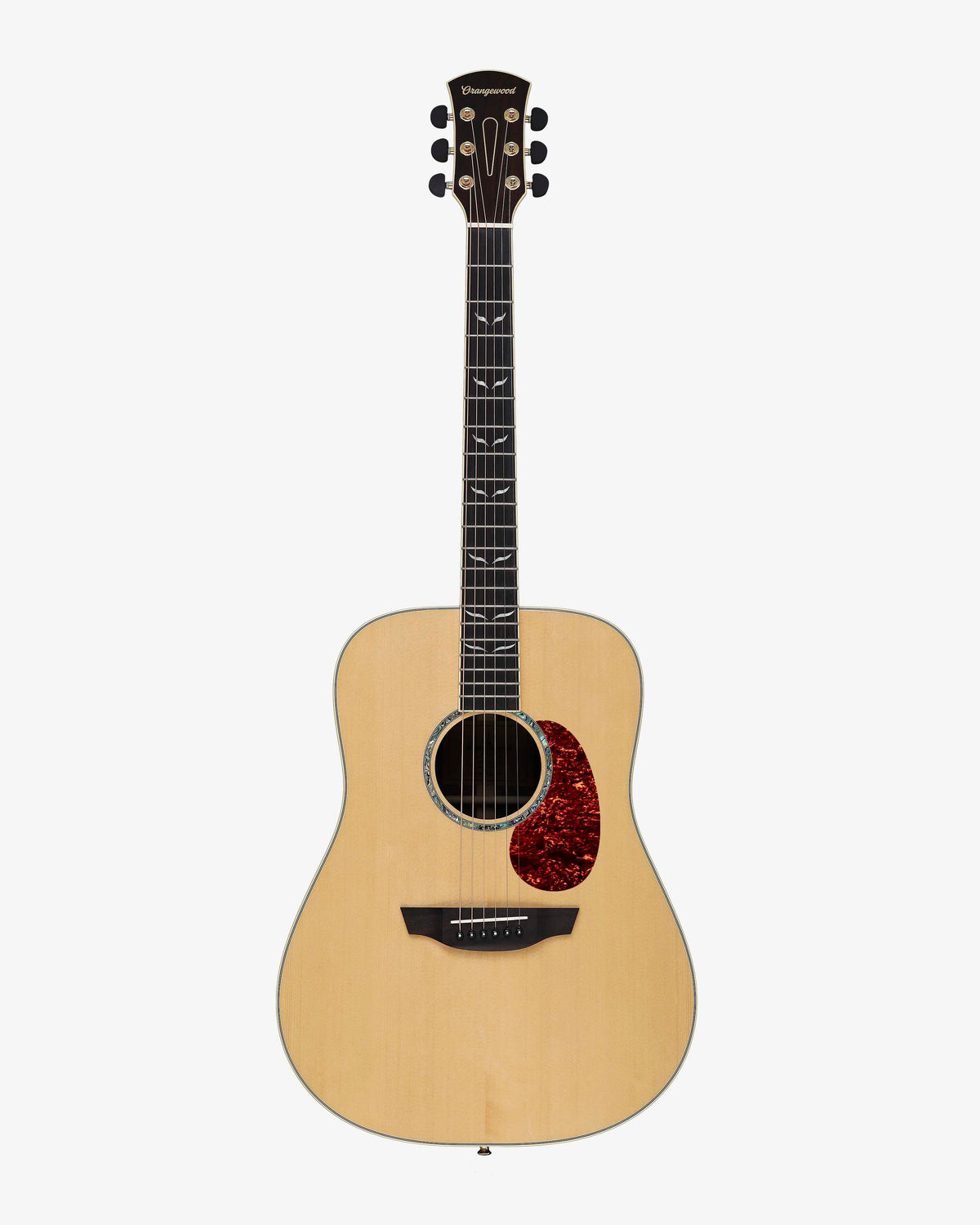
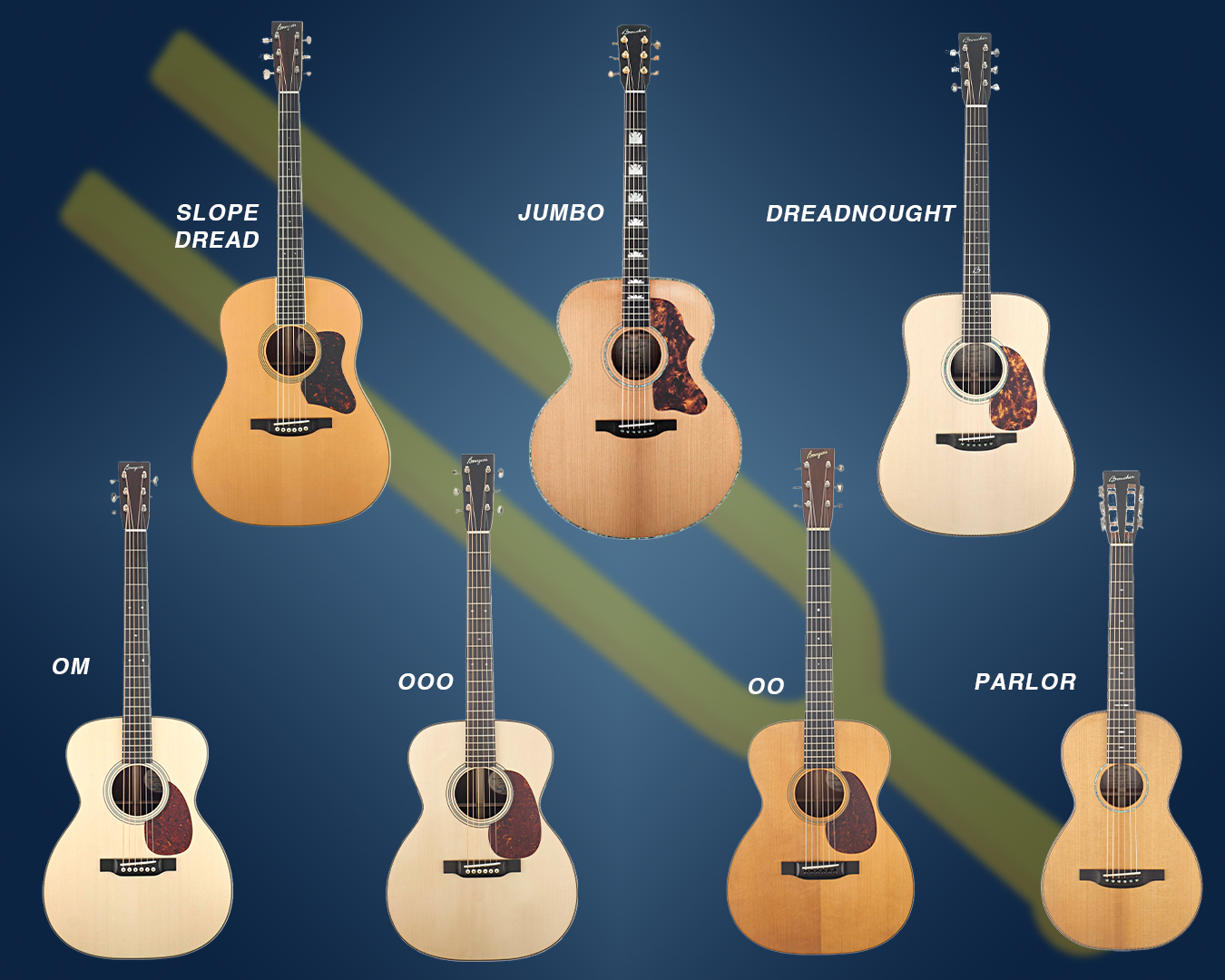
The guitar’s shape matters, too. A large dreadnought body often creates strong volume and bass. A smaller concert body may feel more comfortable and produce a balanced sound. This is why two guitars with the same strings can sound very different.
Main Parts of an Acoustic Guitar
Learning the basic parts helps you understand what is an acoustic guitar and how to maintain one.
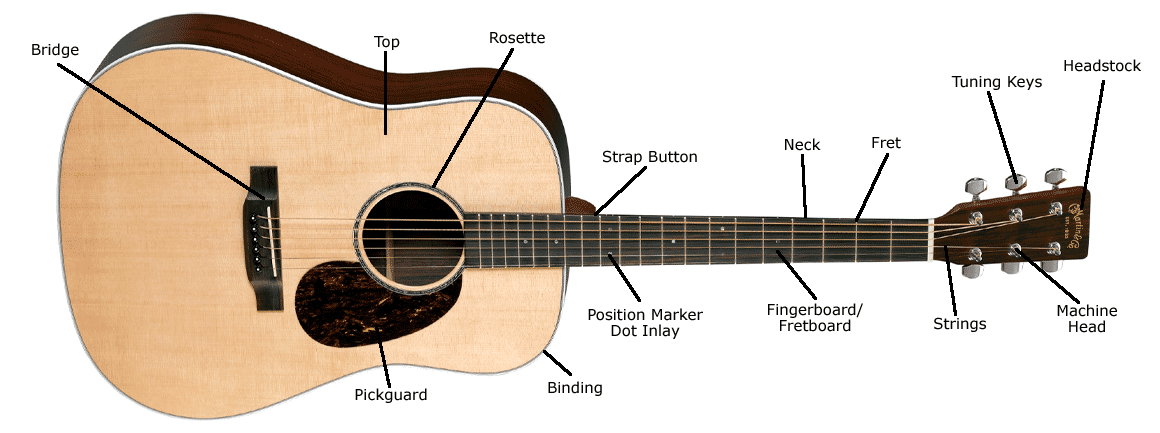
Body
The body is the large hollow section of the guitar. It contains the soundboard, back, sides, braces, and air chamber. The body gives the instrument most of its volume and tonal character.
Soundboard
The soundboard is the top piece of wood. It sits beneath the strings and responds to their vibrations. Spruce is a popular soundboard wood because it is light, strong, and responsive.
Sound Hole
The sound hole is the opening under the strings. It lets air move in and out of the body. Many guitars use a round sound hole, but some designs use other shapes.
Bridge
The bridge holds the strings in place on the guitar’s body. It transfers string energy to the soundboard. A poorly fitted bridge can cause buzzing, weak volume, or tuning problems.
Saddle
The saddle is a small strip that sits in the bridge. It sets the string height at the body end of the guitar. Its position also helps with accurate intonation.
Neck
The neck connects the body to the headstock. It supports the fingerboard and allows your fretting hand to change the pitch of each string.
Fingerboard and Frets
The fingerboard is the smooth surface on the front of the neck. Frets are thin metal strips placed across it. Pressing a string behind a fret shortens its vibrating length and raises its pitch.
Nut
The nut guides the strings from the fingerboard to the headstock. Its height affects playability. If the nut is too high, the guitar may feel hard to play near the first fret.
Headstock and Tuning Machines
The headstock holds the tuning machines. These machines let you tighten or loosen each string. Small adjustments can change the pitch and help the guitar stay in tune.
Types of Acoustic Guitars
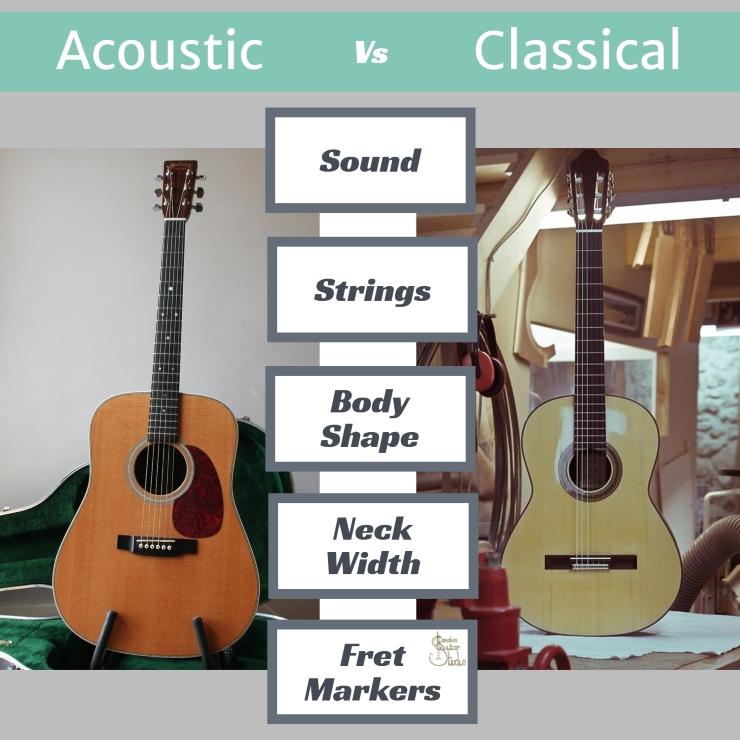
The answer to what is an acoustic guitar includes several different guitar families. Each type suits a different sound, technique, and player.
Steel-String Acoustic Guitar
Steel-string acoustic guitars are the most common type in modern popular music. They have a bright, strong tone and work well for strumming and picking.
You will often hear them in:
• Folk music
• Country music
• Pop songs
• Rock ballads
• Blues
• Singer-songwriter performances
Steel strings produce more tension than nylon strings. For this reason, steel-string guitars need stronger internal bracing and are not designed for nylon strings unless the maker specifically allows it.
Classical Guitar
A classical guitar uses nylon strings. It usually has a wider neck and a softer, rounder sound. Players often use their fingers rather than a pick.
Classical guitars are common in:
• Classical music
• Flamenco
• Latin music
• Fingerstyle arrangements
• Beginner lessons for younger players
Do not put steel strings on a classical guitar. The extra tension can damage the neck or bridge.
Flamenco Guitar
A flamenco guitar looks similar to a classical guitar but has a sharper attack and a more percussive tone. Its construction often supports fast playing, rhythmic taps, and bright runs.
Some flamenco guitars include a tap plate called a golpeador. This protects the top when the player taps the guitar during performance.
Acoustic-Electric Guitar
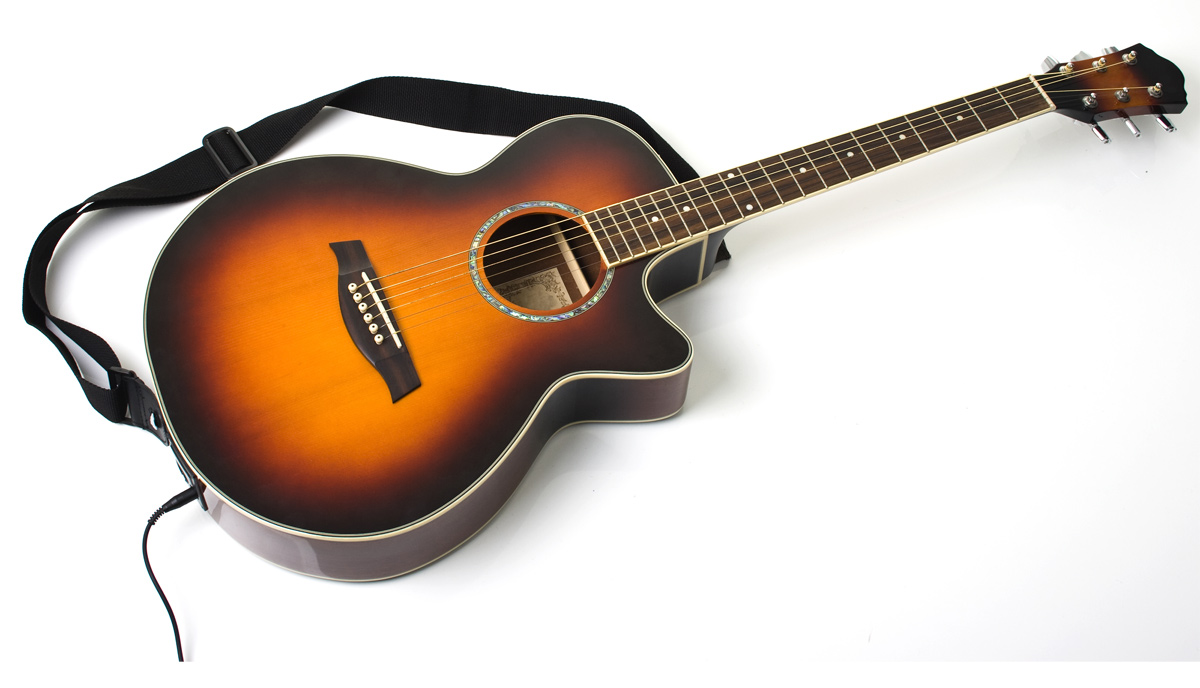
An acoustic-electric guitar is an acoustic guitar with a pickup and preamp system. It can be played without an amplifier, like a normal acoustic guitar, or connected to a sound system.
This type is useful for:
• Live performances
• Church services
• Open-mic events
• Recording setups
• Stage rehearsals
An acoustic-electric guitar does not always sound exactly like a microphone-recorded acoustic guitar when plugged in. The pickup captures vibration in a different way. A good preamp and careful equalization can still produce a natural stage tone.
Travel and Parlor Guitars
Travel guitars have smaller bodies and shorter dimensions. They are easy to carry and useful for practice, trips, and smaller players.
Parlor guitars also have compact bodies. They often provide a focused, balanced sound that suits blues, folk, and fingerpicking. Smaller does not always mean quieter or less valuable. Many players prefer the comfort and clear voice of these designs.

Acoustic Guitar vs. Electric Guitar
A common question connected to what is an acoustic guitar is how it differs from an electric guitar.
An acoustic guitar creates most of its sound through its hollow body. An electric guitar uses magnetic pickups, an amplifier, and often effects pedals to produce and shape its sound.
Here are the main differences:
• An acoustic guitar can usually be played without extra equipment.
• An electric guitar needs an amplifier for normal performance volume.
• Acoustic guitars often have thicker bodies and heavier strings.
• Electric guitars usually have slimmer necks and lower string action.
• Acoustic playing demands more control from the fretting and picking hands.
• Electric guitars offer more control through volume, tone, effects, and amplification.
Neither type is automatically better. The best choice depends on the music you want to play. Choose an acoustic guitar for simple portability and natural rhythm. Choose an electric guitar if you want amplified tones, distortion, effects, or easier string bending.
Many musicians eventually learn both. Skills such as rhythm, chord knowledge, timing, and ear training transfer between the two instruments.
Benefits and Limitations of an Acoustic Guitar
What is an acoustic guitar good for? It is one of the most practical instruments for learning songs, writing music, and playing with other people.
Benefits
• It needs little equipment.
• It is easy to carry to lessons or gatherings.
• It supports rhythm, chords, melody, and fingerstyle.
• It works well for solo playing.
• It helps players build strong finger and timing skills.
• It can be used for many styles.
• It encourages regular practice because setup is simple.
An acoustic guitar can also be an excellent songwriting tool. You can pick it up, play a few chords, and test an idea within seconds. That direct connection often helps musicians focus on melody and lyrics instead of technology.
Limitations
• Steel strings may hurt a beginner’s fingertips at first.
• Large bodies may feel uncomfortable for smaller players.
• Acoustic instruments can be affected by heat and humidity.
• Cheap guitars may have high string action or poor tuning stability.
• They offer less volume control than an amplified electric guitar.
• Repairing cracks, bridges, or neck problems can be costly.
A short period of finger soreness is normal for many new players. Sharp pain is not. If playing hurts more than mild fingertip tenderness, stop and check your technique, string height, and practice time.
How to Choose an Acoustic Guitar
Once you understand what is an acoustic guitar, choosing one becomes much easier. Focus on comfort, build quality, sound, and your musical goals.
1. Choose the Right String Type
Pick steel strings if you want to play pop, folk, country, rock, or blues. Choose nylon strings if you want classical, flamenco, or a softer fingerstyle sound.
2. Find a Comfortable Body Size
Sit with the guitar before buying it. The body should not force your shoulder upward or make your picking arm stretch too far.
Consider:
• Dreadnought for volume and strong bass
• Concert or auditorium for balance and comfort
• Parlor for a smaller feel and focused tone
• Travel size for portability
• Jumbo for a large, powerful sound
3. Test the Neck
The neck should feel smooth. The strings should not sit extremely high above the frets. Ask a guitar technician or music store employee to check the setup if you are unsure.
4. Check Tuning Stability
Turn each tuning machine gently. It should feel firm and smooth. A guitar that constantly slips out of tune may have poor tuners, a badly cut nut, or another setup issue.
5. Inspect the Body
Look for:
• Cracks in the top, back, or sides
• A lifting bridge
• Loose braces
• Sharp fret ends
• Uneven frets
• Gaps near the neck joint
• A neck that looks badly bowed
A small finish mark may be harmless. Structural cracks and a lifting bridge need closer inspection.
6. Play Several Notes
Play open strings, simple chords, and notes across the fingerboard. Listen for buzzing, dead notes, and uneven volume. A good beginner guitar should make playing feel inviting, not like a daily fight.
One lesson I often share with new players is this: do not choose a guitar only because it looks beautiful. A comfortable guitar that stays in tune will help you practice far more than a decorative instrument that hurts your hands.

Acoustic Guitar Care and Maintenance
Proper care keeps an acoustic guitar sounding and playing well.
Store the guitar in a case when you are not using it. Avoid leaving it in a hot car, near a heater, or in direct sunlight. Wood expands and contracts as humidity changes, and extreme conditions can cause cracks or neck movement.
Basic care includes:
- Wipe the strings after playing.
- Clean the body with a soft, dry cloth.
- Change the strings when they sound dull or feel rough.
- Keep the guitar tuned to the correct pitch.
- Check the neck, bridge, and frets from time to time.
- Use a humidifier when indoor air is very dry.
- Take serious problems to a qualified repair technician.
Do not use household polish unless it is made for musical instruments. Some cleaners can harm the finish. Also, avoid tightening the truss rod without proper knowledge. A small mistake can create a larger repair problem.
A professional setup can improve string height, intonation, neck relief, and tuning. For a beginner, a setup may make more difference than buying a much more expensive guitar.
How to Learn Acoustic Guitar
A clear practice plan makes learning what is an acoustic guitar more enjoyable.
Start with correct posture. Sit tall, keep your shoulders relaxed, and support the guitar without gripping it tightly. Your fretting thumb should rest comfortably behind the neck, while your picking hand should move with a loose wrist.
Build your skills in this order:
- Learn how to hold the guitar.
- Memorize the names of the six strings.
- Practice simple open chords.
- Change between two chords slowly.
- Learn basic downstrokes and upstrokes.
- Practice with a steady beat.
- Add easy songs.
- Work on chord changes and clean notes.
Practice for 10 to 20 minutes most days instead of playing for two hours once a week. Frequent practice helps your hands remember movements. Use a metronome or a simple drum track to improve timing.
One common mistake is trying to play too fast. Slow practice is not a failure. It is how you build accuracy before speed.

Frequently Asked Questions About What Is an Acoustic Guitar
What is an acoustic guitar used for?
An acoustic guitar is used for rhythm, chords, melody, fingerstyle, songwriting, and live performance. It can support many styles, including folk, country, pop, blues, classical, and flamenco.
Does an acoustic guitar need an amplifier?
A standard acoustic guitar does not need an amplifier because its hollow body naturally projects sound. An acoustic-electric model can connect to an amplifier or sound system for larger performances.
Is an acoustic guitar good for beginners?
Yes, an acoustic guitar is a good choice for many beginners because it needs little equipment and teaches useful chord and rhythm skills. A smaller body and comfortable setup can make learning easier.
What is the difference between steel-string and nylon-string guitars?
Steel-string guitars have a brighter, louder tone and are common in popular music. Nylon-string guitars have a softer sound, a wider neck, and are often used for classical and flamenco playing.
Can you put steel strings on a classical guitar?
No, you should not put steel strings on a classical guitar unless the maker specifically designed it for them. Steel strings create much more tension and may damage the neck, bridge, or body.
How often should acoustic guitar strings be changed?
String life depends on how often you play, how much your hands sweat, and the type of strings you use. Many regular players change strings every few weeks to a few months, while occasional players may change them less often.
Why does my acoustic guitar sound quiet?
A quiet acoustic guitar may have old strings, weak construction, poor technique, or a problem with the bridge or soundboard. Body size and wood also affect volume, but louder does not always mean better tone.
Conclusion
An acoustic guitar is a self-amplifying string instrument that uses vibrating strings, a bridge, and a hollow wooden body to create sound. Steel-string, classical, flamenco, travel, parlor, and acoustic-electric guitars each offer different tones and playing experiences.
The best acoustic guitar is one that feels comfortable, stays in tune, and matches the music you want to play. Try several guitars, check the setup, and practice in short, regular sessions. Then explore songs, lessons, and playing styles that keep you excited to pick up the instrument.

Senior Music Reviewer
Alex Carter is a seasoned music reviewer with over a decade of experience in the world of sound and instruments. Passionate about helping musicians and enthusiasts make informed choices, he brings sharp insights and in-depth knowledge to every review. From classical instruments to modern gear, Alex combines technical expertise with a love for music to deliver content that resonates with readers.
As a Senior Music Reviewer and expert author on Tuneluma.com, Alex is dedicated to sharing honest evaluations, practical advice, and thoughtful commentary to guide readers in their musical journey.