What Is A Good Starter Guitar: Beginner Buying Guide
A good starter guitar is comfortable, easy to play, durable, and suited to your music goals.
Choosing your first guitar is less about finding the most expensive model and more about finding one that makes practice feel easy. After helping new players compare acoustic, electric, and beginner guitar models, I have found that comfort, reliable tuning, and a manageable price matter far more than flashy features. This guide explains what is a good starter guitar, how to choose one, and which common mistakes to avoid.
What Is a Good Starter Guitar?
A good starter guitar is an instrument that feels comfortable, stays in tune, sounds pleasant, and supports steady learning. It should not fight you at every step. If the strings sit too high, the neck feels awkward, or the guitar goes out of tune every few minutes, practice can become frustrating very quickly.
The best beginner guitar matches your body, music taste, and budget. A small player may prefer a compact acoustic guitar. Someone who wants to play rock may enjoy an electric guitar with a small practice amp. A person who loves folk, country, or singer-songwriter music may feel at home with a steel-string acoustic.
A good starter guitar usually has these traits:
• Comfortable neck that is easy to hold
• Low but clean string action
• Stable tuning machines
• Strong construction
• A sound you enjoy hearing
• A price that leaves room for basic accessories
The most important point is simple: the best beginner guitar is the one you will pick up often. A modest guitar that gets played every day is more useful than a premium guitar that stays in its case.

Acoustic or Electric Guitar: Which Is Better for Beginners?
Both acoustic and electric guitars can be excellent starter instruments. The right choice depends on the music you want to play and the type of practice experience you prefer.
Acoustic guitar
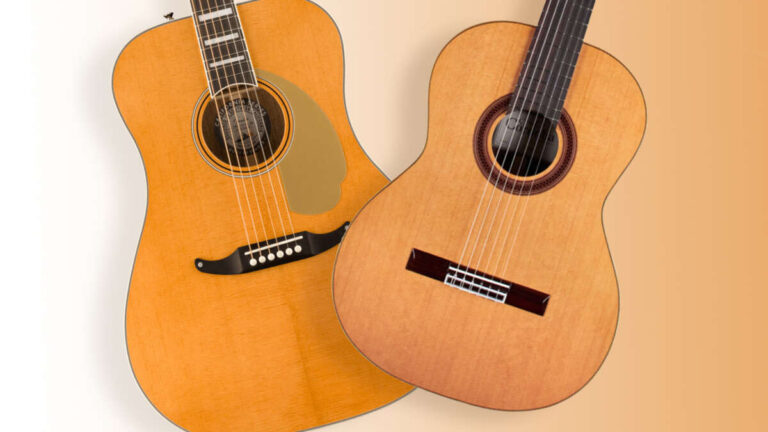
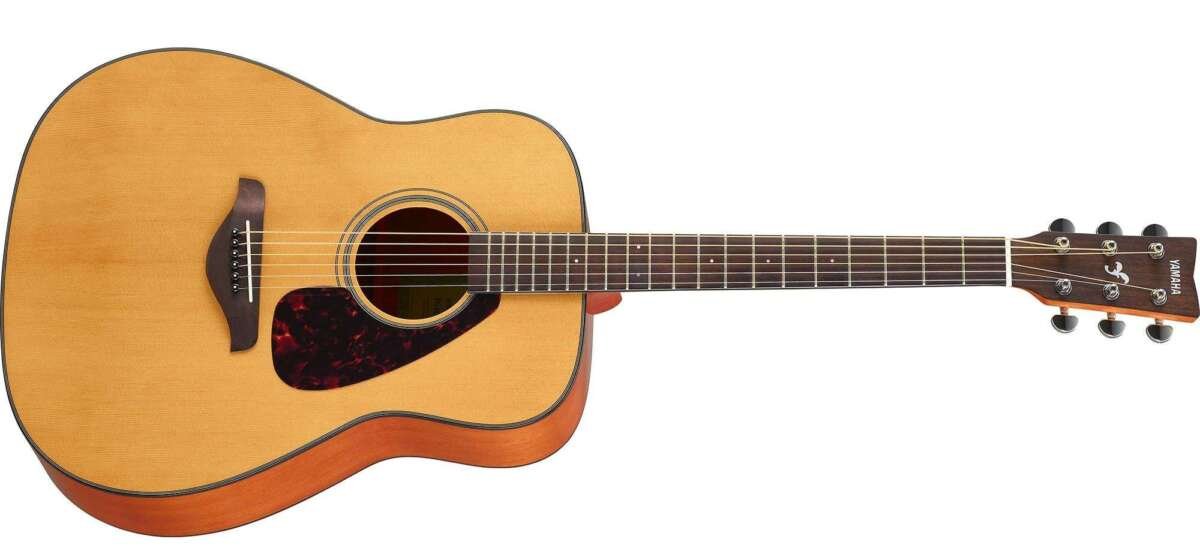
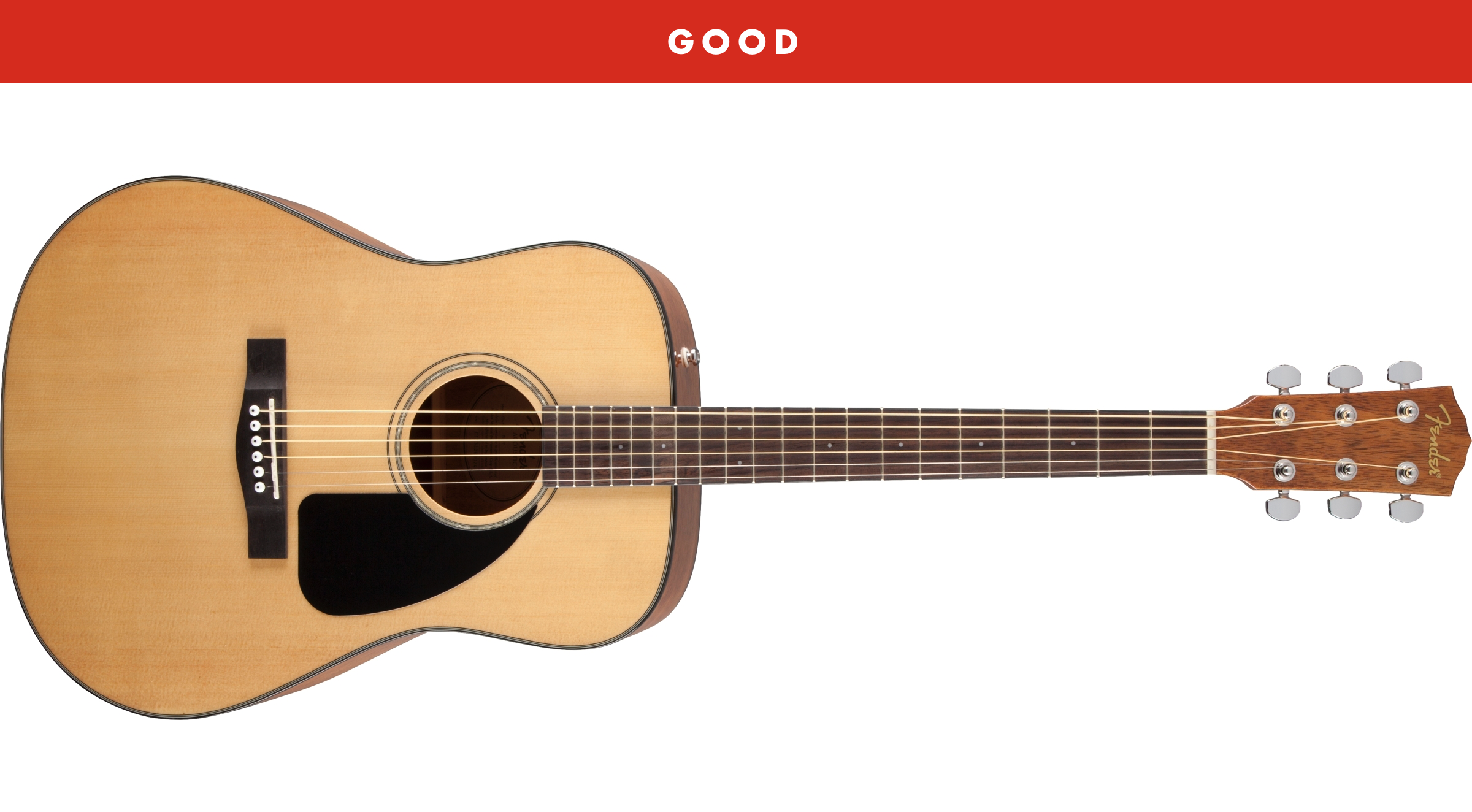
An acoustic guitar creates sound without an amplifier. It is simple to carry and does not need much extra equipment. This makes it a practical choice for beginners who want to play folk, country, pop, worship music, or basic singer-songwriter songs.
However, steel strings can feel firm on new fingertips. A poorly adjusted acoustic guitar may also require more finger pressure than necessary. For this reason, setup quality matters greatly when buying an acoustic guitar.
Electric guitar
Electric guitar strings are often thinner and easier to press. The body may also feel more comfortable for some players. You will need an amplifier, cable, and perhaps headphones, but an electric guitar can make practice more enjoyable for rock, blues, metal, jazz, and pop.
Electric guitars are not automatically easier in every way. Beginners must learn to manage extra equipment, amp settings, unwanted noise, and feedback. Still, many new players progress well on electric guitar because the strings often feel gentler.
Classical guitar
A classical guitar uses nylon strings. These strings are softer and can be kind to new fingertips. The wider neck may help some players but feel difficult for others.
Classical guitars work well for classical music, flamenco, Latin styles, and gentle fingerpicking. They are less suited to bright rock or modern country sounds. A nylon string model can be a good starter guitar if its wider neck feels comfortable.
A simple choice guide
Choose an acoustic guitar if you want:
• A simple setup
• Easy portability
• Folk, country, pop, or worship sounds
Choose an electric guitar if you want:
• Rock, blues, metal, jazz, or pop tones
• Softer-feeling strings
• Effects and amplifier sounds
Choose a classical guitar if you want:
• Nylon strings
• Classical or Latin music
• A warm, soft tone

What Features Should a Beginner Look For?
Good beginner guitar features are not hard to understand. You do not need to know every technical term. Focus on how the instrument feels, sounds, and holds up during normal use.
Comfortable body size
A full-size dreadnought acoustic guitar can sound big and rich, but its body may feel large to a child or smaller adult. Concert, orchestra, parlor, and travel-sized guitars often feel easier to manage.
Body size affects comfort, not just sound. Sit with the guitar before buying it. Your right arm should rest naturally over the body, and your left hand should reach the first few frets without strain.
Manageable string action
String action is the distance between the strings and the fretboard. High action makes the strings harder to press. Very low action can cause buzzing.
A beginner guitar should have action that feels easy but still produces clear notes. A guitar technician can often improve action with a basic setup. This small adjustment can make a cheap guitar feel far better.
Reliable tuning machines
Tuning machines control string tension. If they slip, the guitar will not stay in tune. New players already have enough to learn without constantly correcting the pitch.
Turn each tuning key slowly. It should feel firm and smooth. Loose or rough tuning machines do not always mean the guitar is unusable, but they can signal poor quality.
Straight neck
Look down the neck from the headstock toward the bridge. The neck should appear mostly straight, with a small amount of natural relief. A strong bow, twist, or sharp hump can create playing problems.
A store employee or guitar teacher can inspect the neck for you. This is especially helpful when buying a used guitar.
Clear fretwork
Fret ends should feel smooth. Run a finger lightly along the edge of the neck, but do not press hard. Sharp fret ends can cut or irritate your hand.
Each note should ring clearly when you press it. Dead notes, severe buzzing, or notes that sound out of tune may point to setup or construction issues.
Pleasant sound
Sound is personal, but a beginner should still enjoy the guitar’s tone. Try open chords, single notes, and a few simple melodies.
If you dislike the sound today, you may not feel motivated to practice tomorrow. Your ears are part of the buying process.

How Much Should a Beginner Spend?
A useful beginner guitar does not need to cost thousands of dollars. In the United States, many dependable starter guitars cost about $150 to $500, depending on the type, brand, materials, and included accessories.
Very cheap guitars can work, but quality varies. Some have poor tuning stability, high action, weak electronics, or rough fretwork. A low price is only a bargain if the guitar remains playable.
A realistic starter budget may look like this:
• Acoustic guitar: $150 to $400
• Electric guitar: $150 to $500
• Classical guitar: $120 to $400
• Practice amplifier: $60 to $150
• Gig bag: $25 to $80
• Clip-on tuner: $10 to $25
• Picks and spare strings: $10 to $25
You can save money by buying used. Check the neck, bridge, frets, tuning machines, and electronics before paying. Avoid a guitar with a lifting bridge, major cracks, a twisted neck, or severe fret wear.
One lesson I have seen many beginners learn the hard way is that the cheapest guitar is not always the least expensive choice. If an instrument makes practice difficult, you may replace it soon. Spending a little more on comfort and setup can save money over time.
Best Starter Guitar Types by Player
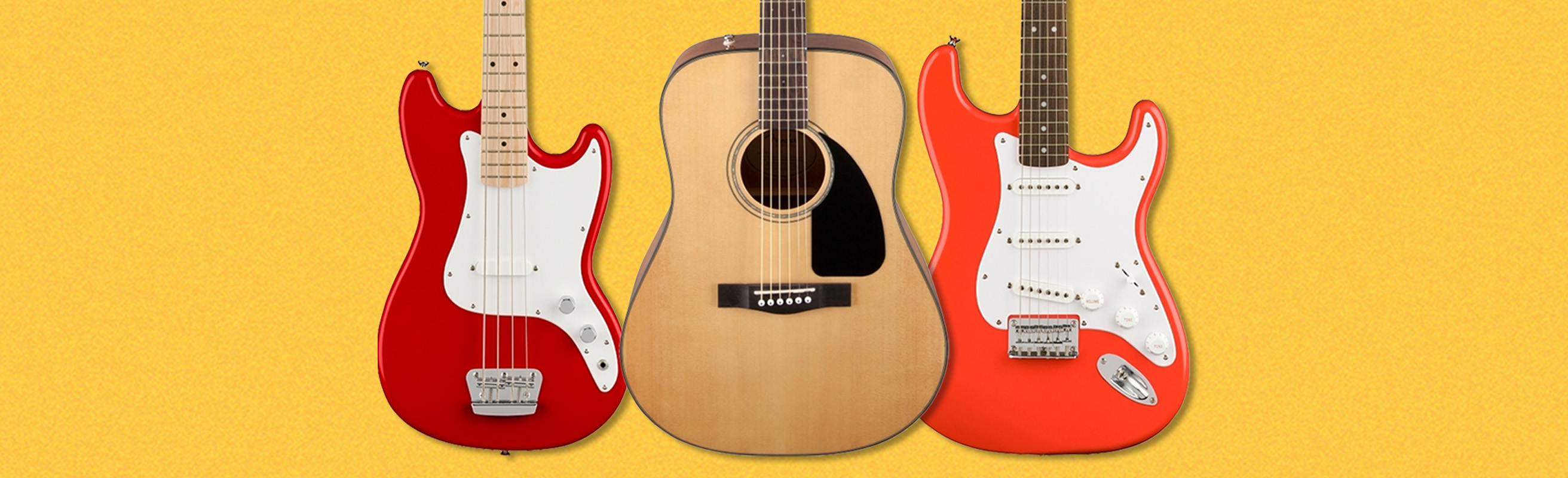
There is no single model that suits every beginner. Your age, hand size, music goals, and practice space all matter.
For children
A child may need a smaller guitar. A half-size or three-quarter-size model can make the neck and body easier to manage. The guitar should not be so large that the child struggles to reach the strings.
Avoid buying a full-size guitar only because the child may grow into it. If the instrument is uncomfortable now, the child may lose interest before that happens.
For smaller adults
Concert, parlor, and orchestra-style acoustic guitars often provide a comfortable middle ground. Their bodies are smaller than dreadnoughts but still offer a full sound.
Short-scale electric guitars may also feel easier because the frets are closer together. This can reduce hand stretch during early lessons.
For rock and metal players
An electric guitar with a comfortable neck and a simple practice amp is often the best fit. Humbucker pickups can provide a thick sound, though pickup type should not matter more than comfort and reliable construction.
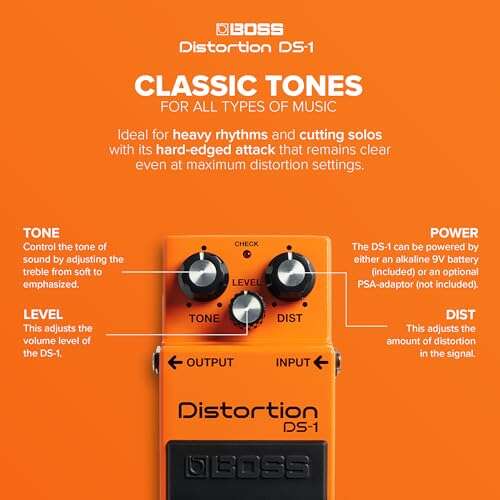
A small amp with a headphone output is helpful for apartment practice. Start with a clean tone and learn basic control before using heavy distortion.
For folk and country players
A steel-string acoustic guitar is a natural choice. Look for a body shape that feels comfortable and a neck that does not strain your wrist.
A good starter guitar for folk music should produce clear open chords. It should also respond well to light strumming and simple fingerpicking.
For classical and fingerstyle players
A nylon-string classical guitar may be the right choice. Its softer strings can feel gentle, but the wide neck requires a relaxed hand position.
Do not choose a classical guitar only because the strings feel soft. Make sure the neck width feels manageable and the tone matches the music you want to play.

How to Test a Beginner Guitar Before Buying
Testing a guitar takes only a few minutes. You do not need advanced skills. You are checking comfort, construction, and basic function.
Follow these steps:
-
Sit in a normal playing position.
-
Rest the guitar on your leg and check whether the body feels too large.
-
Play each open string.
-
Press notes at the first few frets.
-
Play common chords such as G, C, D, and E minor.
-
Listen for buzzing, dead notes, and unclear sound.
-
Turn the tuning keys and check that they feel smooth.
-
Look along the neck for major bends or twists.
-
Check the bridge and body for cracks or loose parts.
-
Ask whether the guitar has received a professional setup.
If you are buying an electric guitar, test every pickup position and control. Turn the volume and tone knobs. Move the cable gently to check for crackling or signal loss.
When shopping online, choose a seller with a clear return policy. Product photos cannot show every neck issue or setup problem. A return window reduces the risk of buying an uncomfortable instrument.
Common Beginner Guitar Mistakes to Avoid
Many first-time buyers focus on color, brand, or appearance. Those details can matter, but they should come after playability and sound.
Avoid these common mistakes:
• Buying a guitar that is too large
• Choosing the lowest price without checking quality
• Ignoring string action
• Assuming every new guitar is ready to play
• Buying an electric guitar without budgeting for an amp
• Skipping a tuner
• Choosing a style you do not actually want to play
• Buying based only on online reviews
• Forgetting the cost of a gig bag and spare strings
A setup is one of the most valuable improvements for a beginner guitar. A technician can adjust the neck, bridge, nut, and intonation. The result may feel like a completely different instrument.
Another mistake is using old or incorrect strings. Fresh strings improve tone, but the wrong gauge can make the guitar feel harder to play. Ask a teacher or technician for a beginner-friendly string recommendation.

Accessories That Make Learning Easier
The guitar is the main purchase, but a few simple tools can make learning smoother.
Tuner
A clip-on tuner is affordable and easy to use. Playing in tune trains your ear and makes practice sound better.
Picks
Buy several pick thicknesses. Thin picks work well for light strumming, while medium picks offer more control for single-note playing.
Guitar strap
A strap helps when playing while standing. Even when sitting, it can keep the guitar stable and reduce tension in your arms.
Extra strings
Strings break. Keep a spare set that matches the guitar’s recommended gauge.
Metronome
A metronome helps you build steady timing. Many free phone apps include one, so you may not need to buy a separate device.
Lesson support
A qualified teacher, structured online course, or trusted method book can prevent bad habits. Good instruction teaches posture, tuning, chord changes, rhythm, and safe practice habits.
How to Care for Your First Guitar
Basic care protects your investment. Wipe the strings and body with a clean, dry cloth after playing. This removes sweat and helps reduce corrosion.
Keep the guitar away from extreme heat, cold, and sudden humidity changes. Do not leave it in a hot car or next to a heater. Wood responds to changes in moisture, and major swings can cause cracks or other damage.
Store the guitar in a stand or case. A case offers better protection, especially around children, pets, and busy rooms.
Change strings when they sound dull, feel rough, or will not stay in tune. New players do not need to change strings on a fixed schedule, but checking them often is wise.

Frequently Asked Questions About What Is a Good Starter Guitar
What is a good starter guitar for an adult?
A good starter guitar for an adult is one that fits the player’s body and musical goals. A concert acoustic, comfortable electric guitar, or nylon-string model can work well, depending on the desired style.
Is acoustic or electric guitar easier for a beginner?
Electric guitar strings often feel easier to press, but electric guitars require an amplifier and extra equipment. Acoustic guitars are simpler to carry and use, so the easier choice depends on your goals and practice setting.
How much should I spend on a beginner guitar?
Many dependable beginner guitars cost between $150 and $500 in the United States. Set aside extra money for a tuner, gig bag, strings, picks, and, if needed, a practice amplifier.
Is a cheap guitar good for beginners?
A cheap guitar can be good if it stays in tune, feels comfortable, and has clean fretwork. Extremely low-cost instruments may have setup or construction problems that make learning harder.
Should a beginner buy a used guitar?
A used guitar can offer strong value, but inspect the neck, bridge, frets, body, and electronics before buying. If possible, take an experienced player or guitar technician with you.
Do I need a guitar setup as a beginner?
A setup is not always required, but it can greatly improve playability. Proper action, neck relief, intonation, and fretwork help a beginner press notes with less effort.
What size guitar should a beginner buy?
Choose a size that lets you reach the strings and frets without strain. Smaller adults and children may prefer concert, parlor, travel, or reduced-size guitars, while many adults can use a full-size model comfortably.
Conclusion
A good starter guitar should feel comfortable, stay in tune, sound enjoyable, and fit your musical plans. Acoustic, electric, and classical guitars can all serve beginners well when the instrument has sensible string action, smooth frets, reliable tuning machines, and solid construction.
Do not choose only by price or appearance. Hold the guitar, play a few notes, inspect its condition, and consider the full cost of essential accessories. The right guitar will not make every chord easy, but it will make practice feel rewarding enough to continue.
Choose the instrument that makes you want to play today. Then pick it up often, learn one small skill at a time, and explore trusted lessons or local guitar shops as you grow.

Senior Music Reviewer
Alex Carter is a seasoned music reviewer with over a decade of experience in the world of sound and instruments. Passionate about helping musicians and enthusiasts make informed choices, he brings sharp insights and in-depth knowledge to every review. From classical instruments to modern gear, Alex combines technical expertise with a love for music to deliver content that resonates with readers.
As a Senior Music Reviewer and expert author on Tuneluma.com, Alex is dedicated to sharing honest evaluations, practical advice, and thoughtful commentary to guide readers in their musical journey.