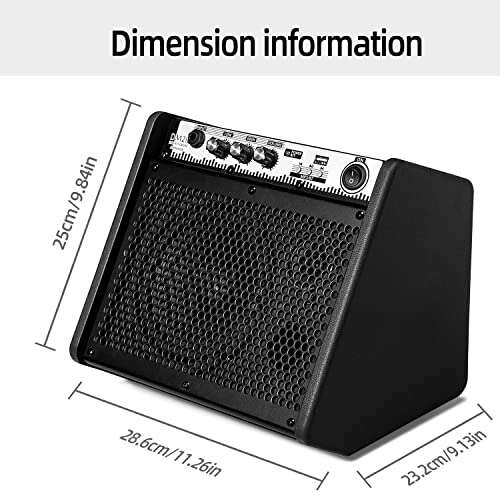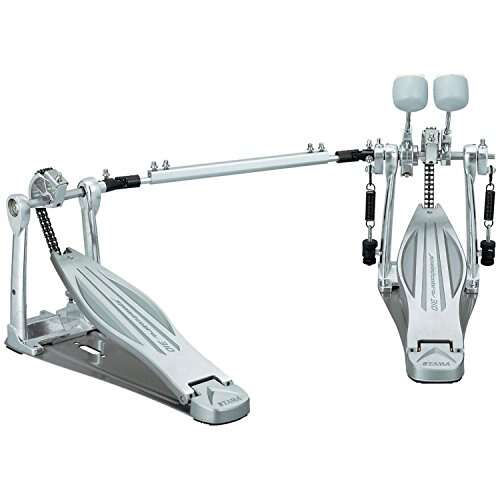
A drum kit configuration is the number, type, size, and layout of drums, cymbals, pedals, and hardware in a drum set. In the United States, players often describe a kit as a “4-piece,” “5-piece,” or “shell pack,” but the same number can include different drum sizes and cymbals.
A configuration affects the kit’s sound, size, setup time, portability, and suitability for a music style. A small jazz kit may use one rack tom and one floor tom. A rock kit may add more toms and cymbals. An electronic kit uses trigger pads and a sound module instead of acoustic shells.
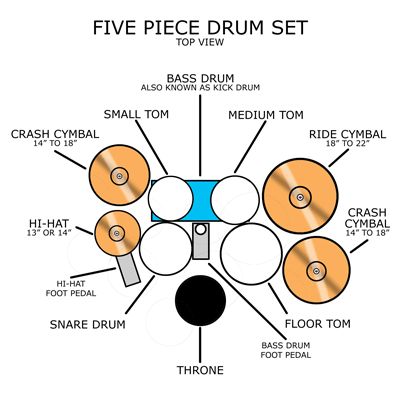
What Does “Drum Kit Configuration” Mean?
A drum kit configuration describes what a drum kit includes and how each part is arranged.
The term may refer to:
- The number of drums
- The sizes of the drums
- The number and type of cymbals
- The bass drum pedal setup
- The hardware layout
- The position of each drum and cymbal
- The playing style or music setting the kit supports
A configuration is not the same as a drum kit brand or model. Two 5-piece drum kits can have very different sounds because they may use different shell sizes, materials, cymbals, and hardware.
The word configuration also does not always mean the number of drums alone. A complete description might be:
A 5-piece acoustic kit with a 22-inch bass drum, 10- and 12-inch rack toms, a 16-inch floor tom, a 14-inch snare, hi-hats, ride, crash cymbal, and one bass drum pedal.
That description tells you much more than “5-piece kit.”
The Main Parts of a Drum Kit Configuration
A standard acoustic drum kit has several core parts. Each one has a clear job.
Bass drum
The bass drum, or kick drum, is the large drum played with a foot pedal. It creates the low beat that anchors the music.
Common bass drum sizes include:
- 16 inches for compact kits
- 18 inches for small jazz or travel kits
- 20 inches for versatile setups
- 22 inches for many rock, pop, and worship kits
- 24 inches or larger for a deeper, louder sound
The first number usually describes the drum’s diameter. The second number describes its depth. For example, a 22-by-18-inch bass drum is 22 inches wide and 18 inches deep.
Snare drum
The snare drum creates the sharp crack heard on many backbeats. Metal wires, called snare wires, stretch across the bottom head.
A common snare size is 14 inches in diameter. Depths often range from about 5 to 8 inches.
A shallow snare may produce a fast, crisp response. A deeper snare may create more body and volume. These are general tendencies, not fixed rules. Shell material, head choice, tuning, and playing technique also matter.
Rack toms
Rack toms are the smaller toms mounted above the bass drum or placed on stands. They help create fills and moving patterns across the kit.
Common sizes include:
- 8 inches
- 10 inches
- 12 inches
- 13 inches
A small kit may use one rack tom. A larger kit may use two, three, or more.
Floor toms
A floor tom is a larger tom that stands on its own legs. It produces a lower sound than rack toms.
Common sizes include:
- 14 inches
- 16 inches
- 18 inches
Many standard kits use one 16-inch floor tom. Some players add a second floor tom for a wider low-end range.
Hi-hats
Hi-hats are two cymbals mounted on a stand. A foot pedal opens and closes them.
Hi-hats can create:
- A steady time pattern
- Tight, short sounds
- Open, ringing sounds
- Accents and rhythmic changes
A typical size is 14 inches, though 13-inch and 15-inch hi-hats are also common.
Ride cymbal
A ride cymbal provides a steady pattern with a clear, sustained sound. It often replaces the hi-hat during a chorus, bridge, or louder section.
Many ride cymbals range from 20 to 22 inches. Larger rides may offer more volume and wash. Smaller rides may feel quicker and more controlled.
Crash cymbals
Crash cymbals create strong accents. A basic kit may include one crash. Many players use two or more.
Common crash sizes include:
- 16 inches
- 17 inches
- 18 inches
- 19 inches
A crash can sit to the left or right of the kit. The best position depends on the player’s reach and the musical role of the cymbal.
Hardware
Hardware includes the stands, mounts, throne, pedals, and other support parts.
A complete hardware setup may include:
- Hi-hat stand
- Snare stand
- Cymbal stands
- Tom mounts
- Bass drum pedal
- Drum throne
- Boom arms
- Clamps and memory locks
A kit may include drums but not cymbals or hardware. This is why shoppers must check the exact contents before comparing prices.

How Drum Kit Sizes Are Named
Drum kits are often named by the number of drums in the shell setup.
What is a 4-piece drum kit?
A typical 4-piece drum kit includes:
- Bass drum
- Snare drum
- One rack tom
- One floor tom
The cymbals are not always included in the “4-piece” count. In most cases, cymbals are treated as separate parts.
A 4-piece kit has a simple layout. It takes less space and can be quick to set up. Many jazz, blues, rock, country, and worship players use this type of configuration.
What is a 5-piece drum kit?
A typical 5-piece drum kit includes:
- Bass drum
- Snare drum
- Two rack toms
- One floor tom
This is one of the most common configurations for beginners and general-purpose players.
A common example is:
- 22-inch bass drum
- 10- and 12-inch rack toms
- 16-inch floor tom
- 14-inch snare
The sizes can change. Some 5-piece kits use 12- and 13-inch rack toms. Others use a 20-inch bass drum for a smaller footprint.
What is a 6-piece drum kit?
A 6-piece kit often adds a second floor tom or another tom to a 5-piece setup.
One possible layout is:
- Bass drum
- Snare drum
- Two rack toms
- Two floor toms
Another may use one floor tom and three rack toms. The name tells you the count, not the exact design.
What is a shell pack?
A shell pack usually includes the drums and drum mounts but may not include:
- Cymbals
- Cymbal stands
- Snare stand
- Bass drum pedal
- Drum throne
The contents vary by manufacturer. Read the product list before buying. A shell pack can look less expensive until you add the missing hardware and cymbals.
What is a bop or jazz configuration?
A bop kit is usually a compact setup with small drums, such as:
- 18-inch bass drum
- 12-inch rack tom
- 14-inch floor tom
- 14-inch snare
The term “bop” often points to a jazz-oriented layout, but players may use similar sizes for small venues, acoustic music, or practice.
What is a double bass configuration?
A double bass configuration uses two bass drums or one bass drum with a double bass pedal.
The two options are not identical:
- Two bass drums give each foot its own drum.
- A double pedal lets both feet play one bass drum.
A double bass setup can support fast patterns, but it needs more floor space and careful pedal adjustment.

Common Drum Kit Configurations Compared
The right configuration depends on the player’s space, music, transport needs, and sound goals.
| Configuration | Typical drums | Main strengths | Main limits |
|---|---|---|---|
| Compact 4-piece | Bass drum, snare, one rack tom, one floor tom | Simple, portable, quick to set up | Fewer tom voices |
| Standard 5-piece | Bass drum, snare, two rack toms, one floor tom | Flexible for many styles | Takes more space than a 4-piece |
| Bop kit | Small bass drum, snare, one rack tom, one floor tom | Light, controlled, useful in small rooms | Less low-end power |
| Expanded 6-piece | Bass drum, snare, three toms, one floor tom, or two floor toms | More fill and pitch options | More stands, space, and setup time |
| Double bass kit | Two bass drums or one bass drum with double pedal | Supports two-foot patterns | More complex to transport and tune |
| Electronic kit | Trigger pads, pedals, module, and rack | Quiet practice with headphones and varied sounds | Requires power and electronic parts |
The number of drums does not prove that one setup is better. More drums provide more sound choices, but they also add cost, weight, clutter, and setup time.
Acoustic and Electronic Drum Kit Configurations
An acoustic drum kit uses vibrating drumheads and cymbals. Its sound changes with tuning, shell design, drumheads, room acoustics, microphones, and playing technique.
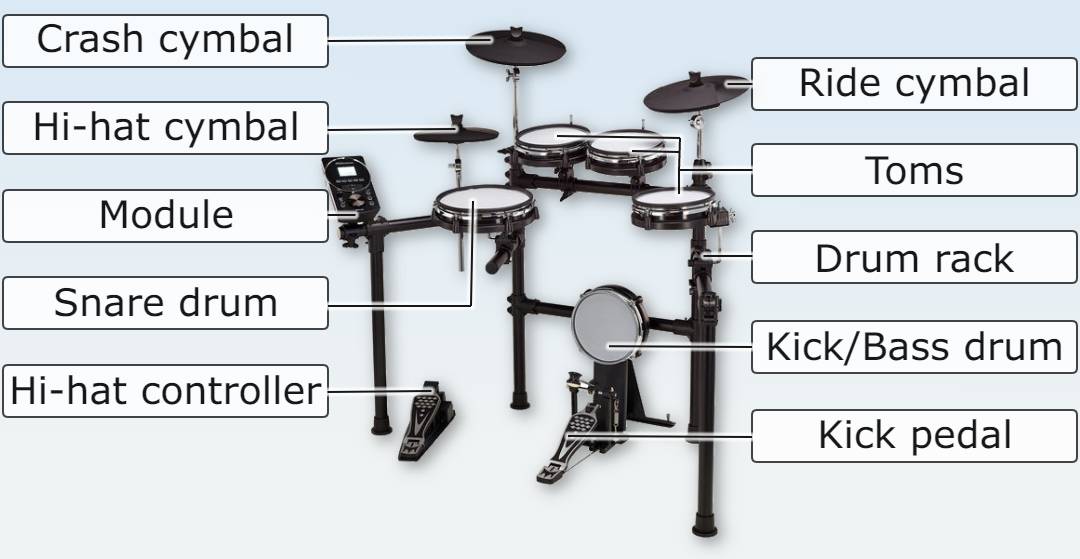
An electronic drum kit uses pads or mesh heads connected to a sound module. The module produces drum sounds and may offer:
- Headphone output
- Metronome functions
- Recorded songs
- USB or MIDI connections
- Multiple drum voices
- Practice exercises
Electronic configurations vary by pad count and pad type. A basic kit may have one pad for each main drum and several cymbal pads. A larger kit may add extra toms, cymbals, and auxiliary triggers.
Electronic kits need special checks. Confirm that the kit has the pedals, rack, module, power supply, and cables you need. Also check whether the module supports the connections required by your computer, phone, or recording system.

How to Choose the Right Drum Kit Configuration
Choose a configuration by matching the kit to your music, room, budget, and transport needs.
1. Start with your music
Use the music as your first guide.
- Jazz: A compact 4-piece or bop setup often works well.
- Rock: A 5-piece kit with a 20- or 22-inch bass drum is common.
- Pop: A 4-piece or 5-piece kit can cover most basic parts.
- Metal: Players may prefer extra toms, larger cymbals, or a double bass setup.
- Funk: A focused 4-piece or 5-piece setup can provide fast, clear sounds.
- Worship and live performance: A 5-piece kit with selected cymbals offers broad coverage.
- Apartment practice: An electronic kit may reduce acoustic volume, but it does not make playing silent.
These are starting points, not rules. Skilled players can use almost any configuration if the tuning and playing approach fit the music.
2. Measure the room
Measure the space where you will play. Include room for:
- The drum throne
- Your arms and legs
- Cymbal stands
- A music stand
- A microphone or monitor
- Safe movement around the kit
Do not measure only the drum shells. Cymbal stands and pedals often create the largest footprint.
3. Count the full cost
A drum kit may need more than drums. Add the cost of:
- Cymbals
- Stands
- Bass drum pedal
- Drum throne
- Drumsticks
- Drumheads
- Tuning key
- Cases or bags
- Microphones, if recording
A used kit may be a good value if the shells are sound and the hardware works. Check for cracks, damaged bearing edges, missing parts, rust, bent stands, and worn pedals.
4. Think about transport
A larger configuration means more cases, more weight, and more setup time.
If you play local gigs, a 4-piece kit may be easier to load. If you need a wide range of tom sounds, a larger kit may justify the extra work.
5. Choose the smallest setup that meets your needs
A smaller kit is not a lesser kit. It can improve focus and make setup easier.
Start with:
- One bass drum
- One snare
- One or two toms
- Hi-hats
- One ride
- One or two crashes
Add pieces only when you can explain the musical job they will perform.
How to Arrange a Drum Kit
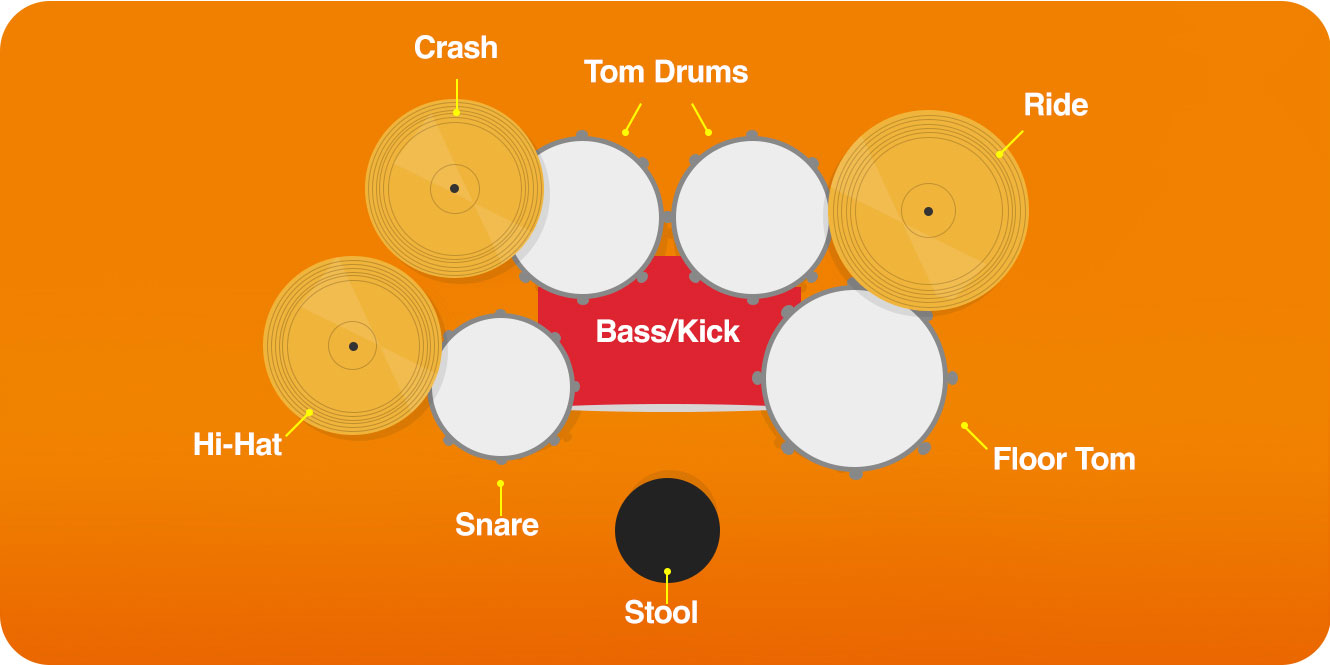
Arrange the kit so that each part is easy to reach without forcing your body into an awkward position.
- Place the drum throne first.
- Set the bass drum in front of the throne.
- Position the snare between your knees.
- Place the hi-hat to your left if you play a standard right-handed setup.
- Mount the rack toms above the bass drum or place them on stands.
- Put the floor tom beside your dominant leg.
- Add the ride near the floor tom or bass drum.
- Place crashes where you can reach them without leaning too far.
- Adjust the throne height so your knees are slightly above or near hip level.
- Check that every cymbal and drum is stable before playing.
Left-handed players may reverse the layout. Some drummers use an open-handed setup, where the hands do not cross on the hi-hat. There is no single correct arrangement if the setup is stable, comfortable, and easy to control.
Signs of a good setup
A good configuration lets you:
- Reach every main surface with small movements
- Keep both feet stable
- Strike cymbals without hitting stands
- Maintain a relaxed shoulder and wrist position
- Sit securely without sliding
- Move between toms without twisting sharply
If your shoulders, wrists, knees, or lower back hurt, stop and adjust the setup. Persistent pain needs attention from a qualified health professional.

Common Mistakes With Drum Kit Configuration
Mistake 1: Counting cymbals as drums
A “5-piece” kit usually counts drums, not cymbals. Check the complete contents before you buy.
Mistake 2: Assuming every 5-piece kit is the same
A 5-piece kit can have different bass drum sizes, tom layouts, shell materials, and snare designs. Read the exact specifications.
Mistake 3: Buying extra drums too soon
More toms add options, but they also add stands, cases, weight, and tuning work. Learn to use the basic kit first.
Mistake 4: Ignoring cymbals
Cymbals shape the sound as much as the drums do. A basic shell pack may still need a full cymbal set.
Mistake 5: Setting the drums too far apart
A wide layout can make fills harder and may cause poor posture. Keep the main drums close enough for relaxed movement.
Mistake 6: Confusing quiet with silent
Electronic drums can reduce acoustic volume, especially with headphones. Pads still make impact noise, and pedals can transmit sound through floors and walls.
Mistake 7: Using the wrong drum sizes for the room
Large drums may sound powerful on stage but overwhelming in a small room. Room size and tuning matter more than a size label alone.
Drum Kit Configuration FAQ
Is a 4-piece or 5-piece drum kit better for a beginner?
A 5-piece kit gives a beginner more tom choices. A 4-piece kit is simpler and often easier to position. Both can support complete lessons and songs.
Does a 5-piece drum kit include cymbals?
Not always. The “5-piece” label usually counts the bass drum, snare, and three toms. Check whether cymbals, stands, pedals, and a throne are included.
What is the most common drum kit configuration?
A common setup has one bass drum, one snare, two rack toms, one floor tom, hi-hats, a ride cymbal, and one or two crash cymbals. Exact drum sizes vary.
Can I add more drums to a 4-piece kit?
Usually, yes. You may be able to add a floor tom, rack tom, auxiliary snare, or second bass drum. Check that the existing mounts and stands can support the added pieces.
What drum kit configuration is best for small spaces?
A compact 4-piece kit or electronic kit often fits better than a large setup. Measure the full playing area, including cymbal stands and the throne.
Key Takeaways
- A drum kit configuration describes the kit’s parts, sizes, and layout.
- A 4-piece kit usually has a bass drum, snare, one rack tom, and one floor tom.
- A 5-piece kit usually adds a second rack tom.
- Cymbals and hardware may not be included in the piece count.
- Choose a setup based on music, room size, budget, transport, and comfort.
- More drums create more options but also add cost, weight, and setup time.
- A well-arranged kit keeps the main playing surfaces close and supports relaxed movement.
Conclusion
A drum kit configuration is the complete plan for a drum set: what it contains, how large each part is, and where everything sits. The best setup is not always the largest one. For many players, a well-tuned 4-piece or 5-piece kit offers enough range for practice, recording, and live performance.
Start with the music and space you have. Choose the smallest configuration that gives you the sounds and control you need. Then add drums, cymbals, or pedals only when they serve a clear musical purpose.

Senior Music Reviewer
Alex Carter is a seasoned music reviewer with over a decade of experience in the world of sound and instruments. Passionate about helping musicians and enthusiasts make informed choices, he brings sharp insights and in-depth knowledge to every review. From classical instruments to modern gear, Alex combines technical expertise with a love for music to deliver content that resonates with readers.
As a Senior Music Reviewer and expert author on Tuneluma.com, Alex is dedicated to sharing honest evaluations, practical advice, and thoughtful commentary to guide readers in their musical journey.