What Guitar Did Stevie Ray Vaughan Play: His Iconic Guitars
Stevie Ray Vaughan mainly played a worn 1963 Fender Stratocaster known as Number One.
The answer to what guitar did Stevie Ray Vaughan play is closely tied to his famous sunburst Stratocaster. Still, his sound came from more than one instrument. His setup, heavy strings, strong picking attack, amplifiers, and personal style all shaped his powerful blues tone.
This guide explains Stevie Ray Vaughan’s main guitars, the story behind Number One, his other important instruments, and how you can capture some of his feel without simply copying his gear.
What guitar did Stevie Ray Vaughan play?
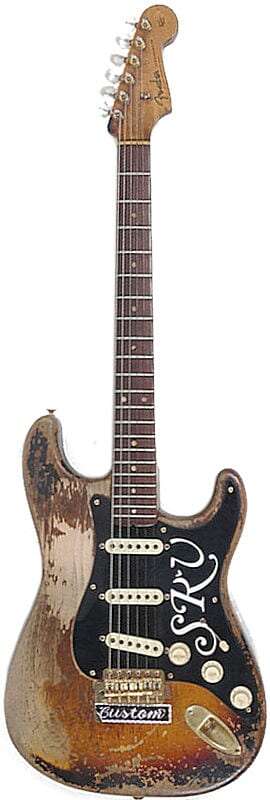
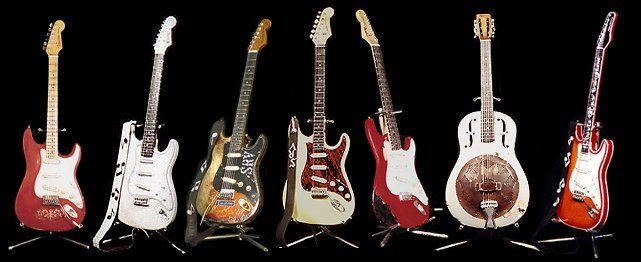
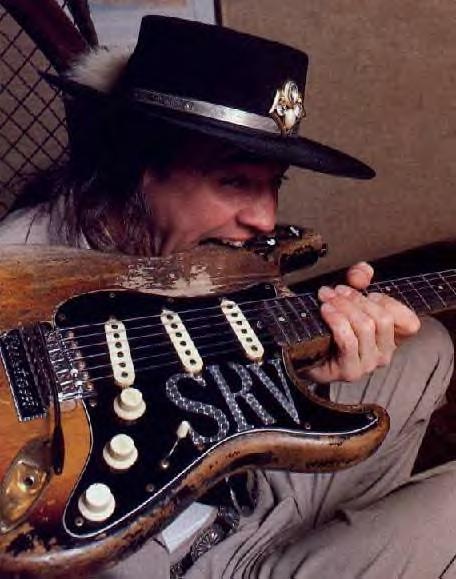
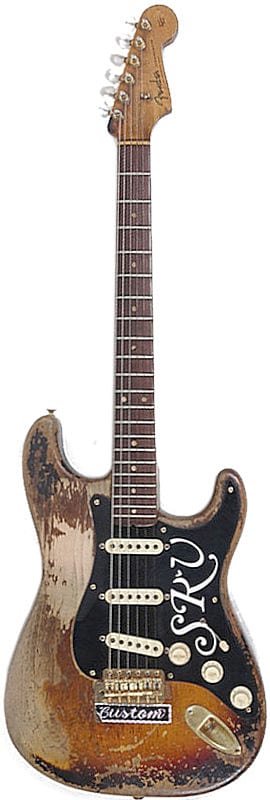
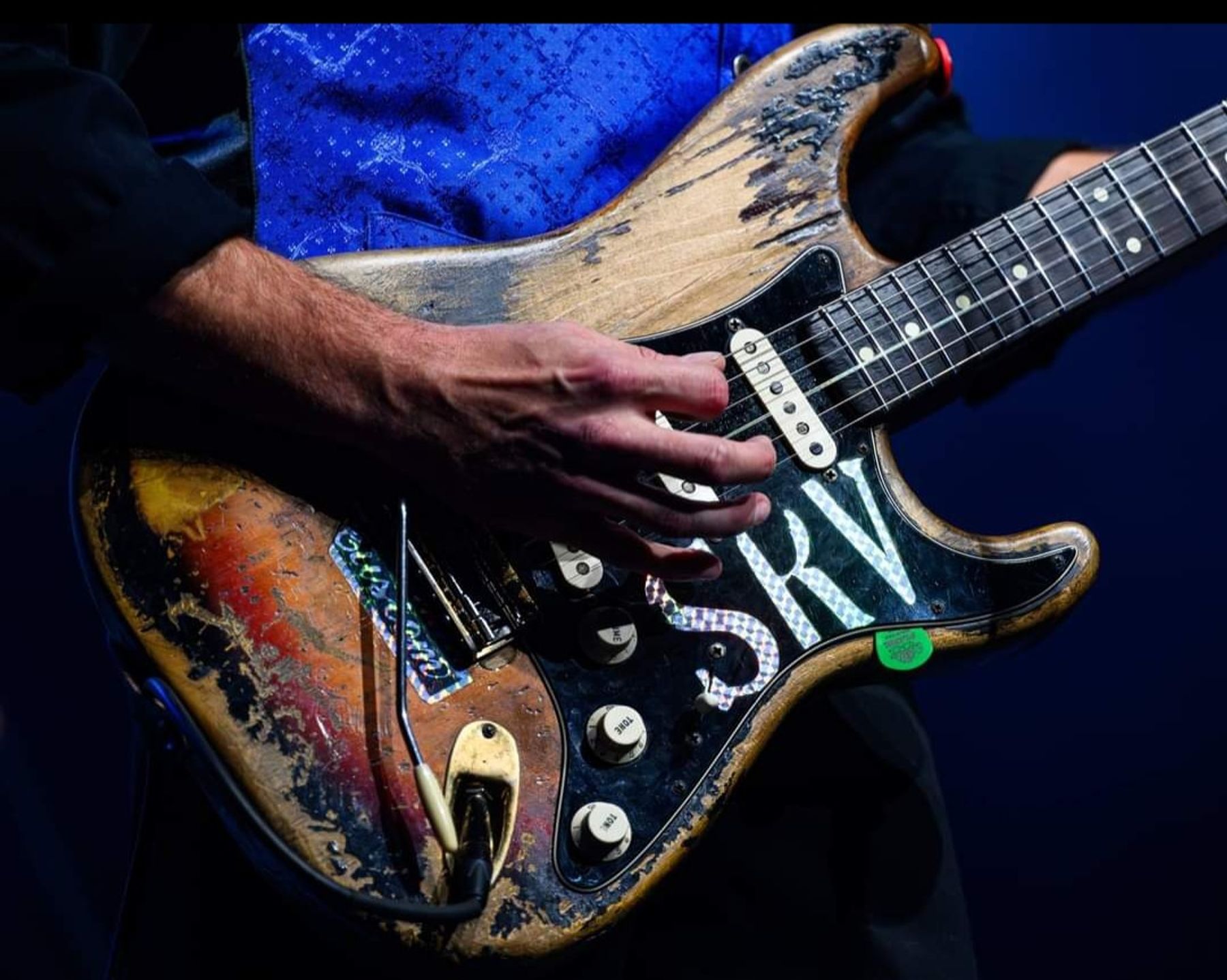
The guitar most linked to Stevie Ray Vaughan was a Fender Stratocaster called Number One. It was widely identified as a 1963 Fender Stratocaster, although some parts were changed or replaced over the years.
Vaughan bought the guitar in Austin, Texas, in the 1970s. It had a three-color sunburst finish, a maple neck, and three single-coil pickups. Years of hard use left the body covered with wear, scratches, and exposed wood.
When people ask what guitar did Stevie Ray Vaughan play, Number One is the clearest answer. It was not a perfect or untouched collector’s guitar. It was a working instrument that Vaughan pushed hard on stage and in the studio.
Key details associated with Number One include:
• Fender Stratocaster design
• Commonly dated to 1963
• Three single-coil pickups
• Three-color sunburst finish
• Large “SRV” initials on the pickguard
• Heavy-gauge strings
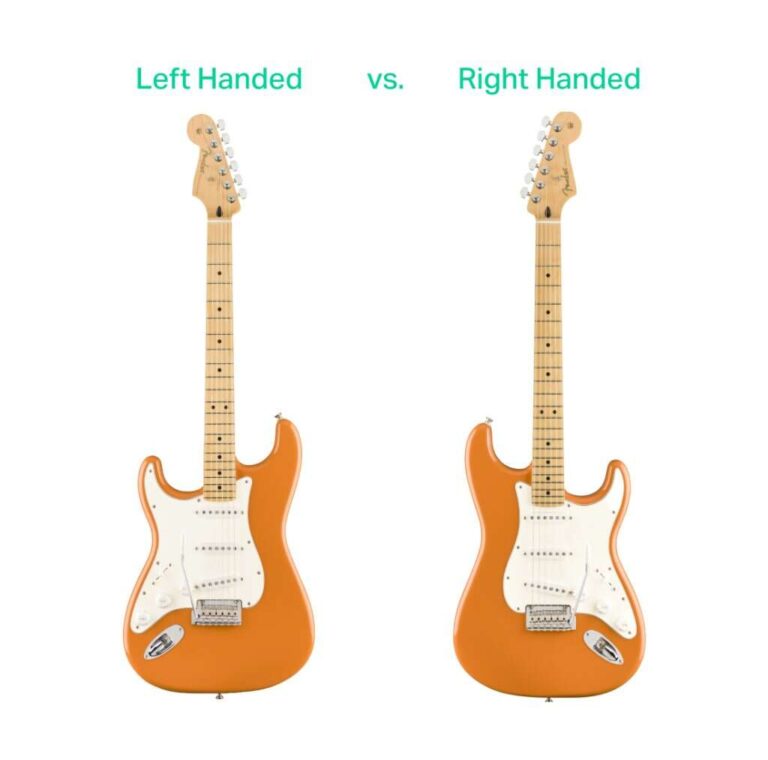
• A left-handed tremolo bridge installed for Vaughan
The exact age of every part is not completely certain. Vintage guitars often change hands, receive repairs, and contain parts from different years. That is why careful descriptions often say “1963 Stratocaster” rather than claiming every part was made in 1963.
The story behind Number One
Vaughan reportedly bought Number One from Ray Hennig’s Heart of Texas Music in Austin. The guitar soon became his main stage instrument and remained closely tied to his identity.
The name Number One came from its role in Vaughan’s collection. It was his primary Stratocaster for much of his career. The initials “SRV” were added to the pickguard, making the guitar easy to recognize in photographs and concert footage.
Number One suffered years of heavy use. Vaughan played with force, used thick strings, and often struck the instrument with great energy. The finish wore away in places, especially around the body edges and picking area.
That wear was not a factory feature. It was evidence of use. This matters because many players focus on finding a relic guitar while missing the larger lesson: Vaughan’s sound came from touch, timing, and control.
When studying what guitar did Stevie Ray Vaughan play, it helps to see Number One as a tool rather than a magic object. The guitar supported his style, but it did not create that style by itself.
What made Number One special?
Number One had several features that suited Vaughan’s playing. The Stratocaster’s bright tone helped his notes cut through loud blues-rock bands. Its five-way pickup system also gave him a wide range of tones.
Vaughan often used the neck pickup for warm blues lines. He could then move toward the bridge or combine pickups for sharper rhythm parts. This range helped him move from soft, singing phrases to aggressive Texas shuffle work.
The neck also mattered. Vaughan favored a substantial neck profile and used heavy strings. Thick strings can produce a firm feel and strong low-end response, but they also require more finger strength.
His setup was not ideal for every guitarist. A beginner may find heavy strings hard to bend. A player with hand pain may need a lighter set. Copying Vaughan’s string gauge without considering your own hands can lead to poor technique or injury.
Important lessons from Number One include:
• A simple guitar can cover many musical roles.
• Pickup choice changes the feel of a phrase.
• String tension affects tone, bends, and comfort.
• Setup quality matters as much as the model name.
• A guitar becomes personal through years of playing.
This is one reason the answer to what guitar did Stevie Ray Vaughan play should include both the instrument and the way he used it.
Did Stevie Ray Vaughan play only Number One?
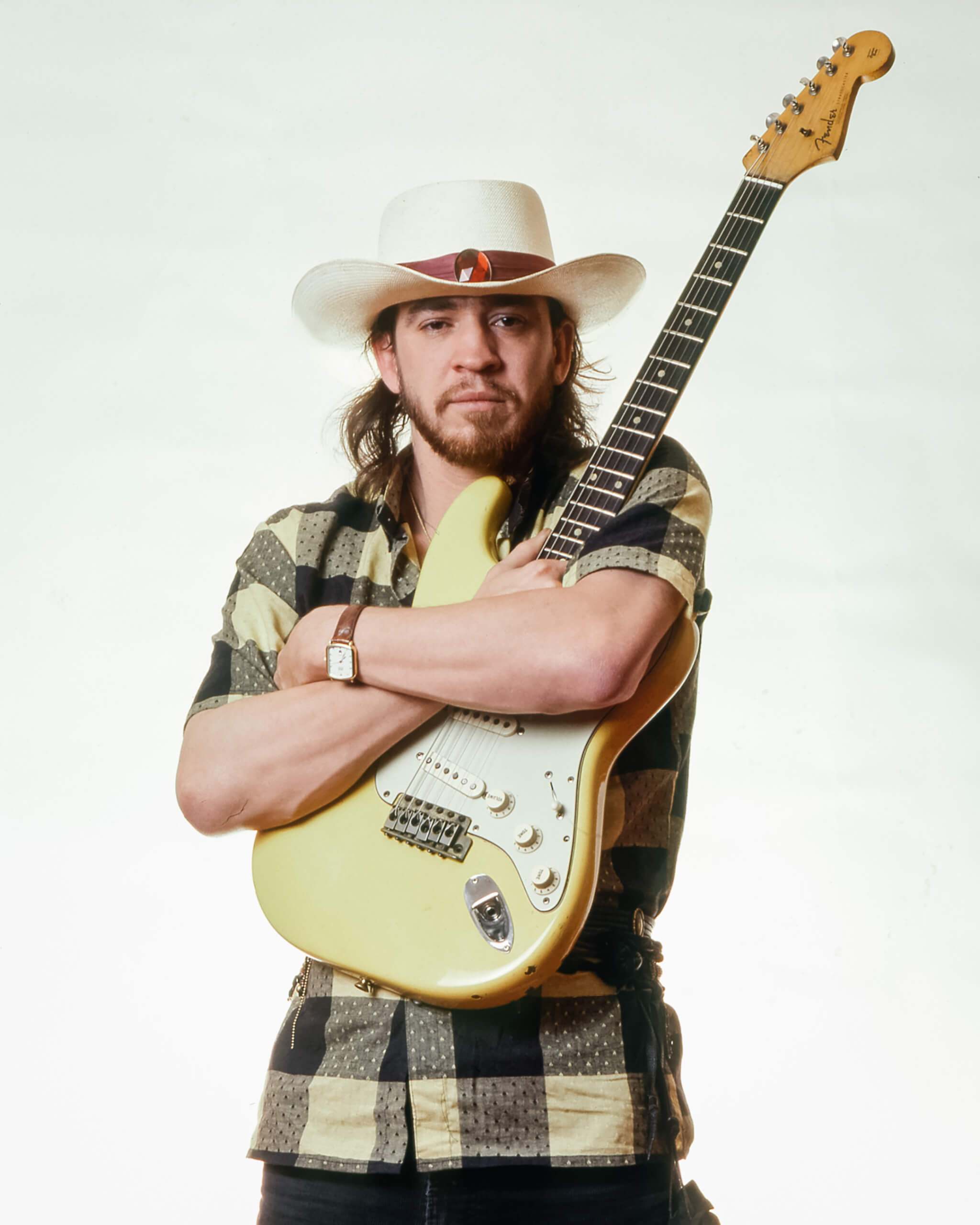
No. Stevie Ray Vaughan played several important guitars during his career. Number One was his best-known instrument, but it was not his only Stratocaster.
His guitar collection included other Fender Stratocasters, custom instruments, and guitars used for specific songs or performances. Some instruments were backups. Others had different pickup layouts, finishes, necks, or personal meaning.
Here are several guitars connected with Vaughan:
Lenny
Lenny was a natural-finish Stratocaster associated with Vaughan’s wife, Lenora. The guitar had a warm appearance and a special emotional value.
Vaughan used Lenny for slower, expressive songs. Its tone became closely associated with tracks such as “Lenny,” where his playing is more spacious and delicate than on his hardest blues numbers.
Scotch
Scotch was another Stratocaster linked to Vaughan. It had a distinctive appearance and was used during parts of his career.
Like Number One, Scotch showed how Vaughan could make a traditional Stratocaster sound large, forceful, and vocal. The guitar itself was important, but his hands remained the main source of the expression.
Red
Vaughan also used a red Stratocaster often called Red. It appeared in different settings and helped provide a familiar backup and performance option.
The guitar world often gives strong attention to famous instruments. However, Vaughan’s use of several Strats shows that his sound did not depend on one exact piece of wood.
Charley
Charley was a custom hybrid guitar associated with Vaughan. It combined Stratocaster-style features with a humbucking pickup in the bridge position.
This gave Vaughan access to a thicker and more forceful tone. It also showed that he was willing to use different designs when a song or performance called for another sound.
The broader answer to what guitar did Stevie Ray Vaughan play is therefore “mostly Fender Stratocasters, with several unique instruments in his collection.”
What guitar did Stevie Ray Vaughan play on “Texas Flood”?
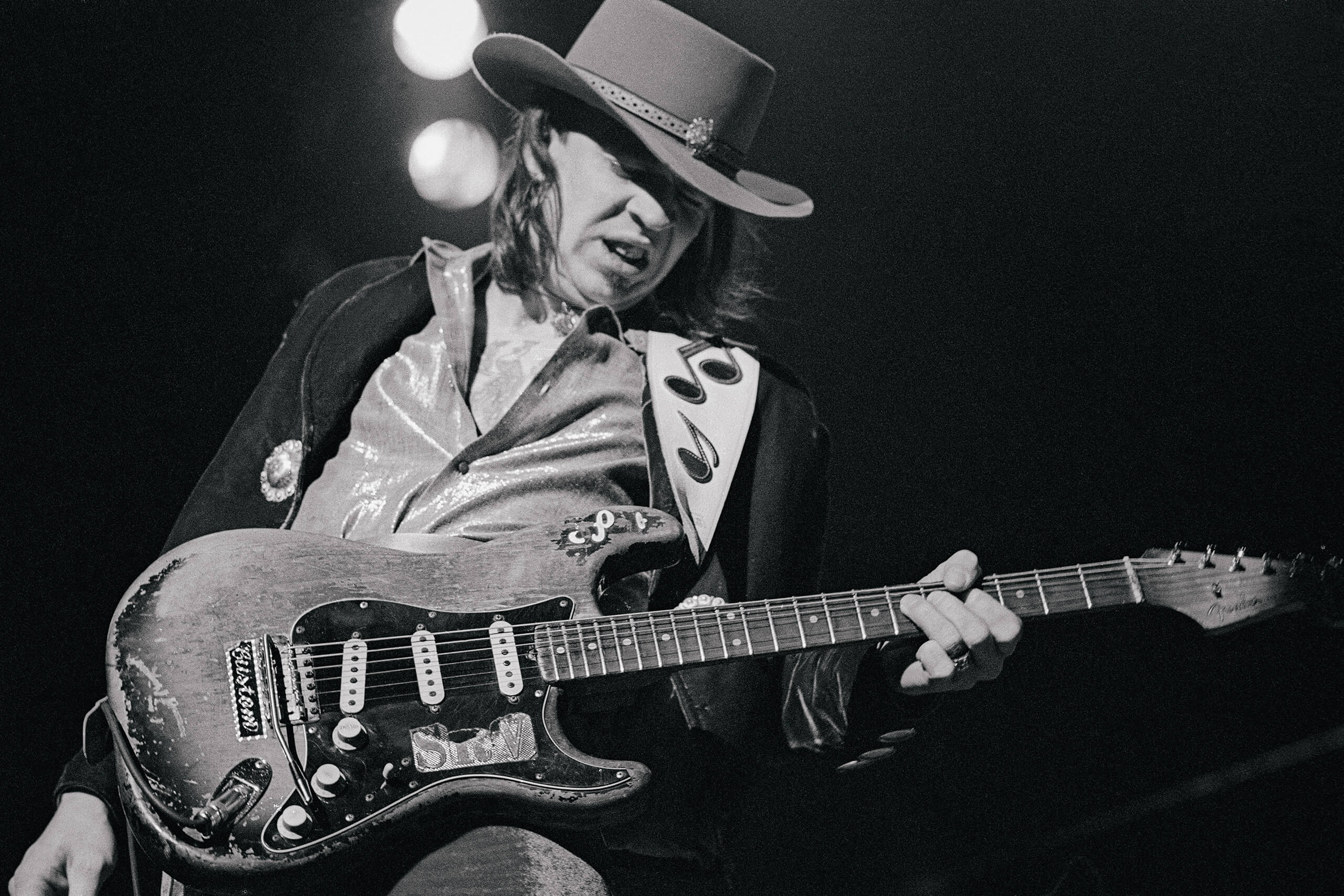
Vaughan is strongly associated with Number One on “Texas Flood.” The guitar’s thick tone, strong midrange, and sharp attack fit the song’s slow blues structure.
“Texas Flood” is a good example of how the Stratocaster can sound full without using humbuckers. Vaughan controlled the guitar’s volume, picked hard, and used expressive bends to make each note feel larger.
His amplifier setup also played a major role. He was known for using loud Fender tube amplifiers, including Super Reverb and Vibroverb models. The interaction between the guitar, amplifier, speaker, and room helped create his sound.
A useful home setup does not need to be extremely loud. Try these steps instead:
-
Select the neck pickup.
-
Set the guitar volume near maximum.
-
Use a clean or slightly breaking-up amplifier tone.
-
Add moderate reverb.
-
Play slow bends and leave space between phrases.
-
Adjust the gain only after your picking feels controlled.
The lesson is simple: asking what guitar did Stevie Ray Vaughan play gives you the starting point, but his tone came from the entire signal chain.
What guitar did Stevie Ray Vaughan play on “Lenny”?
“Lenny” is closely connected with the guitar called Lenny. Vaughan used this instrument for a softer and more personal sound.
The song highlights the Stratocaster’s ability to produce clear, glassy tones. Vaughan used touch, volume control, and careful phrasing instead of relying on heavy distortion.
This track also shows why gear alone cannot explain his playing. Two guitarists can use the same Stratocaster and produce very different results. One may sound thin, while the other sounds warm and emotional.
For a similar approach, focus on:
• Light picking
• Slow vibrato
• Clean amp settings
• Open space between notes
• Careful control of the guitar volume
• Chords that ring clearly
When considering what guitar did Stevie Ray Vaughan play for “Lenny,” remember that the instrument had emotional meaning as well as musical value. That connection likely influenced how Vaughan approached the song.
Stevie Ray Vaughan’s strings, pickups, and setup
Vaughan was famous for using heavy strings. Reports and interviews commonly associate him with sets that included very heavy gauges, sometimes reaching .013 on the high E string.
String gauges can vary by guitar, tuning, and period. It is not safe to assume that one exact set remained unchanged throughout his career.
Heavy strings can offer several benefits:
• Stronger resistance during bends
• A firm feel under the picking hand
• Full low notes
• Greater tuning stability
• A powerful attack
They also have drawbacks:
• More finger fatigue
• Harder bends
• Greater stress on the neck and bridge
• A greater risk of poor technique
A practical starting point is a lighter set, such as .010s or .011s. You can move upward only if your hands feel comfortable and your guitar is properly adjusted.
Vaughan also used a strong, controlled picking hand. His tone was not only created by the pickups. The pick struck the strings with enough force to produce a bold attack without losing musical control.
This is another important part of understanding what guitar did Stevie Ray Vaughan play. A stock Stratocaster with a good setup can take you much closer to his sound than an expensive guitar played without control.
Why the Stratocaster suited Stevie Ray Vaughan
The Fender Stratocaster offered several features that worked well for Vaughan’s blues style.
Its three single-coil pickups provided tonal variety. The tremolo bridge allowed expressive pitch movement. The 25.5-inch scale length gave the strings a firm feel and helped produce clear, sharp notes.
The body shape also supported long performances. Vaughan played with great physical energy, so a balanced guitar mattered.
The Stratocaster’s strengths include:
• Bright upper tones
• Clear note separation
• Comfortable access to the controls
• Expressive tremolo use
• Strong rhythm tones
• Smooth neck pickup sounds
Still, the Stratocaster has limits. Single-coil pickups can produce unwanted hum, especially near lights or other electrical equipment. The bridge pickup may also sound sharp if the amplifier has too much treble.
Vaughan managed these limits through his amplifier settings, pickup choices, playing touch, and stage volume. Modern players can also use noise reduction, stacked single-coil pickups, or hum-canceling designs.
The best answer to what guitar did Stevie Ray Vaughan play is not meant to restrict you to one vintage model. It shows why a flexible electric guitar became a powerful voice in his hands.

How to get a Stevie Ray Vaughan style tone today
You do not need an original vintage Stratocaster to explore Vaughan’s sound. A modern Strat-style guitar can provide the main ingredients at a much lower cost.
Start with a guitar that has:
• Three single-coil or Strat-style pickups
• A comfortable neck
• A reliable tremolo bridge
• Good fretwork
• Stable tuning
• A quality setup
For the amplifier, choose a clean American-style tube or digital model. Set the bass near the middle, keep the treble controlled, and add enough midrange to make the notes feel strong.
A simple tone recipe is:
-
Use the neck pickup for singing blues lines.
-
Set gain low to medium.
-
Raise the volume until the sound begins to respond to your picking.
-
Add a small amount of reverb.
-
Use a medium or heavy pick.
-
Practice bends with a tuner.
-
Adjust your string gauge for comfort.
Avoid turning the treble and gain too high. That often creates a harsh sound rather than Vaughan’s thick, rounded tone.
If you are deciding what guitar did Stevie Ray Vaughan play because you want to buy similar gear, spend money on a professional setup first. Fret leveling, intonation, pickup height, and nut work can improve an affordable guitar more than a costly upgrade.
Common mistakes when copying Stevie Ray Vaughan’s gear
Many players make the same mistakes when they try to recreate Vaughan’s setup.
The first mistake is using strings that are too heavy. Vaughan had exceptional hand strength and years of experience. Your hands may need a different balance of tension and comfort.
The second mistake is focusing only on the guitar. Vaughan’s amplifier settings, cables, speakers, pick, technique, and volume all mattered.
The third mistake is copying his tone without learning his phrasing. His bends reached the correct pitch. His vibrato had a clear pulse. His pauses created tension.
The fourth mistake is using too much distortion. Vaughan often produced much of his power through loud, clean, or slightly overdriven amplifiers. A clean attack can sound more aggressive than excessive gain.
A better practice plan is:
• Learn one short Vaughan phrase.
• Play it slowly with a metronome.
• Match every bend to the target note.
• Record yourself from a few feet away.
• Compare your rhythm and dynamics.
• Change only one piece of gear at a time.
This process teaches more than simply searching for what guitar did Stevie Ray Vaughan play. It helps you understand what made his music sound alive.
Frequently Asked Questions About What Guitar Did Stevie Ray Vaughan Play
What was Stevie Ray Vaughan’s main guitar?
Stevie Ray Vaughan’s main guitar was a Fender Stratocaster known as Number One. It is commonly identified as a 1963 model and became his most famous instrument.
Was Number One a real vintage Fender Stratocaster?
Yes. Number One was a vintage Fender Stratocaster, although its parts and exact specifications changed over time. It is generally described as having a 1963 body and other components that may come from different years.
Did Stevie Ray Vaughan use only Fender Stratocasters?
No. He used several Stratocasters and also played custom and modified guitars. Number One was the most famous, but Lenny, Scotch, Red, and Charley were also important instruments.
What strings did Stevie Ray Vaughan use?
Vaughan was known for using heavy-gauge strings, with reports often mentioning sets that included a .013 high E string. Players should not copy that gauge without considering hand comfort and having the guitar properly set up.
Did Stevie Ray Vaughan play a Gibson guitar?
He was best known for Fender Stratocasters, but he did use other guitar designs during his career. His custom guitar Charley included a humbucking pickup and showed that he was not limited to one traditional model.
Can a modern Stratocaster sound like Stevie Ray Vaughan?
A modern Stratocaster can cover many of the same tonal qualities. Technique, amplifier response, string choice, pickup settings, and accurate bends matter more than owning the exact vintage guitar.
Conclusion
Stevie Ray Vaughan mainly played Fender Stratocasters, with Number One standing as his most famous guitar. The instrument was commonly identified as a 1963 Stratocaster, but its sound came from the combination of its parts, Vaughan’s heavy strings, loud amplifiers, powerful touch, and deeply controlled blues phrasing.
If you want to explore his tone, begin with a well-set-up Strat-style guitar, a clean American-style amp, and careful practice. Work on bends, vibrato, rhythm, and dynamics before spending heavily on vintage gear.
The real lesson behind what guitar did Stevie Ray Vaughan play is encouraging: great tone starts with understanding your instrument and making every note count. Try these ideas with your own guitar, explore more blues lessons, and share your favorite Vaughan guitar or recording in the comments.

Senior Music Reviewer
Alex Carter is a seasoned music reviewer with over a decade of experience in the world of sound and instruments. Passionate about helping musicians and enthusiasts make informed choices, he brings sharp insights and in-depth knowledge to every review. From classical instruments to modern gear, Alex combines technical expertise with a love for music to deliver content that resonates with readers.
As a Senior Music Reviewer and expert author on Tuneluma.com, Alex is dedicated to sharing honest evaluations, practical advice, and thoughtful commentary to guide readers in their musical journey.