Where To Place Bass Hand On Piano: A Beginner’s 2026 Guide
Place your left hand on the lower register of the keyboard, typically centered around the notes below middle C. Mastering where to place bass hand on piano is one of the first major hurdles every student faces. I remember those early lessons well. My hands felt like they belonged to two different people. Finding the right bass-hand position is not just about reach. It builds the structural foundation for every phrase you play. In this piece I will share simple, practical advice. You will learn posture tips, useful exercises, and how to avoid common mistakes. My goal is to help you play with comfort and steady confidence.

Understanding the Role of the Bass Hand
The left hand acts as the anchor of a piece. While the right hand often carries the melody, the bass hand provides harmony, bass lines, and rhythmic pulse. The bass clef usually lives left of middle C. When you sit, center your body on middle C. This lets the left arm curve naturally toward the lower keys. Simple alignment like this prevents strain.
Developing keyboard geography takes time. In my experience, tense shoulders lead to poor placement. Aim for your arm to feel like a pendulum from the shoulder. Let your hand rest lightly on the keys. If you strain to reach notes, adjust your whole arm and seat position. Don’t force the fingers to stretch. Use arm movement instead.
Key concepts to remember here: bass register, left-hand accompaniment, arm weight, phrase support, and harmonic anchoring. These terms show up in lessons and sheet music. Recognizing them will help you plan hand placement for each phrase.

Correct Posture and Hand Shape
Your hand shape affects control and tone. When you think about where to place bass hand on piano, keep a curved, arched hand. Imagine holding a small ball or orange. That dome gives strength. It lets you press keys firmly while keeping fingers quick for fast passages. Good hand shape supports clear bass notes and warm tone.
Avoid laying your palm flat on the keybed. That adds tension and kills speed. Picture your fingers as small hammers. Strike keys from the knuckle joint. Keep your wrist loose and flexible. Let arm weight pass through your fingertips. This creates a fuller bass sound and less finger strain.
Check these posture cues often: shoulders relaxed, forearm slightly sloped toward the keyboard, wrist neutral (not collapsed), and fingers curved. If you feel pain, pause and reset. Pain is a sign to change position, not to push through.
Navigating the Keyboard with Ease
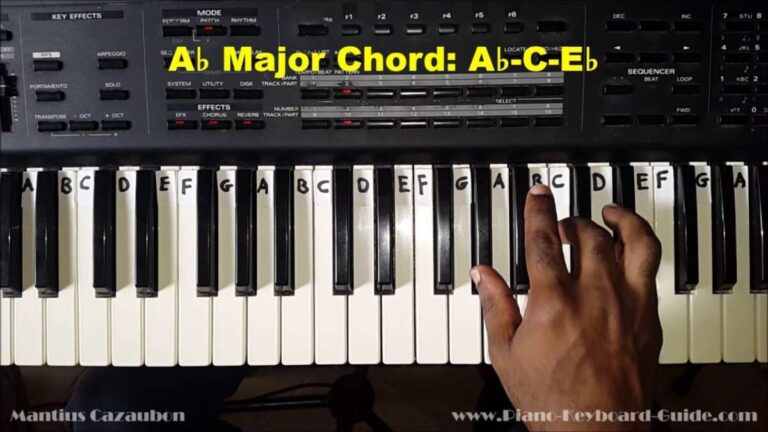
Consistency helps you learn where to place bass hand on piano. Many teachers start with the left thumb on middle C or the G below it, depending on the piece. Learn one comfortable default position. Then train your hand to move fluidly across octaves and low chords.
Shift practice is essential. Practice moving the left hand without looking. Rely on touch to map the keys. If you miss a note, reset and repeat slowly. Over time tactile memory will replace visual checking. This is useful for fast passages, walking bass lines, and accompaniment patterns.
Also learn to cross hands when music needs it. Left-hand crossover is common in romantic and modern pieces. Follow the printed fingering. Good fingering makes crossings smooth and musical.
Practical Exercises and Warmups for the Left Hand
Targeted drills will speed your progress. I include these in every practice session. They build strength, dexterity, and control. Use a metronome. Start slow. Increase speed only when your fingers stay relaxed.
Slow scales and arpeggios
Play one-octave left-hand scales at tempo 40–60 bpm. Use even finger spacing. Focus on even tone and relaxed wrist. Add arpeggios that match your repertoire. Two minutes per scale helps build muscle memory.
Hanon and Czerny-style drills
Short Hanon or Czerny exercises strengthen smaller finger muscles. Do 3–5 minutes daily. Keep the wrist flexible. Aim for steady rhythm and clear bass notes.
Octave and stretch drills
Practice octave shifts slowly. Move the whole arm, not just the fingers. Use wrist rotation to reach wider intervals. This reduces strain for small hands.
Silent mapping and tactile shifts
Close your eyes and find middle C, then move your left hand to G below or C one octave down. Repeat until you can land without looking. This builds tactile keyboard mapping and reduces visual dependency.
Rhythm and pulse practice
Play simple left-hand ostinatos over a metronome. Keep the pulse steady. This trains the left hand to supply a reliable rhythmic foundation for the right-hand melody.
Practical practice checklist
- Warm up for 5 minutes focusing on left-hand scales.
- Do 3 minutes of octave shifts and wrist rotation.
- Practice one accompaniment pattern for 5–10 minutes.
- End with slow, musical repetitions of a troublesome passage.
Common Mistakes, Fixes, and Technique Tips
Here are issues I see often and how to fix them quickly.
- Reaching with the fingers: Move the arm instead. Shift the hand early into the next position.
- Collapsed wrist: Raise the wrist slightly and keep it neutral.
- Holding breath: Breathe steadily. Tension drops when you exhale.
- Ignoring fingering: Follow or mark fingerings in the score. Good fingering saves effort.
- Over-practicing at speed: Slow practice builds accuracy. Speed comes later.
Small fixes make a big difference. Use short, focused practice sessions. I find 20–30 minutes of mindful work beats hours of distracted practice.

Frequently Asked Questions of where to place bass hand on piano
Should my left hand always stay below middle C?
Generally, yes. The left hand covers the lower register. But hands cross when music asks for it. Follow the printed fingering. That places you well for the next phrase. In ensemble playing, left-hand register can change to match the arrangement.
How do I stop my left hand from feeling stiff while playing?
Stiffness comes from tensing the shoulders or holding your breath. Breathe. Relax your shoulders. Let your arm weight hang from the shoulder. Short relaxation breaks help. Try shaking the hand gently between repetitions.
Does hand size affect where I place my bass hand?
Smaller hands may need more shifting. The principles stay the same. Use wrist rotation and arm movement to reach wider intervals. Consider octave doublings with the thumb and fifth finger, or redistribute notes between hands when needed.
Why is my bass hand weaker than my right hand?
Most people are right-hand dominant. The left hand needs targeted training. Practice left-hand scales, arpeggios, and slow chordal work. Over weeks, strength and independence improve. Teachers often assign left-hand-only practice for this reason.
How can I tell if my hand position is correct?
Your position is right if your forearm, wrist, and hand form a straight, relaxed line. You should not feel sharp pain. Mild fatigue is normal after practice, but pain is not. If you feel persistent pain, consult a teacher or a medical specialist for hand or tendon issues.
Conclusion
Finding where to place bass hand on piano is a basic skill that changes your playing. With relaxed posture, a curved hand shape, and consistent arm movement, your left hand will become steady and expressive. Every pianist starts where you are now. The key is mindful, regular practice. Start your next session by checking these points: shoulder relaxed, wrist neutral, thumb on a comfortable anchor note, and the arm moving to reach the next chord. Make small adjustments and track progress. Share your progress in the comments below or join our newsletter for more tips on refining your piano technique!

Senior Music Reviewer
Alex Carter is a seasoned music reviewer with over a decade of experience in the world of sound and instruments. Passionate about helping musicians and enthusiasts make informed choices, he brings sharp insights and in-depth knowledge to every review. From classical instruments to modern gear, Alex combines technical expertise with a love for music to deliver content that resonates with readers.
As a Senior Music Reviewer and expert author on Tuneluma.com, Alex is dedicated to sharing honest evaluations, practical advice, and thoughtful commentary to guide readers in their musical journey.