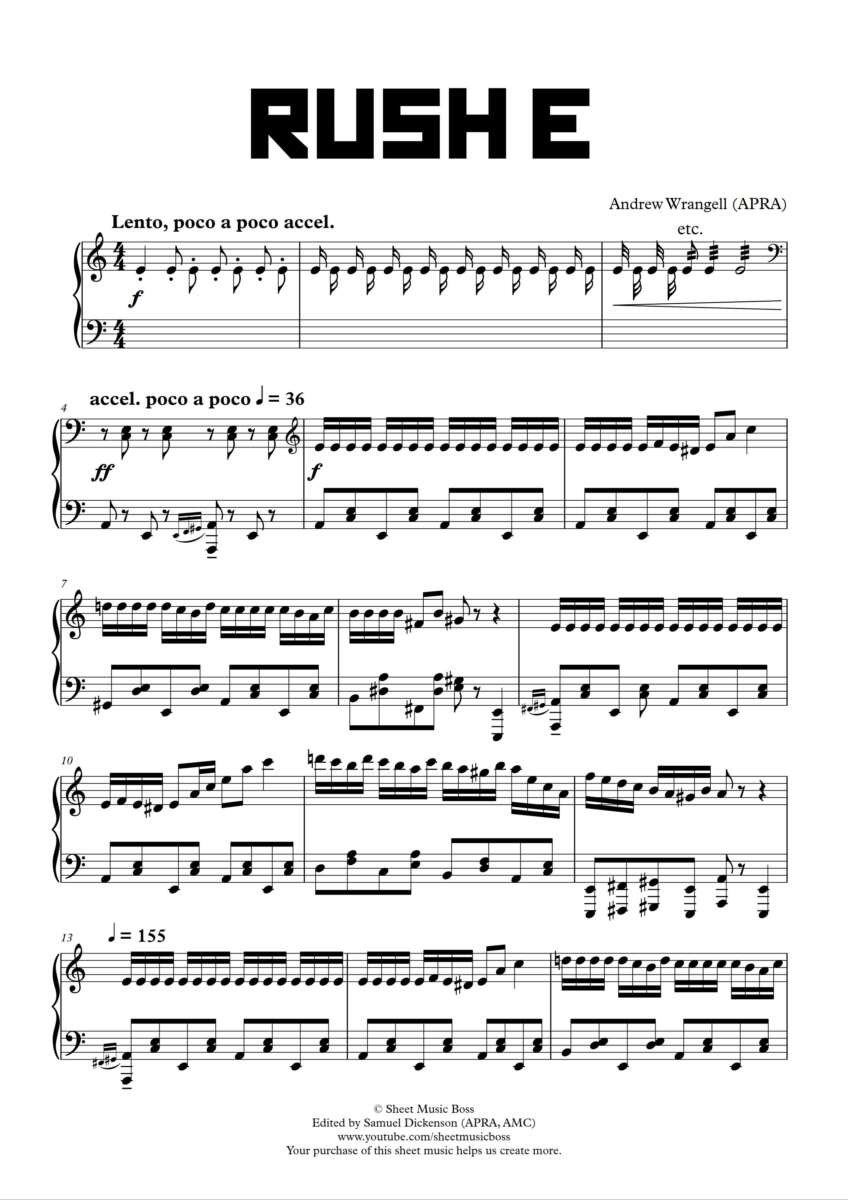
Is Rush E The Hardest Piano Song: Difficulty Explained
Rush E is not objectively the hardest piano song, but it is one of the most extreme viral piano challenges.
The question “is Rush E the hardest piano song” has a more complex answer than a simple yes or no. Rush E tests speed, coordination, rhythm, endurance, and sometimes physical limits, but its difficulty depends on the arrangement, the player, and whether the music is meant for human performance or MIDI playback.
What Is Rush E?
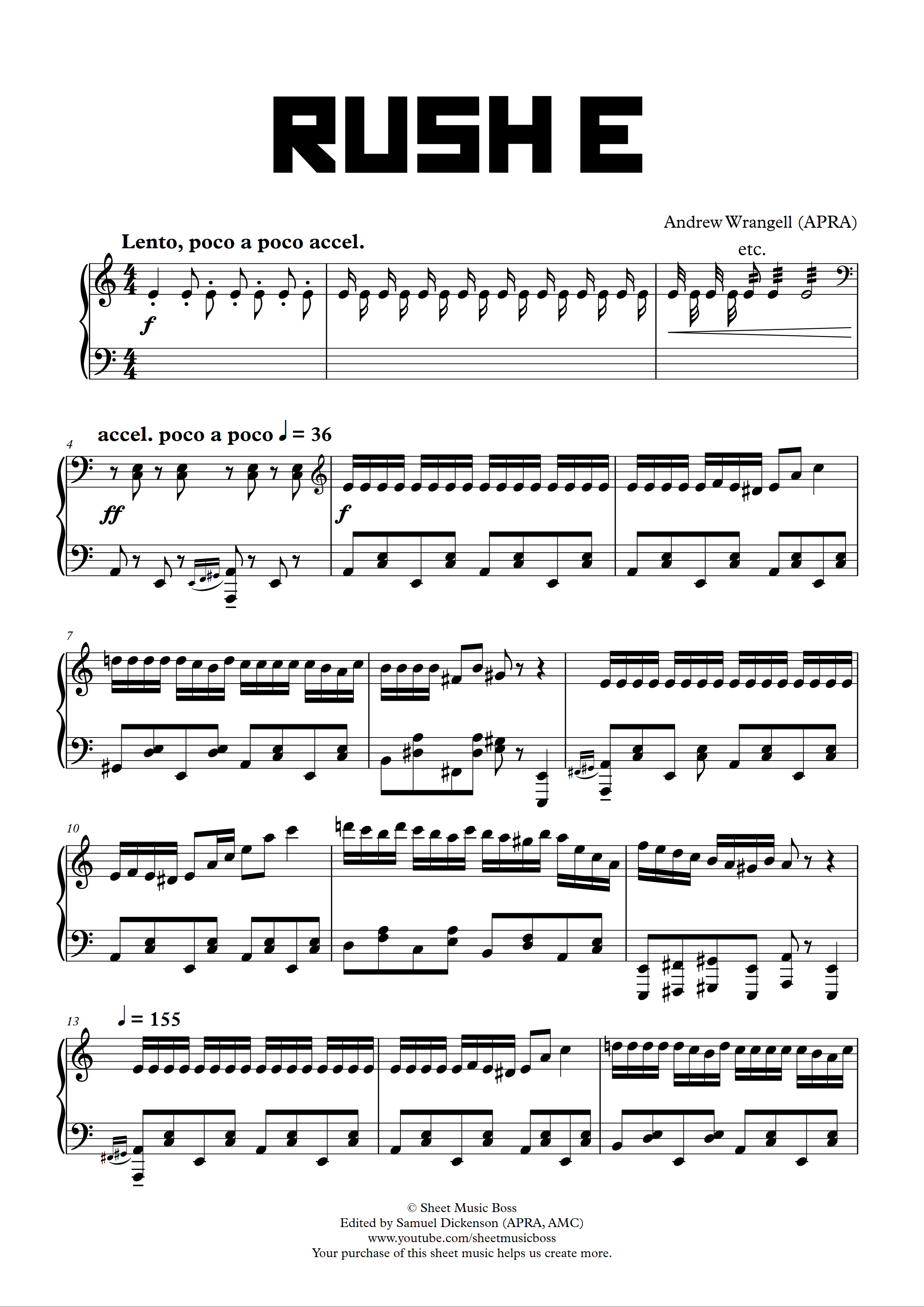
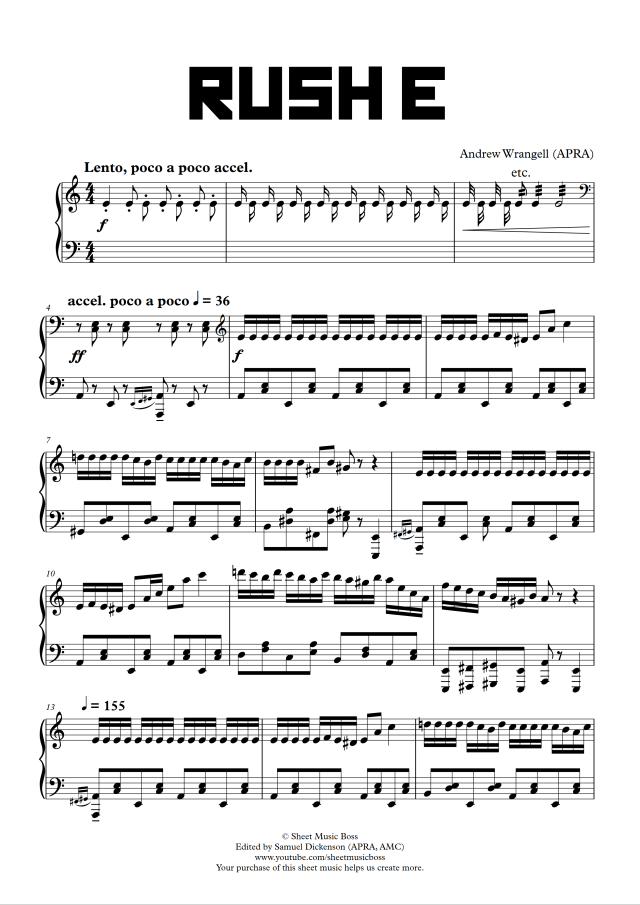
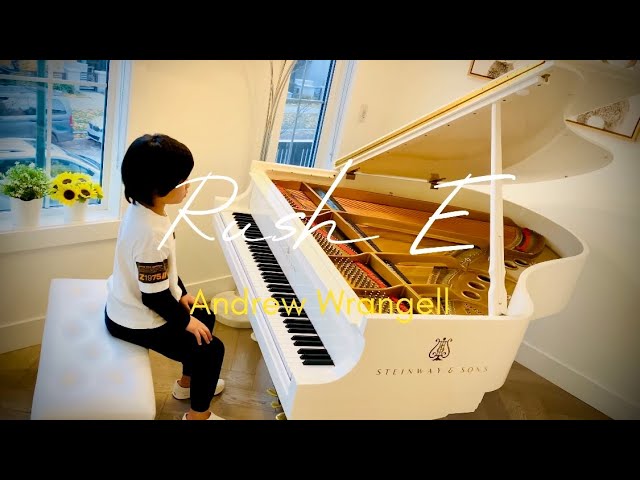
Rush E is a fast, chaotic piano piece associated with the online music brand Sheet Music Boss. It became famous through videos that show an impossible-looking piano arrangement filled with rapid notes, huge chords, repeated patterns, and sudden changes.
The piece is part of a humorous series built around songs that challenge the limits of piano performance. The “E” refers to the note E, which appears again and again in the music and gives the piece its identity.
Rush E is not a traditional classical work with one fixed score. Several versions and arrangements exist. Some are made for real pianists, while others are designed to be played by a computer-controlled piano.
That difference matters. A computer can play notes with perfect timing and repeat patterns at a speed that most humans cannot match. When people ask, “is Rush E the hardest piano song,” they may be thinking of the most extreme MIDI version rather than a playable human arrangement.

Is Rush E the Hardest Piano Song?
Rush E may be one of the hardest piano pieces ever shown online, but it is not possible to prove that it is the single hardest piano song.
There is no official worldwide ranking for piano difficulty. A piece can be hard because of speed, hand stretch, rhythm, memory, endurance, or musical control. Rush E scores very high in several of these areas, but other works are harder in different ways.
For example, some advanced classical pieces include:
• Extremely fast repeated notes
• Large leaps across the keyboard
• Complex polyrhythms
• Long sections that demand steady control
• Difficult musical expression
• Dense layers played by both hands
Rush E often focuses more on visual shock and technical overload. It creates the feeling that the piano is moving faster than the human body can respond. That makes it a powerful internet challenge, but not necessarily the most demanding piece in the full piano repertoire.
My practical answer is this: Rush E is among the hardest piano songs in its most extreme form, but calling it the hardest is more of a fun internet claim than a measured fact.

Why Rush E Sounds So Difficult
Rush E sounds difficult because it combines several demanding piano skills at once. Each skill can be manageable on its own, but the full mix can overwhelm even experienced players.
Very high note density
Some arrangements place many notes close together. The player must read, process, and play information at a speed that leaves almost no time for correction.
This is like trying to read a book while someone turns the pages several times per second. The challenge is not just finger speed. It is also the brain’s ability to recognize patterns quickly.
Fast repeated notes
Repeated notes can cause tension in the fingers, wrist, and forearm. If the player uses only finger strength, fatigue can appear very fast.
Good technique uses a loose wrist, small motions, and careful weight transfer. Even then, some passages in Rush E move beyond a safe human tempo.
Wide hand movement
The hands may jump between low and high parts of the keyboard. These jumps require accurate distance judgment and strong visual planning.
A single missed jump can disrupt the next group of notes. At a slower pace, the player can recover. At Rush E speed, one mistake can become several more.
Dense chords
Large chords require the fingers to press several keys at the same time. Some versions also use fast chord changes, which can be uncomfortable for players with smaller hands.
A pianist should never force a stretch that causes pain. Difficulty is not a reason to risk an injury.
Constant endurance
Rush E does not always give the player time to rest. Long, intense passages can strain the hands and make control worse as the piece continues.
This is similar to sprinting while solving a puzzle. The body wants to slow down, but the brain must remain accurate.
Human Performance Versus MIDI Playback
The biggest reason people debate whether Rush E is the hardest piano song is that online videos often mix human performance with automated playback.
A MIDI system can perform instructions with exact timing. It does not feel muscle fatigue, lose focus, or worry about hand size. It can also play notes that would require more fingers than a human has.
A real pianist faces limits that a computer does not:
• Two hands must control the entire arrangement
• Each hand has a limited number of fingers
• The wrists and arms need time to move
• Human reaction speed is not perfectly consistent
• Physical pain and fatigue affect accuracy
• Some chords may be impossible to reach comfortably
A MIDI file can also contain notes that overlap in ways no single performer could play. In that case, the file is better understood as a mechanical performance plan than a normal piano score.
This does not make Rush E less interesting. It simply changes the question. Instead of asking whether a human can play every note, we should ask which arrangement is being discussed.
When a simplified version is made for people, it may be very difficult but possible. When the full extreme version is used, the goal may be comedy, spectacle, or a test of piano software rather than a realistic recital performance.

How Rush E Compares With Other Difficult Piano Pieces
To judge Rush E fairly, it helps to compare it with several types of difficult piano music.
Rush E and classical virtuoso works
Works by composers such as Franz Liszt, Sergei Rachmaninoff, and Maurice Ravel can demand years of training. Their difficulty often includes speed, leaps, complex chords, layered rhythms, and deep musical expression.
A classical virtuoso piece may be slower than Rush E but harder to perform well. The pianist must control tone, balance, phrasing, timing, and emotion. Playing the notes is only one part of the task.
Rush E and La Campanella
Liszt’s “La Campanella” is known for wide leaps, delicate fast notes, and demanding control. It may not contain the same note overload as Rush E, but it requires refined accuracy and musical polish.
A player can hit the right notes in Rush E and still produce a rough performance. In “La Campanella,” uneven sound or poor balance can expose the weakness immediately.
Rush E and Rachmaninoff
Rachmaninoff’s advanced piano works often require large chords, powerful sound, broad movement, and long-term stamina. Players with smaller hands may face extra challenges.
Rush E can feel faster and more chaotic. Rachmaninoff can feel heavier and more physically demanding over a longer musical structure.
Rush E and modern competition pieces
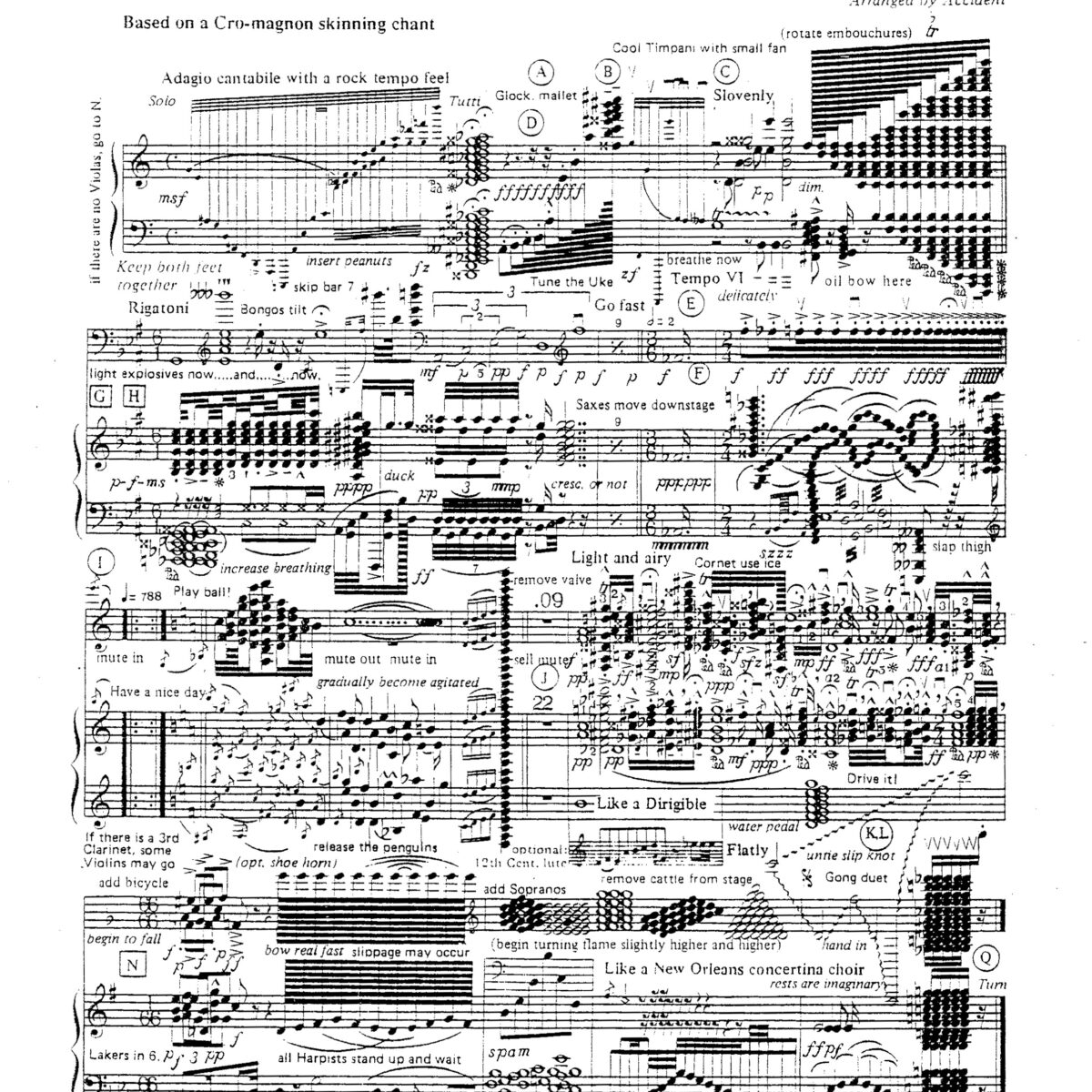
Some modern pieces use unusual rhythms, prepared piano effects, extended techniques, or complex layers. Their difficulty may not look dramatic in a short video.
This shows why visual speed is not the only measure of piano difficulty. A quiet piece can be harder to perform with control than a loud piece that mainly relies on speed.
The Main Limits of Calling Any Song “The Hardest”
The phrase “hardest piano song” has no universal meaning. Piano teachers, performers, and music exam systems assess difficulty in different ways.
A piece may be hard for one player and manageable for another. Hand size, training, sight-reading ability, practice habits, and past injuries all affect the result.
Difficulty also changes with the arrangement. A beginner version of Rush E is not equal to an advanced version. The same title can describe a simple melody, a full two-hand score, or an automated performance with impossible note combinations.
Other limits include:
• No single organization ranks every piano piece
• Internet versions may not use the same notes
• Some videos speed up or edit the performance
• A visualizer may show more notes than one person plays
• Technical difficulty does not always equal musical difficulty
• A fast performance may sacrifice sound quality
For that reason, a careful answer should avoid absolute claims. Rush E is extremely difficult in some forms, but “the hardest” depends on the standards being used.

Can a Real Pianist Play Rush E?
A real pianist can play simplified and carefully arranged versions of Rush E. The most extreme versions may not be physically realistic for one person to perform exactly as written.
Some skilled players may perform short sections at high speed. Others may use creative changes, such as removing inner notes, dividing parts between multiple players, or slowing the tempo.
This is common in piano arranging. A performer may preserve the main melody and rhythm while reducing notes that add spectacle but are not essential to the musical idea.
If you want to learn Rush E, start with a version labeled for human performance. Do not begin with the most complicated score you can find online.
A good learning plan looks like this:
- Listen to the piece and mark its main sections.
- Practice each hand alone at a slow tempo.
- Reduce difficult chords to their main notes.
- Use a metronome and increase speed gradually.
- Relax your shoulders, wrists, and fingers.
- Join short sections instead of forcing the whole song.
- Stop if you feel sharp pain, numbness, or tingling.
The goal is not to prove that you can suffer through the piece. The goal is to build control without harming your hands.
A Practical Way to Measure Rush E Difficulty
Instead of asking only, “is Rush E the hardest piano song,” use a simple test that measures the exact challenge.
Rate the arrangement from one to five in each area:
• Speed: How fast do the notes move?
• Accuracy: How difficult is it to hit the correct keys?
• Range: How far must the hands travel?
• Chords: How large and complex are the shapes?
• Rhythm: How hard are the timing patterns?
• Endurance: How long can you play without losing control?
• Musicality: How much expression and balance does the piece require?
This method gives a clearer answer than a single label. One Rush E arrangement may score five for speed and four for endurance but only two for musical expression. A classical work may score four in speed and five in expression.
In my practical view, this is the best lesson from the Rush E debate. Difficulty is not one mountain. It is a group of hills, and different songs make you climb different ones.
Common Mistakes When Learning Rush E
Many players approach Rush E with excitement but use methods that create tension and frustration.
Starting too fast
Trying to match an online video at once is a common mistake. Fast practice often teaches the hands to repeat errors.
Use a slow tempo where you can stay relaxed. Speed should grow from accuracy, not replace it.
Practicing only the hardest part
Players sometimes repeat one impossible bar for an hour. This can create fatigue without solving the real problem.
Practice the movement before and after the hard section. Transitions are often harder than the notes themselves.
Using too much force
Heavy pressing does not create better speed. It usually creates stiffness.
Let the keys do their work. Keep the motion small and use the arm when a passage needs movement across the keyboard.
Ignoring musical shape
Rush E is often treated as a joke, but a strong performance still benefits from rhythm and structure. Even a fast arrangement needs clear accents and a steady pulse.
If every note has the same force, the result can sound like noise. Musical shape helps the listener follow the chaos.
Treating pain as progress
Pain is not a sign that practice is working. Stop and rest when your body sends a warning.
A teacher or qualified medical professional can help if discomfort continues. No viral piano challenge is worth a lasting injury.

Why Rush E Became So Popular
Rush E became popular because it turns piano difficulty into a visual and cultural event. Viewers can instantly understand the joke when a score contains an absurd number of notes.
The piece also works well on video platforms. Animated keyboards, falling-note displays, and mechanical pianos make the challenge easy to watch, even for people who do not play piano.
Its popularity comes from several factors:
• It is simple to recognize
• The “impossible piano” idea is entertaining
• The letter E creates a memorable theme
• Players can share covers and simplified versions
• Viewers enjoy comparing human skill with machines
• The piece invites humor and friendly competition
That cultural impact is important, but popularity does not prove technical superiority. A song can become famous because it is fun, dramatic, and easy to share.
Frequently Asked Questions About Is Rush E the Hardest Piano Song
Is Rush E impossible to play on piano?
The most extreme versions may be impossible for one human pianist to play exactly as written. However, simplified and human-friendly arrangements can be learned by advanced players.
What makes Rush E so hard?
Rush E combines rapid notes, repeated patterns, wide jumps, large chords, and long periods of intense playing. The hardest versions may also contain more simultaneous notes than a human can physically perform.
Is Rush E harder than La Campanella?
There is no universal answer. Rush E may be harder for speed and note density, while La Campanella demands exceptional leaps, precision, tone control, and musical expression.
Can a beginner learn Rush E?
A beginner can learn a simple melody or reduced arrangement, but the advanced versions are not a good starting point. Basic scales, chords, rhythm, and hand independence should come first.
Is Rush E a real piano song or a meme?
Rush E is a real musical composition and online piano challenge, but it is also strongly connected to meme culture. Different versions range from playable arrangements to highly exaggerated MIDI performances.
Does playing Rush E make someone an expert pianist?
Not by itself. Rush E can build speed and coordination, but expert piano playing also requires tone control, rhythm, sight-reading, musical interpretation, technique, and a broad range of repertoire.
Conclusion
So, is Rush E the hardest piano song? Not in any proven or universal sense. It is one of the most extreme and recognizable online piano challenges, especially in its full MIDI form, but other pieces may be harder in musical control, endurance, rhythm, or physical technique.
The smartest way to approach Rush E is to choose a playable arrangement, slow the tempo, protect your hands, and measure progress by control rather than speed alone. Try a suitable version, compare it with other advanced pieces, and share your experience with fellow piano players.

Senior Music Reviewer
Alex Carter is a seasoned music reviewer with over a decade of experience in the world of sound and instruments. Passionate about helping musicians and enthusiasts make informed choices, he brings sharp insights and in-depth knowledge to every review. From classical instruments to modern gear, Alex combines technical expertise with a love for music to deliver content that resonates with readers.
As a Senior Music Reviewer and expert author on Tuneluma.com, Alex is dedicated to sharing honest evaluations, practical advice, and thoughtful commentary to guide readers in their musical journey.