
What Guitar Is Used In The Solo For Comfortably Numb: Answer
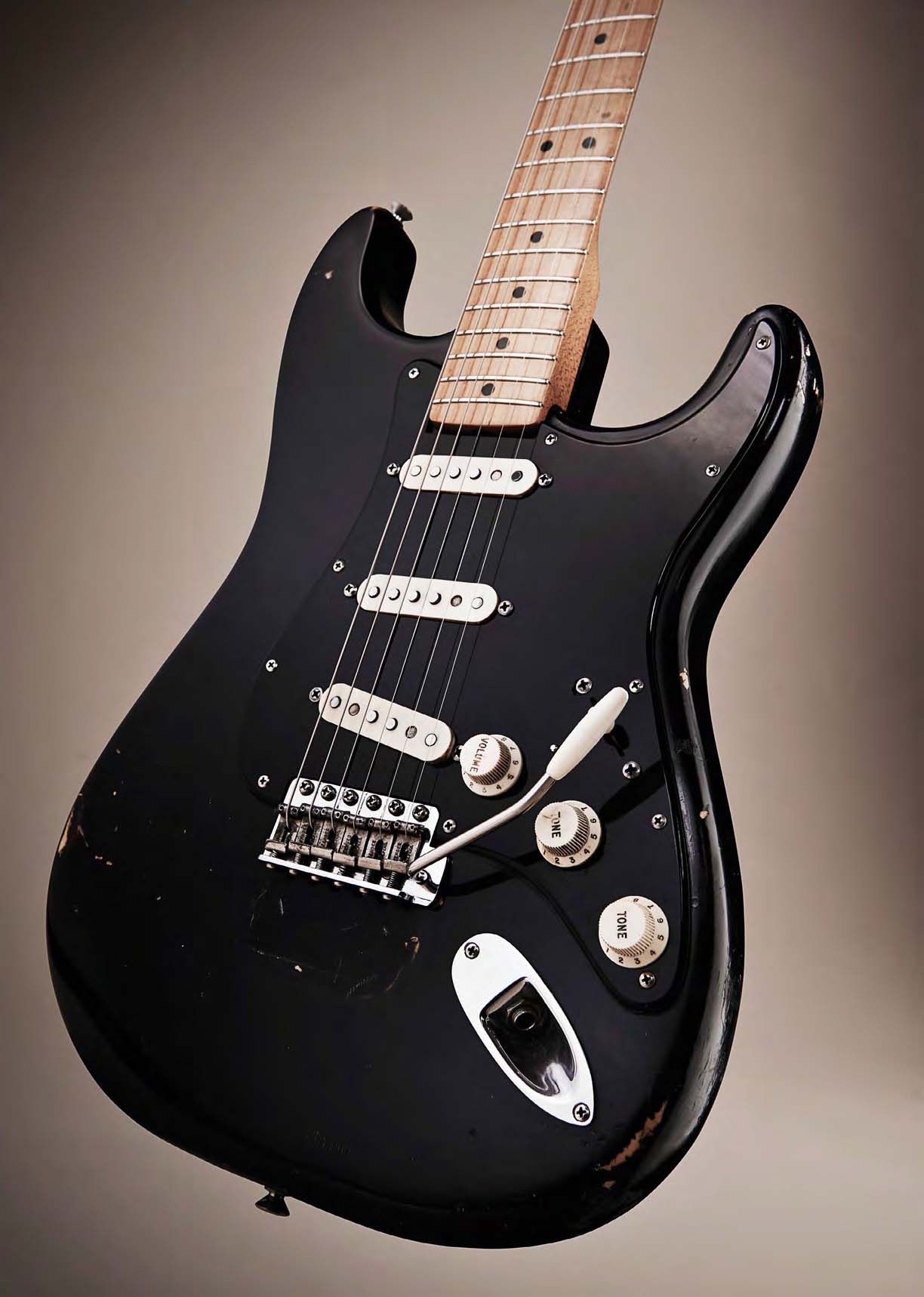
The Comfortably Numb solo is most closely linked to David Gilmour’s famous black Fender Stratocaster.
Few guitar solos are as loved as David Gilmour’s work on “Comfortably Numb.” The guitar sounds warm, wide, and almost vocal, yet the exact instrument story is more complex than many quick gear lists suggest. This guide explains what guitar is used in the solo for “Comfortably Numb,” how the studio and live versions differ, and how you can achieve a similar sound with practical gear and technique.
What guitar is used in the solo for “Comfortably Numb”?
The guitar most associated with the “Comfortably Numb” solo is David Gilmour’s black Fender Stratocaster, widely known as the “Black Strat.” It became his main performance guitar and helped define the clear, singing tone heard across much of Pink Floyd’s classic work.
However, there is no perfect one-line answer for every version of the song. The studio recording, later live performances, and different tours did not always use the same guitar, pickups, or effects.
The safest answer is this:
• The famous studio and live sound is strongly linked to a Fender Stratocaster.
• David Gilmour’s Black Strat is the guitar most fans connect with the performance.
• Some gear records and expert discussions identify other Stratocasters or an Esquire for specific overdubs and versions.
• The guitar alone does not create the sound. The amplifier, effects, fingers, volume control, and phrasing matter just as much.
So, when someone asks what guitar is used in the solo for “Comfortably Numb,” the most useful answer is “a Fender Stratocaster, especially Gilmour’s Black Strat.”

David Gilmour’s Black Stratocaster
The Black Strat was not simply a standard guitar pulled from a shop wall. Gilmour modified it over many years, and its parts changed as his playing and touring needs changed.
The guitar is generally described as a late 1960s Fender Stratocaster body with a replacement neck and several hardware changes. It used the familiar Stratocaster layout, with three single coil pickups, a synchronized tremolo bridge, and the bright response that players expect from a Strat.
Gilmour’s Black Strat became closely tied to Pink Floyd albums, concerts, and music videos. It was later sold at auction, where it became one of the most valuable electric guitars ever sold. That history adds to its fame, but its real importance comes from the music made with it.
The guitar helped produce several qualities heard in the solo:
• A smooth top end without harsh treble
• Clear notes that remain strong during long bends
• A slightly glassy Stratocaster attack
• Strong sustain from the amplifier and effects
• Enough warmth to make the guitar sound almost like a human voice
The Black Strat was also fitted with different pickup systems over time. In later years, Gilmour used EMG active pickups in some of his main guitars. That means a modern live tone may not match the original studio tone, even if both guitars look similar.

Was the first solo played on the same guitar?
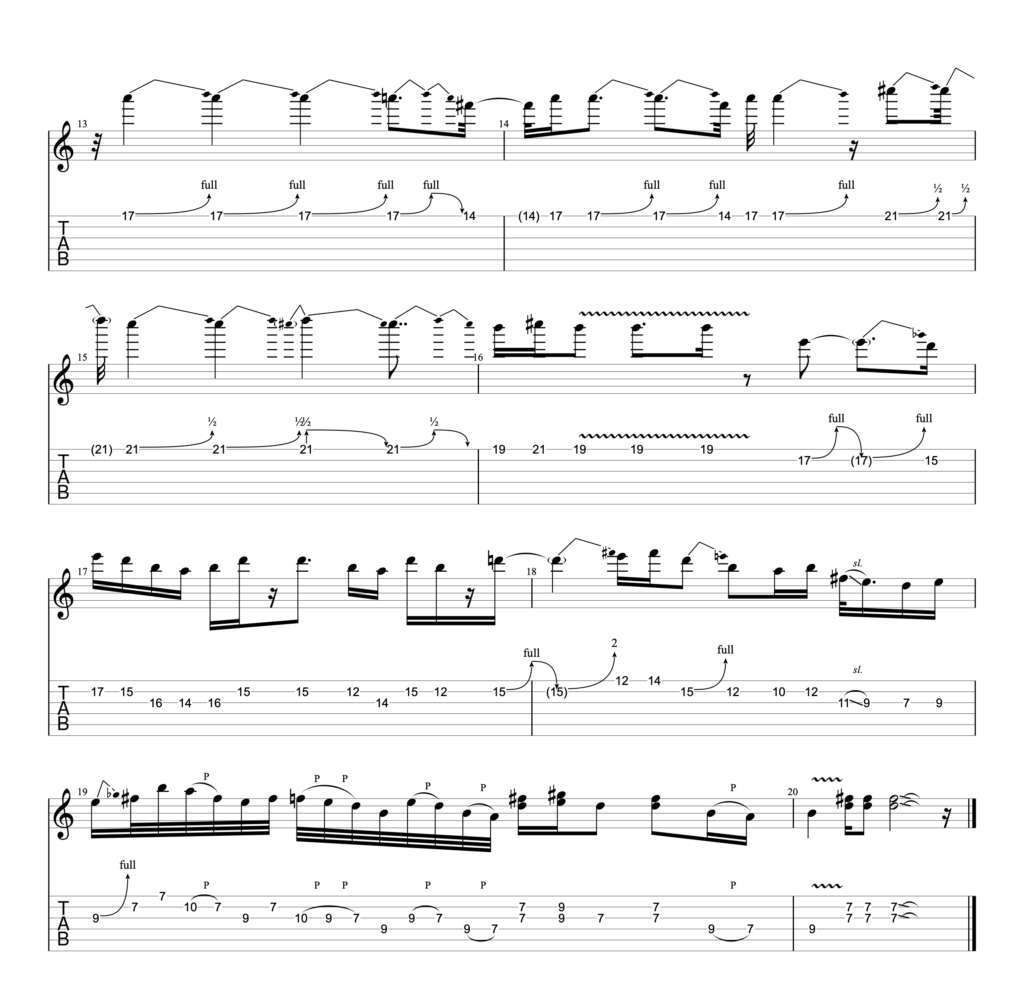
The song has two major guitar solos. The shorter first solo appears after the vocal sections, while the longer final solo builds toward the emotional peak of the track.
Many reliable gear discussions connect the solos with Fender Stratocasters. Still, the exact guitar used for every overdub is not fully documented in a way that removes all debate. Studio sessions often involve several guitars, replacement parts, layered takes, and later edits.
Some accounts suggest that another Fender guitar, including an Esquire, may have been used for a specific part or overdub. Other accounts identify a Stratocaster for the main solo work. These details can vary because people often describe the famous live version rather than the original recording.
It is better to say that the Fender Stratocaster created the signature identity of the solo than to claim that one exact guitar explains every note. This distinction matters for players trying to recreate the sound.

What makes the “Comfortably Numb” guitar tone special?
The tone works because it balances power and restraint. Gilmour does not attack every note with heavy force. Instead, he lets each phrase rise, bend, pause, and resolve.
A typical signal chain connected with the classic sound includes:
• Fender Stratocaster or a similar three single coil guitar
• Clean or slightly driven tube amplifier
• Compressor for sustain and even volume
• Overdrive or distortion for added thickness
• Delay for space and repeat
• Reverb for depth
The exact pedals changed across recordings and tours. Gilmour has used equipment from brands such as Big Muff, Electro-Harmonix, MXR, Boss, Pete Cornish, and others at different points in his career.
The famous lead tone is not extreme distortion. Too much gain can hide the small changes in touch that make the solo expressive. A medium amount of drive usually works better than a heavily saturated metal sound.
The delay is also important. A short or medium repeat can make the notes feel larger without making the line unclear. Reverb then places the guitar farther back in the mix, like a voice echoing across a large room.
How the guitar settings shape the sound
If you want to know what guitar is used in the solo for “Comfortably Numb,” it helps to understand the Stratocaster controls.
Gilmour’s tone is often associated with the bridge pickup for a strong, focused lead sound. The bridge pickup can sound sharp on its own, so players often reduce the guitar tone control slightly or use a warm amplifier setting.
Useful starting settings include:
• Bridge pickup or bridge and middle pickup
• Guitar volume at 10 for the main lead
• Tone control between 6 and 8
• Moderate amplifier treble
• Strong midrange
• Controlled bass
• Medium gain
• Delay mixed below the dry guitar signal
These are starting points, not fixed rules. Your amplifier, pickups, room, and playing style will change the result.
A common mistake is to copy a famous pedal setting without matching the amplifier. A bright amp with a bright bridge pickup can become thin and sharp. If that happens, lower the treble first, add a little middle, and soften your picking hand.

How to play the solo like David Gilmour
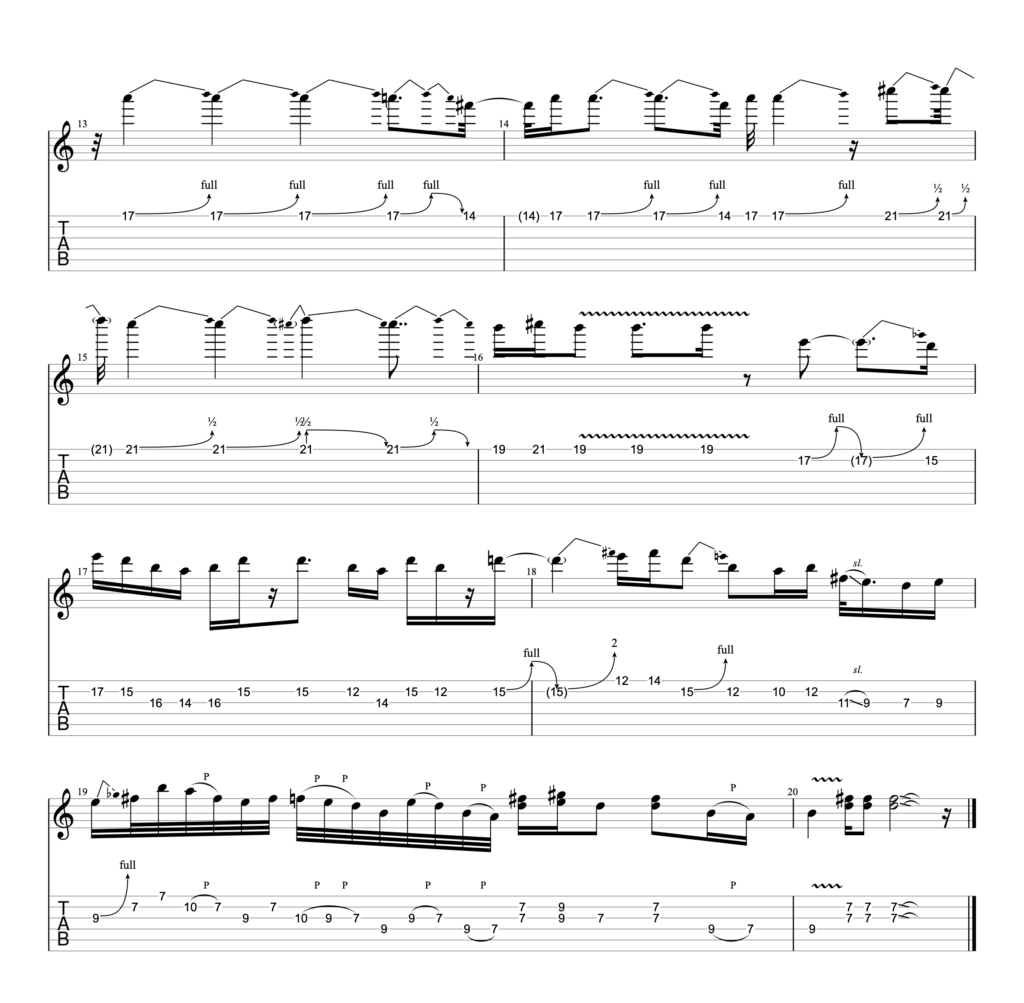
The guitar used in the solo for “Comfortably Numb” matters, but technique matters more than brand. Gilmour’s phrasing gives the solo its emotional weight.
Focus on these details:
• Bend slowly and reach the note accurately.
• Add wide, controlled vibrato after the bend.
• Leave space between phrases.
• Hold important notes longer than feels necessary.
• Pick softly before increasing volume.
• Use the guitar volume control to clean up the tone.
• Listen for the pitch at the top of each bend.
The solo is a lesson in patience. Many players rush because they are focused on playing the correct notes. Gilmour creates tension by allowing notes to breathe.
Try singing each phrase before playing it. This simple exercise helps you hear the musical destination of the line. Then play the phrase with fewer notes and more control. The result often sounds closer to Gilmour than using more distortion or expensive equipment.
A useful practice method is:
-
Learn the notes slowly with a metronome.
-
Practice every bend against the target pitch.
-
Remove the backing track and play the phrases alone.
-
Add vibrato only after the bends are accurate.
-
Record yourself and check whether the pauses feel natural.

Studio guitar versus live guitar
The answer to what guitar is used in the solo for “Comfortably Numb” changes slightly when comparing the studio recording with live performances.
The original recording was made during the late 1970s, while Gilmour’s later live performances used updated guitars and equipment. He has performed the song with several Stratocaster-style instruments, including guitars fitted with active EMG pickups and custom electronics.
The 1994 Pulse performance is especially famous. Many listeners associate that version with Gilmour’s large-scale live rig, which included powerful effects, carefully shaped delays, and a strong clean lead tone.
Later performances may use custom Fender Stratocasters or other instruments designed to reproduce the feel of the Black Strat. The visual design can be similar, but the internal electronics may be very different.
This is why copying a live rig exactly may not recreate the studio tone. The recording was shaped by microphones, studio mixing, tape processing, and multiple layers. A home player needs to copy the sound’s main features, not every historical part number.
Best modern guitars for the same sound
You do not need a vintage Fender to play the “Comfortably Numb” solo. A well-set-up Stratocaster-style guitar can work very well.
Good choices include:
• Fender Player Stratocaster
• Fender Vintera or American Professional Stratocaster
• Squier Classic Vibe Stratocaster
• G&L Legacy
• Yamaha Pacifica with a suitable bridge pickup
• Custom Strat-style guitars with low to medium output pickups
Look for a guitar with:
• Three single coil pickups or Strat-style pickup positions
• A comfortable tremolo bridge
• Stable tuning
• A smooth neck
• A bridge pickup that is clear but not painfully bright
A humbucker-equipped guitar can also work. It may produce a thicker and darker sound, but you may need less gain and more treble to keep the notes open.
The most important upgrade is often a professional setup. Correct neck relief, fresh strings, accurate intonation, and a comfortable action can improve the playing experience more than a costly pickup change.

A practical “Comfortably Numb” rig on a budget
You can get close to the sound without buying rare equipment. Start with a Stratocaster-style guitar and a clean amplifier with enough headroom.
Try this simple setup:
• Use the bridge pickup.
• Set the amp gain around 3 or 4 out of 10.
• Keep the bass near 4.
• Set the middle around 6.
• Set the treble near 5.
• Add a light compressor.
• Add moderate overdrive.
• Set delay to roughly 350 to 450 milliseconds.
• Use two or three repeats.
• Add a small amount of reverb.
The exact delay time is not a strict rule. Set it by ear so the repeats support the phrase rather than compete with it.
If your tone sounds weak, add mids and reduce excess treble. If it sounds muddy, lower the gain and shorten the delay mix. If it lacks sustain, try a compressor before adding more distortion.
This approach teaches an important lesson: a balanced signal chain usually sounds more convincing than a collection of extreme settings.
Common mistakes when copying the solo tone
Many players search for what guitar is used in the solo for “Comfortably Numb” and then focus only on the instrument. That can lead to disappointing results.
Avoid these common mistakes:
• Using too much distortion
• Setting the treble too high
• Ignoring bend accuracy
• Adding too much delay
• Playing every note at the same volume
• Copying settings designed for a different amplifier
• Forgetting to tune the guitar carefully
• Using old strings with poor intonation
The largest mistake is rushing the phrasing. Gilmour’s solo sounds powerful because it moves from quiet tension to a wide emotional release. Think of it as a conversation, not a race.
Another mistake is expecting a plugin or pedal to fix weak technique. Effects can add color, but they cannot correct an out-of-tune bend or stiff vibrato. Practice the hands first, then refine the equipment.
Frequently Asked Questions
What guitar is used in the solo for “Comfortably Numb”?
The solo is most strongly associated with David Gilmour’s black Fender Stratocaster, known as the Black Strat. Some recording and gear accounts suggest that other Fender guitars may have been used for particular overdubs or versions.
Is the “Comfortably Numb” solo played on a Stratocaster?
Yes, the signature sound is closely tied to Fender Stratocasters. The exact guitar may differ between the studio recording and later live performances.
Did David Gilmour use the Black Strat for the whole song?
The Black Strat is strongly linked to the song and its famous guitar work, but complete session records do not always confirm one guitar for every rhythm part and overdub. Different versions also used different instruments and electronics.
What pickup did David Gilmour use for the solo?
The bridge pickup is a common starting point for the bright, focused lead sound. Pickup choice changed across guitars and periods, so the amplifier, effects, and playing touch must also be considered.
Can a Squier Stratocaster play the “Comfortably Numb” solo?
Yes. A properly set-up Squier Stratocaster can produce a convincing version of the sound with suitable gain, delay, reverb, and careful bending.
What pedal creates the “Comfortably Numb” solo tone?
No single pedal creates the complete tone. A moderate overdrive or fuzz, compressor, delay, and reverb can provide the main ingredients, but the amplifier and phrasing are equally important.
Conclusion
The best answer to what guitar is used in the solo for “Comfortably Numb” is David Gilmour’s black Fender Stratocaster, widely known as the Black Strat. Still, the full story includes other guitars, changing pickups, different live rigs, and studio production choices.
The sound comes from more than the instrument. Use a Strat-style guitar, moderate drive, controlled delay, a warm amplifier setting, and accurate bends. Most of all, study Gilmour’s space, vibrato, and patient phrasing.
You can start with the guitar you already own, record your progress, and adjust one part of the signal chain at a time. Explore the solo slowly, listen closely, and share your favorite setup or playing tips in the comments.

Senior Music Reviewer
Alex Carter is a seasoned music reviewer with over a decade of experience in the world of sound and instruments. Passionate about helping musicians and enthusiasts make informed choices, he brings sharp insights and in-depth knowledge to every review. From classical instruments to modern gear, Alex combines technical expertise with a love for music to deliver content that resonates with readers.
As a Senior Music Reviewer and expert author on Tuneluma.com, Alex is dedicated to sharing honest evaluations, practical advice, and thoughtful commentary to guide readers in their musical journey.