
How To Conduct As A Drum Major: Drum Major Guide
To conduct as a drum major, use clear gestures, steady tempo, strong posture, and calm leadership at every moment.
Learning how to conduct as a drum major takes more than waving a baton. You must guide tempo, shape musical expression, control movement, and earn trust from the entire ensemble. This guide explains how to conduct as a drum major with practical steps, rehearsal methods, common mistakes, and proven leadership habits.

What Does a Drum Major Do?
A drum major is the visual and musical leader of a marching band, parade band, or drum corps. The role combines conducting, communication, discipline, performance, and crowd awareness.
A drum major may lead the group during:
• Marching rehearsals
• Field shows
• Parades
• Competitions
• Concert entrances and exits
• Warmups and ceremonies
• School or community events
Learning how to conduct as a drum major begins with understanding this wider role. Your hands show the beat, but your whole body communicates confidence, urgency, calm, and style.
A strong drum major also watches for safety. You must understand spacing, traffic, weather, field conditions, and the physical limits of the performers. A perfect conducting pattern is not useful if the group cannot see it or move safely.
The best drum majors act like a bridge. They connect the director’s plan with the performers’ actions. They also connect the band with the audience.

The Core Skills You Need
Before learning advanced gestures, build the basic skills that make conducting clear. These skills support every part of how to conduct as a drum major.
Musical knowledge
You should understand:
• Time signatures
• Tempo markings
• Measures and phrases
• Pickups and entrances
• Cutoffs
• Dynamics
• Articulation
• Balance and blend
• Musical style
You do not need to be the best musician in the band. However, you must know enough music to recognize when the ensemble is early, late, too loud, too soft, or out of balance.
Clear body language
Your gestures should be easy to read from a distance. Keep them large enough for the back row but controlled enough to avoid confusion.
Your posture should show:
• An upright chest
• Relaxed shoulders
• A level head
• Soft knees
• Balanced feet
• Open and visible arms
Tension makes movements look small and stiff. Too much looseness makes them look unclear. Aim for relaxed control.
Strong listening skills
Conducting is not only visual. You must listen while you lead.
Listen for the center of the sound. In many bands, the snare line, front ensemble, or low brass may help establish the pulse. Still, every section affects the full sound. Your job is to hear the entire group rather than focus on one favorite section.
Fast decision-making
Live performances rarely go exactly as planned. A performer may miss a set, a prop may move, or a starting note may not sound. A good drum major stays calm and makes the next clear choice.
Panicked gestures spread panic. Calm gestures give the band a chance to recover.

How to Conduct as a Drum Major: Master the Basic Beat Pattern
The most important part of how to conduct as a drum major is learning reliable beat patterns. Your pattern should show where each beat happens.
Use your conducting hand as the main time hand. Keep the motion consistent and easy to predict.
The two-beat pattern
A two-beat pattern works well for music in 2/4 or 2/2 time.
• Beat one moves down
• Beat two moves up
The bottom of the down motion marks beat one. The top of the upward motion marks beat two.
Keep the pattern compact at first. Practice with a metronome before making the gestures larger for a marching band.
The three-beat pattern
A three-beat pattern is common in 3/4 time.
• Beat one moves down
• Beat two moves out to the side
• Beat three moves up
Think of the pattern as a triangle. Beat one is at the bottom. Beat two moves toward your right side. Beat three returns upward.
The pattern should look like a smooth triangle, not three separate punches.
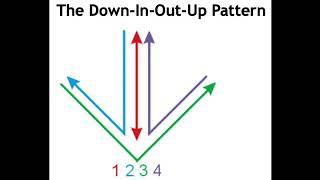
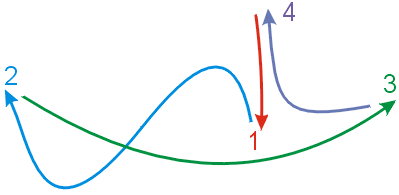
The four-beat pattern
A four-beat pattern is common in 4/4 time.
• Beat one moves down
• Beat two moves across your body
• Beat three moves toward the opposite side
• Beat four moves up
Many conductors use a pattern that travels from the center to one side, then the other, before returning to the top. The exact direction may vary by tradition, but consistency matters most.
The six-beat pattern
A six-beat pattern may appear in 6/8 music. It can be conducted as six smaller beats or as two larger pulses, depending on the tempo and musical style.
For fast 6/8 music, two large beats often make the pulse easier to see. For slower music, six clear beats may help the performers place notes accurately.
Always follow the director’s preference. The goal is not to display a complex pattern. The goal is to make the music clear.
How to Conduct as a Drum Major During a March
Marching music needs a steady pulse. Small changes in tempo can affect alignment, spacing, and visual timing.
When learning how to conduct as a drum major during a march, focus on three things: pulse, projection, and recovery.
Establish the tempo
Before the first note, show the tempo through a clear preparatory gesture. Many conductors use one or two count-off gestures before the music begins.
For example:
- Set your posture and focus.
- Show the preparatory beat.
- Give the entrance on the correct count.
- Continue the pattern without hesitation.
Do not rush the first beat. A slow, calm preparation often creates a stronger start than a fast motion.
Keep the pulse steady
Your beat should feel like a firm walking pace. Avoid changing the size or speed of the pattern without a musical reason.
If the band begins to drag, do not simply wave faster. Make the beat more direct and slightly more energetic. If the group rushes, slow the motion with control and make each beat easy to locate.
Match the style
A military march, a parade tune, and a modern field production may need different conducting styles. The beat remains clear, but the character changes.
You may use:
• A firm pattern for a traditional march
• A broad pattern for a lyrical section
• A sharp pattern for accented music
• A smooth pattern for sustained phrases
Your gestures should support the music rather than compete with it.
Recover from mistakes
If the ensemble loses time, keep conducting. Do not stop unless the director gives that instruction.
Find the next major pulse. Use a stronger gesture for the next important entrance. Your calm response can help the band reconnect without drawing attention to the mistake.
How to Conduct as a Drum Major on the Field
Field conducting requires larger movements than indoor conducting. Performers may be spread across a large area, and some may view you from the side or rear.
Learning how to conduct as a drum major on the field means thinking about sightlines, distance, and timing.
Make gestures visible
Use your shoulders and upper arms, not only your wrists. Keep your hands in a visible area and avoid hiding one hand behind your body.
Your gestures should be large enough to read but not so large that the beat becomes vague. A huge circle can look dramatic while giving poor timing information.
Face the ensemble
Your body should face the main group whenever possible. If the formation moves, turn with purpose. Avoid twisting only your neck while your shoulders face another direction.
The ensemble should know where your attention is. A square chest and clear head position make your intent easier to read.