How Much Is A Spinet Piano: 2026 Cost Guide
A used spinet piano usually costs $500 to $2,500, while restored models may sell for $3,000 or more.
Wondering how much is a spinet piano is a smart first step before you visit a dealer or arrange a moving truck. The price depends on age, brand, condition, tuning history, location, and moving costs. This guide explains the real cost of owning one, how to spot a fair deal, and when a spinet piano is worth buying.

How Much Is a Spinet Piano?
Most used spinet pianos cost between $500 and $2,500 in the United States. Older or damaged models may sell for $100 to $500, while clean, tuned, well-known brands can reach $2,000 to $3,500.
A fully restored spinet piano may cost more. Some restored examples sell for $3,000 to $6,000, although the market is limited because many players prefer larger uprights or digital pianos.
Here is a simple price guide:
| Spinet piano condition | Typical price |
|---|---|
| Free or heavily damaged | $0 to $300 |
| Basic used model | $300 to $800 |
| Fair, playable model | $800 to $1,500 |
| Clean and recently serviced | $1,500 to $2,500 |
| High-quality or restored model | $2,500 to $6,000+ |
These figures are general estimates, not fixed values. In some areas, sellers may give away a spinet because moving it costs more than the piano’s resale value. In cities with strong demand for acoustic pianos, the same model may sell for more.
When asking how much is a spinet piano, remember that the sale price is only part of the budget. Delivery, tuning, repairs, and humidity control can add several hundred dollars.
What Is a Spinet Piano?
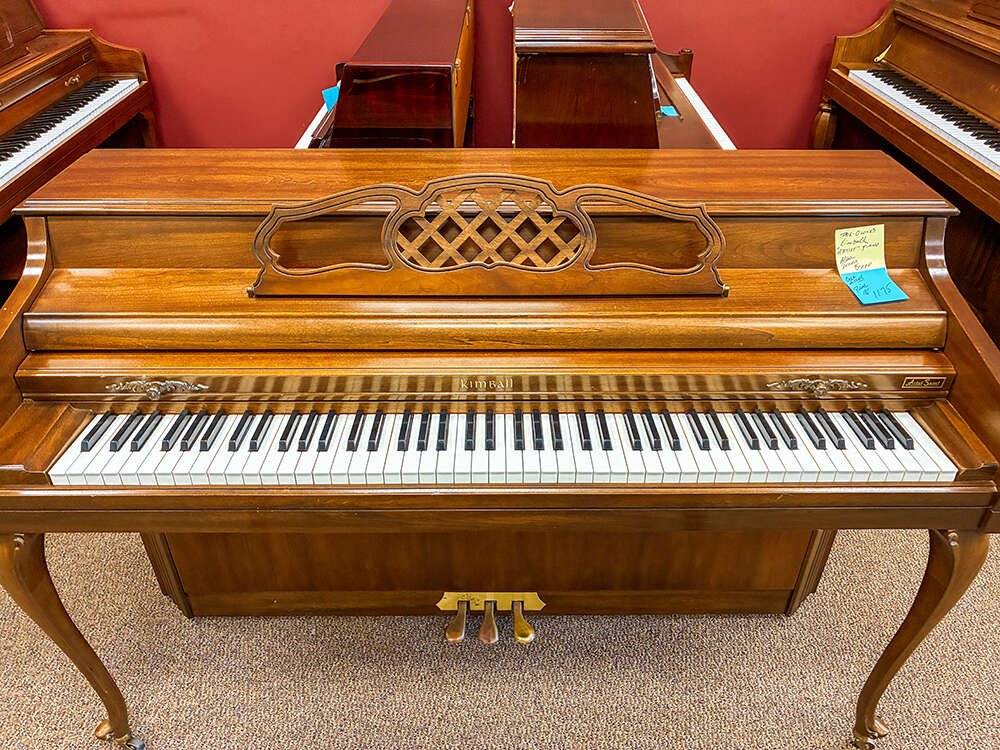
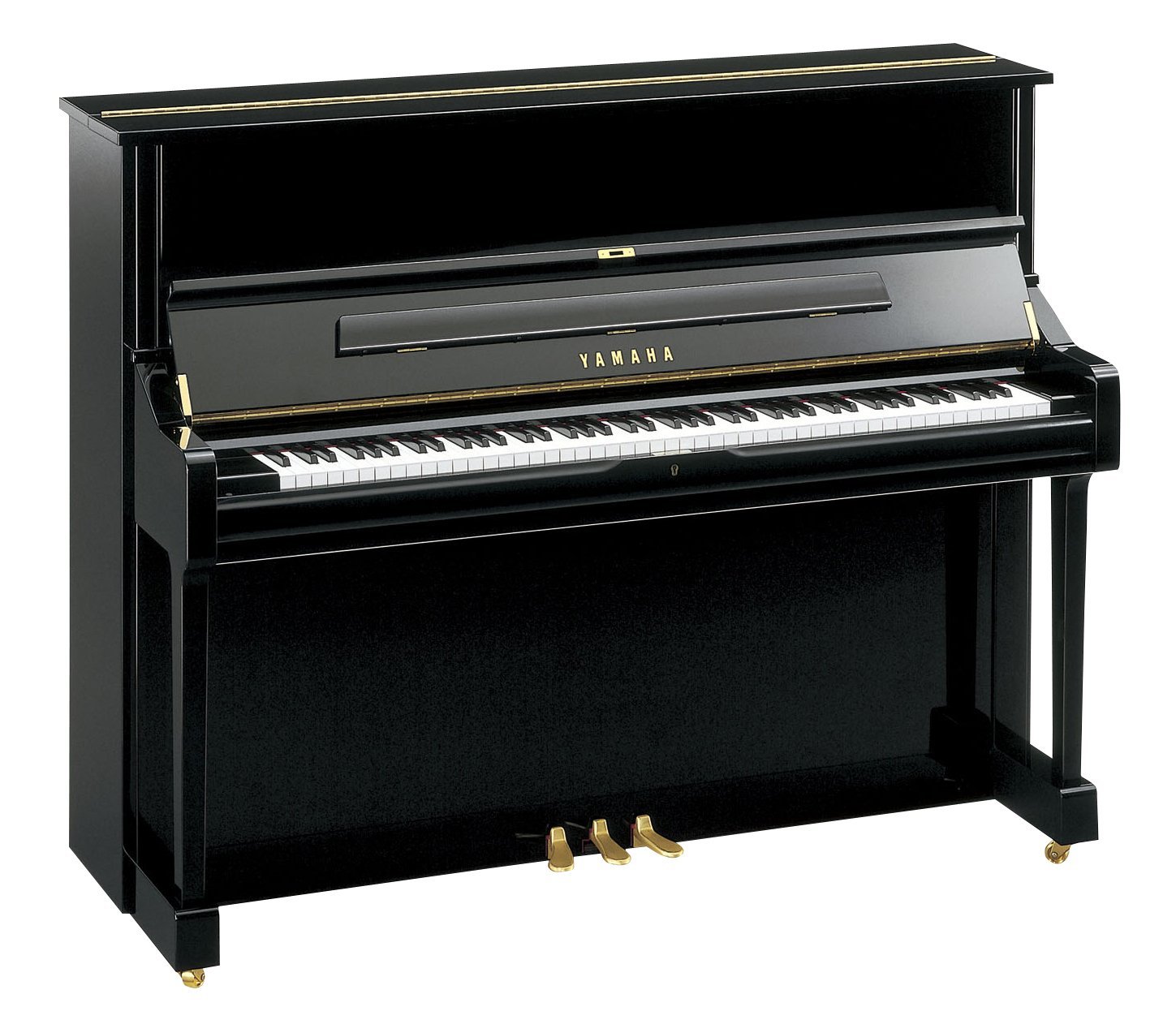
A spinet piano is the smallest type of traditional upright piano. Most spinets stand about 36 to 40 inches tall, which makes them popular in apartments, small homes, and beginner music rooms.
The compact design affects the piano’s sound and action. A spinet uses shorter strings, a smaller soundboard, and a special drop action that places the action parts lower than the keyboard.
This design saves space, but it also creates limits:
• The tone is usually softer than that of a studio upright.
• The bass may sound less full.
• The action can feel lighter or less responsive.
• Repairs may be harder because of the compact mechanism.
Spinets were especially common from the 1930s through the 1980s. Many were made for home use and beginner lessons. Some remain useful today, but age matters more than appearance.
A shiny cabinet does not always mean a healthy instrument. A spinet can look beautiful while hiding worn hammers, loose tuning pins, cracked bridges, or a damaged soundboard.

What Affects the Price of a Spinet Piano?
The answer to how much is a spinet piano changes based on several key factors. Two pianos from the same brand can have very different values if one has been maintained and the other has been neglected.
Brand and model
Brand reputation affects both price and repair support. Well-regarded makers may attract more buyers, especially when the piano has a strong sound and reliable action.
However, brand name should not be your only guide. A famous brand in poor condition may be a worse purchase than a lesser-known piano that has received regular care.
Age and condition
Age alone does not determine value. A 50-year-old piano that was tuned and protected from heat may perform better than a 20-year-old piano stored in a damp garage.
Check for:
• Cracks in the soundboard
• Loose or broken keys
• Buzzing or rattling sounds
• Rust on strings and hardware
• Cracked hammers
• Sticky or uneven action
• Missing cabinet parts
• A musty smell or signs of water damage
Tuning history
A piano that has been tuned often is usually a safer buy. Regular tuning helps keep the strings at the right tension and reveals problems before they become expensive.
If a spinet has not been tuned for many years, it may need more than one tuning. It may also require pitch correction, repairs, or replacement strings.
Cabinet style
Cabinet color and finish can affect buyer interest, but they do not define musical quality. A walnut or mahogany cabinet may cost more than a basic dark finish, yet the internal condition remains more important.
Local demand
Piano prices vary by region. A spinet may be inexpensive in an area where many families are giving away old pianos. It may cost more near music schools, colleges, and urban neighborhoods with limited space.

New vs. Used Spinet Pianos
New spinet pianos are uncommon today. Most current acoustic piano makers focus on console, studio upright, and grand piano designs instead.
That means most shoppers asking how much is a spinet piano are looking at used instruments. Used spinets can be affordable, but they need a careful inspection.
Used spinet piano benefits
• Lower purchase price
• Small footprint
• Traditional acoustic tone
• Good choice for casual home playing
• Often available through local sellers
Used spinet piano limitations
• Older parts may be worn
• Repairs can cost more than the piano
• The sound may be limited
• Moving can be difficult
• Resale value may be low
A digital piano may offer better value if you need headphones, volume control, recording features, or a silent practice option. An acoustic spinet is a better fit if you want real strings, natural resonance, and a traditional playing experience.

The Extra Costs of Buying a Spinet Piano
The purchase price does not tell the full story. When calculating how much is a spinet piano, include the cost of preparing it for your home.
Moving
Professional piano moving often costs about $200 to $600 for a local move. Stairs, narrow halls, long distances, and difficult parking can raise the price.
Never move a piano with a few friends and a basic hand truck. Spinets may be smaller than other pianos, but they are still heavy and can tip easily.
Tuning
A standard tuning often costs $100 to $250, depending on location and the piano’s condition. A neglected piano may need two or more tunings before it holds pitch well.
Schedule the first tuning several weeks after the move. The piano needs time to adjust to its new temperature and humidity.
Repairs
Small repairs may cost $50 to $200. Larger work can cost much more:
• Regulation may cost $200 to $600.
• Hammer replacement may cost $500 to $1,500.
• Action repairs may cost $300 to $1,200.