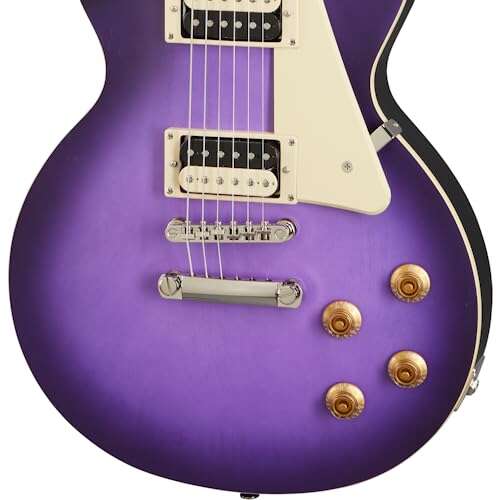
How Much Do Guitar Strings Cost: Complete Price Guide
Most guitar strings cost between $6 and $30 per set, with specialty and coated strings often costing more.
Knowing how much guitar strings cost helps you budget for one of the most important parts of your instrument. String type, material, coating, gauge, brand, and guitar style all affect the final price. After comparing common string sets and real-world replacement costs, I’ll break down what you can expect to pay and how to choose the best value.
Average Cost of Guitar Strings
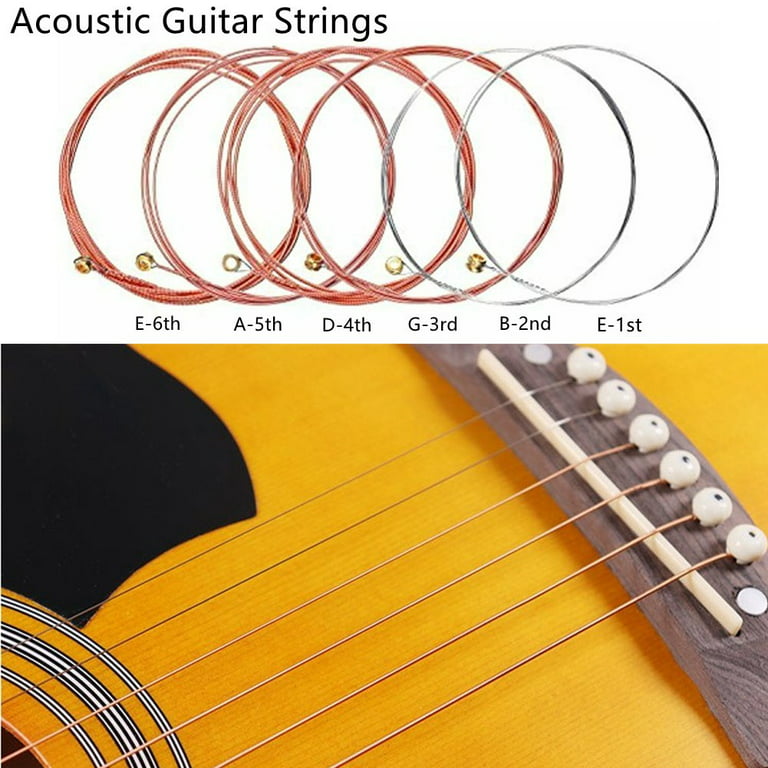
For most players, how much guitar strings cost depends on the guitar they own and the type of sound they want. A basic set for a six-string electric or acoustic guitar often costs $6 to $15. Premium, coated, handmade, and specialty sets can cost $20 to $35 or more.
Here is a simple price guide for common guitar strings in the United States:
| Guitar string type | Typical price per set |
|---|---|
| Basic electric guitar strings | $5 to $12 |
| Premium electric guitar strings | $12 to $25 |
| Coated electric guitar strings | $15 to $30 |
| Basic acoustic guitar strings | $6 to $14 |
| Premium acoustic guitar strings | $12 to $25 |
| Coated acoustic guitar strings | $15 to $30 |
| Classical guitar strings | $7 to $20 |
| Carbon classical strings | $12 to $30 |
| Twelve-string guitar strings | $10 to $30 |
| Bass guitar strings | $15 to $40 |
| Flatwound strings | $20 to $45 |
These are typical retail prices, not fixed rates. Sales, shipping costs, local taxes, and brand promotions can change how much guitar strings cost from one store to another.
A beginner does not need the most expensive set. A reliable $7 to $12 set can sound excellent when it matches the guitar and is changed at the right time.

What Affects How Much Guitar Strings Cost?
Several features affect the price of a guitar string set. The most important are the string’s material, construction, coating, gauge, and intended use.
String material
Electric guitar strings usually use a steel core wrapped with nickel, stainless steel, or another metal. Nickel-plated steel is common because it gives a balanced tone and works well with most pickups.
Acoustic strings often use bronze or phosphor bronze wraps. Phosphor bronze strings usually cost a little more because they offer a warm tone and resist corrosion better than basic bronze options.
Classical strings use nylon, fluorocarbon, or other synthetic materials. These strings have a different design from steel strings and must not be used on a standard steel-string acoustic guitar.
String coating
Coated strings have a thin protective layer over the winding. This layer helps reduce damage from sweat, skin oils, humidity, and dirt.
Coated strings often cost $5 to $15 more than uncoated strings. They may last longer for some players, but the coating can slightly change the feel and tone. Some guitarists enjoy the smooth surface, while others prefer the brighter response of fresh, uncoated strings.
String gauge
Gauge means the thickness of the strings. Light gauges are often popular with beginners because they are easier to press and bend. Heavy gauges can produce more volume and a fuller tone, but they may feel harder on the fingers.
Gauge alone does not always determine how much guitar strings cost. A light set and a heavy set from the same product line often have a similar price.
Brand and manufacturing quality
Well-known brands may charge more because of research, quality control, packaging, and consistent manufacturing. That does not mean every expensive set is better for every player.
A budget set can be a smart choice for practice. A premium set may be worth the extra money for recording, touring, or players who notice small changes in tone and feel.
Guitar String Prices by Guitar Type
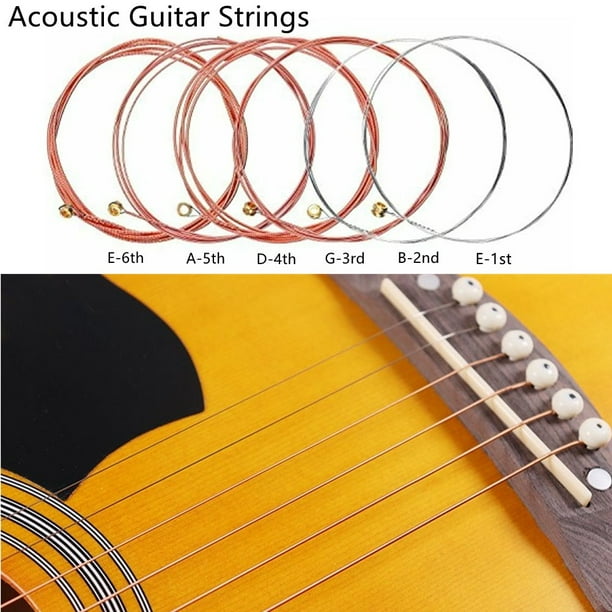
The best way to understand how much guitar strings cost is to look at each guitar category. Different instruments need different string designs and sizes.
Electric guitar strings
Electric guitar strings are among the most affordable options. A standard nickel-plated set often costs $6 to $12. Premium and coated sets may cost $15 to $30.
Popular electric guitar gauges include:
• Extra light sets, often around .008 to .038 inches
• Light sets, often around .009 to .042 inches
• Regular sets, often around .010 to .046 inches
• Heavy sets, often .011 to .052 inches or larger
Lighter strings can make bends easier. Heavier strings may suit lower tunings, stronger picking, or players who want a firm feel.
Acoustic guitar strings
Acoustic guitar strings commonly cost $6 to $20 per set. Coated acoustic strings can cost $15 to $30, but they may last longer when exposed to sweat or humid conditions.
Phosphor bronze is a common choice for warm, balanced sound. 80/20 bronze strings often sound brighter and more direct when new.
A light acoustic set is a safe starting point for many players. However, always check the guitar maker’s recommendations, especially if the instrument has a delicate bridge or neck.
Classical guitar strings
Classical guitar strings usually cost $7 to $20. Premium carbon or fluorocarbon sets can reach $25 to $30.
Classical strings have nylon or synthetic trebles and wound bass strings. They are not interchangeable with steel acoustic strings. Using the wrong type can damage the guitar or create serious tension problems.
Twelve-string guitar strings
Twelve-string sets usually cost $10 to $30. They contain twice as many strings, so the price is naturally higher than a six-string set.
Coated twelve-string sets may cost more, but many players find the added life useful. Replacing twelve strings takes more time, so a set that lasts longer can offer better value.
Bass guitar strings
Bass guitar strings often cost $15 to $40. Flatwound, coated, extended-range, and specialty sets may cost $45 or more.
Bass strings use thicker materials and require more metal than guitar strings. They also have longer lengths, especially for long-scale basses. Check the scale length before buying to avoid ordering strings that are too short.

Are Expensive Guitar Strings Worth It?
Expensive guitar strings can be worth the money, but the answer depends on your needs. A premium set may offer a smoother feel, more stable tuning, longer life, or a specific tone.
For example, coated strings may be useful if:
• Your hands sweat heavily
• You play every day
• You live in a humid area
• You perform often
• You dislike changing strings
• You want a smooth playing surface
However, coated strings are not automatically the best choice. Some players feel that they sound less bright than fresh, uncoated strings. Others dislike the slick feel or find that the coating wears at picking points.
A good approach is to compare one standard set and one premium set. Track how long each set lasts and how each one feels. If a $20 set lasts twice as long as a $10 set, it may provide similar or better value.
The most expensive strings cannot correct poor setup, old frets, weak tuning machines, or a damaged bridge. Fresh strings help, but they are only one part of a guitar’s sound.

How Often Should You Replace Guitar Strings?
String life depends on playing time, sweat, climate, string material, and cleaning habits. There is no single replacement schedule for every guitarist.
Many players change strings:
• Every one to two months with regular playing
• Every one to two weeks before frequent performances
• Every three to six months with occasional playing
• When the strings sound dull, feel rough, or will not stay in tune
A string does not need to break before it needs replacement. Old strings often lose brightness and flexibility first. They may also develop flat spots where they touch the frets.
One practical lesson is to avoid waiting until a performance day. New strings can stretch, slip out of tune, and feel unfamiliar. Change them several days before an important show, then tune and play them regularly.
Wipe the strings with a clean, dry cloth after playing. This simple habit removes oils and moisture that can shorten string life. Do not use household cleaners or oily products unless the product is made for guitar strings and the guitar’s finish.

The Cost of Having Guitar Strings Installed
If you change strings yourself, your main cost is the string set. A basic string winder and cutter may cost $10 to $25, but these tools can save money over time.
A music store may charge about $10 to $30 for a basic restringing service. The total can be higher if the guitar needs cleaning, setup work, bridge repair, or restringing for a twelve-string instrument.
Professional installation may be useful when:
• You are learning how to restring a guitar
• The guitar has a floating tremolo system
• The bridge design is complex
• The instrument has tuning or intonation problems
• You want a full setup at the same time
A string change is different from a setup. A setup may include neck relief, action, intonation, pickup height, and fret inspection. It costs more but can make the guitar feel much easier to play.
For a first replacement, watching the guitar maker’s instructions or asking a local technician can prevent costly mistakes. The wrong winding method can cause tuning problems or damage some hardware.

How to Choose the Right Guitar Strings
Price should not be your only guide. The right strings should match your guitar, playing style, tuning, and comfort.
Use these steps:
- Check the guitar manufacturer’s recommended string type and gauge.
- Choose electric, acoustic, classical, or bass strings made for your instrument.
- Pick a light or medium gauge based on comfort and tuning.
- Select a material that matches your preferred tone.
- Try coated strings if string life is a major concern.
- Buy one set before purchasing a large supply.
- Record the date when you install the strings.
Beginners often make one costly mistake: buying strings based only on a low price. A very cheap set may still work well, but an incorrect set can feel uncomfortable or produce poor results.
Another mistake is changing gauge without considering setup. Moving from light to heavy strings can increase tension. Moving from heavy to light strings can change neck relief and intonation. A small gauge change is often fine, but major changes may require a professional adjustment.
Ways to Save Money on Guitar Strings
You can lower your yearly string budget without sacrificing sound. The key is to buy carefully and reduce waste.
• Compare prices at several music retailers
• Look for multi-packs when you know the set works for you
• Buy during seasonal sales
• Keep spare sets in a dry, sealed place
• Clean strings after each playing session
• Avoid leaving the guitar in hot cars or damp rooms
• Choose uncoated strings for low-cost frequent changes
• Choose coated strings if they clearly last longer for you
A multi-pack may reduce the price per set, but it is not always a bargain. Check the final cost per set after shipping and taxes. Also, do not stock up on a string type you have never tested.
For many casual players, spending $20 to $50 per year is enough. A daily player, touring musician, or recording guitarist may spend $75 to $200 or more each year.
Common Mistakes That Increase String Costs
Small errors can lead to broken strings, poor tone, and unnecessary purchases. Avoiding them is one of the easiest ways to control how much guitar strings cost.
Buying the wrong string type
Steel strings can damage many classical guitars. Classical nylon strings will not provide the correct tension or sound on most steel-string instruments.
Ignoring scale length
Bass and extended-range guitar strings come in different lengths. A short-scale set may not work on a long-scale instrument. Check the manufacturer’s measurement before ordering.
Using the wrong gauge
Heavy strings may be difficult to play and can affect the setup. Very light strings may buzz, feel unstable, or perform poorly in lower tunings.
Storing strings in poor conditions
Unopened strings can degrade when stored in a damp area. Keep them in their original packaging in a cool, dry room.
Changing strings without checking the bridge
Some guitars use bridge pins, while others use locking systems or special tailpieces. Pulling or fitting parts incorrectly can cause damage. If you feel unsure, ask a qualified repair technician.
Frequently Asked Questions About How Much Guitar Strings Cost
How much do guitar strings cost for beginners?
Most beginners can expect to pay $6 to $15 for a standard set of electric or acoustic guitar strings. A basic, correctly sized set is usually enough to learn without spending extra money on premium features.
How much do guitar strings cost at a music store?
A music store may sell common sets for $6 to $25, depending on the brand and type. Installation can add about $10 to $30 if a technician changes the strings for you.
Are coated guitar strings worth the higher price?
Coated strings can be worth the higher price if they last longer or feel better in your hands. They are less useful if you prefer a very bright tone and change uncoated strings often.
How much do acoustic guitar strings cost?
Basic acoustic guitar strings usually cost $6 to $14 per set. Premium phosphor bronze, long-life, and coated sets often cost $15 to $30.
How much do electric guitar strings cost?
Basic electric guitar strings commonly cost $5 to $12. Premium, coated, stainless steel, and specialty sets may cost $15 to $30 or more.
How much do bass guitar strings cost?
Most bass guitar string sets cost $15 to $40. Flatwound, coated, extended-range, and premium bass strings can cost more than $40.
Can I use any guitar strings on any guitar?
No. Strings must match the guitar’s design, scale length, bridge, tuning, and recommended tension. Using the wrong strings can cause poor playability or damage the instrument.
Conclusion
So, how much do guitar strings cost? Most six-string electric and acoustic sets fall between $6 and $20, while coated, classical, twelve-string, flatwound, and bass sets can cost $30 or more.
The best value comes from matching the string type and gauge to your guitar, not from choosing the cheapest or most expensive package. Start with a trusted standard set, test how it feels and lasts, and keep notes so your next purchase is easier. Explore more guitar care guides, compare suitable string sets, and share your favorite gauge or brand in the comments.

Senior Music Reviewer
Alex Carter is a seasoned music reviewer with over a decade of experience in the world of sound and instruments. Passionate about helping musicians and enthusiasts make informed choices, he brings sharp insights and in-depth knowledge to every review. From classical instruments to modern gear, Alex combines technical expertise with a love for music to deliver content that resonates with readers.
As a Senior Music Reviewer and expert author on Tuneluma.com, Alex is dedicated to sharing honest evaluations, practical advice, and thoughtful commentary to guide readers in their musical journey.