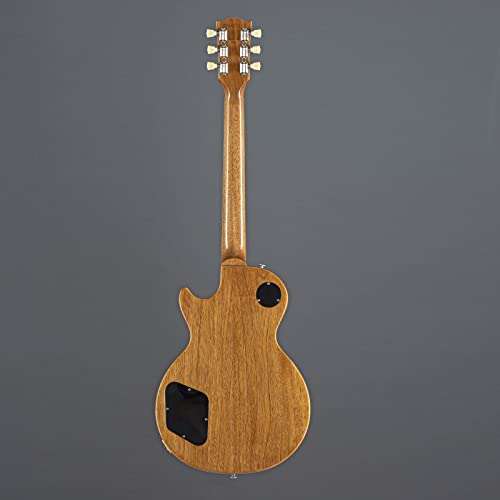
How Long Do Guitar Strings Last: Replacement Tips
Most guitar strings last one to three months, but heavy use, sweat, and string type can shorten that time.
Knowing how long guitar strings last helps you protect your tone, tuning, comfort, and instrument. The real answer depends on how often you play, how much your hands sweat, the string material, and how well you clean the strings. This guide explains the warning signs, ideal replacement schedules, and simple habits that help guitar strings stay fresh.

How long do guitar strings last?
For most players, guitar strings last between one and three months. A casual player may get six months or more from a set, while a gigging musician may need new strings every few days or weeks.
Here is a practical guide:
• Daily players: Replace strings every two to six weeks.
• Players who practice several times a week: Replace strings every one to three months.
• Occasional players: Replace strings every three to six months.
• Professional performers: Replace strings before important shows and often after several performances.
These ranges are not strict rules. A clean, dry player may get more life from a set than someone with acidic sweat who plays for two hours each day. So, how long do guitar strings last in your case? Your playing time and the condition of the strings matter more than the calendar.
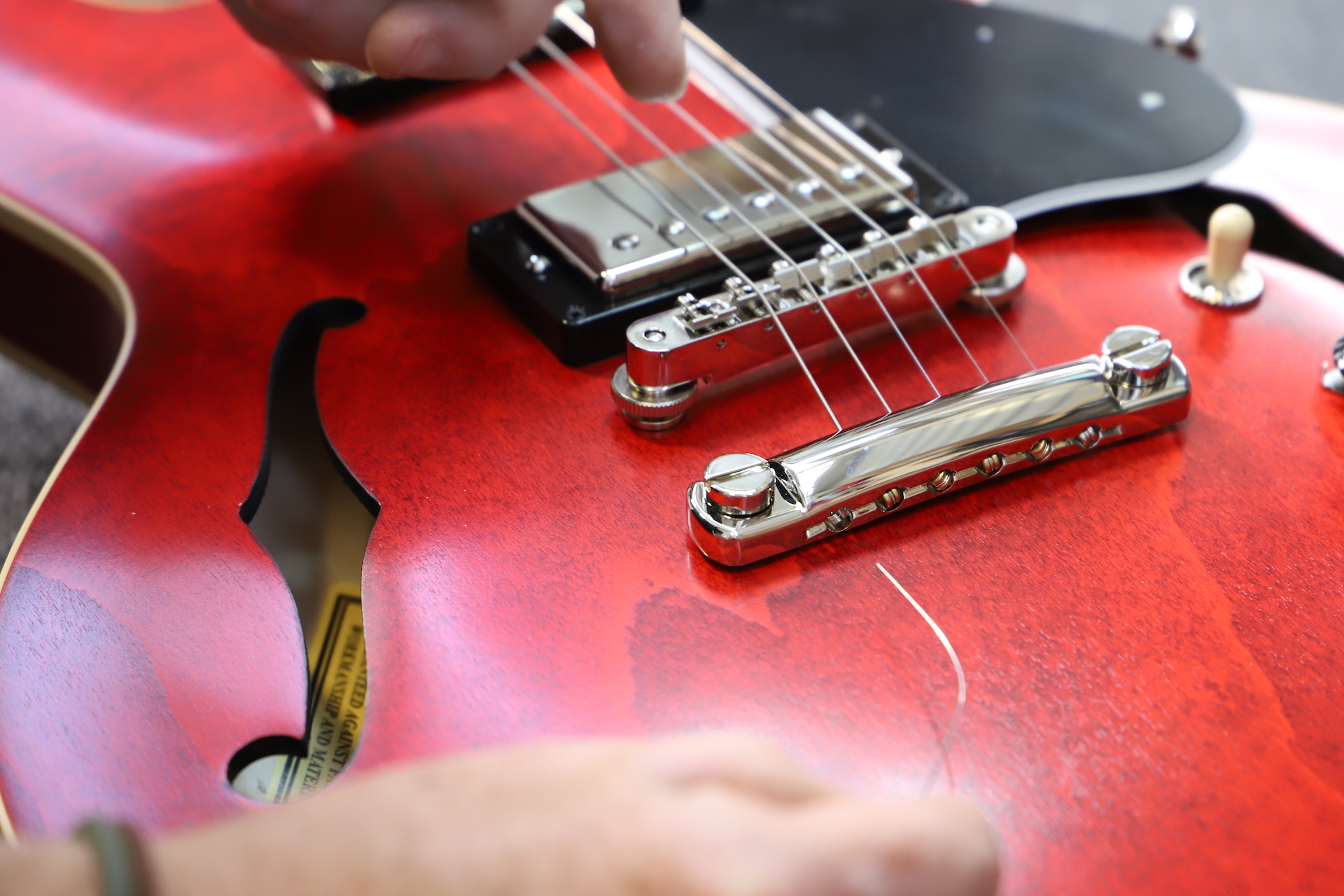
What affects guitar string life?
Several factors change how long guitar strings last. The most important are playing frequency, hand moisture, string material, and storage conditions.
Playing frequency
The more you play, the faster strings collect sweat, skin oil, and dirt. Fretting also creates small areas of wear, especially under the plain strings and around common chord positions.
A person who plays for 20 minutes each weekend places far less stress on strings than someone who practices three hours every day. This is why two players can use the same brand and gauge but replace strings at very different times.
Sweat and skin chemistry
Sweat contains water, salt, and other compounds that can speed up corrosion. Some players have naturally acidic sweat, which may turn fresh strings dull within days.
You may notice this if your strings rust quickly even when you wipe them after playing. In that case, coated strings or stainless steel options may help.
String material
String construction has a major effect on durability.
• Nickel-plated steel strings are common on electric guitars. They offer a balanced tone and moderate lifespan.
• Pure nickel strings often sound warm but may feel and wear differently.
• Stainless steel strings resist some corrosion and can sound bright. They may also feel rougher under the fingers.
• Phosphor bronze strings are popular on acoustic guitars and produce a warm, balanced tone.
• 80/20 bronze strings sound bright but can lose that fresh tone quickly.
• Coated strings have a thin protective layer that helps block sweat and dirt. They often last longer, though some players dislike their smoother feel or higher price.
Storage and climate
Heat and humidity can shorten string life. A guitar left in a damp room, hot car, or poorly protected case may develop corrosion much faster.
A stable indoor environment is best. For acoustic guitars, moderate humidity also helps protect the wood, neck, bridge, and other parts of the instrument.

Signs your guitar strings need replacing
You do not need to wait for a string to break. Several warning signs can tell you that a set has reached the end of its useful life.
• The tone sounds dull, flat, or lifeless.
• The strings feel rough, sticky, or rusty.
• The guitar will not stay in tune.
• Notes sound less clear than usual.
• Fretting feels harder than it did with a fresh set.
• The strings show dark marks, flat spots, kinks, or visible corrosion.
• You hear buzzing that was not present before.
• Harmonics sound weak or fail to ring clearly.
A dull tone is often the first clue. Fresh strings usually have more brightness, clarity, and sustain. If your guitar suddenly sounds muffled, old strings may be the cause.
Still, not every tuning problem comes from old strings. Loose tuning machines, poor bridge contact, incorrect setup, temperature changes, and weak string installation can create similar symptoms.
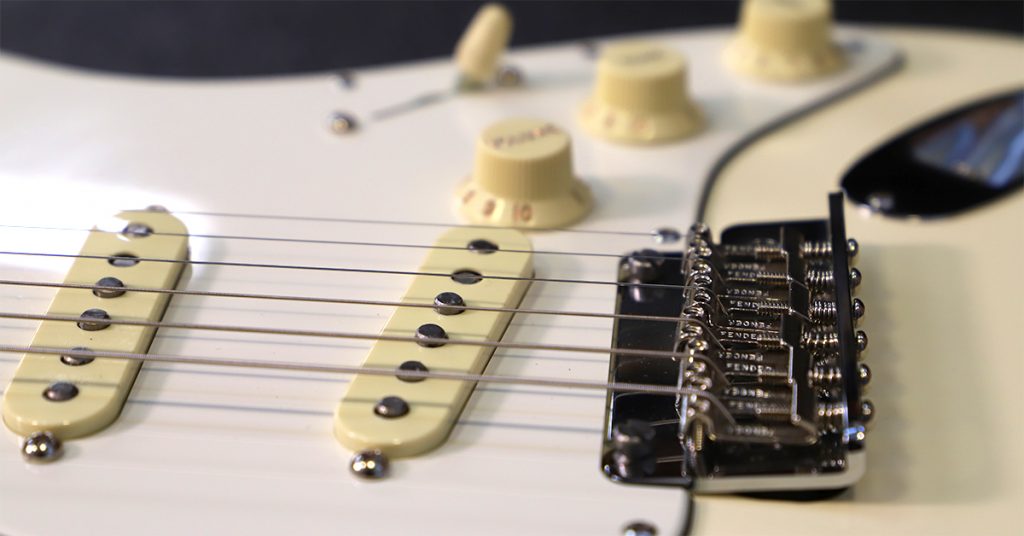
How long do acoustic guitar strings last?
Acoustic guitar strings commonly last two to three months for regular players. Some musicians change them weekly because they want a bright, crisp sound, while casual players may keep them for six months.
Acoustic strings lose brightness as the bronze winding gathers oil and dirt. This change can be easy to hear during strumming. A once-clear guitar may begin to sound soft, dark, or muted.
The style of music also matters. Heavy strumming wears strings faster than gentle fingerpicking. Players who use a pick with sharp edges may also create more wear on the string surface.
For recording, many players install a fresh set before a session. New strings can provide more detail, but they may sound too bright at first. Installing them a day or two before recording gives them time to settle.

How long do electric guitar strings last?
Electric guitar strings often last one to three months for regular home players. A touring or gigging musician may replace them every show or every few performances.
Electric guitar strings can lose their smooth feel before they lose all of their tone. Dirt can build up near the bridge and under the picking hand. This buildup affects bending, vibrato, tuning stability, and intonation.
String gauge also plays a part. Light strings may feel comfortable but can wear or break sooner under aggressive playing. Heavy strings can last well, but they place more tension on the neck and may feel less flexible.
How long do guitar strings last on an electric guitar also depends on the bridge design. Bridges with sharp contact points can cause extra wear, especially if the strings are not installed correctly.

How long do nylon guitar strings last?
Nylon strings on classical guitars often last three to six months. Bass strings may lose their tone sooner than the treble strings because they use wound metal wire around a nylon core.
Nylon strings do not rust like steel strings, but they still stretch, collect dirt, and lose their tone. New nylon strings may also need several days to settle into tune.
Replace them when they sound weak, feel worn, show damage, or cannot hold tuning well. Classical guitar players should avoid installing steel strings unless the instrument was designed for them. Steel strings can place harmful tension on a classical guitar.

Coated versus uncoated guitar strings
Coated strings use a thin protective layer over the metal. This layer helps reduce contact between the string and sweat, dirt, and moisture.
Coated strings may last twice as long as standard strings for some players, but results vary. They are often a good choice for musicians with sweaty hands, frequent performers, or people who dislike changing strings often.
Uncoated strings usually offer a more direct metal feel and may cost less. Many players also prefer their initial tone. The best choice depends on whether you value maximum brightness, a natural feel, or longer service life.
When comparing how long guitar strings last, compare the same player, guitar, and playing routine. A coated set may last much longer for one person but only slightly longer for another.
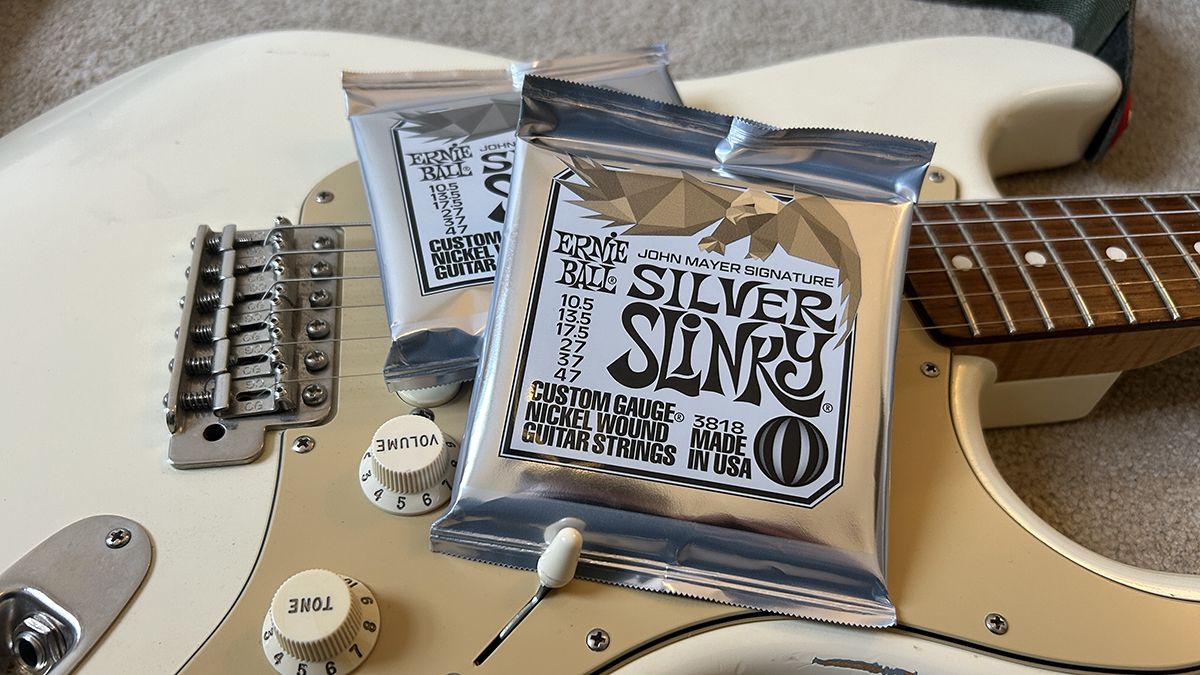
How to make guitar strings last longer
Good care cannot make strings last forever, but it can slow corrosion and preserve their tone.
Wipe strings after every session
Use a clean, dry microfiber cloth. Run it along the top, bottom, and sides of each string. This removes sweat and oil before they have time to cause as much damage.
Avoid using household cleaners, water, or strong chemicals. They may harm the finish, fretboard, or hardware.
Wash and dry your hands
Clean hands reduce the amount of oil and salt that reaches the strings. Dry your hands fully before playing, since moisture can also speed up corrosion.
Store the guitar in a case
A hard case or padded gig bag protects the instrument from dust, humidity swings, and accidental damage. Do not leave the guitar near a heater, sunny window, or air-conditioning vent.
Use suitable string cleaners
Some products are made for guitar strings. Follow the product instructions and keep liquids away from the guitar’s finish and electronics.
Keep the fretboard clean
Dirt on the fretboard transfers back to the strings. When changing strings, clean the fretboard with a product suitable for its finish and wood type. Do not apply oil to a maple fretboard with a glossy finish unless the manufacturer recommends it.
Avoid unnecessary bending
Extreme bends, aggressive picking, and repeated retuning can increase wear. These techniques are part of playing, but good setup and correct string tension can reduce stress.

How to change guitar strings correctly
Changing strings is easier when you follow a consistent process. Work slowly the first few times.
-
Loosen the old strings before removing them.
-
Clean the fretboard and bridge area while the strings are off.
-
Check the bridge, nut, and tuning posts for sharp edges or damage.
-
Install each new string according to the guitar’s bridge design.
-
Leave the correct amount of slack at the tuning post.
-
Wind the string neatly, with each wrap sitting below the previous wrap.
-
Stretch the string gently by hand.
-
Tune the guitar, stretch the strings again, and retune.
-
Cut away excess string only after the tuning post holds the string securely.
Poor winding is a common reason strings seem to have a short life. Too little winding can cause slipping, while messy wraps can create unstable tuning.
If a new string breaks near the bridge or nut, inspect that contact point. A sharp edge may be damaging the string, and replacing the set alone may not solve the problem.
Should you replace all guitar strings at once?
In most cases, replace the full set at once. A complete set gives you an even tone, balanced tension, and a consistent feel across the guitar.
Replacing only one broken string can make sense during a performance or emergency. However, a new string beside five old strings may sound brighter and feel different.
If one string breaks soon after installation, first check whether it broke at a sharp point. A repeated break in the same location often signals a hardware or setup issue.
Some players replace strings one at a time to reduce neck tension changes. This is usually fine if you install the same gauge and tune the guitar carefully.
Choosing the right replacement schedule
The best schedule depends on your goals. Use this simple plan as a starting point:
• For practice: Change strings when the tone or feel becomes distracting.
• For live shows: Install fresh strings one to three days before the event.
• For recording: Test the new set before the session and replace it if the tone has become dull.
• For teaching: Change strings when students need a clean, stable sound.
• For travel: Replace worn strings before a trip, but carry a spare set and string winder.
If you are unsure how long guitar strings last for your routine, track the date of each replacement. Write down how often you play, the brand, the gauge, and the date when the tone changes. After a few cycles, your personal pattern will become clear.
In my experience working with guitars, players often wait for a string to break because the instrument still seems playable. That habit can lead to poor tuning, uncomfortable bends, and an avoidable problem during a performance. A calendar reminder is simple, but listening to the guitar is even better.
Common mistakes that shorten string life
Many players unknowingly reduce string life through small habits.
• Putting a guitar away with sweaty strings allows corrosion to continue.
• Touching strings with dirty hands adds oil and grit.
• Using the wrong string type can create poor tone or excess tension.
• Leaving a guitar in a hot car can damage both strings and the instrument.
• Installing strings over sharp nut or bridge edges leads to early breakage.
• Overstretching strings can weaken them.
• Using old strings for important performances increases the chance of tuning problems.
One mistake I often see is judging strings only by whether they still produce sound. Strings can remain usable while sounding dull and feeling rough. A guitar should not merely make notes; it should respond well and inspire you to play.
Frequently asked questions about how long do guitar strings last
How often should I change guitar strings?
Most regular players should change guitar strings every one to three months. Change them sooner if they sound dull, feel rough, show rust, or refuse to stay in tune.
Can guitar strings last for a year?
Yes, unused or lightly played strings can last around a year, especially when stored in a dry, sealed package. Strings that are played often usually lose tone and feel long before one year passes.
Do guitar strings go bad if they are not played?
They can age slowly because moisture and air may cause corrosion. Properly sealed strings last much longer than an opened set stored in a humid room.
Do coated guitar strings last longer?
Coated guitar strings often last longer because the coating limits contact with sweat and dirt. Their lifespan still depends on playing time, hand chemistry, storage, and the quality of the coating.
Why do my guitar strings break so quickly?
Fast breakage may result from sharp edges at the nut, bridge, or tuning post. Heavy picking, extreme bending, poor installation, and incorrect string gauge can also cause repeated breaks.
Should I change guitar strings before a performance?
Yes, but avoid installing them minutes before you play. Put on a fresh set one to three days before the performance so the strings can stretch and settle.
Can old guitar strings damage a guitar?
Old strings usually do not damage a guitar by themselves. However, rusty strings can mark hardware, feel abrasive, and make playing less comfortable, so replacing badly corroded strings is wise.
Conclusion
So, how long do guitar strings last? Most sets last one to three months for regular players, but your playing time, sweat, string material, climate, and care routine can change that range.
Watch for dull tone, rough surfaces, tuning trouble, visible rust, and weak sustain. Wipe the strings after playing, store the guitar safely, and keep a spare set nearby. Start tracking your replacement dates today, then choose the string type and schedule that give you the best sound and feel. Share your favorite string brand or maintenance tip in the comments, and keep exploring ways to make your guitar play its best.

Senior Music Reviewer
Alex Carter is a seasoned music reviewer with over a decade of experience in the world of sound and instruments. Passionate about helping musicians and enthusiasts make informed choices, he brings sharp insights and in-depth knowledge to every review. From classical instruments to modern gear, Alex combines technical expertise with a love for music to deliver content that resonates with readers.
As a Senior Music Reviewer and expert author on Tuneluma.com, Alex is dedicated to sharing honest evaluations, practical advice, and thoughtful commentary to guide readers in their musical journey.