Fender 65 Vs 68 Deluxe Reverb: Tone And Buying Guide
Both are excellent: the ’65 excels at pristine cleans, the ’68 breaks up sooner.
You want the classic Fender sparkle, but you also want touch-sensitive grit at club volume. That’s the heart of the Fender 65 vs 68 Deluxe Reverb debate. I’ve gigged, rehearsed, and recorded with both. The ’65 gave me glassy headroom; the ’68 gave me earlier breakup and pedal-friendly mids. I’ll share exactly how they compare so you can choose the right amp for your stage, studio, and sound.
Is Fender 65 Deluxe Reverb Good?
Yes—especially if you love clean headroom and the iconic blackface tone. The ’65 Deluxe Reverb is a classic for a reason. It stays clean longer, has that scooped, shimmering top, and records beautifully. If you play country, surf, indie, worship, or jazz, it shines with a clear voice that sits on top of the mix without getting harsh.
On a small theater gig, my Tele stayed pristine up to the drummer’s forte. With the amp at 4–5, the reverb sat like a plate behind the notes, and the tremolo was pure vintage. In the studio, I dropped a ribbon mic on the cone and got instant album-ready cleans. Drive pedals sounded polished, not fizzy—great for stacking low-gain boosts into a bright, open platform.
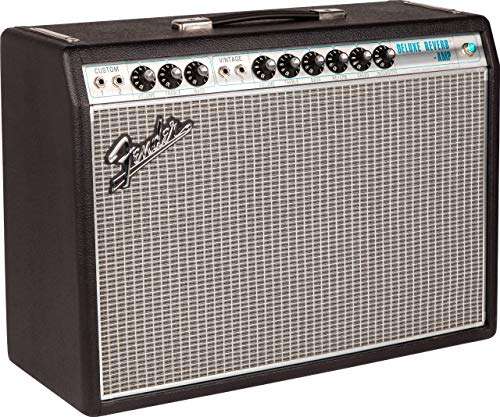
Fender 65 Deluxe Reverb Guitar Amplifier

What Makes It Stand Out / Key Features
- 22-watt, blackface-style circuit voiced for sparkling clean headroom
- 12-inch speaker voiced with classic scooped mids and chime
- Legendary tube spring reverb and bias tremolo on the Vibrato channel
- Bright, glassy top end that stays articulate at band volume
- Tube rectifier feel for subtle sag and touch response
What I Like
- Huge clean ceiling that loves single-coils and big chords
- Reverb sits beautifully in a mix without washing out detail
- Takes low-to-mid gain pedals smoothly, great as a pedal platform
- Records fast with minimal EQ—instant “record-ready” cleans
- Quiet operation and consistent tone from room to room
What Could Be Better
- Breakup arrives late; you need volume for natural drive
- Bright cap can feel sharp at low volumes with some guitars
- Reverb/tremolo only on the Vibrato channel, not the Normal channel
- Not light to carry between rehearsals and gigs
My Recommendation
If you crave classic blackface sparkle, big cleans, and studio-ready clarity, pick the ’65. It’s a safe, proven choice that holds value.
| Best For | Why |
|---|---|
| Clean-focused players | More headroom and classic scooped Fender tone |
| Recording | Easy to mic; mixes well with minimal EQ |
| Worship/indie/surf | Shimmering highs and lush spring reverb |
Is Fender 68 Deluxe Reverb Good?
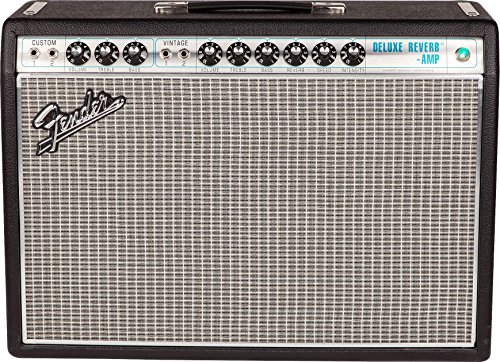
It depends on your needs, but often yes—especially if you like earlier breakup and a pedal-friendly voice. The Fender ’68 Custom Deluxe Reverb tweaks the classic recipe. It has reverb and trem on both channels, a more mid-forward Custom channel, and it reaches the sweet spot at lower volume.
At bar gigs, the ’68 gave me touchy, bluesy drive around 4–5 without deafening the room. The Custom channel took my Timmy and Rat without the ice-pick highs some bright caps can add. On a roots-rock session, the Celestion-style voicing helped parts sit in the track fast. It’s less pristine than the ’65, but it feels lively and flexible.
Fender 68 Custom Deluxe Reverb Amplifier (Renewed)
What Makes It Stand Out / Key Features
- Reverb and tremolo work on both channels for more routing options
- Custom channel voiced to be pedal-friendly and less bright
- Slightly reduced negative feedback for earlier, sweeter breakup
- 12-inch Celestion-voiced speaker with tighter lows and stronger mids
- Silverface styling with modern tweaks for flexible stage use
What I Like
- Hits the sweet spot sooner—great for small stages
- Custom channel loves overdrives, fuzz, and boosts
- Reverb/trem on both channels adds live and studio flexibility
- Mids help guitar sit in a dense band mix
- Touch-sensitive breakup that feels musical and elastic
What Could Be Better
- Less clean headroom than the ’65 for pristine tones
- Stock speaker voicing may feel mid-heavy for surf/jazz cleans
- Can get hairy sooner if you want totally clean pedals
My Recommendation
Choose the ’68 if you want earlier breakup, pedal-ready mids, and effects on both channels. It’s a flexible, gig-friendly pick.
| Best For | Why |
|---|---|
| Blues/rock/roots | Earlier breakup and mid-forward voice |
| Pedal users | Custom channel pairs well with drives and fuzz |
| Small to mid clubs | Sweet spot at manageable volume |
Fender 65 vs 68 Deluxe Reverb: Side-by-Side Test
I put both amps through rehearsals, club gigs, and quick studio dates. Below is how the Fender 65 vs 68 Deluxe Reverb stack up when you care about tone, feel, and real-world use.
Clean Tone & Headroom: Which Sparkles More?
Both amps are known for cleans, but they deliver them in different ways.
| Aspect | Fender ’65 Deluxe Reverb | Fender ’68 Custom Deluxe Reverb |
|---|---|---|
| Headroom | Higher; stays clean longer | Lower; breaks up sooner |
| EQ Character | Scooped mids, glassy highs | More mids, less scoop |
| Mix Placement | Sits on top, airy | Sits in mix, focused |
| Best Use | Pristine cleans, spacious parts | Edge-of-breakup, crunchy rhythms |
Rating: ’65 – 9/10 | ’68 – 8/10
’65 has the edge for clean headroom and classic sparkle.
Breakup & Feel: Which Sings at Lower Volume?
Breakup matters when you cannot crank the amp.
| Aspect | Fender ’65 Deluxe Reverb | Fender ’68 Custom Deluxe Reverb |
|---|---|---|
| Breakup Volume | Later on the dial | Earlier on the dial |
| Drive Texture | Smoother, more hi-fi | Grittier, touchy |
| Pick Dynamics | Clean to mild hair | Clean to crunchy |
| Small Venue Fit | Needs more volume | Hits sweet spot quick |
Rating: ’65 – 7.5/10 | ’68 – 9/10
’68 wins for earlier, musical breakup at club levels.
Reverb & Tremolo: Depth and Character
Both have lush tube reverb and tremolo, but routing differs.
| Aspect | Fender ’65 Deluxe Reverb | Fender ’68 Custom Deluxe Reverb |
|---|---|---|
| Reverb/Trem Routing | Vibrato channel only | Both channels |
| Reverb Voice | Bright, airy | Slightly warmer, thicker |
| Tremolo Feel | Classic bias wobble | Classic bias wobble |
| Flexibility | More limited | More flexible |
Rating: ’65 – 8/10 | ’68 – 9/10
’68 takes it for having effects on both channels and a versatile reverb voice.
Pedal Platform Performance: Which Takes Pedals Better?
The Fender 65 vs 68 Deluxe Reverb differ in how they handle drives and boosts.
| Aspect | Fender ’65 Deluxe Reverb | Fender ’68 Custom Deluxe Reverb |
|---|---|---|
| Bright Cap Behavior | Can be sharp at low volume | Custom channel is smoother |
| Overdrives | Polished, hi-fi | Grippy, present |
| Fuzz | Can need EQ | Often sits better |
| Modulation/Delay | Chimey and clear | Rich and focused |
Rating: ’65 – 8/10 | ’68 – 9/10
’68 wins for pedal users thanks to its Custom channel voicing.
Speakers & Voicing: How Do They Project?
The stock speakers shape the feel and mix fit.
| Aspect | Fender ’65 Deluxe Reverb | Fender ’68 Custom Deluxe Reverb |
|---|---|---|
| Speaker Character | Chime, scooped mids | Tighter lows, stronger mids |
| Projection | Airy and wide | Focused and punchy |
| Cut in Band | Great with bright guitars | Great with humbuckers/OD |
| Swap Potential | Responds well to swaps | Responds well to swaps |
Rating: ’65 – 8.5/10 | ’68 – 8.5/10
It’s a tie—pick based on whether you want scoop and chime (’65) or mids and punch (’68).
Volume, Portability & Practical Use
Here’s how the Fender 65 vs 68 Deluxe Reverb behave in real gigs.
| Aspect | Fender ’65 Deluxe Reverb | Fender ’68 Custom Deluxe Reverb |
|---|---|---|
| Gig Volume | Needs more dial to bloom | Reaches sweet spot sooner |
| Stage Control | Cleaner on louder stages | Easier in small rooms |
| Carry & Load-In | Similar size and heft | Similar size and heft |
| Set-and-Forget | Consistent cleans | Consistent grit |
Rating: ’65 – 8/10 | ’68 – 8.5/10
’68 is more forgiving in tight venues; ’65 rules bigger stages needing clean headroom.
Value for Money
Both hold value well; choose by use-case.
| Aspect | Fender ’65 Deluxe Reverb | Fender ’68 Custom Deluxe Reverb |
|---|---|---|
| Resale Appeal | High for classic cleans | High for flexible features |
| Out-of-Box Fit | Studio-ready cleans | Gig-ready breakup |
| Feature Per Dollar | Traditional layout | Effects on both channels |
| Long-Term Use | Benchmark clean machine | Do-it-all club amp |
Rating: ’65 – 8.5/10 | ’68 – 9/10
’68 edges value with broader flexibility for many players and rooms.
Final Verdict: Which Should You Buy?
If your heart says “blackface clean,” get the ’65. It offers bigger headroom, shimmery highs, and a proven studio voice. It’s ideal for worship, surf, jazz, and anyone who wants pedals into a pristine canvas.
If you want touchy breakup, effects on both channels, and a pedal-happy midrange, go ’68. In the Fender 65 vs 68 Deluxe Reverb showdown, clean lovers pick the ’65; gig chameleons grab the ’68.
FAQs Of Fender 65 vs 68 Deluxe Reverb
What is the main tonal difference in the Fender 65 vs 68 Deluxe Reverb?
The ’65 is scooped and sparkly with more clean headroom. The ’68 has more mids and breaks up earlier, making it feel grittier and more pedal-friendly.
Which is better for small clubs in the Fender 65 vs 68 Deluxe Reverb?
The ’68. It hits edge-of-breakup at lower volume, so you get character without getting too loud.
Do both have reverb and tremolo on all channels?
No. The ’65 routes them to the Vibrato channel only. The ’68 offers reverb and tremolo on both channels.
Which is the better pedal platform in the Fender 65 vs 68 Deluxe Reverb?
It depends on your pedals. The ’65 is great for clean, polished drives. The ’68 Custom channel often handles bright drives and fuzz better at lower volumes.
For recording, which is easier to dial in?
The ’65 often needs less EQ for clean tracks. The ’68 sits fast for roots, blues, or crunch parts. Both are strong; choose by the tone you need.

Senior Music Reviewer
Alex Carter is a seasoned music reviewer with over a decade of experience in the world of sound and instruments. Passionate about helping musicians and enthusiasts make informed choices, he brings sharp insights and in-depth knowledge to every review. From classical instruments to modern gear, Alex combines technical expertise with a love for music to deliver content that resonates with readers.
As a Senior Music Reviewer and expert author on Tuneluma.com, Alex is dedicated to sharing honest evaluations, practical advice, and thoughtful commentary to guide readers in their musical journey.