Introduction
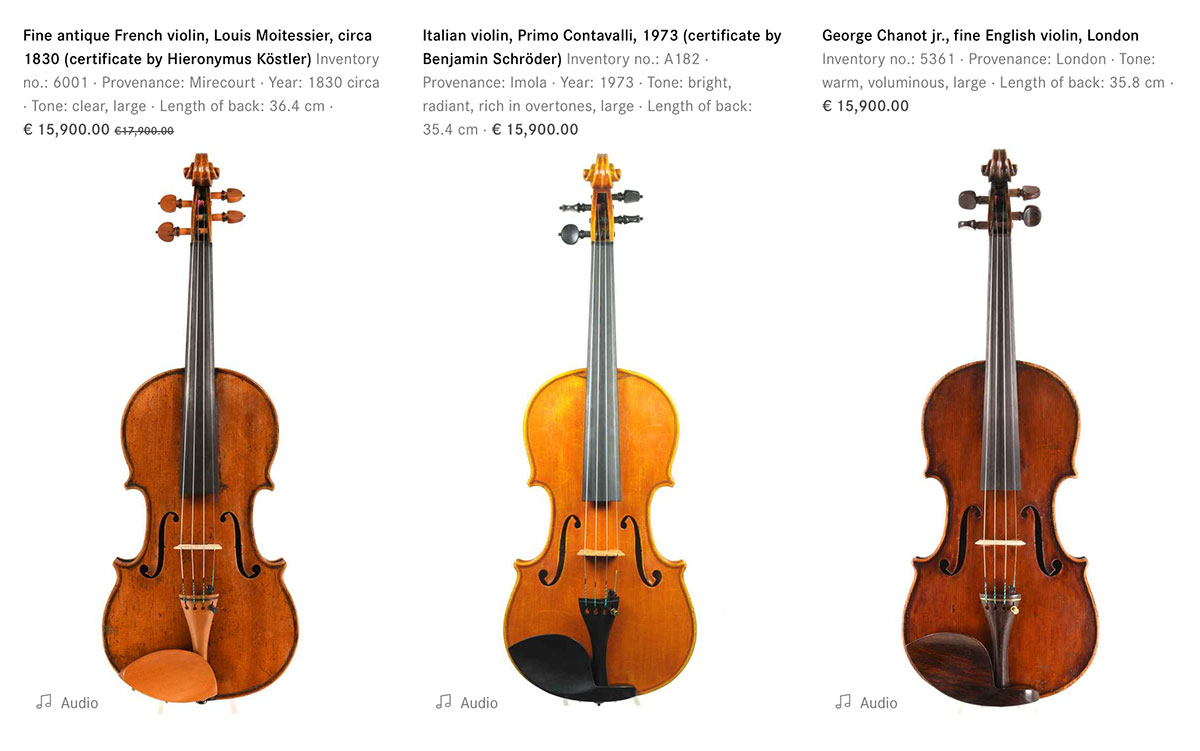
In the United States, old violins can be worth anywhere from about $50 to well over $1 million. Most old violins, however, sell for far less. A used student violin may bring $50 to $300, while a good antique violin by a known maker may sell for $5,000 to $50,000. Rare Italian instruments with strong proof of origin can reach six or seven figures at auction.
Age alone does not set the price. The maker, condition, sound, labels, repairs, provenance, and current U.S. demand matter more than the year stamped on the violin.
This guide explains how to estimate an old violin’s value, what evidence buyers trust, and when a professional appraisal is worth the cost.


Quick answer: A common old violin is often worth $100 to $2,000. A well-made violin by a documented maker may be worth $2,000 to $50,000 or more. Rare, authentic Italian violins can sell for hundreds of thousands or millions of dollars, but they are exceptional.
Old Violin Value at a Glance
The table below gives broad U.S. resale ranges. These are starting points, not formal appraisals. The same violin can fall into a different range because of condition, region, setup, and the type of sale.
| Type of violin | Typical U.S. value range | What usually affects the price |
|---|---|---|
| Used student violin or factory copy | $50–$300 | Brand, playability, size, case, and setup |
| Older factory-made violin | $100–$1,000 | Work quality, condition, and demand |
| Better workshop or trade violin | $500–$3,000 | Maker, sound, repairs, and original parts |
| Unidentified European or American antique violin | $300–$5,000 | Authenticity, construction, and condition |
| Documented violin by a respected modern maker | $2,000–$20,000 | Maker reputation, age, sound, and papers |
| Strong American or European maker | $5,000–$50,000+ | Attribution, provenance, condition, and market |
| Rare, authentic Italian violin | $20,000 to $1 million+ | Maker, period, certification, condition, and provenance |
These ranges overlap because violin prices are not based on age alone. A 100-year-old factory violin may be worth less than a 20-year-old instrument made by a respected contemporary maker.
A violin with a famous name on its label is not automatically valuable. Many older violins carry labels that copy the names of celebrated makers such as Antonio Stradivari, Giuseppe Guarneri, or Jacob Stainer. Those labels often describe a model or style, not the true maker.

What Makes an Old Violin Valuable?
The strongest value factors are maker, authenticity, condition, sound, and documented history. Age helps only when it supports these other qualities.
Maker and attribution
The maker is often the single largest value factor. A violin made by a known American, French, German, or Italian maker can have a clear market. A violin with no reliable attribution is harder to price, even if it looks old.
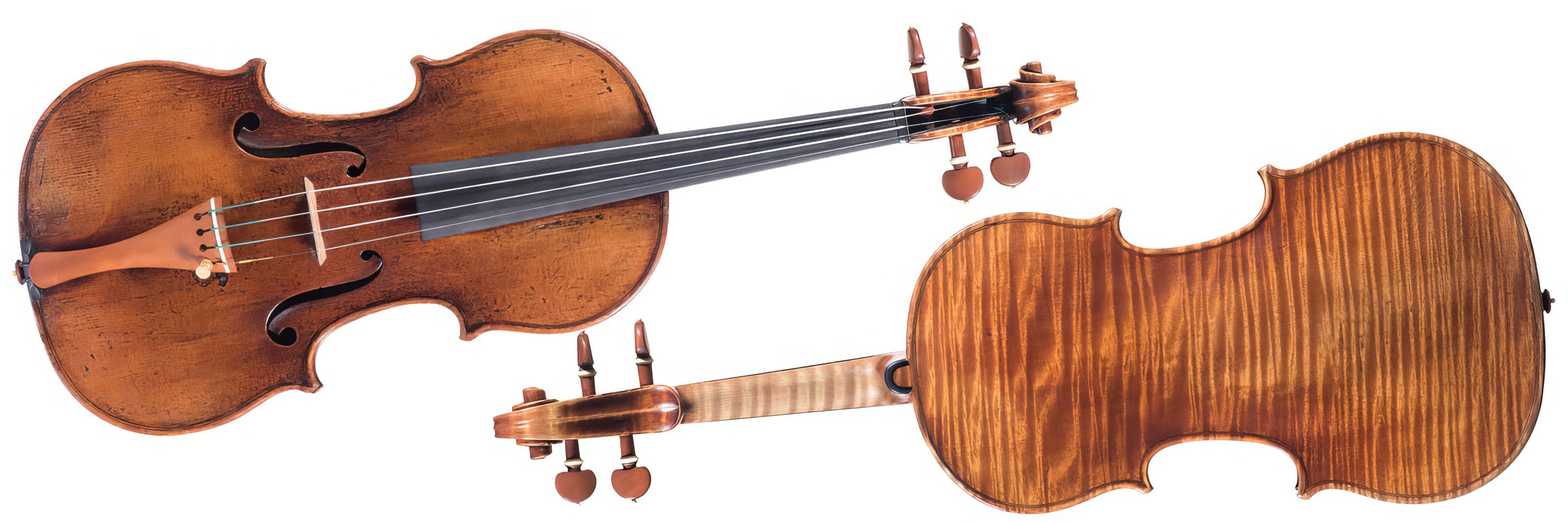
Dealers and appraisers study details such as:
- Wood choice and flame pattern
- Arching and body shape
- Scroll carving
- F-hole design
- Edge work and purfling
- Varnish color and texture
- Construction methods
- Internal repairs and maker marks
A label is only one clue. It is not proof of authorship.
authenticity
authenticity means that the violin is what its documents or attribution claim it is. A genuine violin by a famous maker may be worth many times more than a later copy with the same name on its label.
The market usually wants a chain of evidence. That may include:


- A respected certificate
- A prior dealer invoice
- Auction records
- Published catalog references
- Family ownership records
- Insurance documents
- Expert opinions from recognized specialists
A certificate does not always settle every question. Older certificates may use different standards, and some attributions change as experts review new evidence.
Condition
Condition can make or break value. A violin with cracks, old repairs, or replaced parts may still sound good, but those issues can lower its market price.
Important condition points include:
- Sound-post cracks
- Bass-bar cracks
- Open seams
- Neck or scroll repairs
- Worm damage
- Excessive varnish wear
- Replaced ribs or plates
- A shortened or replaced neck
- Heavy internal patches
- Water or heat damage
- Poor repairs using hard glue or unsuitable materials
A clean, stable repair by a respected luthier may protect value. A hidden or weak repair can create future risk.
Sound and playability
Sound matters greatly to musicians, especially for instruments below the rare-investment level. Two violins by the same maker can sell for different amounts because one has a more useful tone or responds better under the bow.
Sound is also personal. One player may want a bright, focused tone. Another may prefer a dark, warm sound. A professional player’s opinion can help, but sound alone usually cannot prove a violin’s maker or age.
Provenance
Provenance is the documented history of ownership. It can help confirm identity and reduce doubt about an instrument’s past.
Useful provenance may include a dated bill of sale, an old auction catalog, a named collection, or a certificate that matches the violin’s measurements and photographs. A family story can add context, but a story without records usually adds little financial value.

Does the Age of a Violin Increase Its Value?
Age can increase value, but old does not mean rare, valuable, or better sounding. Many mass-produced violins from the late 19th and 20th centuries remain common in the U.S. market.
A 19th-century German trade violin may have been made in large numbers. It may look old because of dark varnish, artificial wear, or a copied label. Its age may make it interesting, but its price may remain modest.
Older instruments can also need costly work. A violin that sells for $400 may require $1,000 in repairs. That does not make it a bad instrument, but it changes the financial calculation.
A useful rule is:
Age creates interest. Proven quality creates value. Documented rarity creates premium value.
The violin’s age should be considered with its maker, condition, and market demand. Do not use the date on a label as the main valuation method.


How to Identify an Old Violin Before Valuing It
Start with careful documentation, not cleaning or repairs. Your first goal is to preserve evidence.
1. Photograph the violin
Take clear photographs of:
- The front
- The back
- Both sides
- The scroll from the front and side
- The pegbox
- The f-holes
- The label
- Any handwritten notes
- Damage and repairs
- The case and bow
Use natural light if possible. Do not remove parts to photograph the inside.
2. Record the measurements
Write down the body length, upper-bout width, lower-bout width, rib height, and total length. A professional may also need the stop length and neck measurements.
Measurements can help compare the instrument with known examples. They do not prove the maker by themselves.
3. Read the label carefully
Record the exact wording, spelling, city, date, and any printed or handwritten marks. Do not assume the label is original.
Common wording such as “made in the style of” or “copy of” may indicate a model rather than a claim that the named historical maker built the violin.
4. Inspect, but do not alter
Look for cracks, loose seams, replaced parts, and signs of repair. Do not open the violin, scrape the label, remove varnish, or apply furniture polish.
Cleaning can remove original material and reduce value. A well-meaning repair can also destroy evidence that an appraiser needs.
5. Check the bow and case separately
The bow may have its own value. Look for a maker stamp, silver or gold fittings, an ivory-like frog, and signs of damage. A valuable bow can be hidden in an ordinary case, while an attractive bow may be a modern copy.
The case usually adds little to the value unless it is rare, historically important, or a good protective case that helps the sale.
How Much Is a Violin With a Stradivarius Label Worth?
A violin with a Stradivarius label is usually worth far less than a genuine Stradivari violin. Many instruments were made as Stradivari models or copies. Some labels were printed and placed inside ordinary workshop instruments.
A genuine Antonio Stradivari violin is extremely rare and requires expert authentication. Its value can reach millions of dollars, depending on the instrument, condition, history, and sale method. A violin that merely carries a Stradivari label may be worth a few hundred dollars or a few thousand dollars.


The same warning applies to labels naming Guarneri, Amati, Maggini, Stainer, and other famous makers.
Do not remove the label to “check” it. Do not sell an instrument as a famous Italian violin based only on the printed name. A specialist must examine the whole instrument.

How Condition Changes an Old Violin’s Value
Condition affects both market value and repair cost. A violin with stable, professional repairs may remain desirable. A violin with major structural damage may be worth only its parts, restoration potential, or educational use.
Damage that often lowers value
- A sound-post crack
- A bass-bar crack
- A broken pegbox
- A badly repaired neck
- Severe woodworm damage
- Missing original parts
- Extensive retouching
- A distorted body
- Open seams left untreated
- Water or fire damage
A crack is not always fatal to value. Many valuable violins have repairs. The key questions are where the crack is, how well it was repaired, whether it is stable, and whether the original wood remains.
Setup problems versus structural problems
Some issues are inexpensive compared with major restoration. Worn strings, a poor bridge, bad pegs, or an incorrect soundpost may make a good violin seem weak.
A qualified luthier can often correct setup issues. Structural work requires more care and may not make financial sense on a low-value instrument.
Before authorizing repairs, ask for:
- A written description of the work
- The estimated cost
- The expected effect on playability
- The expected effect on resale value
- The risks of leaving the issue untreated
How to Get an Accurate Old Violin Appraisal in the U.S.
The best appraiser depends on your goal. A retail estimate, insurance appraisal, donation valuation, and auction estimate are not the same thing.
For a rough selling estimate
Contact two or three established violin dealers or auction houses. Send photographs and basic details first. They may tell you whether an in-person examination is worthwhile.
A dealer’s offer is usually lower than the likely retail asking price because the dealer must cover overhead, risk, repairs, and profit.
For insurance
Request a written insurance appraisal from a qualified violin specialist. The value may reflect replacement cost, which can be higher than what you would receive in a quick sale.
Ask how often the appraisal should be updated. The answer depends on the instrument, policy, and insurer.
For an estate, divorce, or tax matter
Use an independent appraiser with relevant credentials and experience in stringed instruments. The appraiser should explain the valuation date, market used, assumptions, and fee.


Do not rely on a casual online estimate for a legal or tax decision.
For a possible valuable Italian violin
Seek a specialist who regularly handles high-value instruments. You may need more than one opinion and a recognized certificate. A high-value instrument should also have strong photography, condition records, and secure storage.
Professional organizations and established industry sources may help you find specialists. Examples include the American Federation of Violin and Bow Makers, the Appraisers Association of America, major U.S. violin dealers, and established auction firms such as Tarisio and Skinner.
No credential guarantees a correct value. Ask about the appraiser’s experience with the specific type of violin.

How to Calculate a Realistic Selling Price
A realistic selling price depends on the sales channel.
| Sales method | Likely price effect | Best use |
|---|---|---|
| Private sale to a musician | May produce a fair price but takes time | Playable instruments with clear details |
| Sale through a violin dealer | Convenient, but the offer may be lower | Instruments needing expertise or setup |
| Consignment | May reach more buyers, minus commission | Better instruments with market demand |
| Auction | Useful for unusual or documented violins | Rare instruments and transparent price discovery |
| Local marketplace | Fast, but attracts uncertain buyers | Low-value instruments and accessories |
| Donation | No cash sale; tax treatment needs professional advice | Instruments with limited resale value |
For a simple hypothetical example, suppose a dealer believes an old violin could sell at retail for $3,000. The dealer may offer less because the instrument needs setup, carries market risk, and requires time to sell. An auction may produce more or less than that estimate, depending on the bidders and the quality of the listing.
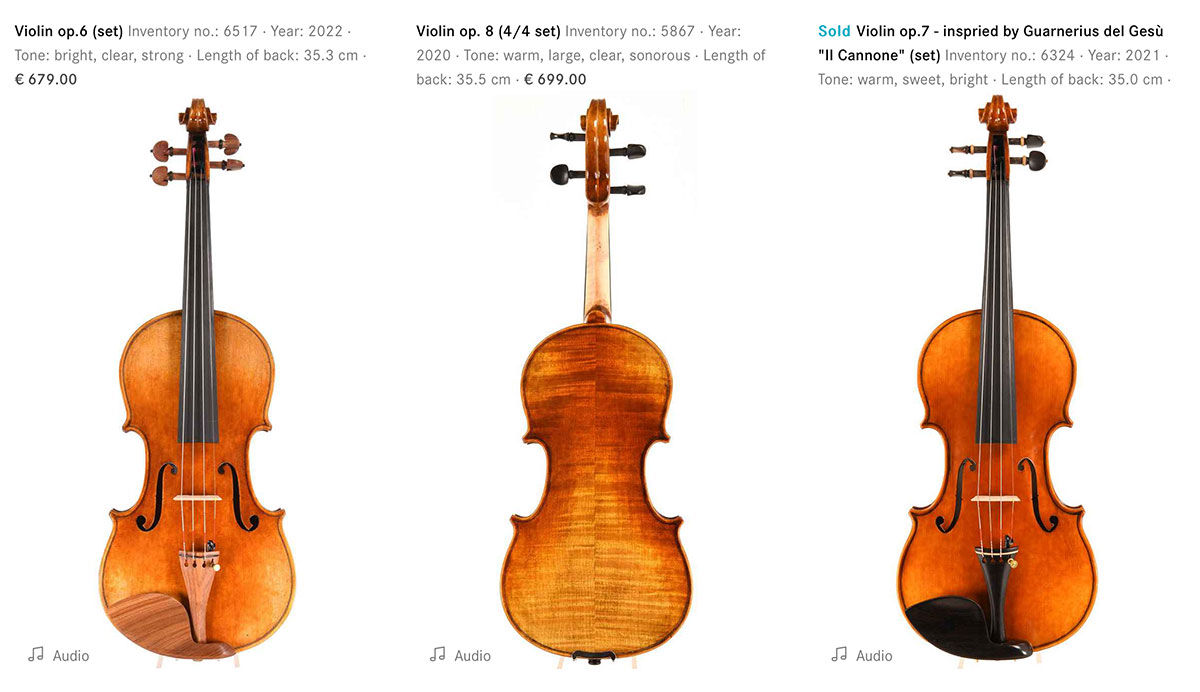
Do not confuse an asking price with a sale price. Online listings often show what sellers hope to receive, not what buyers actually paid.
Auction archives can be useful, but comparisons must match the maker, condition, size, attribution, and date. A famous maker’s auction result should not be used to price an unidentified violin.
Common Mistakes That Lower or Misrepresent Value
The most common mistake is treating a label or family story as proof. The second is spending money on repairs before learning what the instrument is.
Avoid these errors:
- Cleaning the varnish with household products
- Opening the violin without a trained restorer
- Assuming age means high value
- Treating a copied label as proof of authorship
- Using one online price as an appraisal
- Comparing an ordinary violin with a museum-quality example
- Ignoring the value of a separate bow
- Shipping the violin without proper protection
- Advertising a doubtful attribution as fact
- Claiming tax or insurance value without supporting documentation
Be cautious with claims that a violin is “handmade,” “antique,” or “Italian.” Those words can describe style, age, or origin in different ways. Ask for evidence before relying on them.
If the violin contains ivory or suspected ivory in the bow or fittings, cross-border travel and sale may involve U.S. Fish and Wildlife Service rules and state laws. Do not ship or export such an item until you check the current requirements.


Frequently Asked Questions
Are old violins worth more than new violins?
Not always. A well-made modern violin by a respected maker may be worth more than an old factory violin. Buyers pay for quality, sound, maker reputation, condition, and evidence of origin.
How can I tell if my violin is antique?
A label may provide a clue, but it does not prove age. Construction, varnish, wood, repairs, and provenance provide stronger evidence. A luthier or violin specialist should examine the instrument.
Is a violin from the 1800s automatically valuable?
No. Many 19th-century violins were made for students or trade markets. They may be useful and attractive without having high collector value.
What is the most valuable part of an old violin?
The violin itself is usually the main asset, but a fine bow can be worth thousands or tens of thousands of dollars. Check the bow separately rather than treating it as a free accessory.
Should I repair an old violin before selling it?
Get an estimate first. Minor setup work may improve playability and saleability. Major restoration may cost more than the violin’s likely market value, and excessive work can reduce historic originality.
Can I value an old violin from photographs?
Photos can support a preliminary opinion, but they rarely establish authenticity, sound, or structural condition. A serious valuation normally requires an in-person examination.
Where can I check old violin auction prices?
Established auction houses and specialist databases may provide useful records. Compare similar instruments by maker, condition, attribution, and sale date. Do not treat an auction estimate as a guaranteed result.
What to Do Next
Start by photographing the violin, label, scroll, bow, and damage. Write down any family history and gather old receipts, certificates, or insurance papers.
Then ask a qualified luthier or violin dealer for a preliminary review. If the instrument appears to be by a known maker, seek an independent appraisal before cleaning, repairing, insuring, donating, or selling it.
The most reliable answer to “how much is my old violin worth?” comes from matching the instrument to verified examples—not from its age or label alone.
Sources and Research Notes
This guide reflects common U.S. violin-market valuation practice and uses specialist industry resources for context. Prices change with market conditions, attribution, condition, and the sale channel.
Useful reference points include:
- Tarisio — specialist violin and bow auctions, archives, and instrument records
- Skinner Auctioneers — U.S. auction listings and historical sales information
- The American Federation of Violin and Bow Makers — professional maker and specialist information
- The Appraisers Association of America — appraisal standards and finding appraisal professionals
- U.S. Fish & Wildlife Service — current rules that may affect ivory-containing musical instruments and international movement
Auction results and dealer estimates should be treated as market evidence, not guarantees. A personal appraisal remains necessary for a specific violin.

Conclusion
Old violins can be worth $50, $5,000, or far more, but age is only one small part of the answer. The maker, authenticity, condition, sound, provenance, and sales method usually matter more.
If your violin has a famous label, unusual workmanship, a good bow, or a documented history, avoid guesswork. Preserve it as found and have it examined by a qualified U.S. specialist.

Senior Music Reviewer
Alex Carter is a seasoned music reviewer with over a decade of experience in the world of sound and instruments. Passionate about helping musicians and enthusiasts make informed choices, he brings sharp insights and in-depth knowledge to every review. From classical instruments to modern gear, Alex combines technical expertise with a love for music to deliver content that resonates with readers.
As a Senior Music Reviewer and expert author on Tuneluma.com, Alex is dedicated to sharing honest evaluations, practical advice, and thoughtful commentary to guide readers in their musical journey.