What Is A Fret On A Guitar: The Complete 2026 Guide
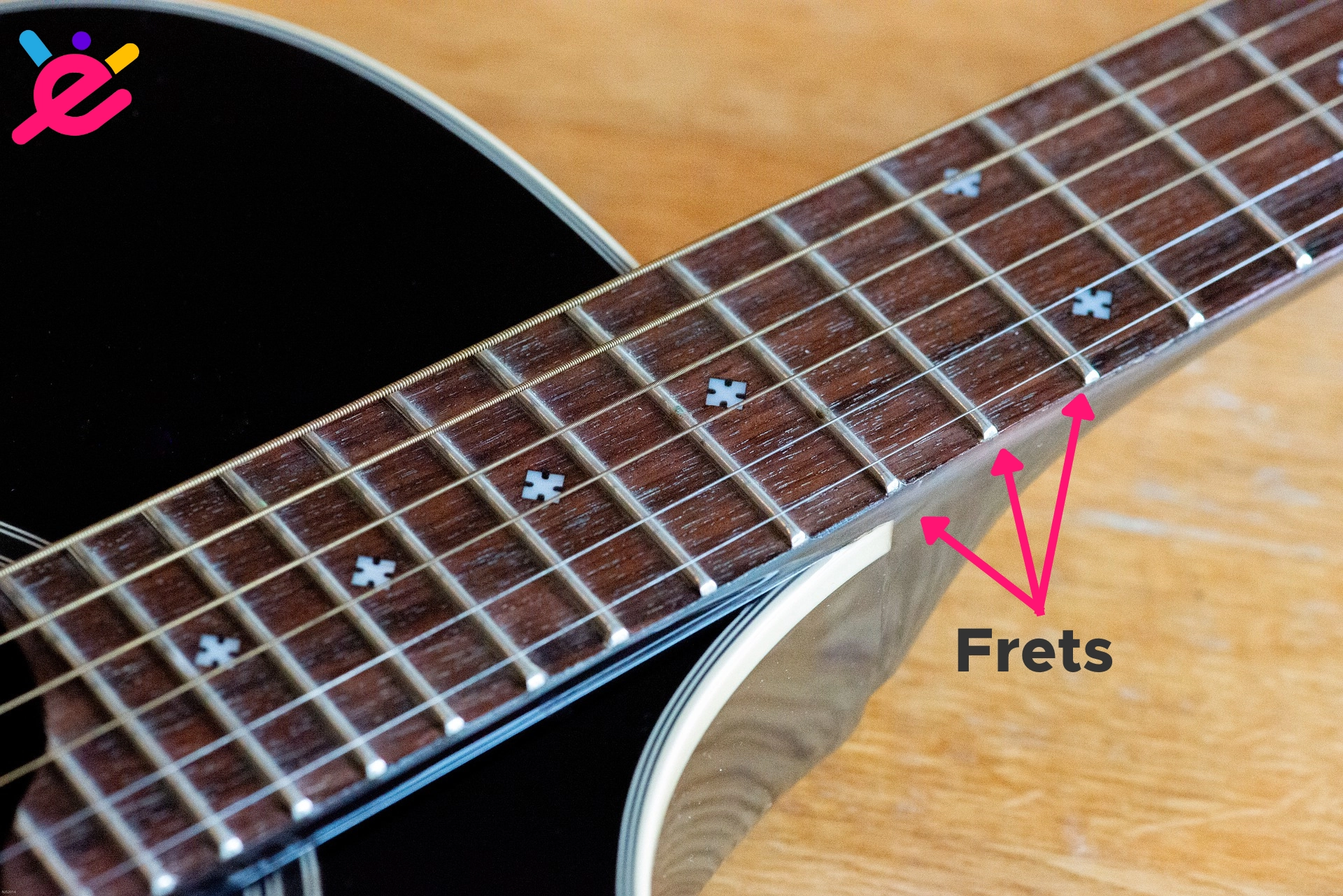
A fret on a guitar is a thin metal strip embedded into the fingerboard that determines the pitch. Learning what a fret on a guitar is feels like a rite of passage for any new player. Whether you hold an acoustic for the first time or tweak an electric for a gig, those metal ridges shape every note. After years of teaching, setting up necks, and watching small misunderstandings slow students down, I want to make frets simple and useful for you. Below I explain how frets work, why they matter, and how to keep them sounding and playing their best.
The Anatomy and Purpose of Frets
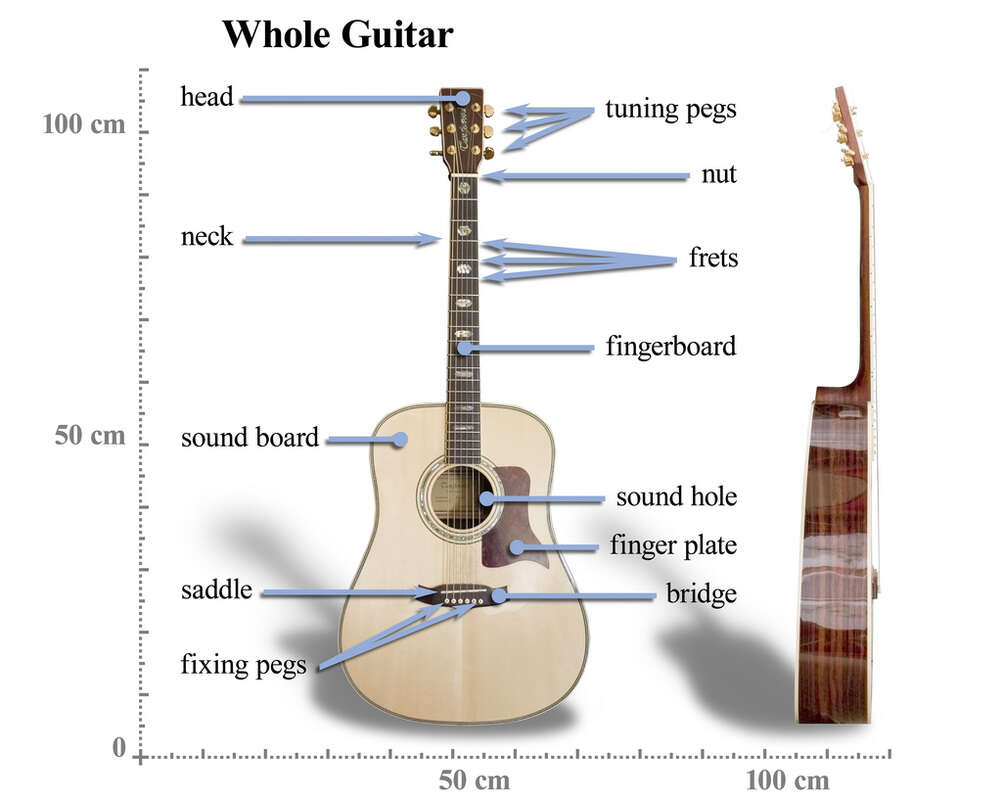
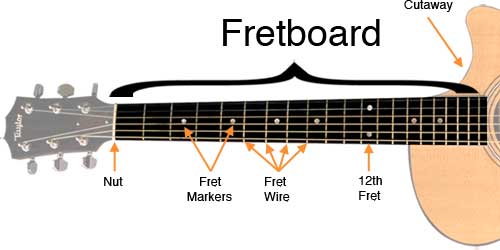
At its simplest, a fret stops the string. When you press a string down, the metal fret wire becomes the contact point. That shortens the vibrating length. Shorter length means a higher pitch. Without frets, most players could not hit precise notes very often.
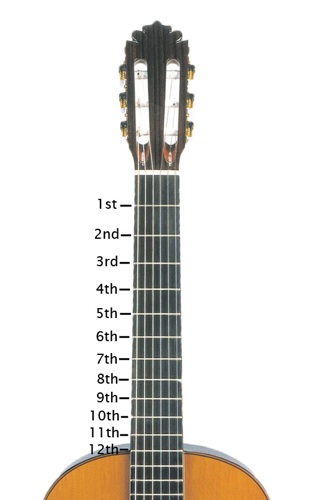
Think of the fretboard as a map of notes. Each fret is a coordinate. Move your finger one fret up and you raise the pitch by one semitone (a half-step). This fixed spacing lets us build scales, play chords, and move around the neck with repeatable results. That predictability is what makes fretted instruments so practical for many styles, from folk to rock to jazz.
I teach students to press just behind the fret, not on top of it. Pressing behind the fret gives a clean note and reduces buzzing. If you press too far from the fret, the note can sound muffled. If you press on top, the pitch can bend sharp. Small changes in hand position make a big difference.
How frets change pitch and intonation
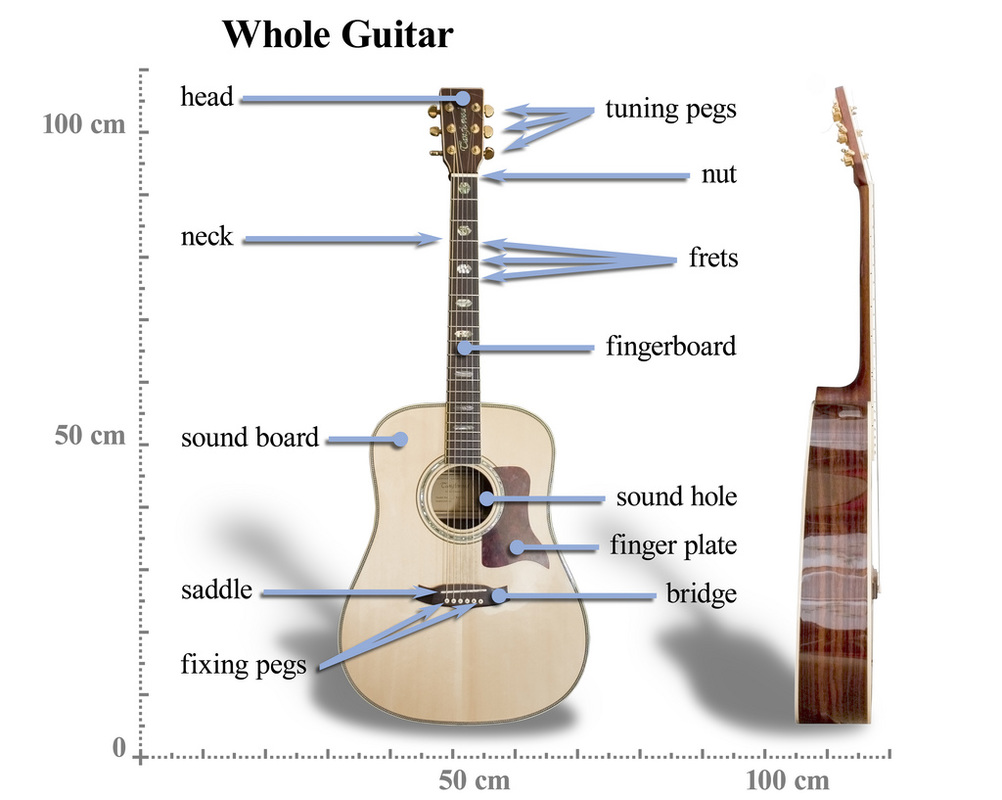
Each fret shortens the string to a precise length. The placement of frets follows the equal-tempered scale. That means each fret is placed so the pitch rises by a fixed ratio. Scale length (the distance from nut to bridge) and fret placement determine intonation. A proper setup checks fret placement, neck relief, and saddle height so open strings and fretted notes track correctly up the neck.
How Material and Size Affect Playability
Fret wire type and height shape how the guitar feels and wears. Most makers use a nickel-silver alloy. Stainless steel frets are harder and last longer. I often choose stainless for touring guitars. They resist wear and stay slick under heavy use.
Fret height and width also matter. Narrow, low frets suit vintage players and fast chord work. Jumbo or tall frets help lead players bend strings with less effort. With taller frets the string sits further from the wood. That gives more clearance for bends and vibrato. If your hands feel like they are fighting the guitar, fret size could be the reason.
Common fret materials and profiles
Here are common materials and what to expect:
- Nickel-silver (standard): Warm tone, easy to work on, good balance of price and feel.
- Stainless steel: Very durable, bright and smooth, harder to fret-dress for some techs.
- Brass and other alloys (less common): Used experimentally for tone or look.
Fret profiles include vintage narrow, medium, and jumbo. Each profile affects finger contact, bend feel, and fret wear. When choosing a guitar or planning a refret, try different profiles if you can.
The fingerboard wood (rosewood, maple, ebony) and radius also change the feel. A round radius suits big-chord playing. A flatter radius helps fast runs and string bending. All these parts work together: frets, fingerboard, strings, and setup.
Maintaining Your Frets for Long Life
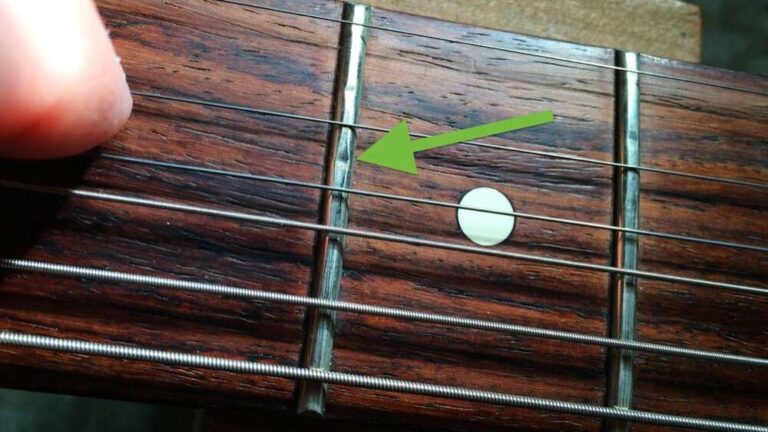
Frets take a lot of wear. Your fingers and strings rub them every session. Over time, grooves can form. Those grooves cause buzzing, dead spots, and poor sustain. A small amount of routine care prevents big repairs down the road.
Simple fret care routine (what I recommend)
- Wipe strings and frets after each use. Remove sweat and grime.
- Change strings regularly. Old strings speed up fret wear.
- Clean the fretboard with an appropriate cleaner when you change strings. Use lemon oil only on unfinished rosewood or ebony, not on maple with a finish.
- Polish frets lightly if they feel rough. Use very fine steel wool or dedicated fret polish and protect the fretboard surface.
- Have a luthier check fret level and intonation yearly, or sooner if you hear buzzing or dead notes.
If frets are badly worn, a professional re-fret or partial refret is the right call. A re-fret restores action and sustain. It can make an old guitar feel new again. Many techs also perform fret leveling, crowning, and polishing. That sequence flattens uneven spots, reshapes the fret crowns for clean contact, and gives a smooth finish.
Signs your frets need professional attention
- Notes sound dull in one area of the neck.
- Frets have visible grooves or flat spots under the strings.
- Unusual buzzing that doesn’t improve with a truss rod or setup adjustment.
- Action cannot be lowered without fret buzz.
- Sharp fret ends or rough edges that irritate your hand.
Keeping your strings clean limits grit that acts like sandpaper on the fret wire. Little care adds years to your frets and saves on costly repairs.
Frequently Asked Questions of what is a fret on a guitar
Do all guitars have frets?
Most modern guitars do, yes. But some instruments are fretless. Examples include fretless basses and some traditional or world instruments. Fretless necks need much more finger precision. Players use them for slides, microtones, and expressive glides that fretted instruments can’t mimic.
Why do my fingers hurt when I press on the frets?
Finger pain is normal when you start. Your skin needs time to build calluses. Use lighter gauge strings for a while if you need relief. A professional setup that lowers the action can also help. Over weeks of practice, your fingertips will toughen up and the pain should fade.
What happens if a fret is not level?
A single high fret interrupts string vibration on adjacent frets. That causes buzzing or dead notes when you play certain frets. Techs fix this with leveling, then crowning and polishing. This restores even height and clean contact across the neck.
Can I replace a single fret on a guitar?
Yes. A skilled technician can replace just one fret if it is damaged or worn. This saves time and money compared to a full refret when only a small area is affected. Partial refrets are common and effective when wear is localized.
Does the height of a fret change the tone?
Yes. Taller frets offer less contact between the string and fingerboard wood. That often yields a clearer, slightly brighter sound and easier bends. Lower frets give a closer, more traditional feel and can allow faster chord work for some players. Tone differences are subtle but real, and playability often dictates the choice more than tone alone.
How do frets affect intonation and scale length?
Fret placement is calculated from the scale length. If frets are moved or incorrectly placed, intonation suffers. Proper setup checks the nut, bridge, and fretwork. That ensures each fret produces the correct pitch up the neck. Techs use precise measuring tools and sometimes re-slot or re-cut the bridge saddle to fine-tune intonation.
Can I change the fret size or material on my guitar?
Yes. During a refret you can choose a different fret profile or material. Many players upgrade to stainless steel for longevity. Others switch profiles to better suit their technique. Talk with a luthier about your playing style and budget before deciding.
Conclusion
Understanding what a fret on a guitar is helps you play better and care for your instrument. Frets guide pitch, add consistency, and shape feel and tone. With the right material, profile, and maintenance, frets last a long time and keep your guitar sounding great. Look closely at your own fretboard today. Feel the wire, check for wear, and note how the size and material affect your bends and chords. If you want to dive deeper into guitar maintenance or technique, feel free to explore our library of guides or leave a comment with your specific questions. Happy playing!

Senior Music Reviewer
Alex Carter is a seasoned music reviewer with over a decade of experience in the world of sound and instruments. Passionate about helping musicians and enthusiasts make informed choices, he brings sharp insights and in-depth knowledge to every review. From classical instruments to modern gear, Alex combines technical expertise with a love for music to deliver content that resonates with readers.
As a Senior Music Reviewer and expert author on Tuneluma.com, Alex is dedicated to sharing honest evaluations, practical advice, and thoughtful commentary to guide readers in their musical journey.