If you are learning piano in the United States, “Jesus Loves Me” is a good first hymn because its tune uses simple notes and familiar chords. You can play a basic version in the key of C with your right hand on the melody and your left hand playing three main chords: C, F, and G.
This guide shows the notes, chords, finger numbers, rhythm, and practice steps you need to play the song from start to finish.

What You Need Before You Start
You do not need to read advanced sheet music to play this version. You only need to know a few piano basics:
- Middle C: The C near the center of the keyboard.
- Right hand: Usually plays the melody.
- Left hand: Usually plays chords or bass notes.
- Chord: Three or more notes played together.
- Measure: A small group of beats in the music.
- 4/4 time: Four steady beats in each measure.
This beginner arrangement uses the key of C major. That means the song uses only the white keys:
C – D – E – F – G – A – B
The familiar hymn has words by Anna Bartlett Warner and a tune commonly linked to William Batchelder Bradbury. Many hymnals and children’s songbooks in the United States use slightly different arrangements, so you may hear small changes in rhythm or melody.
The notes below give you a simple version for home practice, church music, or teaching a beginner.

Right-Hand Melody for “Jesus Loves Me”
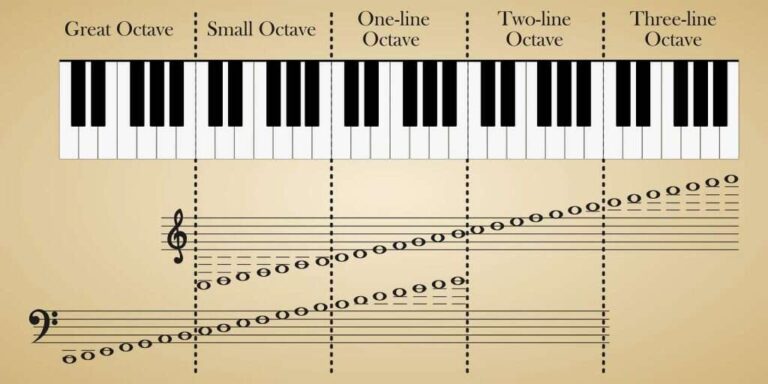
Start with your right-hand thumb on middle C. The melody begins on E, which is the third white key above middle C.
Use this basic finger pattern:
- 1 = thumb
- 2 = index finger
- 3 = middle finger
- 4 = ring finger
- 5 = little finger
Verse melody
the first verse is:
Jesus loves me, this I know
For the Bible tells me so
Little ones to Him belong
They are weak, but He is strong
Here is a simple note pattern:
| Lyric phrase | Melody notes |
|---|---|
| Jesus loves me, this I know | E D C D E E E |
| For the Bible tells me so | D D D E G G |
| Little ones to Him belong | E D C D E E E |
| They are weak, but He is strong | E D D E D C |
Play the notes in order. Hold the last note of each phrase a little longer when it feels natural.
Suggested right-hand fingering
A comfortable fingering in C major is:
| Notes | Suggested fingers |
|---|---|
| E D C D E E E | 3 2 1 2 3 3 3 |
| D D D E G G | 2 2 2 3 5 5 |
| E D C D E E E | 3 2 1 2 3 3 3 |
| E D D E D C | 3 2 2 3 2 1 |
This fingering is only a guide. If your hand feels tense, adjust it. Keep your fingers curved and let your wrist stay loose.
Chorus melody
The chorus begins:
Yes, Jesus loves me
Yes, Jesus loves me
Yes, Jesus loves me
The Bible tells me so
A common beginner version uses these notes:
| Lyric phrase | Melody notes |
|---|---|
| Yes, Jesus loves me | G E E |
| Yes, Jesus loves me | G E E |
| Yes, Jesus loves me | G E E |
| The Bible tells me so | E D C D E E E |
Some versions use a longer rhythm on the words “loves me.” Listen to the tune in your hymnal or songbook if your version differs.

Left-Hand Chords You Need
The easiest way to accompany the melody is to play one chord at the start of each phrase. The three main chords are C major, F major, and G major.
C major chord
Play:
C – E – G
Use your left hand:
- Little finger on C
- Middle finger on E
- Thumb on G
F major chord
Play:
F – A – C
Use your left hand:
- Little finger on F
- Middle finger on A
- Thumb on C
G major chord
Play:
G – B – D
Use your left hand:
- Little finger on G
- Middle finger on B
- Thumb on D
You can play the chords as full groups, or you can play only the lowest note at first. Single bass notes are easier for a new player and still support the melody.
Simple chord chart
This chart gives one useful starting pattern:
| Lyric phrase | Main chord |
|---|---|
| Jesus loves me, this I know | C |
| For the Bible tells me so | G |
| Little ones to Him belong | C |
| They are weak, but He is strong | C or G |
| Yes, Jesus loves me | C |
| Yes, Jesus loves me | F |
| Yes, Jesus loves me | C |
| The Bible tells me so | G then C |
This is a simplified accompaniment. A printed hymn arrangement may use more chord changes.

How to Play the Song Step by Step
Follow these steps if you are starting from the beginning.
1. Find middle C
Sit at the center of the keyboard. Find the group of two black keys near the middle. The white key just to the left is middle C.
Then find the E above it. This is where the right-hand melody starts.
2. Practice the melody alone
Play the right-hand notes without singing at first:
E D C D E E E
Repeat this line until the notes feel easy. Then add:
D D D E G G
Play slowly and keep an even beat.
3. Practice each phrase separately
Do not try to play the whole hymn at once. Break it into four short phrases:
- E D C D E E E
- D D D E G G
- E D C D E E E
- E D D E D C
Repeat each phrase three to five times. Then connect two phrases.
4. Add the left hand
When your right hand feels steady, play a left-hand chord at the beginning of each phrase.
For example:
- Play C major, then the first melody phrase.
- Play G major, then the second melody phrase.
- Play C major, then the third melody phrase.
- Play C major or G major, then the fourth phrase.
Do not worry about playing both hands quickly. Accuracy matters more than speed.
5. Add a steady pulse
Count:
1 – 2 – 3 – 4
Keep the count even. The melody should move with the pulse rather than rush ahead.
You can also count:
1 and 2 and 3 and 4 and
This helps when a lyric has several notes close together.
6. Add the words
Sing or speak the lyrics as you play. Words help you remember where each melody note belongs.
If singing makes you lose your place, hum the tune first. Then add the words after the notes feel secure.
7. Practice the chorus
The chorus repeats the phrase “Yes, Jesus loves me,” so it is useful for building confidence. Play it softly the first time, then repeat it with a slightly fuller sound.
End the final phrase on a clear C major chord. Let the chord ring before lifting your hands.

Three Easy Accompaniment Styles
Once you can play the melody, choose one of these left-hand styles.
Style 1: Single bass notes
Play one note with the left hand:
- C for a C chord
- F for an F chord
- G for a G chord
This is the easiest option. It works well when you are still learning hand coordination.
Style 2: Block chords
Play all three notes of each chord at the same time:
- C–E–G
- F–A–C
- G–B–D
Hold each chord for the phrase or until the harmony changes.
This style gives the song a full sound without requiring a complex rhythm.
Style 3: Broken chords
Play the notes one at a time instead of together.
For C major, play:
C – E – G – E
For F major, play:
F – A – C – A
For G major, play:
G – B – D – B
Repeat the pattern evenly. This creates a gentle accompaniment and can sound more flowing than block chords.
For a beginner, start with single bass notes. Move to block chords when you can play the melody without stopping. Try broken chords last.
How Fast Should You Play?
Use a slow, comfortable tempo. There is no need to match a recording.
A useful practice range is about 60 to 80 beats per minute, but the right speed is the one that lets you play without errors. A metronome can help you keep a steady beat.
Increase the speed only when:
- You can play the notes in the correct order.
- Your hands remain relaxed.
- You do not stop between phrases.
- You can keep a steady pulse.
- You can play the ending clearly.
A slow, even performance sounds better than a fast performance with missed notes.
Common Problems and Simple Fixes
The hands do not stay together
Practice each hand alone. Then play only the first two or three notes with both hands. Add more notes after that small section feels comfortable.
The melody sounds wrong
Check the starting note. In this version, the melody begins on E, not C. Also check that you are using the same version of the hymn throughout your practice.
The left hand feels too difficult
Use single bass notes instead of full chords. You can also play the chord with only two notes, such as C and G for a C chord.
The song sounds flat
Try holding the last note of each phrase a little longer. You can also play the chorus slightly louder than the verse.
Do not press harder with stiff fingers. Use relaxed arms and gentle movement.
You lose your place in the lyrics
Write the first letter of each note above the words, or mark the beginning of each phrase in your music. Short phrase markers can make the song easier to follow.
Your hands feel tired
Stop and relax. Keep your shoulders down and avoid pressing the keys with more force than needed. If you feel pain rather than normal effort, take a break and review your posture.

Can You Play “Jesus Loves Me” in Other Keys?
Yes. The song can be moved to another key, but the note names and chords will change.
The key of C is useful for beginners because it has no sharps or flats. If the song is too high or low for your voice, you can transpose it.
For example, in the key of G:
- C major becomes G major.
- F major becomes C major.
- G major becomes D major.
The melody also moves up by the same musical distance. If you are using a printed arrangement, follow its key rather than mixing notes from two different versions.
A keyboard with a transpose function can shift the sound electronically, but the written notes may not change on the page. For learning, it is usually better to understand the new key rather than rely only on the transpose button.

Quick Reference: Beginner Version
Melody
Verse 1
- E D C D E E E
- D D D E G G
- E D C D E E E
- E D D E D C
Chorus
- G E E
- G E E
- G E E
- E D C D E E E
Main chords
- C major: C–E–G
- F major: F–A–C
- G major: G–B–D
Best practice order
- Learn the right-hand melody.
- Practice the left-hand chords.
- Combine one phrase at a time.
- Add the lyrics.
- Use a steady, slow tempo.
- Finish with a clear C major chord.

Key Takeaways
- The easiest starting key is C major.
- The right hand plays the melody.
- The left hand can use C, F, and G chords.
- Begin with single bass notes if full chords feel hard.
- Practice in short phrases instead of playing the whole song at once.
- Keep the beat slow and steady.
- Expect small note or rhythm changes between hymnbook versions.
FAQs
What are the first notes of “Jesus Loves Me” on piano?
The common beginner melody begins:
E – D – C – D – E – E – E
These notes match the words “Jesus loves me, this I know.”
What chords are used in “Jesus Loves Me”?
A simple version uses C major, F major, and G major. Some arrangements add other chords or change the timing of the chord changes.
Is “Jesus Loves Me” easy for piano beginners?
Yes. The tune is short, repetitive, and mainly uses white keys in the key of C. The song becomes easier when you learn the melody first and add the left hand later.
Can I play the song with one hand?
Yes. Play the right-hand melody alone. You can add the left-hand bass notes or chords after you feel comfortable with the tune.
How do I make the song sound more advanced?
Try broken chords in the left hand, vary the volume between the verse and chorus, and use a gentle sustain pedal. If you use the pedal, change it when the chord changes so the harmony does not become muddy.
Conclusion
To play “Jesus Loves Me” on the piano, start in C major with the right-hand melody:
E D C D E E E
Then add the simple left-hand chords C, F, and G. Practice one phrase at a time, keep a slow beat, and add the lyrics only after the notes feel steady. With regular practice, you can move from a one-hand melody to a warm, full accompaniment.

Senior Music Reviewer
Alex Carter is a seasoned music reviewer with over a decade of experience in the world of sound and instruments. Passionate about helping musicians and enthusiasts make informed choices, he brings sharp insights and in-depth knowledge to every review. From classical instruments to modern gear, Alex combines technical expertise with a love for music to deliver content that resonates with readers.
As a Senior Music Reviewer and expert author on Tuneluma.com, Alex is dedicated to sharing honest evaluations, practical advice, and thoughtful commentary to guide readers in their musical journey.