Can You Learn Piano As An Adult: Easy Beginner Guide
Yes, adults can learn piano at any age with steady practice, patience, and clear guidance.
If you wonder, “can you learn piano as an adult?” the answer is a strong yes. Adult learners often bring focus, life experience, and a clear reason for learning. With the right piano lessons, practice plan, and realistic goals, you can build skill without feeling rushed or overwhelmed.
Can You Learn Piano as an Adult?
Yes, you can learn piano as an adult, even if you have never read music or touched a keyboard before. The brain can continue building new skills throughout life. This ability, called neuroplasticity, helps adults form new connections through repeated practice.
Adult piano students may learn differently from children, but “different” does not mean “worse.” Adults often understand patterns, follow instructions well, and practice with a clear purpose. These strengths can make learning more efficient.
You may not become a concert pianist in a few months. However, you can learn songs, play chords, read basic sheet music, improvise, and enjoy the instrument. Progress depends more on consistent practice than on age.

Why Adults Make Successful Piano Learners
Many adults begin piano with concerns about age, memory, or coordination. These concerns are common, but they often come from unrealistic comparisons. You do not need to learn like a child or compete with someone who started at age five.
Adults often have several useful advantages:
• Clear goals: You may want to play worship music, classical pieces, film themes, jazz, or songs for your family.
• Better focus: Adults can often spend 20 focused minutes on one task without constant reminders.
• Strong listening skills: Years of hearing music can help you notice rhythm, pitch, and emotion.
• More patience: Adults may understand that skill grows through small wins.
• Personal choice: You can choose music that truly matters to you.
When people ask, “can you learn piano as an adult?” I encourage them to focus on purpose rather than age. A learner who practices because music brings joy may progress faster than someone who studies only from pressure.
The Main Challenges of Learning Piano as an Adult
Learning piano as an adult is rewarding, but it can feel difficult at first. Your hands may feel stiff. Reading two musical lines at once may seem confusing. You may also become frustrated when your mind understands a passage before your fingers can play it.
These challenges are normal. Piano requires your brain, eyes, ears, and hands to work together. This is similar to learning a new language. At first, you translate every word. With time, common patterns become familiar.
Common adult learning challenges include:
• Limited time: Work, family, and daily tasks can reduce practice time.
• Fear of mistakes: Adults often judge themselves more harshly than children do.
• Slow coordination: Each hand may seem easy alone but difficult together.
• Muscle tension: Stress can cause tight wrists, raised shoulders, or stiff fingers.
• Unrealistic goals: Trying to play a difficult song too soon can damage motivation.
The solution is not to avoid difficulty. The solution is to divide each challenge into small steps. Practice one phrase, one hand, or one rhythm at a time.

How Long Does It Take to Learn Piano as an Adult?
The time needed depends on your goals, practice habits, musical background, and access to guidance. Someone who practices 20 minutes five days a week may improve more steadily than someone who practices for two hours once every two weeks.
Here is a general guide:
• After one month, you may play simple melodies and basic rhythms.
• After three months, you may read easy music and use common chords.
• After six months, you may play several complete beginner songs.
• After one year, you may have stronger rhythm, smoother changes, and better confidence.
These time frames are estimates, not promises. Learning piano as an adult is not a race. Some learners progress quickly with structured lessons, while others need more time because of work, health, or family demands.
Track progress by comparing yourself with your past performance. If a song feels easier this week, that is progress. If your hands relax more quickly, that is also progress.

How to Start Learning Piano as an Adult
A simple plan can make the first month less confusing. You do not need an expensive instrument or a large stack of books. You need a playable keyboard, a good learning method, and a routine you can maintain.
Choose the Right Instrument
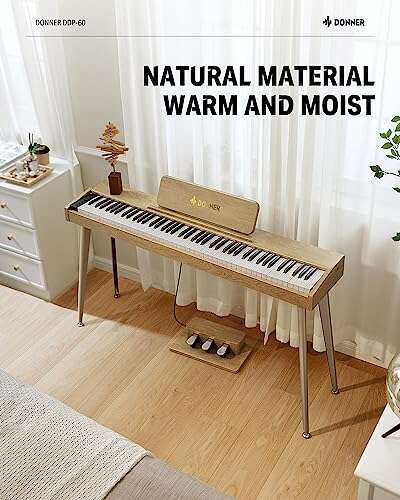
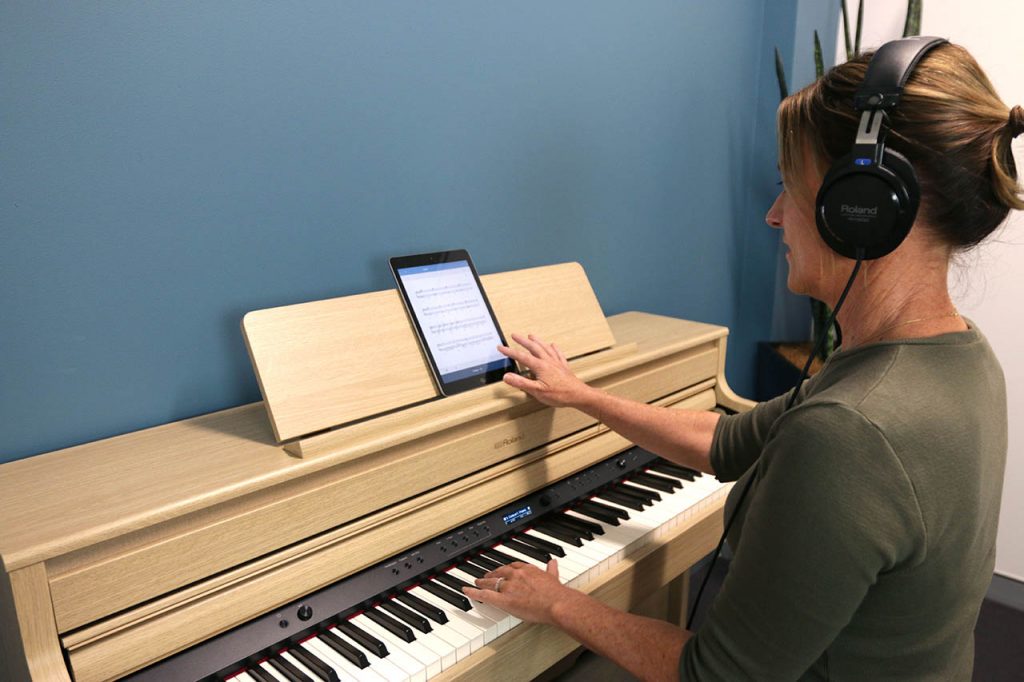
An acoustic piano offers a rich sound and a natural key response. A digital piano may be more practical because it takes less space and often includes headphones, volume control, and recording features.
For a serious beginner, look for:
• Full-size, 88-key design if possible
• Touch-sensitive keys
• Weighted or semi-weighted action
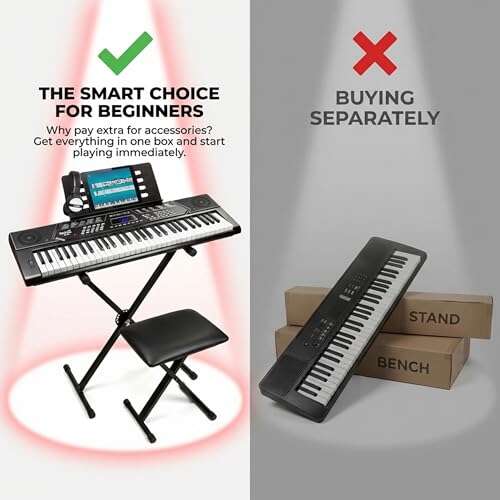
• A comfortable bench at the correct height
• A stand that keeps the instrument stable
A small keyboard can work for basic exploration, but limited keys may become a problem as you advance.
Set a Practical Goal
Choose one clear goal for your first three months. Examples include:
• Playing five easy songs
• Reading simple treble and bass clef notes
• Learning major and minor chords
• Playing while singing
• Performing for a friend or family member
A goal gives your practice direction. It also helps you choose the right lessons and music.
Build a Small Practice Routine
Start with 15 to 30 minutes. A short routine is easier to repeat than a large plan that feels impossible.
Try this structure:
-
Spend three minutes warming up with relaxed finger movements.
-
Spend five minutes reviewing notes, chords, or rhythm.
-
Spend 10 to 15 minutes on a song.
-
Spend two minutes playing something enjoyable.
Regular practice matters more than perfect practice.

The Best Practice Methods for Adult Beginners
Good practice is active. Simply playing a song from beginning to end may feel satisfying, but it does not always fix mistakes. Focused practice targets one problem at a time.