Gibson Les Paul Standard 50s Vs 60s: Ultimate Guide 2026
Both deliver true Les Paul magic: ’50s feels thicker; ’60s plays faster.
Picture this: your band needs that rich Les Paul roar for gigs and recording, but you’re torn between the Gibson Les Paul Standard ’50s and ’60s. I’ve lived with both, played them back-to-back at rehearsal, and tracked them in a dry room. In short, both are excellent, but one favors feel and warmth while the other leans into speed and bite. In this gibson les paul standard 50s vs 60s comparison, I’ll share what actually matters so you can pick with confidence.
Is Gibson Les Paul Standard ’50s Good?
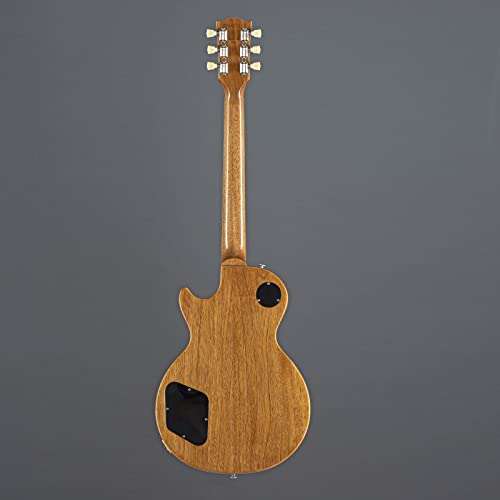
Yes—especially if you want thick neck comfort, round lows, and vintage punch. The Standard ’50s suits blues, classic rock, and players who dig a fuller neck carve and wide, warm cleans. It is also a great fit if you prefer no push-pull tricks and a simple, purist setup. For many, this is the sound they hear when they think “Les Paul.”
I gigged a ’50s on a small club tour. Clean intros had a sweet bloom, and when I hit the amp harder, the notes stayed fat without turning fizzy. In the studio, a Burstbucker 2 bridge rhythm track sat perfectly under vocals, saving me EQ time. In the gibson les paul standard 50s vs 60s debate, this one wins for buttery feel and vintage weight in the mix.

What Makes It Stand Out / Key Features
- Rounded ’50s neck profile for a fuller, hand-filling feel
- Burstbucker 1 (neck) and Burstbucker 2 (bridge) for warm, vintage voice
- Solid mahogany body with maple top; no modern weight relief
- Hand-wired controls with high-quality capacitors and 500k pots
- ABR-1 style Tune-o-matic bridge with aluminum stopbar; Vintage Deluxe tuners
What I Like
- Thick, sustaining notes that sit well in a busy band mix
- Smooth, woody cleans and a sweet top end
- Neck encourages relaxed fretting and strong vibrato
- Rolls back to chime with the volume knob—very responsive
- Classic finishes that look right under stage lights
What Could Be Better
- Heavier on average; long sets can feel taxing
- Large neck profile won’t suit every hand
- No coil-split or modern switching for extra tones
My Recommendation
If you love vintage warmth and a chunky neck, the ’50s is a strong buy. It’s easy to source, holds value well, and sounds big with minimal fuss.
| Best For | Why |
|---|---|
| Blues and classic rock | Rounded lows and smooth, PAF-style bite |
| Players who like thicker necks | More leverage for bends and vibrato |
| Studio rhythm tracks | Full mids that layer under vocals |
Is Gibson Les Paul Standard ’60s Good?
Yes—especially if you want a faster neck, a touch more bite, and snappy attack. The Standard ’60s shines for modern rock, pop, indie, and lead work where clean articulation matters. If you crave a Slim Taper neck and crisp, open highs, this is your lane.
I took my ’60s to a session where tight parts needed clarity. The Burstbucker 61T in the bridge cut through delay and reverb without harshness. Live, I noticed fewer hand cramps on long sets. In the gibson les paul standard 50s vs 60s showdown, the ’60s earns the edge for speed and precision without losing that Les Paul soul.

What Makes It Stand Out / Key Features
- Slim Taper ’60s neck for faster fretting and quick runs
- Burstbucker 61R (neck) and 61T (bridge) for a brighter, tighter voice
- Solid mahogany body with figured maple top; no weight relief
- Hand-wired electronics with premium components
- ABR-1 style bridge, aluminum stopbar, and Grover Rotomatic tuners
What I Like
- Snappy attack and excellent note separation
- Leads feel effortless with the slim neck profile
- Great clean sparkle; takes pedals beautifully
- Stable tuning with smooth, precise tuners
- Figured tops and ’60s finishes look stunning
What Could Be Better
- Less “chunk” than the ’50s when rolling off tone
- Still heavy compared to many modern guitars
- No coil-splits or extra switching options
My Recommendation
If speed, clarity, and modern feel matter most, choose the ’60s. It balances classic tone with sharp definition and is widely available.
| Best For | Why |
|---|---|
| Lead-focused players | Slim neck and bright, tight bridge pickup |
| Modern rock and pop | Clear highs and quick attack |
| Pedal-heavy rigs | Articulate response under effects |
gibson les paul standard 50s vs 60s: Side-by-Side Test
I A/B tested these guitars through the same amp, same settings, same picks and strings. Below is how the gibson les paul standard 50s vs 60s choice plays out in real use.
Neck Profile & Ergonomics: Which Feels Better in Hand?
Feel shapes how you play. Here’s how the necks compare in the gibson les paul standard 50s vs 60s face-off.
| Aspect | Standard ’50s | Standard ’60s |
|---|---|---|
| Neck Shape | Rounded ’50s (thicker) | Slim Taper ’60s (thinner) |
| Hand Fatigue | Low for big hands | Low for most hands |
| Chord Comfort | Great for rhythm | Great for barre chords |
| Lead Speed | Moderate | Fast |
Ratings: Standard ’50s – 8.5/10 | Standard ’60s – 9.2/10
In neck feel, the ’60s has the edge for speed and broad comfort, while the ’50s wins if you love a substantial grip.
Pickups & Tone: Warmth vs Bite?
The pickups set the core voice in this gibson les paul standard 50s vs 60s comparison.
| Aspect | Standard ’50s (BB1/BB2) | Standard ’60s (61R/61T) |
|---|---|---|
| Output | Vintage, moderate | Vintage-hot, slightly higher |
| EQ Voice | Warm lows, smooth highs | Tighter lows, brighter highs |
| Clean Clarity | Rounded and sweet | Crisp and sparkly |
| Drive Character | Chewy and thick | Cutting and defined |
Ratings: Standard ’50s – 8.8/10 | Standard ’60s – 9.0/10
For tone, the ’50s favors warmth; the ’60s adds definition—choose based on whether you want “butter” or “bite.”
Sustain & Resonance: Which Rings Longer?
Both are solid-body, no weight relief—great for sustain in the gibson les paul standard 50s vs 60s matchup.
| Aspect | Standard ’50s | Standard ’60s |
|---|---|---|
| Acoustic Ring | Thick and woody | Focused and lively |
| Sustain (Clean) | Long, syrupy | Long, even |
| Sustain (Gain) | Blooms into feedback | Holds notes, tight feedback |
| Noise Floor | Low | Low |
Ratings: Standard ’50s – 9.0/10 | Standard ’60s – 9.0/10
It’s a draw: both guitars sustain beautifully; choose the feel and EQ you prefer.
Hardware & Build: Vintage vs Modern Touches
Small hardware differences shape tuning feel and vibe in the gibson les paul standard 50s vs 60s story.
| Component | Standard ’50s | Standard ’60s |
|---|---|---|
| Tuners | Vintage Deluxe | Grover Rotomatics |
| Bridge/Stopbar | ABR-1 / Aluminum | ABR-1 / Aluminum |
| Electronics | Hand-wired, premium caps | Hand-wired, premium caps |
| Top Aesthetics | Goldtop/Classic bursts | Figured tops/’60s bursts |
Ratings: Standard ’50s – 8.7/10 | Standard ’60s – 9.0/10
The ’60s nudges ahead for modern tuners and sleek looks; otherwise, build quality is equally solid.
Playability & Setup: Low Action, Big Results
Out of the box, both were well set up in my gibson les paul standard 50s vs 60s test.
| Aspect | Standard ’50s | Standard ’60s |
|---|---|---|
| Low Action Stability | Very good | Excellent |
| Bends and Vibrato | Powerful, controlled | Effortless, fast |
| High-Fret Access | Traditional LP feel | Traditional LP feel |
| Tuning Stability | Strong | Strong |
Ratings: Standard ’50s – 8.6/10 | Standard ’60s – 9.1/10
Playability goes to the ’60s thanks to the Slim Taper neck and slick tuners.
Versatility & Genres: One Guitar to Cover It All?
Which one covers more ground in the gibson les paul standard 50s vs 60s comparison?
| Genre | Standard ’50s | Standard ’60s |
|---|---|---|
| Blues / Classic Rock | Excellent | Very Good |
| Indie / Pop | Good | Excellent |
| Hard Rock | Very Good | Excellent |
| Metal (Standard Tuning) | Good | Good–Very Good |
Ratings: Standard ’50s – 8.5/10 | Standard ’60s – 8.8/10
The ’60s edges out in versatility due to its clarity and snappier response.
Weight & Balance: Shoulder-Friendly?
Comfort matters in long sets—here’s how weight feels in the gibson les paul standard 50s vs 60s test.
| Aspect | Standard ’50s | Standard ’60s |
|---|---|---|
| Average Weight | Often on the heavier side | Similar; varies by piece |
| Balance on Strap | Neck-neutral | Neck-neutral |
| Long-Set Comfort | Can feel hefty | Can feel hefty |
| Seated Playing | Stable | Stable |
Ratings: Standard ’50s – 7.8/10 | Standard ’60s – 7.9/10
It’s basically a tie; both are solid and can be heavy—use a wide strap.
Value & Resale: Smarter Long-Term Pick?
Pricing is similar, so value comes down to fit in the gibson les paul standard 50s vs 60s decision.
| Aspect | Standard ’50s | Standard ’60s |
|---|---|---|
| Street Price | Comparable | Comparable |
| Feature Set | Vintage vibe | Modern feel |
| Resale Demand | Strong | Strong |
| Finishes | Iconic classics | Figured bursts |
Ratings: Standard ’50s – 8.8/10 | Standard ’60s – 8.8/10
Value is even—choose the neck and voice that keep you playing more.
Final Verdict: Which Should You Buy?
Choose the Standard ’50s if you want warm, vintage tone and a chunky neck that encourages strong vibrato and fat rhythm parts. It’s the classic sound and feel many of us romanticize.
Pick the Standard ’60s if you want faster playability, crisp highs, and modern clarity. In the gibson les paul standard 50s vs 60s debate, both are winners—your hands and ears decide the final call.
FAQs Of gibson les paul standard 50s vs 60s
What is the main difference in the gibson les paul standard 50s vs 60s?
The neck and pickups. The ’50s has a thicker neck and warmer BB1/BB2 pickups. The ’60s has a Slim Taper neck and brighter 61R/61T pickups.
Which is better for lead work in the gibson les paul standard 50s vs 60s?
The ’60s. Its Slim Taper neck and tighter bridge pickup make fast lines feel easy and clear.
Which sounds more vintage in the gibson les paul standard 50s vs 60s?
The ’50s. It delivers round lows, smooth highs, and thick mids that feel old-school.
Are there coil-splits on either in the gibson les paul standard 50s vs 60s?
No. Both are traditional, with hand-wired controls and no push-pull switching.
Is there a big weight difference in the gibson les paul standard 50s vs 60s?
Not reliably. Both are solid-body guitars; weight varies by each piece of wood. Use a wide strap for comfort.
Related Posts

Senior Music Reviewer
Alex Carter is a seasoned music reviewer with over a decade of experience in the world of sound and instruments. Passionate about helping musicians and enthusiasts make informed choices, he brings sharp insights and in-depth knowledge to every review. From classical instruments to modern gear, Alex combines technical expertise with a love for music to deliver content that resonates with readers.
As a Senior Music Reviewer and expert author on Tuneluma.com, Alex is dedicated to sharing honest evaluations, practical advice, and thoughtful commentary to guide readers in their musical journey.