What Is A Stride Piano: Beginner’s Guide To The Style
Stride piano is a jazz piano style that pairs jumping left-hand bass lines with syncopated right-hand melodies.
If you have heard old Harlem jazz, you may have noticed a piano that sounds almost like a full band. That sound often comes from stride piano. It grew from ragtime, shaped early jazz, and taught pianists how to create bass, harmony, rhythm, and melody at once. This guide explains what stride piano is, how it works, where it came from, and how you can begin playing it.
What is stride piano?
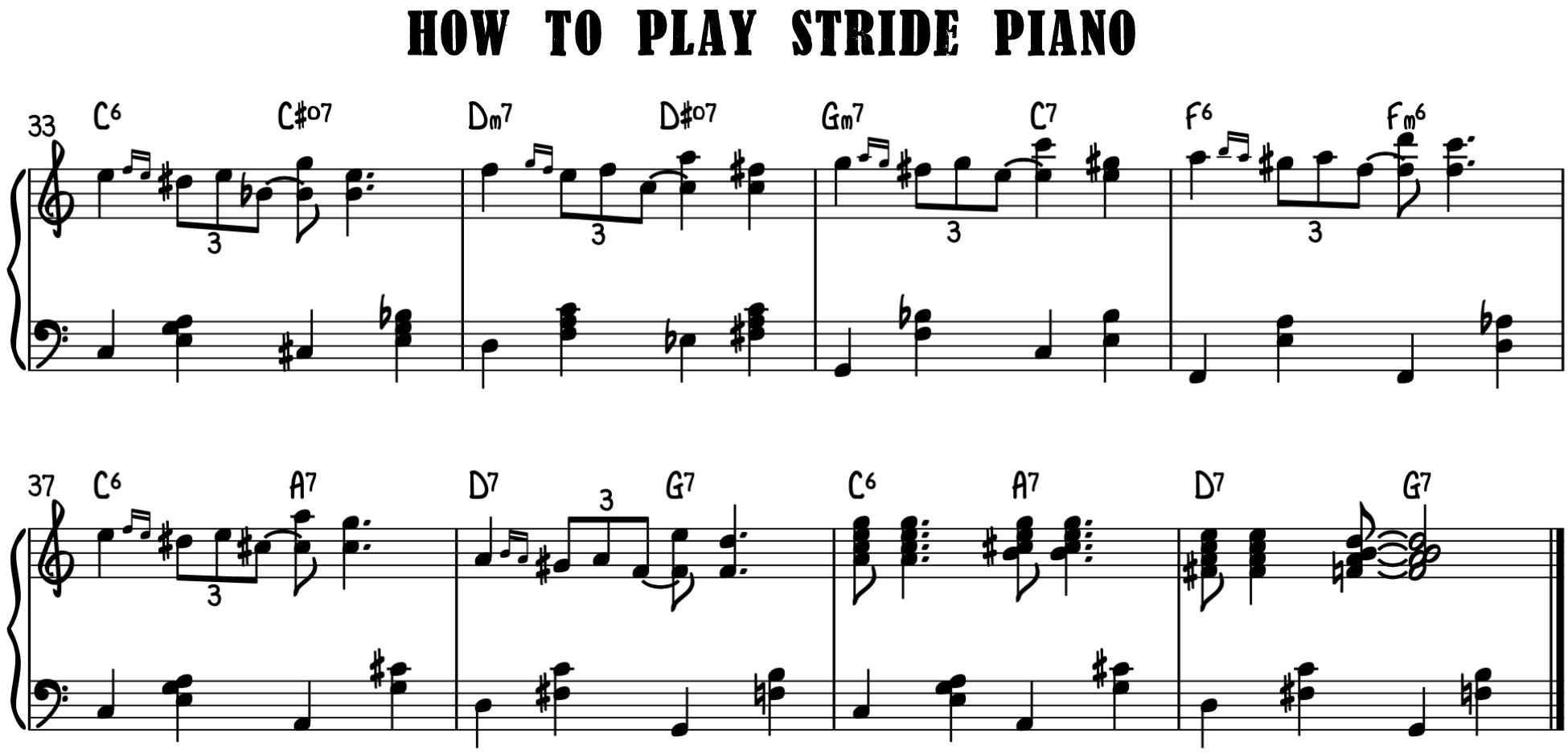
Stride piano is a solo piano style built around a powerful left-hand pattern. The left hand usually jumps between a low bass note or octave and a higher chord. The right hand plays the melody, adds fills, and creates syncopated rhythms.
The word “stride” describes the wide movement of the left hand across the keyboard. The hand seems to step, or stride, from the bass to the chord and back again. This motion gives the music a strong pulse and makes one pianist sound like a small rhythm section.
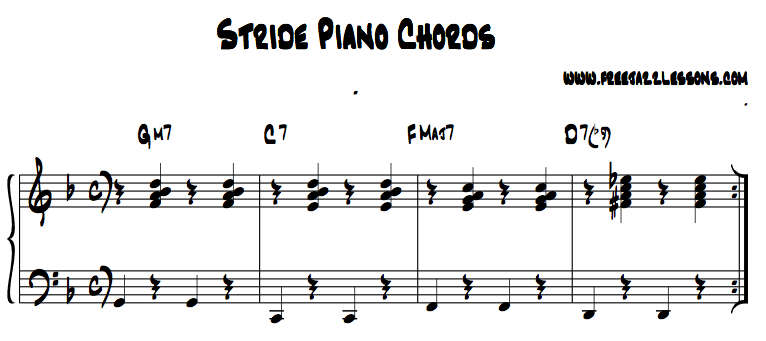
A basic stride piano pattern may look like this:
- The left hand plays a bass note or octave on beat one.
- The left hand plays a chord in the middle register on beat two.
- The pattern repeats on beats three and four.
- The right hand plays a melody or improvised line above it.
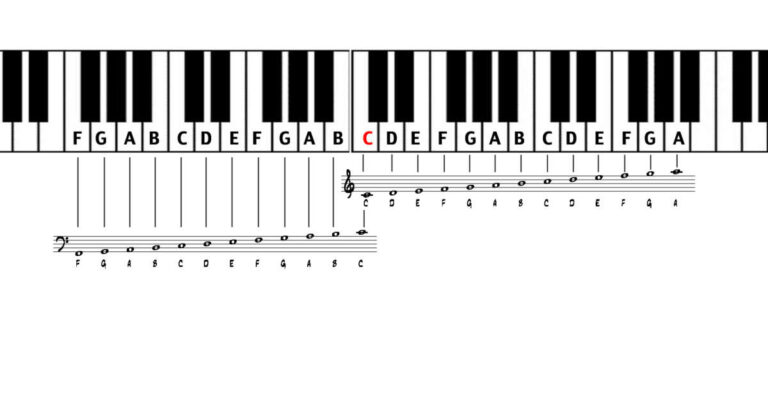
In the key of C, a simple pattern might use:
• Low C or a C octave on beat one
• A C major chord on beat two
• Low G or a G octave on beat three
• A G7 chord on beat four
This pattern is only a starting point. Skilled players change the bass notes, use passing chords, delay the beat, and add rhythmic surprises.
Stride piano is not a single song or fixed exercise. It is a performance language. Players use it in ragtime, early jazz, swing, blues, and modern arrangements.

The history of stride piano
Stride piano developed in the early 20th century, especially in New York City during the 1910s and 1920s. Harlem became a major center for the style. Its growth matched the rise of jazz clubs, dance halls, theaters, and rent parties.
Stride piano came from ragtime, but it was more flexible. Ragtime often used carefully written melodies and regular forms. Stride players took that foundation and added improvisation, swing, humor, and personal expression.
The Harlem stride tradition included major pianists such as:
• James P. Johnson, often called the “Father of Stride”
• Willie “The Lion” Smith, known for his strong rhythm and elegant playing
• Fats Waller, famous for his humor, showmanship, and brilliant improvisation
• Luckey Roberts, an influential pianist and composer
• Donald Lambert, admired for his complex and highly creative playing
James P. Johnson’s “The Charleston” helped bring the style to a wide audience. Fats Waller later made stride piano more popular through recordings, radio, films, and live performances.
Stride piano also influenced later jazz pianists. Art Tatum expanded the style with fast runs, rich chords, and remarkable harmonic detail. Count Basie used a lighter form of left-hand movement in his swing playing. Modern jazz pianists still borrow stride patterns when they want a solo performance to sound full and lively.
The style also reflects the social history of Black American music. Harlem musicians created new sounds in a period of major cultural change. Their work helped shape jazz, popular music, musical theater, and the broader American songbook.

How does stride piano work?
The core of stride piano is the contrast between the hands. The left hand supplies a steady foundation, while the right hand adds freedom and surprise.
The left hand
The left hand usually alternates between bass and chord. The bass may be a single note, an octave, or a tenth. The chord may use three or four notes.
A common four-beat pattern is:
• Beat one: bass
• Beat two: chord
• Beat three: bass
• Beat four: chord
The distance between the bass and chord can be wide. That distance creates the style’s energy, but it also creates one of its main challenges. The hand must move quickly without losing time.
Players do not always use the root of each chord in the bass. They may use walking bass notes, approach tones, diminished chords, or chromatic movement. These choices make the left hand sound more like a moving bass player.
The right hand
The right hand may play:
• The main melody
• Chord tones
• Blues notes
• Octaves
• Arpeggios
• Short fills between melody phrases
• Improvised lines
The right hand often uses syncopation. This means the player places accents on weak beats or between beats. Syncopation gives stride piano its lift and makes it feel less stiff than a basic “bass, chord” exercise.
The rhythm
Early stride piano may sound even and crisp. Later players often add swing. In swing rhythm, pairs of eighth notes are not played with equal length. The first note is usually longer, and the second is shorter.
A player may also push or delay a note slightly. This small timing choice can make the music feel relaxed, playful, or urgent. Good stride piano has a steady pulse, but it should not feel mechanical.

Stride piano compared with ragtime
Stride piano and ragtime share many traits, so listeners often confuse them. Both styles use syncopation, strong bass movement, and lively piano writing. The main difference is how the music is created and performed.
Ragtime was often composed in detail. Famous pieces such as Scott Joplin’s “Maple Leaf Rag” have set melodies, repeated sections, and carefully planned harmonies. Players may add small changes, but the written score usually guides the performance.
Stride piano is more open to improvisation. A pianist may begin with a known song and change the melody, harmony, rhythm, and form in real time. The result can sound different each time.
Here is a simple comparison:
| Feature | Ragtime | Stride piano |
|---|---|---|
| Main period | Late 1890s to early 1910s | 1910s through the swing era |
| Left hand | Often steady bass and chord pattern | Wide bass and chord leaps |
| Right hand | Written syncopated melody | Melody, fills, and improvisation |
| Feel | Often even and composed | More flexible and jazz-oriented |
| Performance | Usually follows a score | Often uses personal interpretation |
The styles overlap. A pianist can play a ragtime piece with stride technique, and a stride pianist may perform ragtime music. The boundary is not rigid.

Stride piano compared with boogie-woogie and jazz piano
Stride piano, boogie-woogie, and general jazz piano all use rhythm and improvisation, but their left-hand approaches differ.
Boogie-woogie often uses a repeated bass figure. The left hand may play a rolling pattern, walking bass, or repeated blues phrase. The pattern continues with less jumping than classic stride piano.
Stride piano usually alternates bass and chord. The left hand has more space between its notes and often makes larger leaps. This creates a sharp, orchestral effect.
Jazz piano is a broad term. It includes stride, swing, bebop, cool jazz, blues piano, gospel-influenced playing, and many other styles. Stride piano is best understood as one important branch of jazz piano history.
A short example can help:
• Stride: low bass note, higher chord, low bass note, higher chord
• Boogie-woogie: repeated rolling bass pattern with a steady blues pulse
• Modern jazz piano: left-hand bass may be reduced while chords and improvisation share more space
Each style has its own sound. Learning one can still help you understand the others.
Why is stride piano important?
Stride piano solved a practical problem: how can one pianist create a complete musical texture without a band?
The left hand acts like a bass player and rhythm guitarist. The right hand acts like a singer, horn, or lead instrument. Because of this, a skilled player can perform a full song alone and still create movement.
Stride piano also helped connect several major periods in American music:
• Ragtime and early jazz
• Harlem nightlife and rent parties
• Vaudeville and musical theater
• Swing-era piano
• Modern jazz and solo piano performance
The style teaches musical independence. The pianist must control two different jobs at the same time. The left hand must keep time, while the right hand must remain expressive.
This makes stride piano useful beyond historical study. It improves rhythm, chord knowledge, hand coordination, improvisation, and musical confidence. Even a simple stride pattern can make a basic song sound richer.
Benefits and challenges of learning stride piano
Stride piano offers clear benefits, but it is not an easy style for beginners.
Benefits of stride piano
• It builds strong left-hand coordination.
• It improves knowledge of chords and inversions.
• It develops a steady sense of time.
• It teaches syncopation and swing.
• It helps one pianist create a full arrangement.
• It supports improvisation and ear training.
• It connects technical practice with real musical style.
Challenges of stride piano
• The left hand must make large, fast movements.
• Poor technique can create tension in the wrist or shoulder.
• Beginners may rush the bass and chord pattern.
• The right hand can become stiff when the left hand feels difficult.
• Fast playing may hide weak rhythm or unclear harmony.
Do not measure progress by speed alone. A slow, relaxed stride pattern with a steady pulse is more useful than a fast pattern that falls apart.
One practical lesson applies to nearly every pianist: avoid making the leap larger than it needs to be. Keep the wrist loose, use a small arm motion, and let the fingers land close to the keys. The goal is efficient movement, not dramatic movement.
How to learn stride piano step by step
You do not need advanced jazz training to begin. You do need patience and a clear practice plan.
1. Learn basic chord shapes
Start with major, minor, and dominant seventh chords. Practice them in easy keys such as C, F, G, and B-flat.