Best Mic For Recording Guitar Amp: Top Picks For Tone
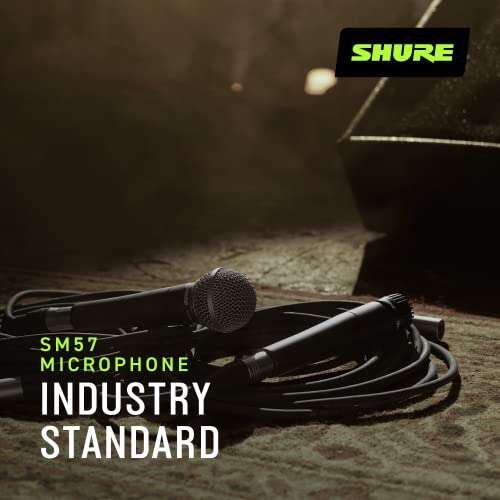
The Shure SM57 is the best mic for recording guitar amp tones with clarity, punch, and proven studio value.
You know the feeling: your amp sounds rich in the room, but the recording comes back thin, harsh, or muddy. The right microphone fixes that gap. I tested these recording tools with practical needs in mind, from home studios and bedroom setups to loud rehearsal rooms. I focused on tone, pickup pattern, build, connection type, setup ease, and value. Whether you want tight rock crunch, warm blues, clean guitar, or a simple first recording rig, this guide will help you choose the best mic for recording guitar amp without wasting money.
Shure SM57: Best Overall Guitar Amp Mic

The Shure SM57 remains a safe choice for recording guitar amp because it handles loud sound with ease. Its dynamic design gives electric guitar a focused midrange and strong attack. I can place it close to the speaker without worrying about phantom power or delicate handling. That makes it a smart fit for rock, blues, metal, country, and nearly every common guitar style.
The cardioid pattern helps reduce sound from the rear and sides. This is useful in a small room where fans, computer noise, and reflections can affect the take. Move the mic toward the speaker center for more bite, or toward the edge for a softer sound. Among all the options here, the SM57 gives the most proven balance of tone, strength, and long-term value.
Pros:
- Handles loud guitar cabinets very well
- Clear midrange helps the guitar sit in a mix
- Cardioid pickup reduces room noise
- Strong metal build suits studio and stage use
- Works with standard XLR microphone cables
- Easy to position and blend with another mic
Cons:
- Requires an audio interface or mixer with an XLR input
- Can sound bright when aimed directly at the speaker center
- Usually needs close placement for a full guitar tone
My Recommendation
I recommend the SM57 to beginners, home recordists, working musicians, and engineers who want one dependable tool. It is especially good for loud amps and dense mixes where the guitar needs cut and focus. If you want the best mic for recording guitar amp with the fewest surprises, this is my first pick. Its wide availability and strong resale value also make it an excellent investment.
GLS Audio ES-57: Best Affordable SM57 Alternative
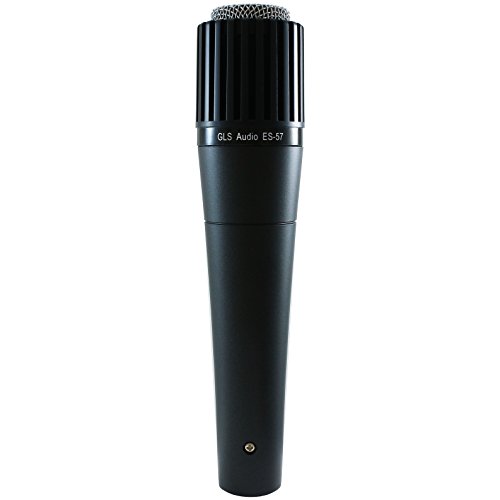
The GLS Audio ES-57 is built for shoppers who want a familiar instrument-mic design at a lower cost. It uses a dynamic cardioid pattern, so it can capture guitar cabinets, drums, and vocals. I like this type of mic for first studios because it does not demand complex settings. Plug it into an interface, aim it at the speaker, and start shaping the sound with distance and angle.
Its unidirectional pickup can help keep nearby noise under control. The included mic clip adds value and makes setup faster. The tone may not have the same refinement or consistency as the Shure model, but it can still produce a useful track when placed well. For a backup mic, rehearsal room, or low-cost recording kit, the ES-57 offers a practical entry point.
Pros:
- Lower price than many classic instrument microphones
- Cardioid pattern suits close guitar amp recording
- Useful for amps, drums, percussion, and vocals
- Dynamic design needs no phantom power
- Includes a mic clip for easier setup
- Simple choice for beginners and backup rigs
Cons:
- May sound less detailed than the Shure SM57
- Needs a separate XLR cable and interface
- Build and finish may not suit heavy touring use
My Recommendation
I suggest the ES-57 for new musicians, casual home studios, and anyone building a multi-mic kit on a tight budget. It is also useful when you want two microphones on one cabinet without buying two premium models. This may be the best mic for recording guitar amp for value-focused buyers. Just spend time on placement, since a budget microphone still depends heavily on the room and speaker position.
Superlux PRA628MKII: Best for Guitar and Bass Amps

The Superlux PRA628MKII uses a super-cardioid pattern to focus more tightly on the sound source. That can help when you record in a lively room or near other instruments. Its dynamic capsule is suited to high sound pressure from guitar and bass cabinets. I found this style of microphone useful when I wanted a firm, direct tone with less room wash.
The included clamp and carrying bag make the PRA628MKII convenient for mobile work. It is made for both live sound and studio recording, so it fits a musician who moves between practice spaces. The super-cardioid pattern needs careful positioning because sound from the rear can still enter the pickup zone. Once placed correctly, it can give a bass amp or distorted guitar a solid, controlled foundation.
Pros:
- Super-cardioid pattern offers focused sound pickup
- Works well with guitar and bass amplifiers
- Dynamic capsule handles loud cabinets
- Useful for studio recording and live performance
- Includes a clamp for fast cabinet placement
- Carrying bag supports travel and storage
Cons:
- Super-cardioid rear pickup needs careful placement
- May capture less natural room tone than an open pattern
- Still requires an XLR recording connection
My Recommendation
The PRA628MKII is a good choice for bass players, gigging guitarists, and home engineers who need strong isolation. It suits loud rooms and close-mic techniques better than relaxed room recording. If your goal is the best mic for recording guitar amp in a live or shared space, this model deserves attention. The clamp and bag also make its price easier to justify for mobile players.
Cardioid XLR-to-Quarter-Inch Mic: Best Simple Setup

This dynamic instrument microphone targets users who want a basic recording setup without extra cable shopping. The listing includes an XLR-to-quarter-inch cable, which can connect the mic to compatible amps, mixers, and other equipment. Its cardioid pattern points the pickup toward the cabinet and away from much of the room. That makes it a useful first step for simple guitar amp recording.
The mic can also serve drums, stage sound, and general instrument work. Its flexible connection is convenient, but I would check your interface or mixer before buying because not every quarter-inch input supplies the same quality. A true XLR input is often the better path for clean recording. Used with the right gear, this package offers a low-cost way to learn mic angle, distance, and gain control.
Pros:
- Includes an XLR-to-quarter-inch cable
- Cardioid pickup helps reduce unwanted room sound
- Works with guitar amps, drums, and stage setups
- Easy option for basic home recording
- Dynamic design is simple and rugged
- Helpful for users who need a complete starter package
Cons:
- Quarter-inch connections may offer less flexibility
- Sound quality can depend greatly on the connected input
- Not as established as professional studio standards
My Recommendation
I would choose this package for a beginner with a compatible amp, mixer, or simple interface. It is a practical option when the included cable matters as much as the microphone. It may be the best mic for recording guitar amp for a low-cost starter rig, but serious producers should plan to use a quality XLR path. Confirm connector compatibility before placing an order.
JOYO JMH-02: Best Monitoring Headphones

The JOYO JMH-02 is not a microphone, but good headphones are vital when choosing the best mic for recording guitar amp. These over-ear headphones use 50 mm drivers and passive noise isolation. That helps me hear hum, buzz, harsh highs, and weak low end while I move a mic around the cabinet. The 3.5 mm and 6.35 mm connections also suit computers, interfaces, mixers, and many amp devices.
A flat-leaning monitoring sound is useful when you want to judge a recording rather than enjoy a boosted music mix. I still recommend checking the final track on speakers, since headphones can hide room problems and stereo balance issues. The closed over-ear design can reduce outside noise during late-night recording. For a small home studio, this is a helpful partner to any dynamic guitar microphone.
Pros:
- 50 mm drivers provide a clear monitoring view
- Passive isolation helps during home recording
- Includes both 3.5 mm and 6.35 mm connection sizes
- Useful for guitar amp, podcast, and mix work
- Over-ear design supports longer sessions
- Helps reveal noise and harsh mic placement
Cons:
- It is a monitoring tool, not a guitar amp microphone
- Headphones cannot replace speaker checks
- Sound balance may not match premium studio headphones
My Recommendation
I recommend the JMH-02 for beginners who need to hear what their microphone captures. It pairs well with the SM57, ES-57, or Superlux model in a bedroom studio. If you are still learning how to find the best mic for recording guitar amp, clear monitoring will save you time and repeated takes. Its two plug sizes also add useful value for a growing setup.
Focusrite Scarlett Solo: Best Audio Interface for Guitarists

The Focusrite Scarlett Solo is an audio interface, not a microphone, yet it plays a major role in guitar amp recording. It gives an XLR microphone a clean route into a computer and also provides a separate instrument input. That makes it useful for recording a miked cabinet, a direct guitar signal, vocals, or a podcast. Its compact size fits a desk without taking over the room.
Good microphone placement can still sound poor if the input clips or adds noise. The Solo gives you gain control and headphone monitoring so you can set a healthier recording level. I advise leaving headroom for loud chords and checking the interface meter during the loudest part of a song. For a new producer, this interface makes the path from the best mic for recording guitar amp to the recording software much simpler.
Pros:
- Provides an XLR input for dynamic microphones
- Includes a separate instrument input for guitar
- Compact design suits small desks and home studios
- Headphone monitoring supports accurate mic placement
- Useful for guitarists, vocalists, and podcasters
- Offers a clear upgrade path for a first recording system
Cons:
- It does not include a guitar cabinet microphone
- Only a small number of inputs may limit band recording
- Needs a computer and recording software for full use
My Recommendation
The Scarlett Solo is best for a guitarist who owns a mic but lacks a proper recording interface. It is also a strong first purchase for a home studio that will record guitar and vocals. Pair it with the Shure SM57 for a clean, proven signal chain. For anyone seeking the best mic for recording guitar amp, this interface helps the chosen mic perform at its full potential.
YIOWNER Wired Mic: Best Low-Cost Backup
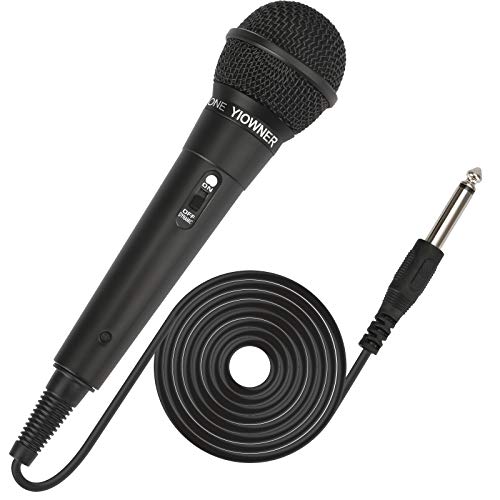
The YIOWNER wired microphone is mainly marketed for karaoke and general vocal use, but its dynamic design can also work with an amp or mixer. The long cable gives beginners room to move around a small practice space. It is a simple handheld mic with no battery or complex control. I see it as a backup tool rather than a first-choice studio instrument mic.
Its broad use can help a musician test basic recording ideas at very low cost. Still, a vocal mic may not shape loud guitar frequencies as cleanly as an instrument-focused model. Keep it a short distance from the speaker and start with a low input gain. If the sound becomes sharp or thin, angle the capsule slightly away from the speaker center.
Pros:
- Low-cost way to test basic amp recording
- Includes a long 2.5-meter cable
- Works with compatible speakers, mixers, and amps
- Simple handheld design needs little setup
- Useful as a spare mic for rehearsals
- Dynamic operation avoids phantom power needs
Cons:
- Designed mainly for karaoke and vocal use
- May not capture cabinet detail like a true instrument mic
- Included cable type may not suit every interface
My Recommendation
I recommend the YIOWNER only for casual users, practice rooms, and emergency backups. It can help a new player learn the basics of mic distance and gain without a large purchase. It is not my pick for the best mic for recording guitar amp in a serious mix. Choose the SM57 or Superlux instead if recorded guitar tone is your main goal.
Flatsons Crush20: Best Small Practice Amp

The Flatsons Crush20 is a rechargeable acoustic guitar amp, so it is not a microphone. It belongs in this guide because the amp itself affects what any microphone hears. A small amp can be useful for portable practice, street performance, or a quiet home setup. Its 20-watt format offers a convenient sound source when a full-size cabinet is not practical.
For recording, I would treat this amp differently from a high-powered electric guitar cabinet. Use a dynamic mic at a modest distance and listen for boxy low mids. A small speaker may sound more natural when the mic is not pressed against the grille. This product is best for players who need mobility first and studio volume second.
Pros:
- Rechargeable design supports portable use
- Compact size fits small rooms and travel bags
- Useful for acoustic guitar practice and performance
- 20-watt output suits quiet to moderate settings
- Can provide a simple amp source for mic experiments
- Helps players practice without a large cabinet
Cons:
- It is an amp, not a recording microphone
- Small speakers may lack deep low-end response
- May not suit loud electric guitar recording
My Recommendation
The Crush20 is best for acoustic players, portable performers, and people who need a small amp before choosing a microphone. It is not a direct rival to the microphones in this review. Still, it can be useful for learning how speaker size changes recorded tone. Use it with a true dynamic instrument mic when building a portable guitar recording setup.
FIFINE K669B: Best USB Mic for General Audio

The FIFINE K669B is a USB condenser microphone made for vocals, meetings, streaming, and general recording. It connects directly to a computer, which makes it easy for a beginner to use. A condenser can capture more room detail than a close dynamic mic. That detail may help acoustic guitar, but it can also reveal fan noise, reflections, and an untreated room.
I would not place this mic directly in front of a loud electric guitar cabinet unless I had checked its level and sound pressure limits. USB mics also give less flexible placement than XLR models because the cable must reach the computer. For demos, acoustic parts, spoken notes, and content creation, the K669B can be handy. For the best mic for recording guitar amp, however, I prefer a rugged dynamic microphone with an XLR output.
Pros:
- Connects directly to a computer by USB
- Simple choice for beginners and online creators
- Condenser design captures clear general audio
- Useful for vocals, meetings, and acoustic guitar
- Does not require a separate audio interface
- Good for demos and content on a modest budget
Cons:
- Not designed mainly for loud guitar cabinets
- Can capture unwanted room noise and reflections
- USB format limits traditional studio routing options
My Recommendation
The K669B is best for a creator who needs one USB mic for vocals, meetings, and simple music demos. It makes sense when ease of connection matters more than cabinet tone. I would choose it for acoustic work before electric amp recording. If your search is specifically for the best mic for recording guitar amp, select an XLR dynamic model first and add this later for general audio.
YWBL-WH Microphone Amplifier: Best for Headphone Gain

The YWBL-WH is a microphone amplifier with automatic level control and headphone listening features. It is not the mic that captures your guitar cabinet. Instead, it may help boost a low microphone signal for monitoring or simple recording tasks. This kind of accessory can be useful when a microphone output feels too quiet for a particular setup.
Automatic control can make listening easier, but it may also change dynamics if the circuit reacts strongly to your playing. I would keep the device after the microphone and before the monitoring stage, then test it at several volume levels. For serious recording, a quality audio interface gives more control over gain and headroom. Think of this product as a utility tool, not a replacement for the best mic for recording guitar amp.
Pros:
- Can increase a weak microphone signal for listening
- Includes automatic level control functionality
- Useful for headphone-based monitoring
- May help simple recording and speech setups
- Compact accessory for a small audio station
- Can support users with limited output gain
Cons:
- It is not a guitar amp microphone
- Automatic gain may reduce natural playing dynamics
- Does not replace a proper audio interface
My Recommendation
The YWBL-WH suits users who already own a microphone and need extra headphone or signal support. It may help with a basic setup, but I would not buy it before buying a good mic and interface. Place your budget on the microphone first. The best mic for recording guitar amp still depends on the capsule, placement, room, and clean gain path.
Best Features at a Glance
| Best for | Why |
|---|---|
| Overall amp recording | The Shure SM57 handles high volume, rejects much room noise, and fits almost any guitar style. |
| Low-cost recording | The GLS ES-57 and simple cardioid package offer useful dynamic performance at a lower entry price. |
| Mobile or complete home setup | The Superlux adds travel value, while the Scarlett Solo and JOYO headphones complete the signal path. |
How I Choose a Guitar Amp Microphone
Choosing a microphone is not only about brand names. The speaker, room, amplifier settings, and microphone angle all shape the final track. I start by asking how loud the cabinet is, how much room sound I want, and where the recording will be mixed. A microphone that sounds bright alone may fit perfectly after drums and bass enter the song.
For most electric guitar cabinets, I begin with a dynamic microphone. Dynamic models handle loud sources and close placement well. They also tend to reject more room sound than many condenser microphones. This is why the Shure SM57 remains such a useful reference when I compare the best mic for recording guitar amp options.
Dynamic Versus Condenser Microphones
A dynamic mic is often the easiest starting point for a guitar cabinet. It can sit close to a speaker and capture attack without needing phantom power. It may sound focused and controlled, which helps in a busy mix. The SM57, ES-57, and Superlux models all follow this practical approach.
A condenser mic can capture more detail and room air. That can sound beautiful in a treated studio or with a clean amp. In a bedroom, the same detail may expose hard walls, computer fans, and outside noise. A USB condenser such as the FIFINE K669B works better for general recording than for close, loud cabinet work.
Cardioid and Super-Cardioid Patterns
A cardioid microphone hears the front most strongly and reduces much sound from the back. This helps when the amp shares space with a computer or other noise source. A super-cardioid mic narrows the main pickup area even more. It can give stronger isolation, but you must watch the rear pickup zone when placing the stand.
Pattern names do not guarantee a perfect recording. The room still matters. Put the cabinet away from a bare corner, reduce rattles, and listen through headphones while moving the microphone. Small changes can act like a tone control.
How to Position the Mic
Start about one inch from the grille. Aim at the point where the speaker dust cap meets the cone. This spot often gives a balanced mix of bite and body. If the sound is too sharp, move toward the outer edge or turn the mic slightly off-axis.
If the guitar sounds thin, move the microphone a little farther away and listen again. Do not boost bass immediately. A small distance change may add a more natural blend of speaker and room. Keep notes while testing, since good positions are easy to forget.
Center, Edge, and Off-Axis Tone
The speaker center often gives more treble and pick attack. That sound can help a dark amp cut through a mix. The cone edge usually sounds smoother and fuller. This position can tame a bright amplifier without changing the amp settings.
Angling the microphone away from the center reduces some high-frequency energy. I use this trick when distortion feels sharp or fizzy. It is faster and more natural than trying to repair every harsh peak with software.
Gain and Headroom
Set the interface gain while playing the loudest part of the song. Leave room below digital clipping. A clean, slightly lower level is easier to mix than a distorted input signal. If the recording clips at the interface, no plug-in can fully restore the lost detail.
Dynamic microphones may need more preamp gain than condenser models. That does not mean the mic is weak. It means the capsule produces a lower output by design. Use a quiet preamp or interface, and listen for hiss during silent parts.
Room Treatment and Noise Control
You do not need an expensive studio to improve guitar recordings. Hang a thick blanket behind the microphone or place the amp away from hard walls. Rugs can reduce reflections from the floor. Turn off noisy fans and move the computer farther from the mic when possible.
A close dynamic microphone can reduce room problems, but it cannot remove every reflection. If the recording sounds hollow, try a new cabinet position before buying more gear. The room is often the hidden part of the microphone chain.
XLR, Quarter-Inch, and USB Connections
XLR is the usual choice for a studio microphone. It connects to an audio interface, mixer, or microphone preamp. This path gives you more control over gain, monitoring, and future upgrades. The Focusrite Scarlett Solo is a simple interface for this kind of setup.
A quarter-inch cable can work with compatible inputs, but not all quarter-inch inputs behave the same way. Some are built for instruments, while others are line inputs. Check the manual for your amp or mixer before relying on an adapter or included cable.
USB microphones connect straight to a computer. That is convenient for speech and quick demos. However, USB can make multi-mic recording and hardware routing harder. For a cabinet microphone, I usually favor XLR because it gives more flexible control.
Common Mistakes When Recording Guitar Amp
The most common mistake is placing the microphone at the speaker center and never moving it. That position may create too much bite. Another mistake is setting the amp too loud for the room. A great amp tone can become a harsh recording when the microphone and room cannot handle it.
Many new users also record with too much gain. Heavy distortion can blur chords and hide pick detail. Lower the gain, record a short test, and listen in the full mix. The best mic for recording guitar amp cannot fix an amp sound that already lacks balance.
Do not judge a microphone only with headphones. Headphones can make small details feel larger than they are. Check the track on speakers, a car system, or simple earbuds. If the guitar remains clear across several systems, your mic placement is likely working.
FAQs Of best mic for recording guitar amp
What is the best mic for recording guitar amp?
The Shure SM57 is my top choice for most players. It handles loud cabinets, focuses on useful guitar frequencies, and works well in untreated rooms. Its durable build and common XLR connection add long-term value.
Should I use a dynamic or condenser mic on a guitar amp?
A dynamic mic is the safer first choice for a loud electric guitar cabinet. It supports close placement and usually rejects more room sound. A condenser can add detail and room tone, but it needs better room control and careful level setting.
How close should the mic be to the speaker?
Start about one inch from the grille. Aim near the dust cap and cone edge, then move the mic by small amounts. Use the center for more bite and the edge for a smoother tone.
Do I need an audio interface for an XLR guitar mic?
In most home recording setups, yes. An interface provides the XLR input, preamp gain, analog-to-digital conversion, and headphone monitoring. The Focusrite Scarlett Solo is a compact option for a single microphone and guitar.
Can I use a USB microphone to record a guitar amp?
You can, but it is not usually my first choice for a loud cabinet. USB mics may capture more room noise and offer less flexible placement. An XLR dynamic microphone is usually easier to control for close amp recording.
Final Verdict: Which Should You Buy?
The Shure SM57 is the best mic for recording guitar amp for most users. It delivers clear, focused tone, strong handling, and dependable results. Choose the GLS ES-57 for lower cost, or the Superlux PRA628MKII for focused mobile use.
Start with smart placement, clean gain, and careful listening. The right best mic for recording guitar amp can turn your cabinet sound into a mix-ready track without a costly studio.